
In the landscape of modern personal finance, the cost of entertainment often serves as a barometer for the broader economy. For many households, “going to the movies” was once the gold standard for affordable weekend leisure. However, as we navigate a post-pandemic financial climate characterized by fluctuating inflation and shifting consumer behavior, the question “How much does a movie ticket cost?” no longer has a simple answer. Today, a trip to the cinema is an exercise in microeconomics, involving price discrimination, subscription modeling, and a deep understanding of value-to-cost ratios.
Understanding these costs is essential for anyone looking to optimize their discretionary spending. Whether you are a casual viewer or a dedicated cinephile, analyzing the financial architecture behind the silver screen allows you to make informed decisions that protect your bottom line without sacrificing cultural experiences.
1. The Financial Evolution of the Movie Ticket
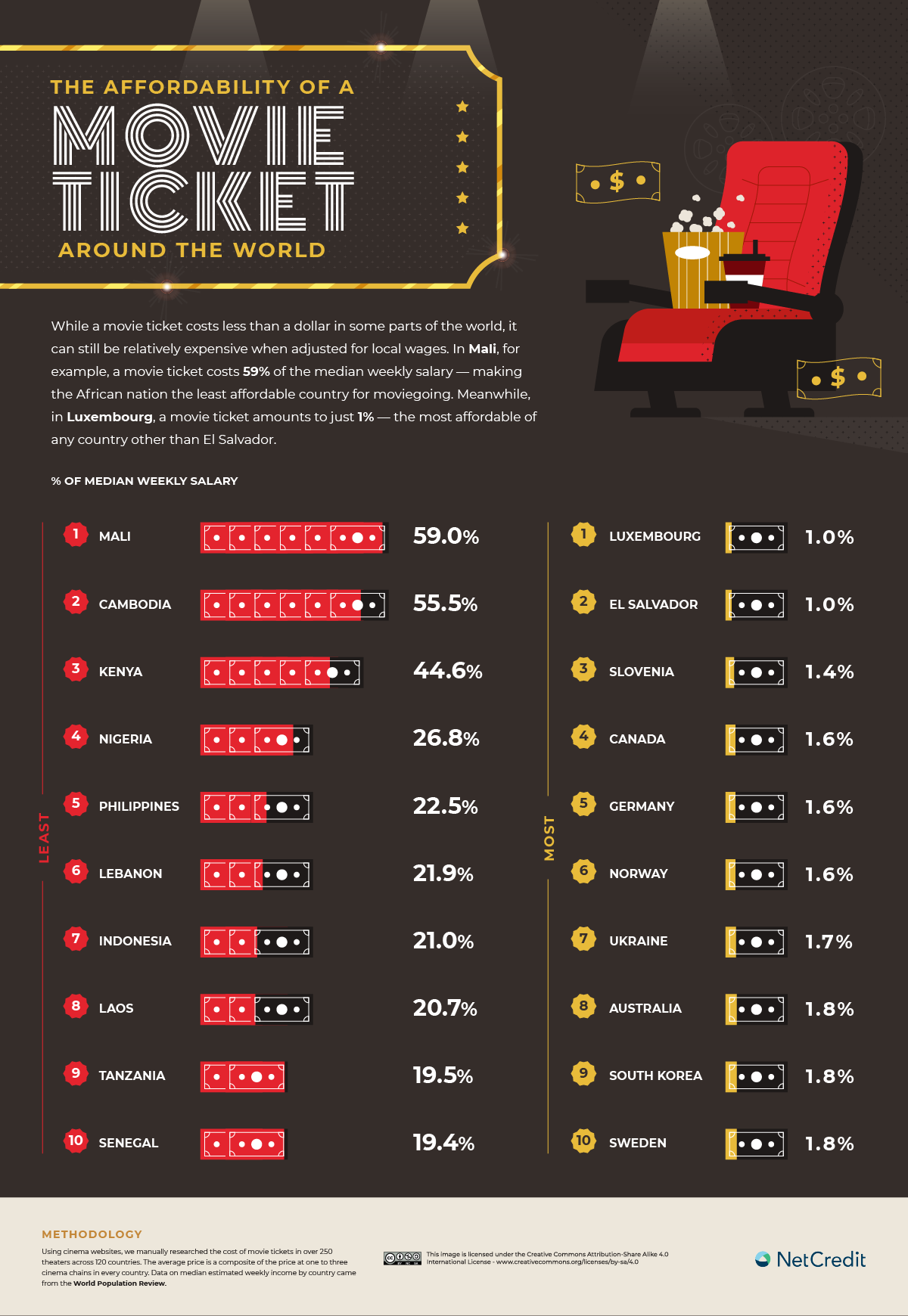
To understand current pricing, one must first look at the historical trajectory of cinema costs through the lens of purchasing power. In the mid-20th century, a movie ticket could be acquired for less than a dollar. By the 1990s, the average price hovered around $4.00. Fast forward to the present day, and national averages in the United States sit between $11 and $15, with metropolitan hubs like New York City or Los Angeles often seeing standard prices exceeding $20.
The Impact of Inflation and CPI
When adjusted for inflation, the rise in movie ticket prices actually tracks relatively closely with the Consumer Price Index (CPI), though it has occasionally outpaced it during periods of high demand. For the personal financier, this means that while the “sticker shock” is real, the real-dollar cost of a movie hasn’t shifted as radically as it might seem. What has changed, however, is the composition of the “movie-going experience,” which now includes premium additions that significantly inflate the total out-of-pocket expenditure.
Regional Price Disparities and Market Density
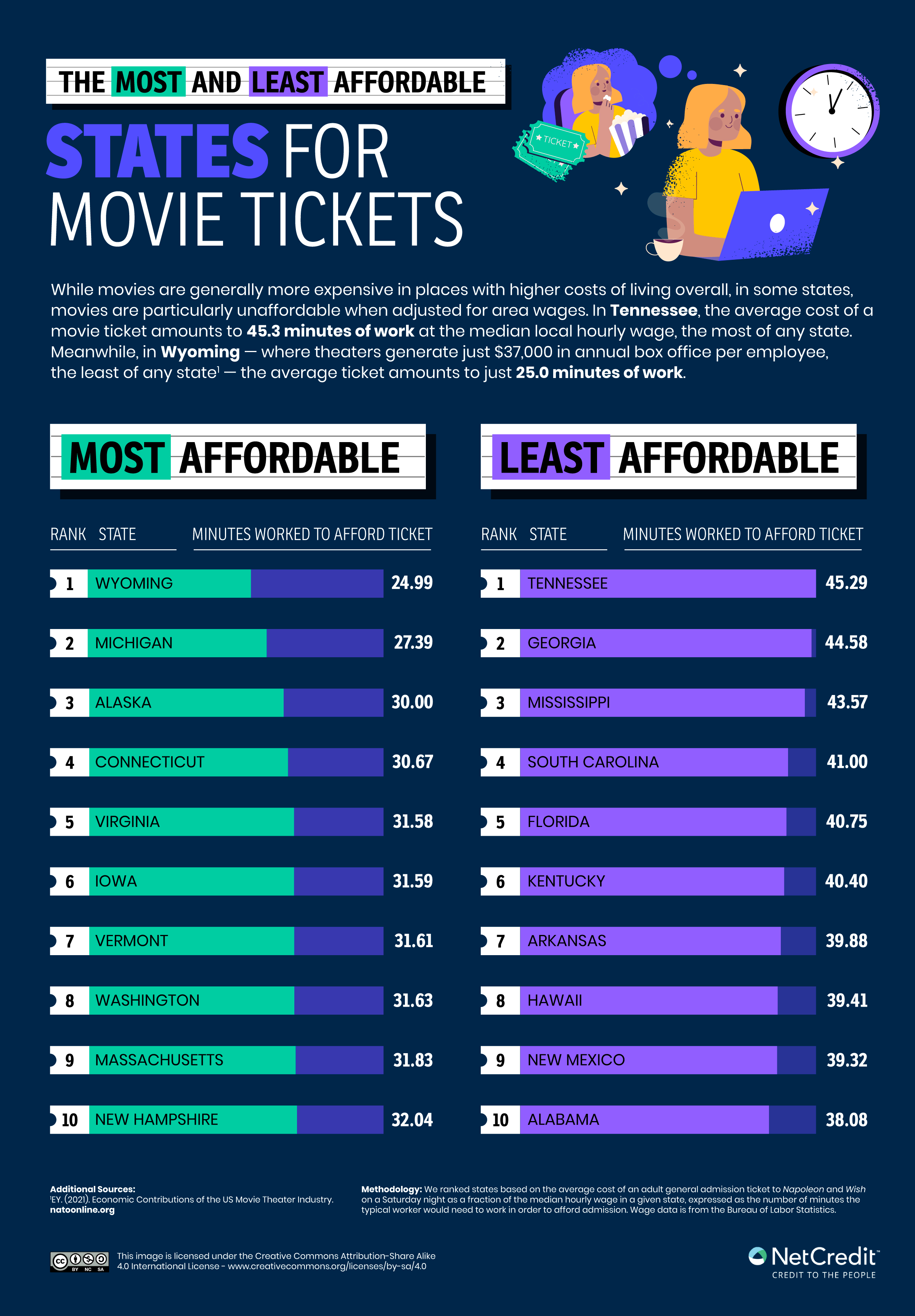
Pricing is rarely uniform. It is heavily influenced by the cost of real estate and local labor markets. Large theater chains employ sophisticated pricing algorithms that adjust based on the ZIP code. In high-density urban areas, the overhead of maintaining a massive footprint in a premium commercial zone is passed directly to the consumer. Conversely, in suburban or rural markets, lower operational costs allow for more competitive pricing, often supplemented by local promotions to maintain steady foot traffic.
2. Deconstructing the Ticket Price: Revenue Splits and Theater Economics
When you hand over your money at the box office, that capital is immediately fragmented into several different financial streams. Understanding where this money goes provides insight into why ticket prices remain high and why theater chains are so aggressive with secondary sales.
The Studio-Exhibitor Split
The most significant portion of a movie ticket’s cost is dictated by the “rental fee” paid to film distributors (the studios). During the opening weeks of a major blockbuster, the studio may claim as much as 60% to 70% of the ticket revenue. As the film stays in theaters longer, this percentage shifts in favor of the theater owner. This front-loaded revenue model explains why theaters are often desperate to keep audiences coming back for “legs”—the industry term for a film’s long-term performance—since that is when the theater begins to see a meaningful return on the ticket sale itself.
The Concession Stand Subsidy
From a business finance perspective, movie theaters are essentially high-end snack bars that happen to show films. Because such a large percentage of the ticket price goes back to the studios, theaters rely on concessions for their actual profit margins. Items like popcorn and soda have markup rates that can exceed 800%. For the budget-conscious consumer, the ticket is the “entry fee,” but the concessions are the “hidden tax” of the cinema. Understanding this allows a savvy individual to separate the cost of the entertainment from the cost of the experience, potentially saving $15 to $30 per visit by dining beforehand.
3. Subscription Models and the Pivot to Recurring Revenue
The most significant shift in the financial landscape of cinema has been the move toward subscription-based loyalty programs. Following the disruptive rise and fall of MoviePass, major chains like AMC (Stubs A-List), Regal (Unlimited), and Cinemark (Movie Club) launched their own proprietary models.
Calculating the Break-Even Point
For the personal financier, a movie subscription is a classic “sunk cost” vs. “marginal utility” calculation. If a subscription costs $20 per month and a single ticket costs $15, the “break-even point” is 1.33 movies per month. If you attend two or more films monthly, the subscription becomes a high-yield investment in your entertainment budget, effectively lowering your per-ticket cost to $10 or less. However, if you only attend once every two months, the subscription becomes a “leak” in your monthly cash flow.
Data as Currency
It is important to recognize that part of the “cost” of these lower-priced subscriptions is your personal data. Theaters use these programs to track viewing habits, peak attendance times, and purchasing triggers. This data allows them to implement more effective marketing and dynamic pricing strategies. In the modern economy, your behavioral data is a form of currency that you trade for a discounted ticket price.
4. Premium Formats and the Value Proposition of “The Experience”
In an era where streaming services provide high-quality content at home for a fixed monthly fee, theaters have had to pivot toward “premium large formats” (PLF) to justify their price points. This includes IMAX, Dolby Cinema, 4DX, and ScreenX.
The ROI of Premium Viewing
A ticket for an IMAX 3D showing can cost 50% to 100% more than a standard digital screening. From a financial perspective, one must evaluate the “return on investment” (ROI) of this additional spend. For a visual spectacle or a film shot specifically for IMAX, the marginal utility of the better screen and sound might justify the cost. However, for a standard drama or comedy, the premium upcharge represents a poor allocation of capital.
Dynamic and Temporal Pricing Strategies
Theaters are increasingly adopting the airline and hotel model of dynamic pricing. This means tickets are more expensive on Friday nights (peak demand) than on Tuesday afternoons (trough demand). Many theaters offer “Discount Tuesdays,” where tickets can be found for 50% off the standard rate. For those looking to optimize their personal finance, scheduling entertainment during these off-peak windows is one of the simplest ways to maintain a high quality of life while reducing “lifestyle creep” expenses.
5. Strategic Budgeting for the Modern Cinephile
To master the cost of movie-going, one must treat it as a line item in a comprehensive financial plan. By employing a few strategic tactics, the cost of a movie ticket can be mitigated or even offset entirely.
Leveraging Credit Card Rewards and Aggregators
Many credit cards categorize movie theaters under “Entertainment,” offering 3% to 5% cash back. Furthermore, platforms like Fandango or Atom Tickets often have “buy one, get one” (BOGO) deals through partnerships with cellular providers or tech companies. Integrating these rewards into your purchasing process ensures that you are never paying the “retail” price for a ticket.
The Side Hustle Connection
For those who find the rising cost of cinema prohibitive, it can be helpful to view the expense through the lens of “time-cost.” If a movie night for two costs $60 (tickets plus snacks), and you earn $20 an hour from a side hustle or freelance gig, that movie costs three hours of additional labor. Framing expenses in this way helps in making disciplined choices about which films are truly worth the financial and time investment.
Corporate Identity and Brand Loyalty
Lastly, choosing a “home” theater chain and sticking with it can lead to long-term savings. Corporate branding strategies are designed to reward loyalty. By consolidating your spending with one brand (e.g., AMC), you accumulate points that eventually translate into free tickets or upgrades. In the world of business finance, this is known as “customer lifetime value,” and as a consumer, you should aim to extract as much of that value back as possible.

Conclusion: The Bottom Line on Movie Tickets
The cost of a movie ticket is more than just the number printed on the receipt; it is a complex intersection of inflation, corporate revenue strategies, and consumer psychology. While the price of entry has certainly risen, the tools available to manage that cost have also become more sophisticated.
By understanding the economics of the theater—from the studio splits to the high margins of the concession stand—you can navigate the entertainment market with the precision of a financial analyst. Whether through subscription models, strategic timing, or reward leveraging, it is entirely possible to enjoy the magic of the cinema while keeping your personal finances firmly in the black. In the end, the goal is not to stop spending on the things we love, but to spend with intention and intelligence.
aViewFromTheCave is a participant in the Amazon Services LLC Associates Program, an affiliate advertising program designed to provide a means for sites to earn advertising fees by advertising and linking to Amazon.com. Amazon, the Amazon logo, AmazonSupply, and the AmazonSupply logo are trademarks of Amazon.com, Inc. or its affiliates. As an Amazon Associate we earn affiliate commissions from qualifying purchases.