
The silver screen has long been the primary destination for escapism, but in recent years, the cost of entry has become a significant point of discussion for the average consumer. When asking “how much are the tickets for movies,” one is no longer met with a simple, static answer. The price of a movie ticket today is a complex intersection of geographic location, technological premium, and strategic financial modeling by theater conglomerates.
In the realm of personal finance and entertainment budgeting, understanding these costs is essential for maintaining a healthy discretionary spending plan. As ticket prices continue to trend upward, the consumer must transition from a passive buyer to a strategic participant in the cinematic economy.
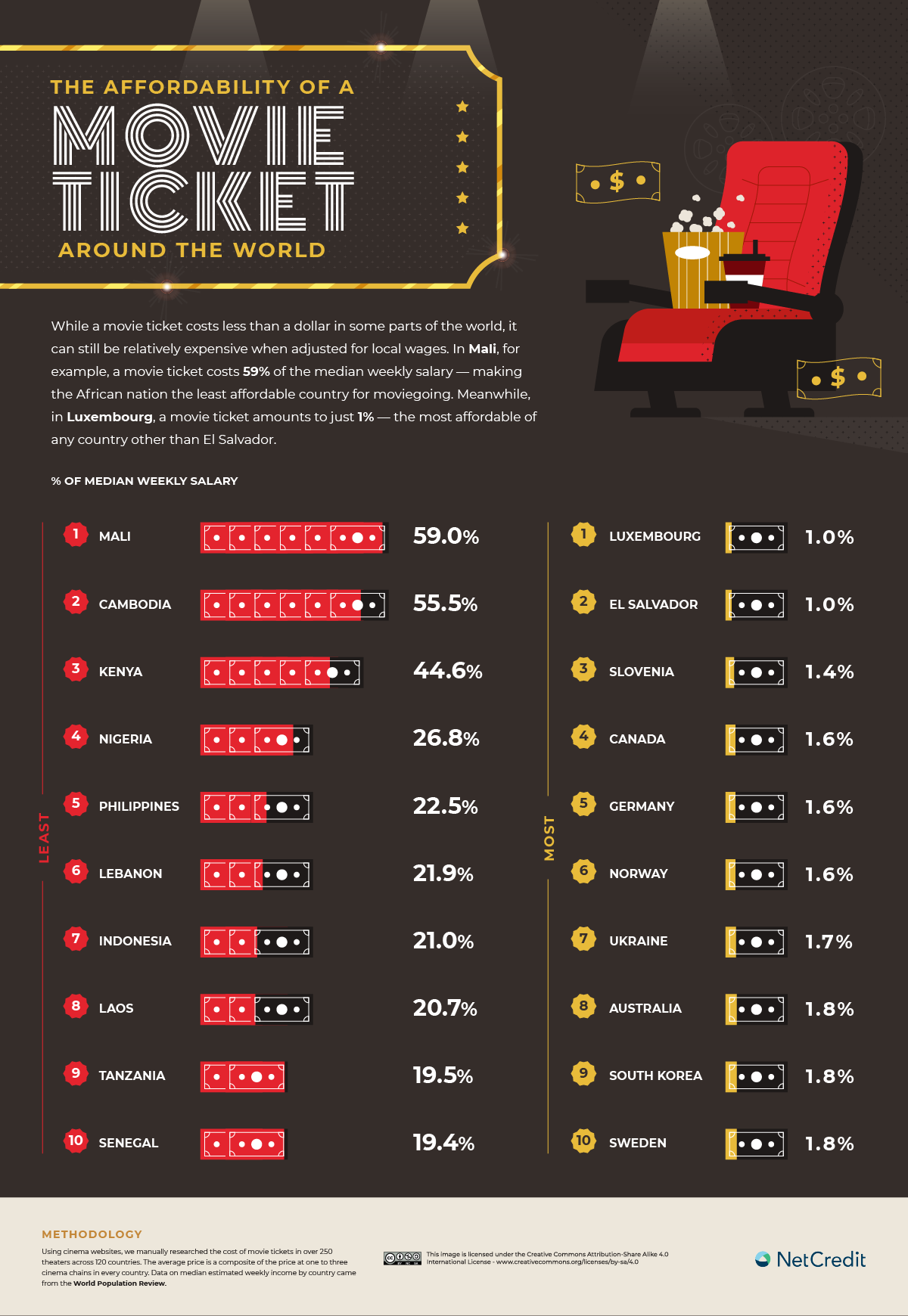
The Evolution of Movie Ticket Pricing
To understand current pricing, we must first look at the trajectory of the industry. For decades, movie-going was considered one of the most affordable forms of out-of-the-house entertainment. However, the financial landscape of the theater industry has shifted dramatically, moving from a volume-based business to a premium-experience model.
Historical Context and Inflationary Pressures
In the 1970s, the average ticket price in the United States hovered around $1.50 to $2.00. Adjusted for inflation, that would equate to roughly $10.00 to $12.00 today. However, in major metropolitan hubs, it is not uncommon to see standard adult tickets priced at $18.00 or higher. This indicates that ticket prices have, in many regions, outpaced general inflation. The reason for this lies in the rising overhead costs for theaters—ranging from high-end real estate leases to the increasing “rental” fees charged by film studios, which can take up to 60% of the ticket revenue during a film’s opening weeks.
The Shift Toward “Event” Cinema
Because streaming services have commodified the act of “watching a movie,” theaters have had to pivot their financial strategy. They no longer compete on the basis of just showing a film; they compete on the basis of the experience. This shift has necessitated massive capital investments in luxury seating, high-fidelity sound systems, and premium large formats. Consequently, the base price of a ticket reflects the amortization of these expensive technological upgrades.
Factors Influencing Modern Ticket Costs
When you look at a booking app, you will notice a wide variance in pricing. This is not arbitrary; it is a calculated approach to revenue management, similar to how airlines or hotels operate.
Regional Economic Disparities
Geography is perhaps the largest factor in determining ticket costs. A theater in Times Square, New York, faces significantly higher property taxes, utility costs, and labor rates than a theater in a suburban town in the Midwest. Therefore, a “standard” ticket can range from $9.00 to $22.00 simply based on the zip code. For the budget-conscious consumer, traveling just fifteen minutes outside of a major city center can often result in a 20-30% reduction in ticket expenses.
Format Premiums: IMAX, Dolby, and 3D
The modern cinema offers a tiered pricing structure based on the quality of the presentation.
- Standard Digital: The baseline price.
- IMAX/Large Format: Usually carries a $5.00 to $8.00 surcharge.
- Dolby Cinema: Focuses on superior audio and high-dynamic-range visuals, often priced similarly to IMAX.
- 4DX/ScreenX: These immersive experiences, involving moving seats and environmental effects, can push ticket prices north of $25.00.
From a financial perspective, the consumer must weigh the “utility” of these formats. A dialogue-heavy indie film provides the same value in standard format, whereas a visual spectacle like Dune or Avatar might justify the premium as a one-time investment in high-quality entertainment.
Peak vs. Off-Peak Pricing (Dynamic Pricing)
The industry has increasingly adopted dynamic pricing models. Tickets for a Friday night premiere are significantly more expensive than a Tuesday afternoon screening. Some chains have even experimented with “sightline pricing,” where seats in the center of the theater cost more than seats in the front row. Understanding these cycles allows consumers to optimize their spending by choosing “off-peak” hours for the same product.
Subscription Models vs. Individual Purchases
As ticket prices have climbed, the “Subscription Economy” has entered the world of cinema. This represents the most significant shift in how consumers manage their movie-going budget.
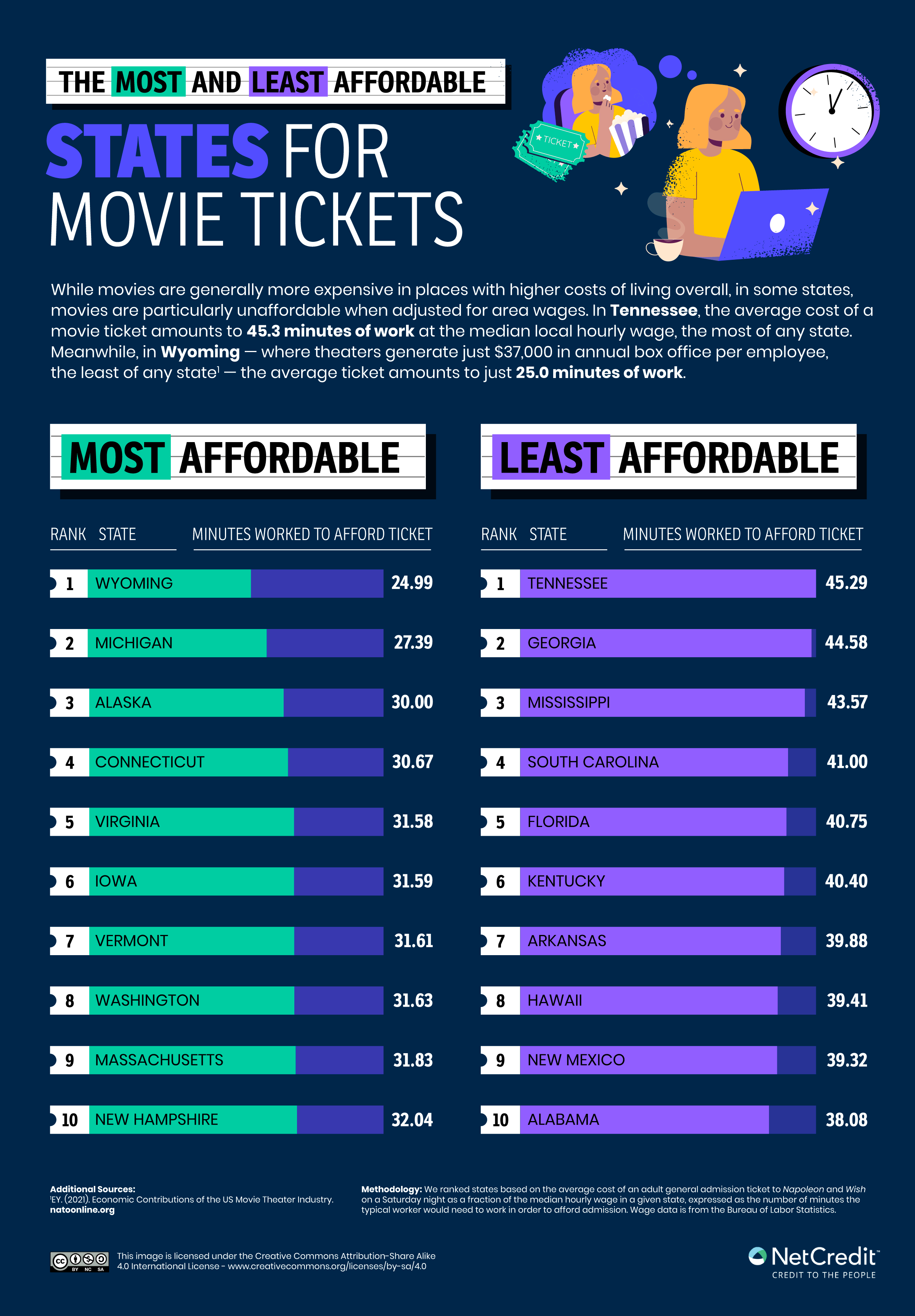
The Rise of Theater-Led Subscriptions
Following the meteoric rise and fall of third-party apps like MoviePass, major chains launched their own internal programs.
- AMC Stubs A-List: For a monthly fee (typically $20–$25), members can see up to three movies per week in any format.
- Regal Unlimited: Offers unlimited movies for a monthly tier-based fee.
- Cinemark Movie Club: A “rollover” model where a monthly fee buys one ticket, with additional tickets at a discounted rate.
ROI Analysis for the Frequent Viewer
For a consumer in a high-cost area where a single IMAX ticket is $22, an AMC A-List subscription pays for itself in just one visit per month. From a personal finance standpoint, these subscriptions transform a variable expense into a fixed cost. However, for the “casual” viewer who only goes to the theater three or four times a year, these subscriptions represent “leakage” in the budget—unused services that drain monthly cash flow.
Hidden Costs and the “Total Night Out” Budget
The ticket price is often just the “loss leader” for the theater. The true economics of the cinema industry are found at the concession stand, and this is where most entertainment budgets are blown.
Concessions Economics
It is a well-known industry secret that movie theaters make very little profit on ticket sales. Their primary revenue driver is concessions, which often boast profit margins exceeding 85%. A large popcorn and soda can easily cost more than the ticket itself. When calculating “how much are the tickets,” a consumer should actually be calculating the “cost per person per outing,” which frequently doubles once food and beverages are included.
Transportation and Ancillary Expenses
In urban environments, parking fees or ride-share costs must be factored into the financial equation. If a $15 ticket requires $20 in valet parking, the “cost of attendance” has spiked to $35. Budgeting for cinema must be holistic; it isn’t just about the entry fee, but the total capital required to occupy that seat for two hours.
Strategic Ways to Save on Movie Entertainment
Despite the rising costs, there are several financial strategies that can make movie-going affordable without sacrificing the experience.
Matinees and Discount Days
Most major chains still honor “Discount Tuesdays,” where tickets are often half-price for loyalty members (which is usually free to join). Similarly, matinee screenings—typically those occurring before 4:00 PM—offer a significant discount. For a family of four, switching from an evening show to a matinee can save upwards of $40, effectively paying for the meal after the movie.
Reward Programs and Credit Card Perks
Maximizing “points” is a staple of smart personal finance. Many credit cards categorize movie theaters under “Entertainment,” offering 3% to 5% cash back. Additionally, theater loyalty programs (like AMC Stubs or Regal Crown Club) allow users to accumulate points that eventually translate into free tickets or concessions. By stacking these rewards, the “effective cost” of a ticket can be lowered over the long term.
Group Sales and Bulk Purchases
For businesses or large social groups, purchasing tickets in bulk through “Gold Star” or warehouse clubs like Costco can provide a steep discount. These vouchers often bring the price of a ticket down to $10–$11, regardless of the theater’s current box office rate. While they may have some restrictions regarding “No Pass” engagements, they remain a powerful tool for reducing the per-ticket average cost.

Conclusion: The Value Proposition of the Big Screen
When we ask “how much are the tickets for movies,” we are really asking “what is the value of this experience?” In a world where digital content is infinite and often “free” (via subscription), the theater occupies a unique niche in our discretionary budget.
From a money management perspective, the key is intentionality. By understanding the levers that move ticket prices—location, timing, format, and subscription models—consumers can continue to enjoy the magic of cinema without compromising their financial goals. Whether it’s through a strategic Tuesday matinee or a high-value monthly subscription, there is always a way to make the numbers work in your favor. The price of a ticket is fixed, but the cost of your entertainment is entirely within your control.
aViewFromTheCave is a participant in the Amazon Services LLC Associates Program, an affiliate advertising program designed to provide a means for sites to earn advertising fees by advertising and linking to Amazon.com. Amazon, the Amazon logo, AmazonSupply, and the AmazonSupply logo are trademarks of Amazon.com, Inc. or its affiliates. As an Amazon Associate we earn affiliate commissions from qualifying purchases.