
Thermite, a pyrotechnic composition of metal powder and a metal oxide, is far more than just a chemical curiosity. When ignited, it undergoes an intensely exothermic redox reaction, producing temperatures that can exceed 2500°C (4500°F). This incredible heat generation, coupled with the production of molten metal, makes thermite a powerful and specialized tool with a surprisingly diverse range of applications across various industrial, engineering, and even niche technological sectors. Understanding its uses requires delving into the fundamental science that governs its reactions and the specific problems it is uniquely equipped to solve. From welding massive steel structures to critical demolition tasks, thermite stands as a testament to the transformative power of controlled chemical reactions in advanced technological contexts.
The Science Behind the Pyrotechnic Powerhouse
At its core, thermite’s utility stems from a fundamental chemical process known as the thermite reaction. This reaction is a prime example of metallurgy in action, where understanding the precise components and conditions is paramount to harnessing its formidable power.
Understanding the Thermite Reaction
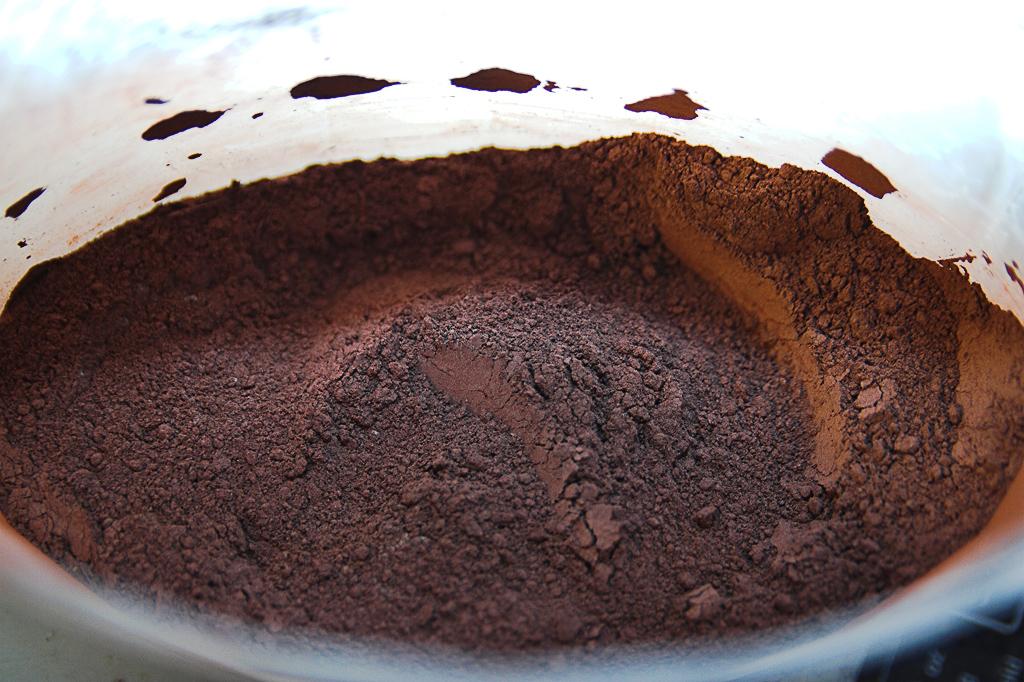
The most common thermite mixture consists of iron(III) oxide (rust) and aluminum powder, typically in a 3:1 ratio by mass. When ignited, usually by a high-temperature starter like magnesium ribbon or a small amount of reactive metal, the aluminum is more reactive than iron and readily strips oxygen from the iron oxide. The chemical equation for this reaction is:
Fe2O3 + 2Al → 2Fe + Al2O3 + Heat
This single displacement reaction is highly exothermic, meaning it releases a tremendous amount of energy in the form of heat and light. The aluminum oxidizes to form aluminum oxide (slag), while the iron oxide is reduced to molten elemental iron. The resulting molten iron is key to many of thermite’s practical applications, particularly its welding capabilities. The aluminum oxide, being less dense, typically floats as a slag layer above the molten iron, which can be easily separated. The precise stoichiometry and purity of the reactants are critical for achieving the desired reaction kinetics and product quality, making it a specialized material science endeavor.
The Extreme Heat Generation
The temperatures achieved during a thermite reaction are truly extraordinary, often reaching upward of 2500°C. To put this into perspective, steel melts at around 1370°C (2500°F), and pure iron melts at about 1538°C (2800°F). This immense heat is generated almost instantaneously, creating a localized zone of extreme temperature. Such high temperatures are not merely for show; they enable processes that would be impossible or impractical with conventional heating methods. The molten iron produced is superheated, meaning its temperature is significantly above its melting point, giving it excellent fluidity and the ability to fuse with existing metal structures. This rapid and intense heat generation is what makes thermite an indispensable tool in specific high-temperature engineering applications, particularly where large masses of metal need to be joined or cut without external power sources. The design and safety protocols around thermite reactions are therefore highly specialized, involving robust containment, thermal management, and strict personal protective equipment.
Industrial Applications: Engineering with Intense Heat
The controlled application of thermite’s immense heat and molten metal output has carved out significant niches in heavy industry and engineering, particularly where robust, on-site, and durable solutions are required.
Thermite Welding: A Legacy of Strength
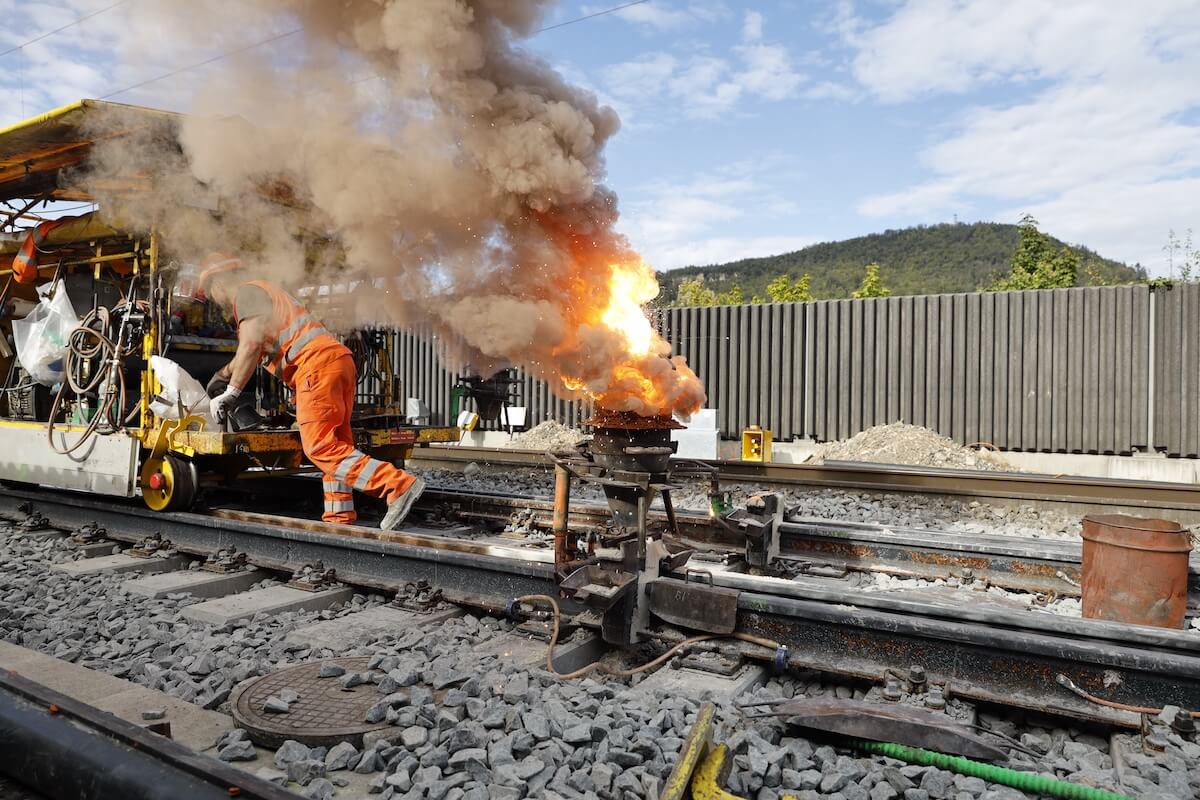
Perhaps the most iconic and widespread use of thermite is in thermite welding, also known as exothermic welding. This technique is predominantly used for joining large sections of metal, particularly steel, where traditional arc or gas welding methods might be challenging or less effective. Its most common application is in the welding of railway tracks. When railway lines are laid, individual segments need to be joined into a continuous, seamless track. Thermite welding provides a strong, durable, and reliable weld that can withstand the immense stresses of passing trains.
The process involves cleaning the ends of the rail, clamping them together with a small gap, and then surrounding the joint with a mold designed to contain the molten iron. The thermite mixture is ignited in a crucible positioned above the mold, allowing the superheated molten iron to flow down into the gap between the rails. The molten iron fuses with the rail ends, and as it cools and solidifies, it forms a monolithic joint. The aluminum oxide slag remains on top and is easily removed. This technique eliminates the need for external power sources or heavy equipment often required for conventional welding, making it ideal for remote locations or emergency repairs. Its efficiency and the strength of the resulting weld have made it an enduring technology in infrastructure development and maintenance worldwide.
Metal Smelting and Repair
Beyond railway tracks, thermite welding is also employed for repairing heavy machinery components, large crankshafts, ship propellers, and other substantial steel or cast iron structures that are difficult to transport or preheat. In these scenarios, the ability to generate a highly localized zone of molten metal on-site is invaluable. It enables technicians to fill cracks, rebuild worn sections, or join complex castings with a bond that approaches the strength of the base material. The metallurgical quality of the thermite-produced iron is crucial here, as impurities or improper cooling can compromise the structural integrity.
Furthermore, in specialized metallurgical research or small-scale production, thermite reactions can be used to produce high-purity metals or alloys directly. While not a primary method for industrial-scale smelting, it serves as a powerful demonstration and can be used for niche applications where controlled conditions and high temperatures are critical for synthesizing specific materials. The rapid heat generation can also be advantageous in certain pyrometallurgical processes.
Demolition and Cutting

While not its primary or most common use, thermite can also be employed in specialized demolition and cutting operations. Its ability to create an extremely hot, localized stream of molten metal can be leveraged to quickly cut through thick steel beams, reinforced concrete, or other robust materials. This is typically reserved for situations where traditional cutting methods (like oxy-fuel torches or plasma cutters) are impractical, too slow, or where silent and immediate cutting is required.
However, the destructive power of thermite in demolition context necessitates extreme caution and strict control. Its uncontrolled use can be incredibly dangerous due to the immense heat, molten metal splatter, and potential for fire. Therefore, its application in demolition is usually limited to highly trained specialists and specific, carefully planned scenarios, often involving military or specialized engineering teams. It’s a tool of last resort or for very specific, hard-to-reach targets, emphasizing precision over widespread application.
Niche and Specialized Uses
Beyond its industrial backbone, thermite finds application in several highly specialized fields, demonstrating its versatility when handled with expert knowledge and stringent safety protocols.
Tactical and Military Applications
The intense heat and molten metal produced by thermite make it an effective incendiary material for military and tactical purposes. Thermite can be incorporated into incendiary grenades or other devices designed to quickly destroy equipment, disable machinery, or ignite flammable materials in a controlled manner. For instance, a thermite grenade can melt through engine blocks, artillery pieces, or electronic components, rendering them inoperable by a hostile force. Its primary advantage here is that it burns independently of external oxygen supply, making it effective even in enclosed spaces or against materials that are resistant to conventional fires. The rapid, destructive action of thermite in these contexts makes it a valuable asset for specialized military operations requiring swift and decisive neutralization of assets.
Artistic and Theatrical Effects
In the realm of art and entertainment, thermite can be utilized for highly controlled pyrotechnic effects. While not for amateur use, professional pyrotechnicians with extensive training and safety measures can harness small, contained thermite reactions to create dramatic visual displays. This might involve generating intensely bright sparks, simulated molten flows, or controlled bursts of heat and light for film production, special events, or art installations. The challenge here lies in scaling down the reaction and ensuring absolute safety for performers and audiences, transforming a powerful industrial process into a carefully orchestrated visual spectacle. These applications require meticulous planning, specialized equipment, and adherence to rigorous safety standards, underscoring the technical expertise involved.
Research and Educational Demonstrations
In scientific research and educational settings, the thermite reaction serves as an impactful demonstration of chemical principles, thermodynamics, and metallurgy. Chemists and materials scientists might use controlled thermite reactions to study high-temperature material synthesis, phase changes, or the properties of novel alloys. In educational contexts, a small, carefully supervised demonstration can powerfully illustrate concepts such as exothermic reactions, redox reactions, and the immense energy stored in chemical bonds. These demonstrations are always conducted under strict laboratory conditions, with trained personnel, safety shields, and appropriate ventilation to prevent accidents, reinforcing the importance of scientific rigor and safety in handling reactive materials.
Safety, Control, and Responsible Application
Given the extreme temperatures and the production of molten metal, the use of thermite is inherently hazardous and demands an unwavering commitment to safety and control. Responsible application is not merely a recommendation but a critical requirement.
The Critical Importance of Safety Protocols
Working with thermite necessitates comprehensive safety protocols. Personal Protective Equipment (PPE) is paramount, including welding masks with appropriate shade, heavy-duty fire-resistant clothing, gloves, and safety footwear designed to protect against extreme heat and molten metal splash. The work environment must be free of flammable materials, and adequate ventilation is essential to dissipate fumes and ensure a breathable atmosphere. Water cannot be used to extinguish a thermite reaction as it can cause a steam explosion due to the intense heat, making specialized fire suppressants like sand or dry powder extinguishers necessary for secondary fires. Proper training, risk assessment, and adherence to established standard operating procedures are not optional; they are life-saving requirements for anyone involved in handling or initiating thermite reactions.
Environmental Considerations
While thermite reactions are typically localized, the byproducts and potential environmental impact must be considered. The primary solid byproduct is aluminum oxide slag, which is generally inert but needs to be disposed of responsibly. Depending on the exact composition of the thermite mixture, other metal oxides or trace elements might be present in the slag, necessitating proper waste management according to local environmental regulations. Furthermore, the intense heat can generate localized air pollution from burning any adjacent organic materials or vaporizing trace impurities in the metal. In industrial settings, measures are often taken to capture or filter these emissions.
Regulatory Frameworks and Legal Restrictions
Due to its inherent dangers and potential for misuse, thermite’s production, storage, and use are often subject to strict regulatory frameworks. Depending on the jurisdiction, its handling may require specific licenses, permits, or adherence to hazardous material transport and storage laws. Military and tactical applications are, of course, under even tighter governmental control. These legal and regulatory measures are in place to prevent accidents, deter unauthorized use, and ensure that thermite is handled only by qualified professionals in controlled environments. Ignoring these regulations not only carries legal consequences but also poses severe risks to human life and property.
In conclusion, thermite is a powerful technological agent, valued for its unique ability to generate immense heat and molten metal without external power sources. Its applications, though specialized, are critical to various industries—from ensuring the structural integrity of railway lines to enabling specialized demolition and military operations. While its power demands respect and rigorous safety protocols, when handled responsibly and expertly, thermite remains an indispensable tool in the advanced technological landscape, pushing the boundaries of what is possible in high-temperature engineering and material manipulation.
aViewFromTheCave is a participant in the Amazon Services LLC Associates Program, an affiliate advertising program designed to provide a means for sites to earn advertising fees by advertising and linking to Amazon.com. Amazon, the Amazon logo, AmazonSupply, and the AmazonSupply logo are trademarks of Amazon.com, Inc. or its affiliates. As an Amazon Associate we earn affiliate commissions from qualifying purchases.