
In the vast and ever-evolving landscape of technology, measurement is not merely a convenience; it is the bedrock upon which innovation stands. Every piece of software, every hardware component, every network communication, and every algorithmic decision is underpinned by a meticulous system of units that quantify performance, capacity, speed, and efficiency. Without these units, technology would descend into an indecipherable chaos, making it impossible to design, build, compare, or even understand the digital tools that shape our world. From the microscopic scale of transistors to the global scale of data networks, the question “what is the unit of measurement?” fundamentally asks how we define, delineate, and ultimately control the technological universe.
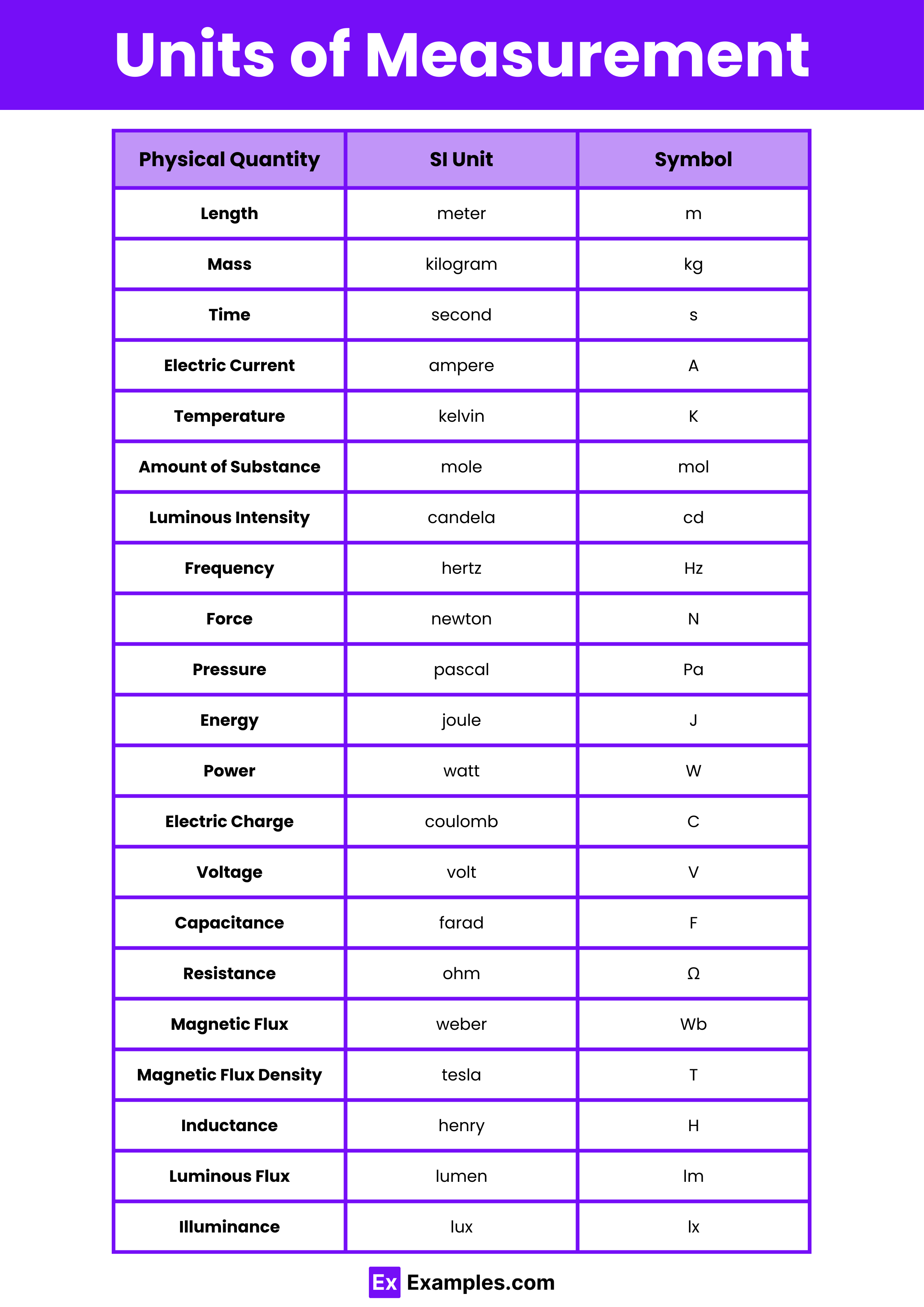
This article delves into the critical role of measurement in technology, exploring the foundational concepts, key units across various domains, the metrics that bridge the human-technology gap, and the evolving landscape of units for cutting-edge fields like AI and quantum computing. Understanding these units is not just for engineers and developers; it’s essential for anyone seeking a deeper comprehension of the digital realm we inhabit.
The Foundational Role of Measurement in Technology
Measurement in technology is far more than just assigning numbers; it’s about establishing a common language and a universal standard that allows for precise communication, predictable outcomes, and continuous improvement. It transforms abstract concepts into tangible, comparable quantities.
From Analog to Digital: Quantifying Reality
The transition from analog to digital computing marked a profound shift in how we quantify information. Analog systems often dealt with continuous physical quantities like voltage or current, which were harder to standardize and reproduce perfectly. Digital systems, however, broke down information into discrete, countable units – the binary digits, or bits. This fundamental unit, representing a state of “on” or “off,” “0” or “1,” became the atomic building block of all digital data. This quantification allowed for unprecedented accuracy, reliability, and the ability to perfectly replicate information without degradation. It’s the reason a digital file copied a million times is identical to the original, a feat impossible in the analog world. This concept extends throughout technology, where continuous phenomena are sampled and converted into discrete units for processing and analysis, from sound waves to images.
The Imperative for Precision and Standardization
In a world where software interacts with hardware, and countless devices communicate across global networks, precision and standardization are paramount. Imagine a situation where different manufacturers defined a “gigabyte” differently, or where network speeds were measured inconsistently. Interoperability would collapse, and innovation would stagnate. Standards bodies like the International System of Units (SI), IEEE (Institute of Electrical and Electronics Engineers), and ISO (International Organization for Standardization) play a critical role in defining and maintaining these units. They ensure that a Hertz means the same thing for a CPU’s clock speed as it does for a display’s refresh rate, or that a ‘byte’ of data is universally understood. This standardization enables components from different vendors to work together seamlessly, allows developers to write code that runs predictably on diverse systems, and provides users with reliable performance metrics to compare and choose technologies. Without this rigorous adherence to standardized units, the complex ecosystem of modern technology simply couldn’t function.
Core Units Across Technological Domains
The digital realm is characterized by diverse operations, each requiring its own set of specialized units to measure different aspects of performance, capacity, and efficiency. These core units form the backbone of how we understand and interact with technological systems.
Data and Storage: Bits, Bytes, and Beyond
The most fundamental unit of information in computing is the bit (binary digit), representing a 0 or 1. While small, bits combine to form larger, more practical units. Eight bits constitute a byte, which is typically the smallest addressable unit of data and can represent a single character, like a letter or number. From bytes, we scale up exponentially:
- Kilobyte (KB): 1,024 bytes (often used for small documents or images).
- Megabyte (MB): 1,024 KB (common for medium-sized files, short videos).
- Gigabyte (GB): 1,024 MB (standard for RAM, hard drive capacity, movies).
- Terabyte (TB): 1,024 GB (used for large storage arrays, personal backup drives).
- Petabyte (PB), Exabyte (EB), Zettabyte (ZB), Yottabyte (YB): These units represent progressively massive amounts of data, relevant for cloud storage, big data analytics, and global internet traffic. It’s crucial to note that while some contexts (especially networking) use powers of 10 (e.g., 1 kilobit = 1,000 bits), computing storage typically adheres to powers of 2 (1 kilobyte = 1,024 bytes) due to the binary nature of digital systems.
Processing Power and Speed: Hertz, FLOPS, and Latency
Measuring the “speed” of a computer involves several distinct units. Hertz (Hz) is the unit for frequency, and in computing, it’s most famously applied to clock speed (e.g., 3 GHz CPU). This indicates how many cycles per second a processor can execute, influencing how quickly it can perform basic operations. While higher clock speed generally implies more raw power, modern CPUs are complex, and actual performance depends on factors like core count, cache size, and architecture.
For more specialized computations, especially in scientific computing and artificial intelligence, FLOPS (Floating-point Operations Per Second) is a more relevant unit. FLOPS measures the number of floating-point calculations (numbers with decimal points) a processor can perform per second. Units like GFLOPS (giga-FLOPS), TFLOPS (tera-FLOPS), and PFLOPS (peta-FLOPS) are used to rate GPUs, supercomputers, and AI accelerators, as these tasks heavily rely on precise mathematical operations.
Latency, measured in milliseconds (ms) or microseconds (µs), quantifies the delay between an action and its response. This is critical for real-time systems, gaming, and interactive applications, where even small delays can be noticeable or detrimental.
Network Performance: Bandwidth, Throughput, and Jitter
Network performance is gauged by units that describe speed, capacity, and consistency. Bandwidth, often expressed in bits per second (bps) (e.g., Mbps, Gbps), represents the maximum rate at which data can be transferred over a network connection. It’s akin to the width of a pipe – a wider pipe (higher bandwidth) can theoretically carry more water (data).
Throughput, also measured in bps, is the actual rate of data transfer achieved over a period. It’s often less than bandwidth due to network congestion, protocol overhead, and other factors. If bandwidth is the theoretical maximum, throughput is the practical reality.
Jitter, measured in milliseconds (ms), quantifies the variation in latency of data packets over a network. High jitter indicates an inconsistent network connection, which can severely impact real-time applications like voice over IP (VoIP) or video conferencing, causing choppy audio or frozen video. Other units like packet loss percentage measure how many data packets fail to reach their destination, indicating network unreliability.
Measuring the Human-Technology Interface
The interaction between humans and technology is a critical area where specific units of measurement ensure clarity, quality, and a seamless user experience. These units bridge the gap between digital signals and human perception.
Display and Imaging: Pixels, Resolution, and Refresh Rates
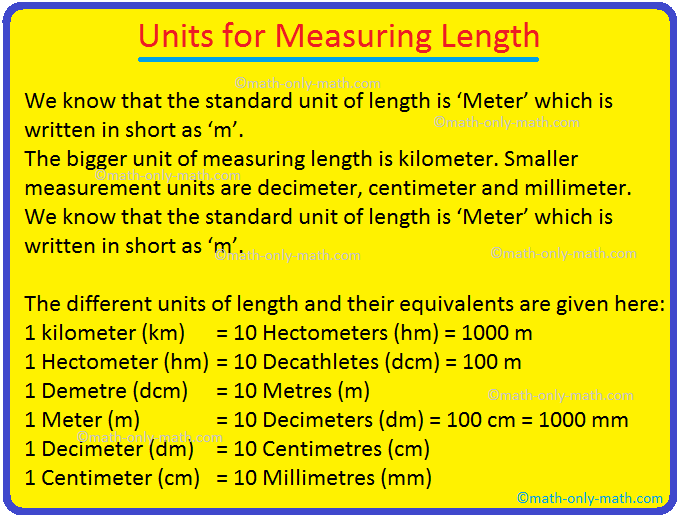
The visual experience, central to almost all modern technology, relies on several key units. A pixel (picture element) is the smallest addressable unit on a display screen, representing a single point of color. Resolution, expressed as a pair of numbers (e.g., 1920×1080), indicates the total number of horizontal and vertical pixels on a screen. Higher resolution means more pixels, leading to sharper images and more screen real estate. Pixels Per Inch (PPI) or Dots Per Inch (DPI) measures the pixel density, crucial for determining image clarity and sharpness on printed materials or high-resolution displays. A higher PPI/DPI means smoother lines and more detail.
Refresh rate, measured in Hertz (Hz), specifies how many times per second a display updates its image. A 60Hz display updates 60 times per second, while a 144Hz display updates 144 times. Higher refresh rates result in smoother motion, which is particularly beneficial for gaming and fast-paced video content, reducing motion blur and improving responsiveness.
Sensory Input and Output: Decibels, DPI, and Luminous Flux
Beyond visual displays, technology interacts with other human senses, each with its own units of measurement. For audio, Decibels (dB) is the standard unit for measuring sound intensity or loudness. In microphones, speakers, and audio processing, dB levels are crucial for managing volume, preventing distortion, and ensuring clear sound reproduction.
For input devices like mice and scanners, DPI (Dots Per Inch) is used to measure sensitivity or optical resolution. A higher DPI mouse moves the cursor further on screen for the same physical movement, offering greater precision for graphic design or gaming. For scanners, DPI determines the level of detail captured from a physical document.
Luminous flux, measured in lumens, quantifies the total amount of visible light emitted by a light source. This unit is vital for projectors, display backlights, and smart lighting systems, indicating how bright a projected image or a screen will appear, impacting visibility in various ambient light conditions. Related units like lux (lumens per square meter) measure illuminance, or how much light falls on a surface, important for photography and display calibration.
The Evolving Landscape: AI, Machine Learning, and Future Metrics
As technology advances into more complex domains like artificial intelligence and quantum computing, the need for specialized and precise units of measurement becomes even more critical. These emerging fields require new ways to quantify abstract concepts like intelligence, learning, and computational efficiency.
Quantifying AI Performance: Accuracy, Precision, and Recall
Measuring the performance of AI and machine learning models goes beyond raw speed or data capacity. It involves assessing how effectively a model solves a specific problem. Key metrics include:
- Accuracy: The percentage of correct predictions out of all predictions made. While a straightforward measure, it can be misleading in imbalanced datasets.
- Precision: In classification tasks, it’s the ratio of true positive predictions to the total positive predictions (true positives + false positives). It measures the relevance of positive results.
- Recall (Sensitivity): The ratio of true positive predictions to all actual positives (true positives + false negatives). It measures how many of the actual positives were correctly identified.
- F1-Score: The harmonic mean of precision and recall, providing a single metric that balances both.
- Loss Functions: Units like Mean Squared Error (MSE) for regression or cross-entropy for classification quantify the difference between predicted and actual values, guiding the model’s learning process.
- Latency and Throughput: For real-time AI applications (e.g., self-driving cars, voice assistants), the speed at which a model can process input and generate output is critical, measured in milliseconds and inferences per second, respectively.
Efficiency and Sustainability in Tech: Power Consumption and Carbon Footprint
With the exponential growth of data centers and personal devices, measuring the environmental impact of technology has become paramount.
- Watts (W) and Kilowatt-hours (kWh): These units measure power consumption. Watts quantify instantaneous power draw, while kilowatt-hours measure energy consumption over time, directly impacting electricity bills and carbon emissions. Power Usage Effectiveness (PUE) is a key metric for data centers, showing how efficiently power is used.
- Carbon Footprint: Measured in tons of CO2 equivalent (tCO2e), this unit quantifies the total greenhouse gas emissions associated with the production, operation, and disposal of technological devices and infrastructure. This holistic metric is crucial for assessing and mitigating the environmental impact of the tech industry.
Emerging Units for Quantum Computing and Beyond
The next frontier of computing, quantum computing, introduces entirely new paradigms and, consequently, new units of measurement.
- Qubits: Unlike classical bits that can only be 0 or 1, a qubit (quantum bit) can exist in a superposition of both states simultaneously. This fundamental unit is at the heart of quantum information processing.
- Coherence Time: Measured in microseconds (µs) or milliseconds (ms), this unit describes how long a qubit can maintain its quantum state before decohering and losing its quantum properties. Longer coherence times are crucial for more complex quantum computations.
- Quantum Volume: A composite metric that attempts to quantify the overall capability of a quantum computer, taking into account factors like qubit count, error rates, and connectivity. It provides a more holistic view of a quantum machine’s power than just the number of qubits.
As technology continues its relentless march forward, new units and metrics will inevitably emerge, each designed to precisely quantify and manage the complexities of future innovations.
The Importance of Context and Interpretation
While specific units of measurement provide objective data, their true value often lies in how they are interpreted within a given context. Raw numbers alone seldom tell the complete story; understanding their implications requires critical analysis and often, comparative benchmarks.
Benchmarking and Comparative Analysis
In technology, benchmarks are standardized tests used to evaluate the performance of hardware or software components against a common baseline, often expressed using specific units. For instance, comparing the FLOPS of different GPUs provides insight into their computational prowess for AI tasks. Measuring the read/write speed of SSDs in MB/s allows users to assess storage performance. These comparative analyses are indispensable for making informed purchasing decisions, optimizing system configurations, and driving competitive innovation. However, a single benchmark score rarely captures the full picture; a holistic approach often considers multiple metrics across various workloads. For example, a CPU with high clock speed might underperform a lower-clock-speed CPU with more cores for parallelizable tasks.
Avoiding Misinterpretation: Metrics vs. Meaning
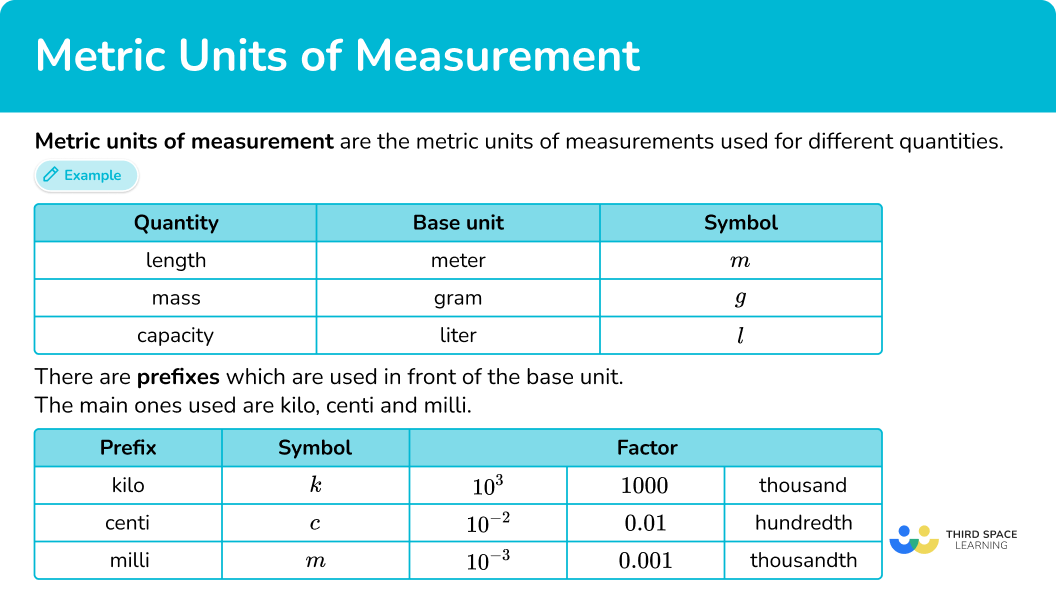
A critical challenge in relying on units of measurement is avoiding misinterpretation. A high number in one metric might not always translate to superior real-world performance or value. For example, simply having a large amount of RAM (GB) doesn’t guarantee a fast computer if the processor is slow or the storage is outdated. Similarly, a high “accuracy” score for an AI model might be misleading if the dataset is heavily imbalanced, making “precision” and “recall” more meaningful units for evaluation. The “unit of measurement” only becomes truly insightful when its implications are understood within the broader operational context, user needs, and specific application. It’s about looking beyond the number to grasp the meaning and practical consequences it represents, ensuring that technological progress is guided by genuine improvement rather than superficial statistics.
In conclusion, units of measurement are the unsung heroes of the technological age. They are the language of precision, the tools of standardization, and the compass for innovation. From the fundamental bit to the abstract qubit, these units allow us to quantify the intangible, control the complex, and continually push the boundaries of what is possible in the digital world. As technology evolves, so too will our understanding and application of these essential measurements, ensuring that the future of tech remains both measurable and magnificent.
aViewFromTheCave is a participant in the Amazon Services LLC Associates Program, an affiliate advertising program designed to provide a means for sites to earn advertising fees by advertising and linking to Amazon.com. Amazon, the Amazon logo, AmazonSupply, and the AmazonSupply logo are trademarks of Amazon.com, Inc. or its affiliates. As an Amazon Associate we earn affiliate commissions from qualifying purchases.