
Hello Kitty is more than just a character; she is a global phenomenon, a cultural touchstone, and an extraordinary testament to the power of strategic brand building. For nearly five decades, this adorable, mouthless cat-like figure has transcended her humble origins as a design on a coin purse to become one of the most recognizable and lucrative brands in the world. Yet, beneath the veneer of cuteness lies a meticulously crafted corporate identity and a marketing masterclass that has captivated generations across diverse demographics. This article delves into the true story of Hello Kitty, unpacking the strategic decisions, design philosophies, and branding principles that have propelled her from a simple illustration to an enduring global icon.

The Genesis of a Global Icon: A Strategic Design Play
The story of Hello Kitty begins not with a grand vision for a global brand, but with a practical business strategy aimed at enhancing sales. Her creation was a deliberate, calculated move by a company that understood the universal appeal of “kawaii” – the Japanese culture of cuteness.
Humble Beginnings: Sanrio’s Vision
Sanrio, founded in 1960 by Shintaro Tsuji, initially operated as a silk company selling rubber sandals. Tsuji quickly realized that adding cute designs to his products significantly boosted sales. This insight led him to pivot Sanrio towards creating merchandise adorned with adorable characters. The company’s core philosophy became: “to create happiness for people through gift-giving.” In 1974, Sanrio tasked designer Yuko Shimizu with creating a new character for a vinyl coin purse. Shimizu’s brief was simple: create something appealing to young girls. From this brief, Hello Kitty was born. Her first appearance was on a small coin purse, sitting between a milk bottle and a goldfish bowl, quickly becoming a hit and signaling the potential for something much larger.
The Design Philosophy: Simplicity and Universality
The original design of Hello Kitty was remarkably simple: a white bobtail cat with a red bow on her left ear, no mouth, and an expressionless face. This apparent simplicity, however, was a stroke of genius in brand design. The absence of a mouth, often debated and misunderstood, was a deliberate choice by Sanrio. It allowed the viewer to project their own emotions onto Hello Kitty, making her universally relatable regardless of mood, age, or cultural background. If you’re happy, Hello Kitty looks happy; if you’re sad, she can seem to share your sadness. This ambiguity fostered a deeper, more personal connection with the audience than a fixed expression ever could.
Her minimalist aesthetic also meant she could be easily adapted and integrated into a myriad of products, art styles, and contexts without losing her core identity. Her distinct red bow became an instant identifier, an anchor in a sea of changing trends. This strategic design choice laid the groundwork for a brand that would transcend fads and maintain timeless appeal, a core element of lasting corporate identity.
Beyond the Product: Crafting a Brand Narrative and Identity
Hello Kitty’s enduring success owes much to Sanrio’s continuous efforts to evolve her beyond a mere illustration, giving her a rich, if understated, brand narrative and a consistent corporate identity that resonates globally.
The Evolution of Hello Kitty’s Persona
While Hello Kitty’s physical design remained largely consistent, Sanrio meticulously built out her persona over the years. Officially known as Kitty White, she was given a birthdate (November 1st, 1974), a birthplace (the suburbs of London, England), and a family, including a twin sister Mimmy, who wears a yellow bow on her right ear. She’s a perpetual third-grader, always depicted as sweet, kind, and loving to bake cookies. This backstory, while simple, provides a stable narrative framework that enriches the brand, allowing fans to feel they know her.
Sanrio carefully managed her evolution, ensuring she remained fresh without compromising her core identity. Designers updated her attire, placed her in different scenarios, and collaborated with artists to give her new interpretations, yet the fundamental elements – her shape, her bow, her mouthless face – remained sacred. This delicate balance between consistency and adaptation is a hallmark of strong brand management, allowing for longevity in an ever-changing market.
The Power of Brand Extension and Licensing
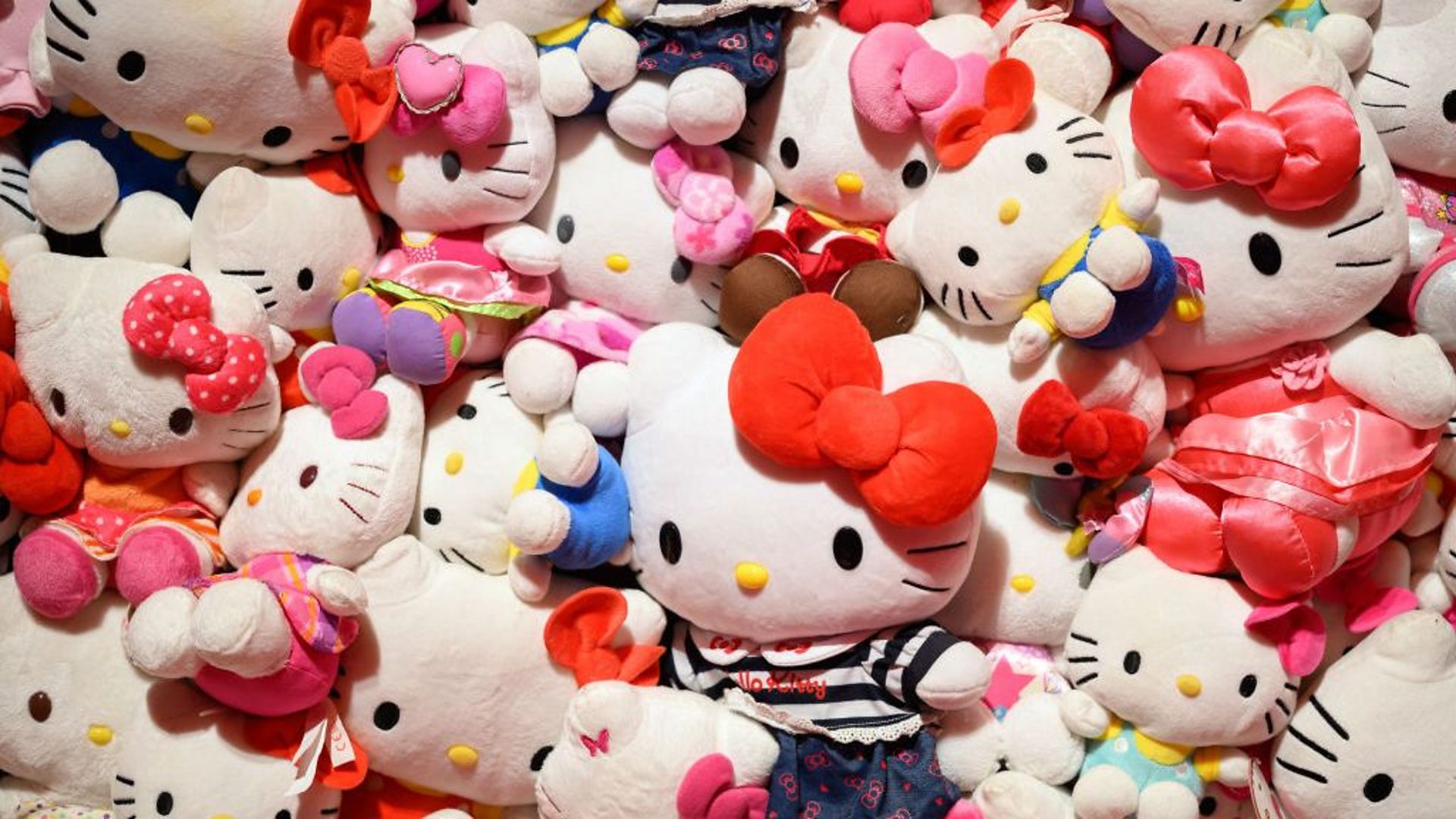
Perhaps the most significant aspect of Hello Kitty’s brand strategy has been her unparalleled success in brand extension and licensing. From her initial appearance on a coin purse, Hello Kitty rapidly expanded her presence to stationery, apparel, toys, and home goods. But Sanrio didn’t stop there. They aggressively pursued licensing deals that saw Hello Kitty adorn everything from high-end fashion accessories and electronics to appliances, theme park attractions, and even airline jets.
This extensive licensing model allowed Hello Kitty to infiltrate nearly every aspect of consumer life. Sanrio provided strict brand guidelines to licensees, ensuring the quality and consistency of the Hello Kitty image across all products, thus protecting her corporate identity. This strategy not only generated massive revenue but also amplified her visibility and solidified her presence in diverse markets. The judicious use of collaborations, often with luxury brands or artists, also generated buzz and maintained a sense of exclusivity, preventing brand dilution and keeping Hello Kitty desirable across various demographics and price points. It’s a masterful demonstration of how a brand can grow exponentially while retaining its perceived value and core appeal.
A Cultural Phenomenon: Hello Kitty as a Marketing Masterpiece
Hello Kitty has transcended mere merchandise to become a bona fide cultural phenomenon, demonstrating a marketing reach that few brands can rival. Her universal appeal is a testament to savvy branding that understands human connection and aspiration.
Bridging Generations and Demographics
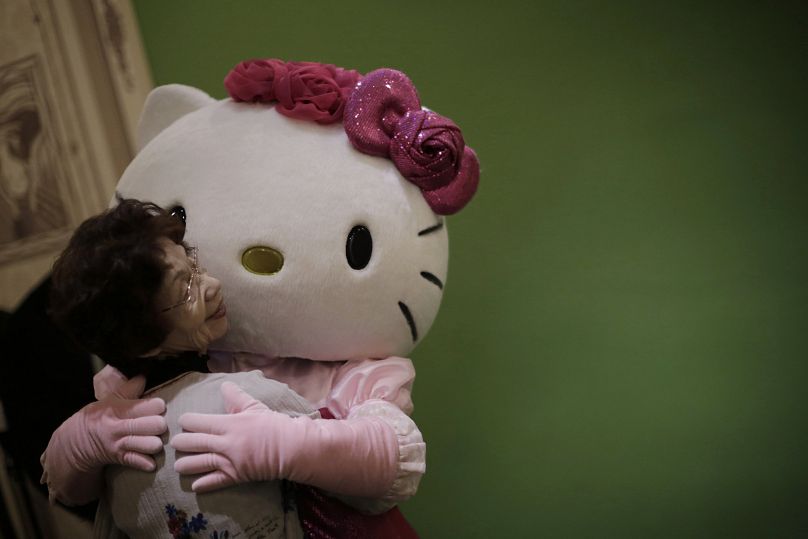
One of Hello Kitty’s most remarkable achievements is her ability to appeal across an astonishingly wide demographic. She started as a character for young girls but quickly found favor with teenagers, young adults, and even older generations who grew up with her. The nostalgia factor is powerful; adults who loved Hello Kitty as children now share her with their own kids, creating a multi-generational legacy. Moreover, her minimalist design and flexible persona have allowed her to resonate globally, becoming a symbol of “kawaii” culture that is embraced by people of all genders and backgrounds.
Sanrio’s marketing efforts have been instrumental in this broad appeal. They fostered a sense of community around the character, encouraging collectors and fans to share their love for Hello Kitty. Celebrity endorsements, whether explicit or implicit through celebrities simply being photographed with Hello Kitty merchandise, further elevated her status and broadened her reach. Her adaptability meant she could be both cute and edgy, innocent and fashionable, catering to diverse tastes while maintaining her core identity.
Digital Engagement and Modern Relevance
In an increasingly digital world, many legacy brands struggle to remain relevant. Hello Kitty, however, has consistently adapted. Sanrio strategically moved Hello Kitty into the digital realm, launching mobile games, animated series, social media campaigns, and interactive websites. She has a strong presence on platforms like Instagram, TikTok, and Facebook, engaging with a new generation of fans while retaining her loyal base.
Her digital presence is not just about entertainment; it’s about maintaining a continuous dialogue with her audience and allowing for new forms of interaction. Fan-created content, fan art, and online communities further fuel her digital footprint, turning passive consumers into active brand ambassadors. This continuous digital engagement is crucial for any brand aiming for longevity in the 21st century, demonstrating Sanrio’s understanding of contemporary marketing strategies and their commitment to keeping Hello Kitty at the forefront of popular culture.
Lessons from Hello Kitty: Branding Principles in Action
The true story of Hello Kitty offers invaluable lessons for brand strategists, marketers, and businesses aiming to build enduring corporate identities. Her journey highlights several fundamental principles that underpin successful branding.
Simplicity as a Superpower
Hello Kitty’s initial, simple design was not a limitation but her greatest asset. It enabled universal appeal, easy adaptation, and instant recognition. Brands often overcomplicate their identities in an attempt to stand out. Hello Kitty teaches that a clear, uncomplicated visual and conceptual identity can be far more powerful, allowing the audience to infuse it with their own meaning and connection. This minimalist approach has been key to her ability to transcend cultural and linguistic barriers.
Consistent Identity, Flexible Application
Sanrio has masterfully balanced consistency with flexibility. Hello Kitty’s core traits, design elements, and brand narrative have remained remarkably stable for decades. Yet, the brand has been incredibly flexible in its application, embracing countless collaborations, design variations, and product categories. This demonstrates that a strong corporate identity doesn’t mean rigidity; it means having clear guidelines that allow for creative interpretation and expansion without diluting the brand’s essence. This strategic approach has allowed Hello Kitty to remain fresh and relevant, adapting to changing trends without losing her fundamental appeal.
Emotional Connection and Storytelling
Despite her lack of a mouth, Hello Kitty evokes powerful emotional connections. This is achieved through her inherent cuteness, the deliberate ambiguity of her expression, and the subtle, consistent storytelling around her persona. Brands that succeed in the long term often do so by building an emotional bond with their audience, not just selling products. Hello Kitty demonstrates that this connection can be forged through simple, consistent messaging and by allowing the audience to participate in the brand’s narrative by projecting their own feelings. She is a canvas for emotion, making her relatable on a deeply personal level.
In conclusion, the true story of Hello Kitty is a compelling narrative of strategic brand development. From a simple design conceived to boost product sales, she evolved into a global icon through thoughtful design, consistent identity management, aggressive yet controlled brand extension, and savvy adaptation to changing markets and technologies. Hello Kitty is not just a character; she is a masterclass in how to build, maintain, and evolve a corporate identity that stands the test of time, proving that genuine brand success is built on a foundation of creativity, consistency, and a deep understanding of human connection.
aViewFromTheCave is a participant in the Amazon Services LLC Associates Program, an affiliate advertising program designed to provide a means for sites to earn advertising fees by advertising and linking to Amazon.com. Amazon, the Amazon logo, AmazonSupply, and the AmazonSupply logo are trademarks of Amazon.com, Inc. or its affiliates. As an Amazon Associate we earn affiliate commissions from qualifying purchases.