
Vinegar, a ubiquitous household staple, is renowned for its pungent aroma and sharp, acidic taste. From culinary creations and cleaning solutions to a traditional remedy, its versatility is undeniable. At the heart of vinegar’s characteristic properties lies its pH level, a fundamental measure of acidity. Understanding this metric not only demystifies vinegar’s behavior but also opens a window into the sophisticated technological advancements that enable its consistent production and diverse applications.
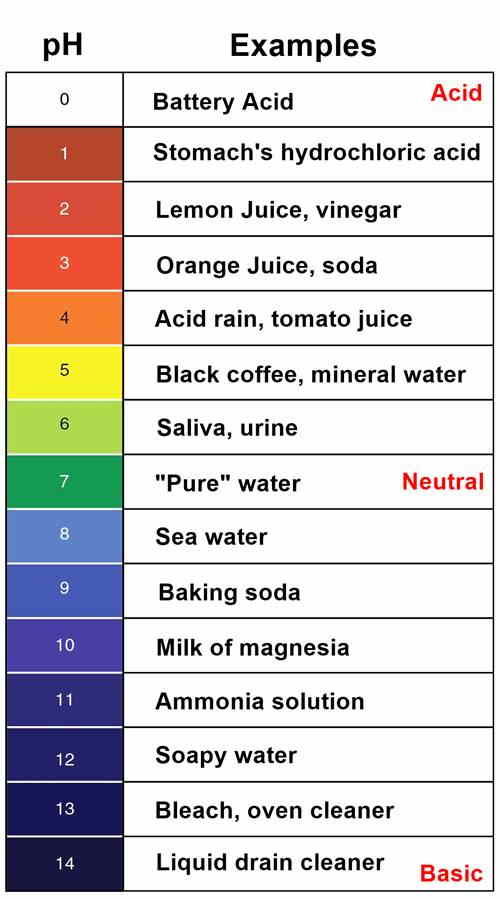
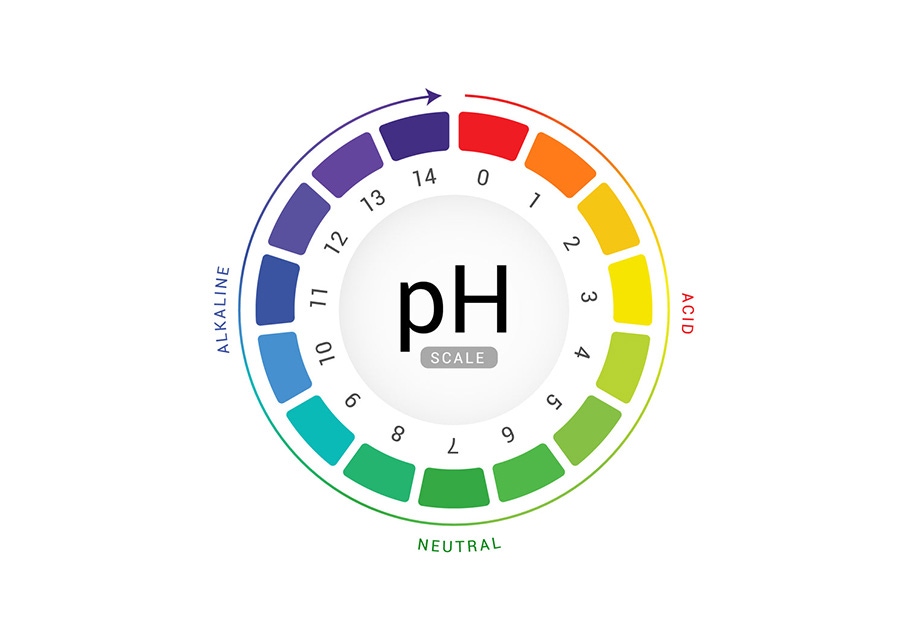
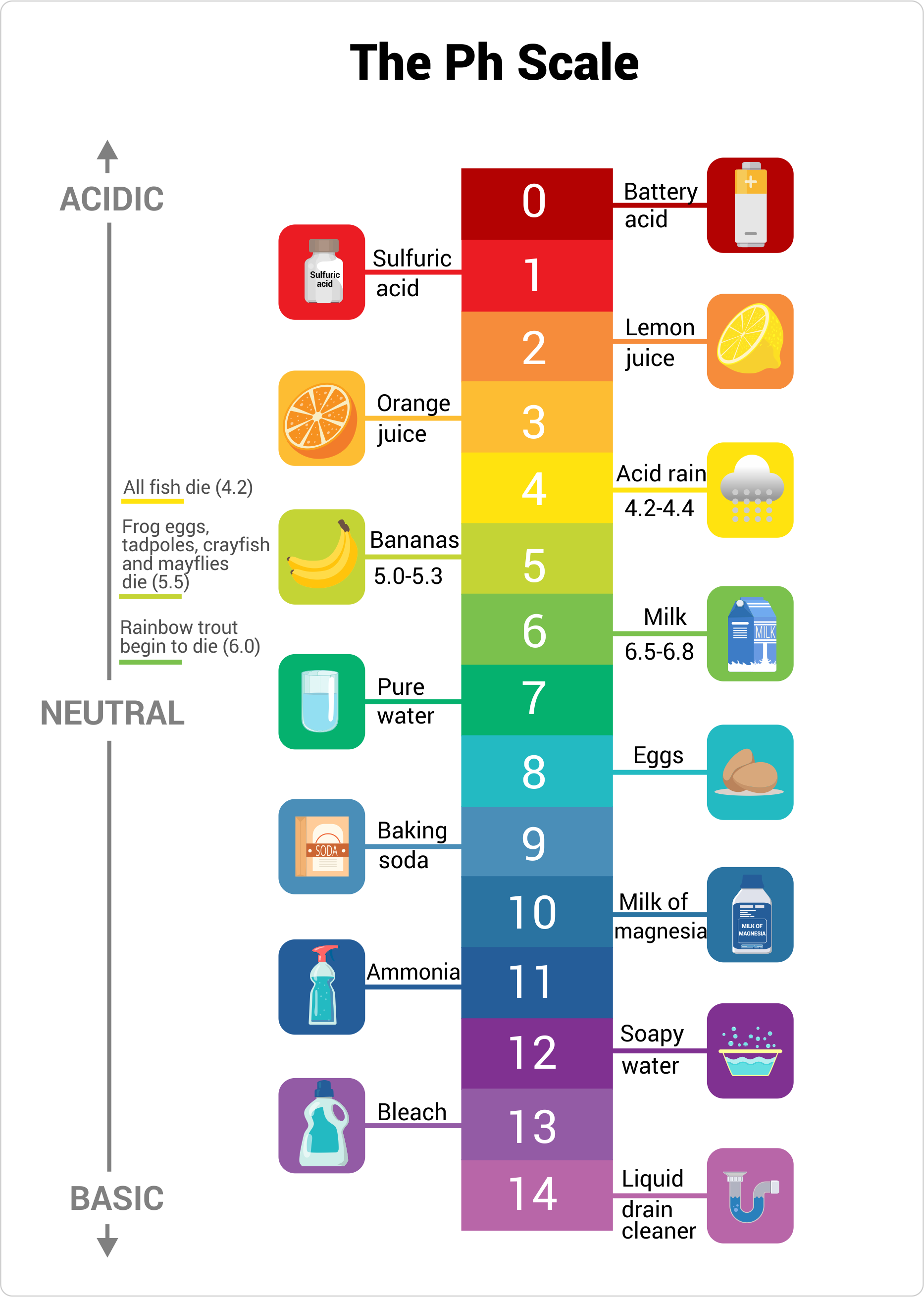
In essence, vinegar is dilute acetic acid, typically produced through the fermentation of ethanol by acetic acid bacteria. The pH scale, ranging from 0 to 14, quantifies acidity and alkalinity. A pH of 7 is neutral, values below 7 indicate acidity, and values above 7 denote alkalinity. Given its acidic nature, vinegar consistently registers a pH below 7. Specifically, most vinegars, such as white distilled vinegar, apple cider vinegar, and balsamic vinegar, fall within a pH range of 2.4 to 3.4. White distilled vinegar, being one of the strongest and most common types, often sits at the lower end of this spectrum, typically around 2.4-2.5. This precise pH range is critical for its efficacy across various uses and is meticulously monitored and controlled using cutting-edge technological solutions.
The Science of pH and Acidity: A Fundamental Overview
Before delving into the technological intricacies, a foundational understanding of pH and acidity is crucial. This scientific bedrock explains why vinegar behaves the way it does and why its pH level is so impactful.
Understanding the pH Scale
The pH scale is a logarithmic scale that measures the concentration of hydrogen ions (H+) in a solution. The “pH” stands for “potential of hydrogen” or “power of hydrogen.” Each whole number decrease in pH represents a tenfold increase in acidity. For example, a solution with a pH of 2 is ten times more acidic than a solution with a pH of 3, and 100 times more acidic than a solution with a pH of 4. This logarithmic nature means even small changes in pH can signify substantial shifts in acidity, demanding precise measurement in industrial and scientific contexts. The scale itself is derived from the negative base-10 logarithm of the molar concentration of hydrogen ions. This mathematical foundation is critical for developing accurate digital pH meters that translate electrochemical signals into readable pH values.
Why Vinegar is Acidic
Vinegar’s acidity primarily stems from acetic acid (CH₃COOH), which is formed during the two-step fermentation process. First, yeast converts sugars into ethanol (alcohol). Then, acetic acid bacteria (Acetobacter species) oxidize the ethanol into acetic acid. Acetic acid is a weak acid, meaning it does not fully dissociate its hydrogen ions in water. However, it still releases enough H+ ions to significantly lower the solution’s pH. The concentration of acetic acid, typically ranging from 4% to 8% by volume in most vinegars, directly correlates with its pH level and, consequently, its perceived sourness and effectiveness in various applications. The presence of other organic acids in smaller quantities, depending on the type of vinegar (e.g., malic acid in apple cider vinegar, tartaric acid in wine vinegar), also contributes to the overall acidity and specific flavor profile.
Technological Advancements in pH Measurement
The journey from rudimentary litmus paper to sophisticated digital pH meters illustrates a profound technological evolution driven by the need for accuracy, speed, and automation in industrial and research settings.
From Litmus to Digital Sensors
Historically, pH was gauged using indicators like litmus paper, which change color in response to acidity or alkalinity. While simple and inexpensive, these methods offer only approximate pH values. The advent of the glass electrode in the early 20th century revolutionized pH measurement. This sensor, a marvel of electrochemical engineering, generates a voltage proportional to the hydrogen ion concentration in the solution. This voltage is then measured by a pH meter. Modern digital pH meters leverage microprocessors to convert these electrical signals into precise pH readings, often with a resolution of 0.01 pH units or even finer. These devices range from portable handheld units for field testing to complex laboratory instruments with auto-calibration features and data logging capabilities, making pH measurement accessible and highly accurate across diverse applications. The integration of advanced materials in electrode construction has also improved durability, stability, and responsiveness, allowing for measurements in challenging environments, such as high temperatures or viscous liquids.
Automated pH Monitoring in Industrial Production
In large-scale vinegar production, consistent pH is paramount for quality control, flavor consistency, and safety. Manual pH testing, while feasible for small batches, is inefficient and prone to human error in industrial settings. This is where automated pH monitoring systems come into play. These systems consist of inline pH probes continuously submerged in fermentation tanks or pipelines, transmitting real-time data to a central control system. Sensors are often paired with sophisticated software that monitors trends, alerts operators to deviations, and can even trigger automatic adjustments to maintain optimal conditions. For instance, if pH levels start to rise, the system might signal the need for more acetic acid bacteria or adjustments in fermentation parameters. This continuous monitoring not only ensures product quality but also optimizes production efficiency and reduces waste, representing a significant technological leap in food manufacturing.
pH Control Technologies in Vinegar Manufacturing
Beyond mere measurement, controlling pH within a narrow range is critical for producing high-quality vinegar. Modern manufacturing relies heavily on advanced technologies to achieve this precision.
Ensuring Quality and Consistency with Tech
Consistent pH directly impacts vinegar’s stability, shelf life, and sensory attributes. Manufacturers utilize various technologies to maintain this consistency. During the fermentation process, temperature, oxygen levels, and nutrient availability are closely controlled, often with the aid of automated environmental control systems. These systems employ sensors for various parameters (temperature, dissolved oxygen, CO2) that feed data into a central processing unit, which then adjusts pumps, valves, and heating/cooling elements to maintain optimal conditions for the acetic acid bacteria. For example, precise oxygen delivery systems ensure that the bacteria efficiently convert ethanol to acetic acid without over-oxidizing it, which could lead to off-flavors or reduced acidity. This tech-driven precision minimizes batch-to-batch variation, ensuring that every bottle of vinegar meets stringent quality standards.
AI and Predictive Analytics for Optimal Fermentation
The future of pH control in vinegar production is increasingly being shaped by artificial intelligence (AI) and predictive analytics. Instead of merely reacting to pH changes, AI-powered systems can analyze vast datasets from past production runs, including fermentation parameters, raw material characteristics, and final product quality. Machine learning algorithms can identify complex correlations and predict how adjustments to initial conditions or ongoing parameters will affect the final pH and overall product characteristics. This allows manufacturers to optimize fermentation processes proactively, preventing pH deviations before they occur. For example, an AI model might predict that a slight increase in initial sugar concentration, combined with a specific temperature profile, will yield a vinegar with a perfect pH of 2.6. Such predictive capabilities not only enhance efficiency and consistency but also open doors for developing new vinegar varieties with precisely tailored acidity profiles.
Practical Applications and User-Facing Tech
The insights gained from understanding vinegar’s pH, often facilitated by technology, extend beyond industrial manufacturing to consumer products and daily life.
Smart Appliances and Food Preservation
In the domestic sphere, smart kitchen appliances and food preservation technologies are beginning to leverage pH knowledge. For instance, some smart food preservation systems or fermentation kits might include integrated pH sensors that guide users through homemade vinegar production or pickling processes, ensuring optimal acidity for safety and flavor. These devices often connect to apps, providing step-by-step instructions, real-time pH readings, and alerts. While not directly measuring vinegar’s pH in a commercial context, these technologies empower home users to apply the principles of pH control for safer and more effective food preparation, thereby extending the shelf life of homemade goods and reducing food waste. The advent of miniature, low-cost pH sensors compatible with IoT devices promises even wider integration into future smart home ecosystems.
DIY pH Testing Kits and Apps
For home users and small-scale producers, readily available pH testing kits and smartphone apps have democratized acidity measurement. Simple paper test strips provide a quick, albeit rough, estimate of pH. More accurate handheld digital pH meters, once exclusive to laboratories, are now affordable and user-friendly, allowing home brewers, gardeners, and culinary enthusiasts to measure the pH of their vinegars, soils, or other solutions with reasonable precision. Furthermore, dedicated mobile applications can often interface with Bluetooth-enabled pH meters, logging data, providing analytical tools, and offering advice based on pH readings. These user-facing technologies empower individuals to experiment, monitor, and optimize their own processes, making the science of pH accessible to a broader audience.
The Future of pH Technology in Food Science
The trajectory of pH technology in food science, including its application to vinegar, is one of increasing sophistication, integration, and intelligence.
Future innovations are likely to focus on even more miniaturized and non-invasive pH sensors, perhaps even edible or biodegradable ones for in-package monitoring of food spoilage. Advanced sensor arrays capable of simultaneously measuring pH alongside other crucial parameters like oxidation-reduction potential (ORP), conductivity, and specific ion concentrations will provide a more holistic view of food quality. The integration of these sensors with advanced robotics and AI in automated food processing plants will lead to unprecedented levels of precision and efficiency. Furthermore, the development of “smart” packaging that changes color or alerts consumers when a product’s pH indicates spoilage will redefine food safety and waste reduction. As our understanding of pH’s role in flavor, preservation, and chemical reactions continues to deepen, the technological tools to measure and control it will only become more sophisticated, ensuring that products like vinegar remain consistently high-quality and safely enjoyed worldwide.
aViewFromTheCave is a participant in the Amazon Services LLC Associates Program, an affiliate advertising program designed to provide a means for sites to earn advertising fees by advertising and linking to Amazon.com. Amazon, the Amazon logo, AmazonSupply, and the AmazonSupply logo are trademarks of Amazon.com, Inc. or its affiliates. As an Amazon Associate we earn affiliate commissions from qualifying purchases.