
The Percy Jackson universe, a vibrant tapestry woven by author Rick Riordan, stands as a testament to the power of compelling storytelling and astute brand development. What began as a series of books for young readers has blossomed into a global phenomenon, encompassing multiple series, spin-offs, graphic novels, and now a major live-action adaptation. For anyone looking to dive into this rich world, or for brand strategists dissecting the success of a sprawling intellectual property (IP), understanding the correct reading order is not merely a matter of chronology; it’s an essential guide to appreciating the meticulous narrative arc, strategic expansion, and sustained audience engagement that defines the Percy Jackson brand.

This article delves into the precise sequence of Percy Jackson books, interpreting it through the lens of brand strategy. We will explore how Riordan and his publishers have masterfully managed this literary brand, expanding its reach and maintaining its integrity by carefully crafting a narrative journey that resonates deeply with its audience. The “order” here isn’t just a list; it’s the blueprint of a successful brand’s evolution.
The Core Brand Pillar: The Camp Half-Blood Chronicles
At the heart of the Percy Jackson brand lies the “Camp Half-Blood Chronicles,” a monumental series that traces the adventures of demigods, heroes born of human and Olympian parentage. This foundational pillar is where the brand’s identity was first forged, establishing its unique blend of ancient mythology and modern-day teenage angst, humor, and heroism. Understanding the progression of these series is crucial for any brand enthusiast studying narrative cohesion and audience loyalty.
Percy Jackson & The Olympians: The Foundational Saga
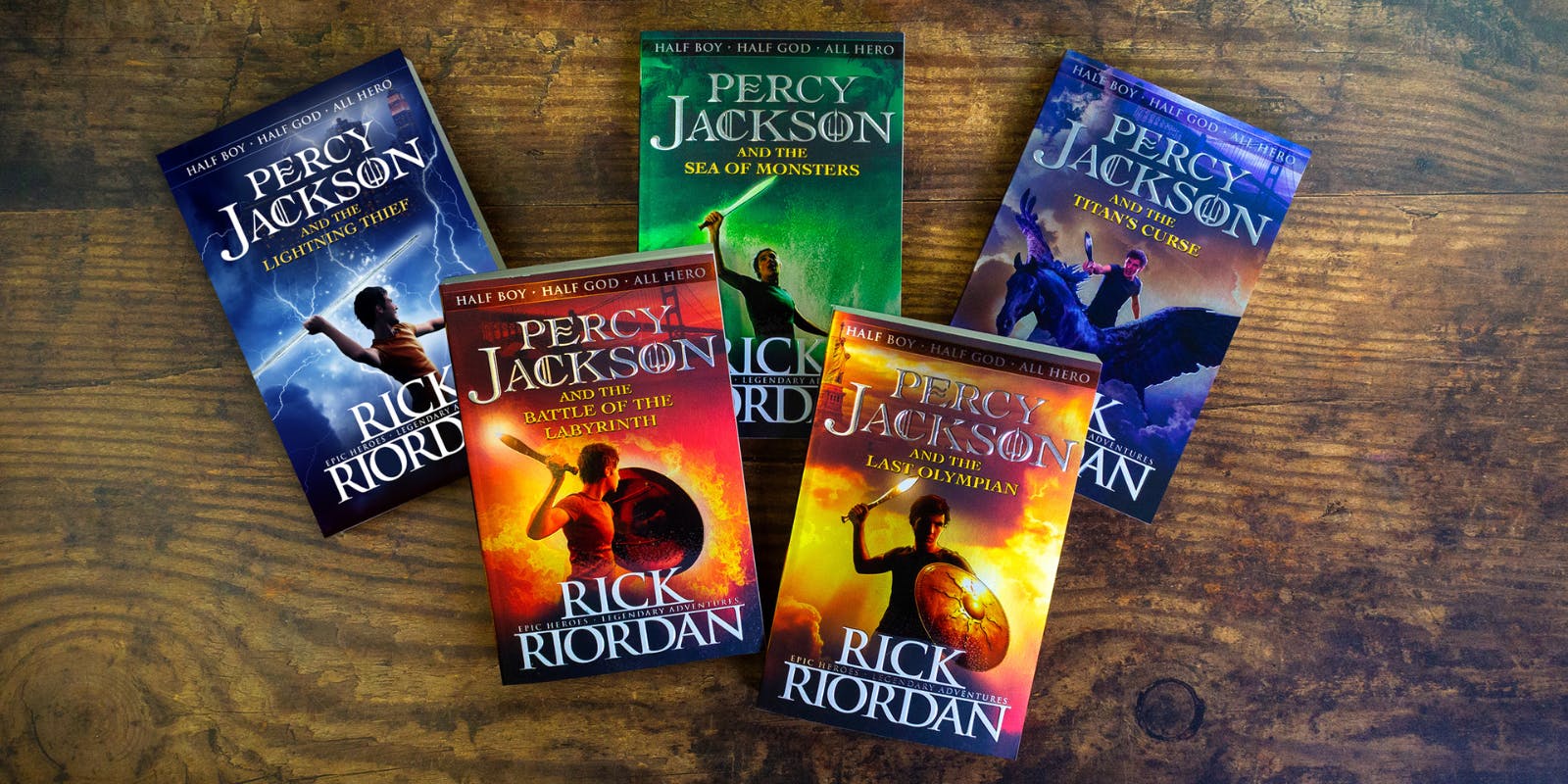
This is where the Percy Jackson brand took root, introducing readers to the titular character, a sarcastic, loyal, and powerful demigod. This five-book series meticulously built the world, established the core mythology, and created a deeply resonant emotional connection with its initial audience. Each book served as a strategic step in character development and world expansion, laying undeniable groundwork for future brand extensions.
- The Lightning Thief (2005): The genesis story. Percy discovers his heritage, finds Camp Half-Blood, and embarks on his first quest. This book set the tone, established the core conflict (modern gods, ancient problems), and introduced a cast of beloved characters who would become synonymous with the brand.
- The Sea of Monsters (2006): Expands the world-building, deepens character relationships, and introduces key mythological figures and locations, reinforcing the brand’s unique blend of education and entertainment.
- The Titan’s Curse (2007): A pivotal moment for character development and plot complexity, showcasing the brand’s ability to tackle more mature themes while retaining its adventurous spirit.
- The Battle of the Labyrinth (2008): Intensifies the overarching conflict, drawing readers deeper into the mythological war brewing, a clear sign of strategic narrative escalation designed to retain audience investment.
- The Last Olympian (2009): The epic conclusion to Percy’s first saga, providing satisfying resolution while leaving doors open for future narrative possibilities—a masterclass in concluding a brand phase while teasing its future.
The Heroes of Olympus: Expanding the Universe and Audience
Following the resounding success of the first series, Rick Riordan strategically expanded the brand with “The Heroes of Olympus.” This series introduced new protagonists, broadened the mythological scope to include Roman deities, and ramped up the stakes significantly. This was a bold, yet carefully calculated, brand extension that leveraged the existing goodwill while attracting new readers and deepening the engagement of existing fans.
- The Lost Hero (2010): Introduced a new trio of protagonists—Jason Grace, Piper McLean, and Leo Valdez—and seamlessly integrated Roman mythology, a strategic move to refresh the brand while maintaining continuity.
- The Son of Neptune (2011): Reunited fans with Percy Jackson in a new context, expertly bridging the gap between the two distinct but connected narrative arcs, a smart brand tactic for retaining core fans.
- The Mark of Athena (2012): Brought together the Greek and Roman demigods, escalating the brand’s scope and delivering on the promise of an epic crossover that fans craved.
- The House of Hades (2013): A darker, more introspective journey, demonstrating the brand’s capacity for emotional depth and character resilience, appealing to a maturing audience.
- The Blood of Olympus (2014): The dramatic culmination of the Greek-Roman conflict, solidifying the expanded universe as a robust and dynamic element of the overall brand.
The Trials of Apollo: Maturing the Brand Narrative
With “The Trials of Apollo,” Riordan took another strategic narrative turn, focusing on the fallen god Apollo as a mortal demigod. This series offered a fresh perspective, allowed for character growth for beloved figures from previous series, and kept the brand relevant for an evolving readership. It showcased the brand’s flexibility and its capacity for self-reflection and humor even in the face of immense challenges.
- The Hidden Oracle (2016): Apollo’s humbling descent to mortality and his reluctant alliance with Percy Jackson set a new, often comedic, but ultimately profound tone for the brand’s next phase.
- The Dark Prophecy (2017): Continues Apollo’s journey of self-discovery, reinforcing themes of humility and responsibility, adding layers to the brand’s moral compass.
- The Burning Maze (2018): A particularly poignant entry, showcasing the brand’s willingness to explore loss and sacrifice, further maturing its emotional landscape.
- The Tyrant’s Tomb (2019): Builds towards the inevitable confrontation, maintaining narrative tension and character development, essential for keeping the brand vibrant.
- The Tower of Nero (2020): The triumphant conclusion, offering redemption and growth, proving the brand’s enduring power to deliver satisfying character arcs and narrative resolution.
- Further Adventures in the Main Timeline:
- The Chalice of the Gods (2023): Set between The Heroes of Olympus and The Trials of Apollo, this recent addition demonstrates the brand’s continued vitality and ability to revisit beloved characters for new adventures, leveraging established brand equity.
- Wrath of the Triple Goddess (2024): The forthcoming sequel continues to expand Percy’s adventures leading up to college, showcasing the brand’s long-term planning and commitment to its core audience.
Beyond the Mainstay: Strategic Brand Spin-offs and Companion Content
A truly successful brand knows how to diversify its offerings without diluting its core identity. The Percy Jackson universe has excelled at this, introducing new mythological pantheons and supplementary materials that broaden its appeal and deepen fan immersion. This strategy is vital for sustaining brand longevity and attracting diverse segments of the market.
The Kane Chronicles & Magnus Chase: Diversifying the Mythology Brand
These series represent a strategic diversification of the “Riordan Presents” brand, exploring Egyptian and Norse mythologies respectively. While distinct, they maintain the author’s signature blend of humor, adventure, and educational elements, demonstrating expert brand portfolio management.
- The Kane Chronicles (Egyptian Mythology):
- The Red Pyramid (2010)
- The Throne of Fire (2011)
- The Serpent’s Shadow (2012)
- Magnus Chase and the Gods of Asgard (Norse Mythology):
- The Sword of Summer (2015)
- The Hammer of Thor (2016)
- The Ship of the Dead (2017)
These series often feature subtle crossovers or references, creating an overarching “Rick Riordan Universe” that enhances the overall brand experience without requiring readers to engage with every single series. It’s a masterful approach to cross-promotion and brand ecosystem building.
Companion Books, Graphic Novels, and Short Stories: Enhancing Brand Immersion
Beyond the main narratives, the Percy Jackson brand has fostered deeper engagement through a wealth of supplementary materials. These additions serve as invaluable tools for enhancing brand immersion, offering additional lore, character insights, and extending the storytelling experience.
- The Demigod Files (2009): A collection of short stories, interviews, and puzzles that provides supplementary content, enriching the main narrative.
- The Demigod Diaries (2012): Similar to The Demigod Files, offering more short stories and insights, strategically filling gaps between main series.
- Percy Jackson’s Greek Gods (2014) & Percy Jackson’s Greek Heroes (2015): Educational yet entertaining guides to the mythology, reinforcing the brand’s unique blend of learning and fun.
- Graphic Novels: Adaptations of the main series into graphic novel format, appealing to visual learners and a different segment of the market, effectively expanding the brand’s reach and accessibility.
- Crossover Stories: Short stories featuring characters from different mythological worlds (e.g., Percy Jackson and the Kane Chronicles characters meeting), expertly demonstrating brand synergy and fan service.
These companion pieces are crucial for fostering a vibrant fan community and ensuring continuous engagement, a hallmark of a robust and well-managed brand.
The Strategic Importance of Narrative Order in Brand Building
For a brand built on intricate world-building and evolving character arcs, the reading order is not just a suggestion; it’s a strategic imperative. It underpins the entire brand experience, influencing everything from reader satisfaction to long-term loyalty.
Consistency and Cohesion: The Pillars of Brand Trust
Reading the Percy Jackson books in their intended order ensures a consistent and coherent narrative experience. This consistency is paramount for building brand trust. Readers come to expect a certain level of narrative integrity, and following the established order guarantees that plot developments, character transformations, and world-building elements unfold logically. Any deviation can lead to confusion, diminish the impact of key moments, and ultimately erode the reader’s trust in the brand’s storytelling prowess. A confused consumer is a disengaged consumer; a clear narrative path builds loyalty.
Sustaining Engagement and Fan Loyalty
The carefully planned narrative order of the Percy Jackson series is a critical factor in sustaining fan engagement. Each book builds on the last, creating anticipation for the next installment and fostering a sense of shared journey among readers. This cumulative experience encourages fan discussion, theory crafting, and participation in the wider community, all of which are vital for a vibrant brand. Loyal fans, armed with a complete understanding of the storyline, become powerful brand advocates, driving word-of-mouth marketing and welcoming new readers into the fold.
Guiding the Consumer Journey Through a Complex IP
Think of the reading order as a strategic customer journey map for a complex IP. For new readers, it provides a clear entry point and a structured path through the brand’s offerings, preventing overwhelm. For established fans, it reinforces their understanding of the brand’s evolution and celebrates the growth of its characters and world. This guided journey ensures that every consumer, regardless of their entry point, can fully appreciate the depth and breadth of the Percy Jackson universe, maximizing their lifetime value as a brand devotee.
Percy Jackson as a Multi-Platform Brand: From Page to Screen
The Percy Jackson brand’s journey from a series of beloved books to a multi-platform entertainment franchise further highlights the critical role of narrative order. Adapting such a rich IP requires immense strategic foresight to maintain brand continuity and satisfy an ardent fanbase.
Adapting the Narrative: Challenges and Opportunities for Brand Continuity
The previous cinematic adaptations of Percy Jackson faced criticism partly because they diverged significantly from the books’ established narrative order and character portrayals, demonstrating how crucial fidelity to the source brand’s core elements is. The highly anticipated Disney+ series, “Percy Jackson and the Olympians,” represents a renewed commitment to the original brand vision. By closely adhering to the book order and narrative details, the series aims to deliver a consistent brand experience across media, fostering trust and excitement among fans. This adaptation strategy is a direct response to fan demand for brand authenticity.

The Future of the Brand: Strategic Storytelling and Expansion
The ongoing success of Percy Jackson, evidenced by new book releases like The Chalice of the Gods and the Disney+ series, underscores the enduring power of its brand. Rick Riordan and his collaborators continue to strategically expand the universe, introducing new characters, exploring different mythological pantheons, and deepening existing lore. Each new addition is carefully positioned within the overarching narrative, ensuring that the brand remains fresh and engaging without betraying its foundational principles. The future of the Percy Jackson brand is a testament to the continuous strategic storytelling that keeps its audience invested for decades.
In conclusion, understanding “what is the order of Percy Jackson books” transcends a simple list. It is an exploration of a brilliantly managed brand, a case study in how consistent narrative, strategic expansion, and deep audience engagement can transform a series of stories into a lasting cultural phenomenon. For anyone studying brand strategy, the Percy Jackson universe offers invaluable lessons in building, maintaining, and evolving a beloved intellectual property. Its order is not just a roadmap for reading; it’s a blueprint for enduring brand success.
aViewFromTheCave is a participant in the Amazon Services LLC Associates Program, an affiliate advertising program designed to provide a means for sites to earn advertising fees by advertising and linking to Amazon.com. Amazon, the Amazon logo, AmazonSupply, and the AmazonSupply logo are trademarks of Amazon.com, Inc. or its affiliates. As an Amazon Associate we earn affiliate commissions from qualifying purchases.