
At first glance, the question “what’s the difference between soup and chowder” might seem like a purely culinary inquiry, a debate for the kitchen or the gourmand. However, in the dynamic world of consumer goods and hospitality, this distinction transcends mere ingredients and preparation methods. For brands, understanding the nuanced differences between soup and chowder is not just about recipe development; it’s a critical exercise in market segmentation, strategic positioning, and cultivating distinct brand identities that resonate with specific consumer desires. This article delves into how brands leverage, accentuate, and even invent these differences to carve out unique spaces in the competitive food landscape, shaping everything from product development and packaging to marketing narratives and pricing strategies.

The Culinary Foundation as a Branding Tool
While the focus here is on branding, it’s impossible to discuss the strategic differentiation without acknowledging the culinary bedrock upon which these brands are built. The fundamental characteristics of soup and chowder provide the raw material for brand narratives, allowing companies to tap into established consumer expectations and create new ones.
Ingredients and Texture: Crafting Brand Expectations
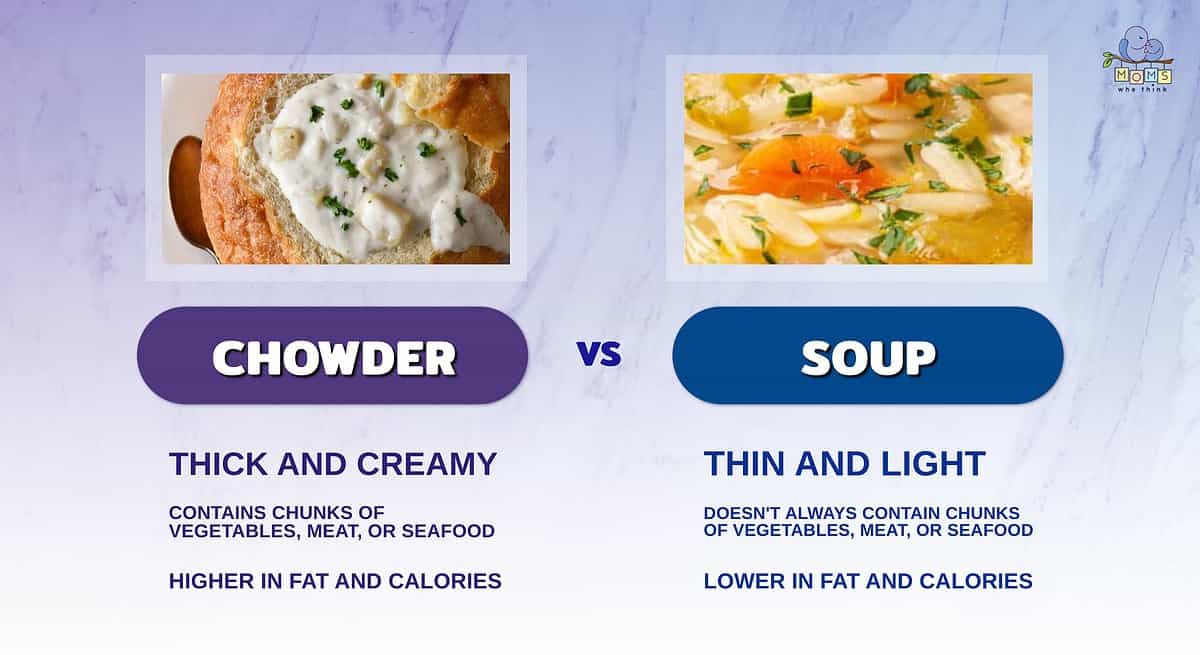
From a culinary standpoint, the primary distinctions often revolve around ingredients and texture. Soups are generally defined by a liquid base—broth, stock, or water—into which various ingredients like vegetables, meats, and grains are added. They can range from thin and clear consommés to thick and creamy purees, often with a consistent texture throughout. Chowders, on the other hand, traditionally feature a thicker, heartier base, almost invariably dairy-based (milk, cream, or both), and are characterized by chunky ingredients, particularly potatoes and some form of seafood (clams, fish) or corn. The consistency is less homogenous, with a deliberate emphasis on substantial, chewable components.
For brands, these culinary distinctions translate directly into brand attributes. A brand positioning a “light, refreshing soup” capitalizes on the clarity and lower viscosity, targeting health-conscious consumers or those seeking a lighter meal. Think of premium organic broth brands emphasizing purity and natural ingredients, or functional soup brands highlighting nutrient density in a smooth, easy-to-digest format. Conversely, a “hearty, satisfying chowder” brand leans into the richness, chunkiness, and indulgent qualities, appealing to consumers looking for comfort, warmth, and a more substantial dining experience. Brands like Campbell’s Chunky soups (though not always chowder, they borrow from the chowder aesthetic) or artisan seafood chowder producers emphasize the “meal in a bowl” aspect, celebrating generous portions and robust flavors. The textural contrast—smooth vs. chunky, light vs. dense—becomes a key visual and experiential cue that informs brand messaging and packaging design, dictating whether a brand evokes elegance and refinement or rustic comfort and tradition.
Regionality and Heritage: Building Brand Authenticity
Both soups and chowders boast rich histories and strong regional ties, which brands masterfully leverage to build authenticity and unique selling propositions. Iconic soups like French onion, Italian minestrone, Vietnamese pho, or Japanese ramen carry with them stories of origin, cultural significance, and specific preparation rituals. Brands producing these soups can tap into this global heritage, using evocative language, traditional recipes, and imagery that transports the consumer to the dish’s birthplace. This strategy allows brands to command premium prices by associating their product with an authentic cultural experience, often implying a commitment to traditional craftsmanship and ingredients.
Chowders, too, have profound regional roots, most notably in New England, where clam chowder reigns supreme. The “New England” designation itself has become a powerful brand descriptor, signaling a specific style, creamy base, and expected quality. Other regional variations, such as Manhattan clam chowder (tomato-based) or corn chowder, also offer distinct branding opportunities. For a brand, associating with a specific region isn’t just about geography; it’s about inheriting a legacy of taste, technique, and consumer expectation. A restaurant might brand its “Cape Cod Clam Chowder” to evoke seaside charm and fresh seafood, while a packaged food brand might highlight “authentic New England recipe” to convey tradition and quality. This strategic use of heritage allows brands to differentiate themselves in a crowded market, creating a sense of history and belonging around their product.
Strategic Branding: Soup as a Category, Chowder as a Niche
Beyond their culinary differences, soup and chowder occupy distinct positions within the broader food market, requiring divergent branding strategies. Brands must consciously decide whether to position their offerings as part of a versatile, widely appealing category or a more specialized, indulgent niche.
Broad Appeal vs. Niche Delights: Marketing Frameworks
Soup, as a category, enjoys immense versatility and broad appeal. It can be a starter, a main course, a side dish, or a light snack. It can be hot or cold, savory or sweet (though less common for commercial branding). This versatility allows soup brands to target a wide demographic with varied needs—from busy professionals seeking a quick meal to families looking for a comforting dinner. Marketing for soup often emphasizes convenience, health benefits, dietary inclusivity (vegetarian, vegan, gluten-free options), and everyday affordability. Brands like Progresso or Amy’s Kitchen offer extensive soup lines, catering to diverse tastes and dietary requirements, positioning soup as a staple that fits into almost any lifestyle or meal occasion. Their branding often focuses on breadth of choice, quality ingredients, and the convenience of a ready-to-eat meal.
Chowder, by contrast, often occupies a more specialized, indulgent niche. Its hearty, creamy nature and typical inclusion of seafood or substantial vegetables position it less as an everyday item and more as a comforting treat, a hearty lunch, or a special dinner component. Brands selling chowder often focus their marketing on indulgence, richness, and the satisfaction of a robust meal. They might target consumers looking for a “comfort food” experience, a premium seafood option, or a taste of specific regional cuisine. The marketing language tends to be more evocative, emphasizing creamy textures, fresh ingredients, and the feeling of warmth and satiety. This niche positioning allows chowder brands to often command higher price points, as consumers are willing to pay more for a perceived special experience or higher-quality ingredients associated with the indulgence factor.
Packaging and Visual Identity: Communicating Brand Value
The choice between soup and chowder profoundly influences packaging and visual identity, which are critical components of brand communication. For mass-market soups, packaging often prioritizes visibility, shelf appeal, and clear communication of flavors and benefits. Brands might use vibrant colors, appealing food photography, and prominent dietary labels (e.g., “low sodium,” “organic”). The design might aim for a clean, modern aesthetic or a rustic, wholesome feel, depending on the target demographic. The packaging needs to convey versatility and ease of use, often featuring microwave-safe containers or resealable cartons.

Chowder packaging, especially for premium or artisan brands, often leans into a more rustic, high-quality aesthetic. Darker colors, sophisticated typography, and imagery of fresh, whole ingredients (like plump clams or chunky potatoes) are common. Glass jars might be preferred over cans to showcase the product’s texture and ingredients, implying a higher quality and artisanal preparation. The visual identity of a chowder brand might also feature elements that evoke its regional origins—a lighthouse for New England clam chowder, or corn stalks for corn chowder—to reinforce authenticity and tradition. For restaurant brands, the presentation of chowder in a bread bowl or a classic ceramic crock further enhances its indulgent, distinctive brand image, distinguishing it from the more everyday perception of soup.
Consumer Perception and Brand Loyalty
The fundamental differences between soup and chowder are not just about what’s in the bowl, but how consumers perceive these differences and how those perceptions influence brand loyalty. Brands that successfully align their product with desired consumer perceptions build stronger, more resilient relationships with their audience.
Emotional Connection: Comfort vs. Indulgence
Soup, in its myriad forms, often evokes feelings of comfort, warmth, and even wellness. A bowl of chicken noodle soup is synonymous with solace during illness, while a vegetable soup might be associated with healthy eating and vitality. Brands leverage these powerful emotional connections to position their soup products. Marketing campaigns for soup frequently use imagery of family gatherings, cozy evenings, or moments of self-care. The brand promise is often one of nurturing, health, and a return to basics. This widespread emotional appeal allows soup brands to build broad loyalty based on reliability and familiarity, becoming a trusted go-to for various life moments.
Chowder, with its inherent richness and heartiness, tends to tap into emotions of indulgence, satisfaction, and perhaps a touch of celebratory feeling. It’s often viewed as a more substantial, satisfying meal, a treat rather than an everyday staple. Brands selling chowder lean into this indulgence, highlighting the luxurious creaminess, the abundance of ingredients, and the deep, satisfying flavors. The marketing might feature people enjoying a robust meal after an outdoor adventure, a special occasion, or simply savoring a rich culinary experience. For chowder brands, loyalty is often built around delivering a consistently high-quality, gratifying experience that fulfills a craving for something rich and fulfilling. This distinct emotional positioning helps brands connect with consumers on a deeper level, fostering preference and repeat purchases for both categories.
Price Point and Perceived Value: Premium Positioning
The distinct branding around soup and chowder also influences price points and perceived value. Due to its broad appeal and manufacturing scalability, many soup products are positioned for affordability and everyday consumption. While premium organic or gourmet soups exist, the soup aisle is generally characterized by a wide range of price points, with many brands competing on value and volume. Brands might offer larger containers, multi-packs, or frequent promotions to capture a wider market share, appealing to budget-conscious consumers while still conveying quality.
Chowder, particularly clam chowder, often carries a higher perceived value, allowing brands to implement a premium pricing strategy. This is partly due to the cost of key ingredients (especially fresh seafood) and the perception of a more elaborate, labor-intensive preparation. Artisan chowder brands, or those from renowned restaurants, can command significantly higher prices because consumers associate chowder with a more special, indulgent experience. The branding emphasizes quality ingredients, traditional methods, and often, a smaller batch production, all of which justify a higher cost. This premium positioning reinforces the idea that chowder is not just food, but an experience, a treat worth paying extra for.
Brand Extension and Innovation in the Soup/Chowder Space
The clear distinctions between soup and chowder provide fertile ground for brand extension and innovation. Understanding these differences allows brands to strategically expand their product lines, leverage their core identities, and engage consumers through modern marketing channels.
Diversifying Product Lines: Leveraging Core Identities
For established food brands, the soup and chowder categories offer natural avenues for product line diversification. A brand known for its classic chicken noodle soup might extend its line to include a robust lentil soup, a light tomato bisque, or even a chilled gazpacho, all while maintaining its core identity as a reliable provider of comforting meals. This diversification caters to different consumer preferences, dietary needs, and seasonal demands, maximizing market reach under a single brand umbrella.
Conversely, a brand specializing in a particular chowder might explore variations on its theme—perhaps a lobster bisque, a corn and bacon chowder, or a vegetarian “chowder” alternative using root vegetables. While straying too far might dilute the brand, carefully curated extensions reinforce the brand’s expertise in hearty, flavorful, and often dairy-based preparations. For instance, a seafood restaurant renowned for its clam chowder might launch a line of frozen chowders or offer a “chowder kit” to allow customers to recreate the experience at home, leveraging its established reputation. The key is to expand in a way that remains authentic to the brand’s core identity, whether that identity is “versatile comfort” (soup) or “indulgent heartiness” (chowder).
Digital Marketing and Storytelling: Engaging the Modern Palate
In the digital age, the branding narratives around soup and chowder have evolved to embrace storytelling and interactive engagement. Digital marketing campaigns leverage the distinct attributes of each category to connect with consumers. Soup brands might use social media to share quick, healthy meal prep ideas featuring their products, highlight user-generated content of cozy soup moments, or run campaigns focusing on comfort and wellness. They might partner with health and wellness influencers to showcase the nutritional benefits or versatility of their soups.
Chowder brands, particularly those targeting a premium market, can utilize digital platforms for rich storytelling. This might include videos showcasing the journey from ocean to bowl, interviews with local fishermen, behind-the-scenes glimpses of traditional preparation, or evocative photography that highlights the texture and richness of the product. Recipes for chowder variations, wine pairings, or tips for hosting a seafood boil can create a more immersive brand experience. By crafting compelling narratives and engaging content tailored to the distinct identity of soup versus chowder, brands can build stronger online communities, enhance brand loyalty, and ultimately drive sales in a highly competitive digital landscape.
In conclusion, the apparent simplicity of distinguishing between soup and chowder belies a profound strategic importance for brands. Far from being a mere culinary classification, the differences between these two beloved dishes offer a rich tapestry for market segmentation, product positioning, and the cultivation of distinct brand identities. By understanding the culinary foundations, leveraging regional heritage, crafting appropriate marketing frameworks, and designing evocative visual identities, brands can effectively navigate consumer perceptions. Whether positioning a product for broad comfort and everyday value or for niche indulgence and premium experience, the savvy brand recognizes that the difference between soup and chowder is not just about what’s in the bowl, but the entire ecosystem of emotions, expectations, and experiences it delivers to the consumer.
aViewFromTheCave is a participant in the Amazon Services LLC Associates Program, an affiliate advertising program designed to provide a means for sites to earn advertising fees by advertising and linking to Amazon.com. Amazon, the Amazon logo, AmazonSupply, and the AmazonSupply logo are trademarks of Amazon.com, Inc. or its affiliates. As an Amazon Associate we earn affiliate commissions from qualifying purchases.