
In the contemporary financial landscape, the personal loan has evolved into one of the most versatile tools in a consumer’s arsenal. Whether you are looking to consolidate high-interest credit card debt, finance a necessary home renovation, or cover an unexpected medical expense, knowing exactly where to source your funding can save you thousands of dollars in interest and fees.
The “where” of personal lending is no longer limited to the marble lobby of a local bank. Today, the market is a sophisticated ecosystem of traditional institutions, member-owned cooperatives, and lightning-fast FinTech disruptors. Selecting the right venue for your loan requires an understanding of how these lenders differ in terms of technology, eligibility requirements, and cost structures. This guide explores the primary avenues for securing a personal loan and provides the strategic insight needed to make an informed financial decision.
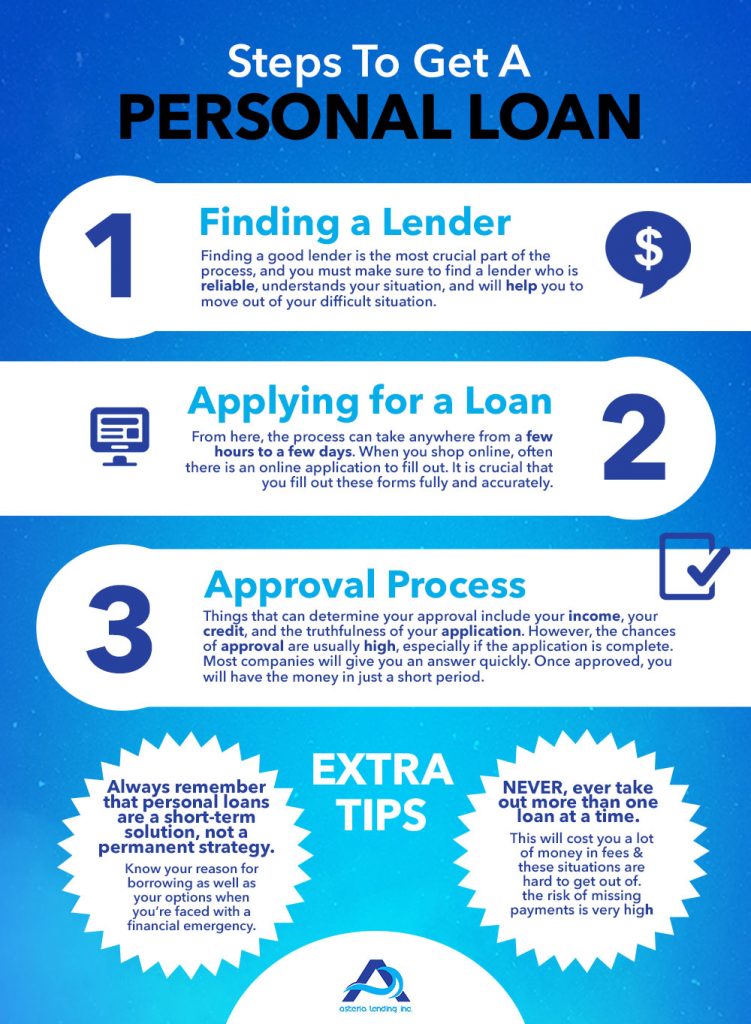
1. Traditional Banking Institutions: The Foundations of Finance
For many, the first instinct when seeking a loan is to visit a traditional commercial bank. These institutions, ranging from global entities to local community banks, remain a powerhouse in the personal lending space. They offer a sense of security and a physical presence that many borrowers still value.
National and Multi-National Banks
Large-scale banks offer the advantage of high-tech mobile apps, extensive branch networks, and a wide array of financial products. If you already have a checking or savings account with a major bank, you may benefit from “relationship pricing”—a discount on your loan’s interest rate based on your existing loyalty. However, national banks often have the most stringent credit requirements. They typically favor “prime” borrowers with high credit scores and stable, verifiable income.
Community Banks
Community banks operate on a smaller scale and often focus on local economic development. While their technology might not be as sleek as a global bank’s, their underwriting process can be more holistic. A community banker might look beyond just a credit score, considering your history within the local area and your overall character. This can be a significant advantage for individuals who have a strong local reputation but perhaps a slightly “thin” credit file.
The Trade-off of Traditional Banking
The primary drawback of traditional banks is the speed of funding and the rigidity of their models. The application process often involves significant paperwork and may take several days—or even a week—to reach a final decision. Furthermore, if your credit score falls into the “fair” or “poor” category, traditional banks are more likely to issue an outright denial compared to more modern alternatives.
2. Credit Unions: The Member-Centric Alternative
Credit unions are not-for-profit cooperatives owned by their members. This fundamental difference in corporate structure translates directly into financial benefits for the borrower. Because they do not have to answer to external shareholders, credit unions often return their “profits” to members in the form of lower interest rates and reduced fees.
Lower Interest Rate Ceilings
By federal law, federal credit unions have a cap on the maximum interest rate they can charge on most loans. This makes them an exceptionally attractive option during periods of high inflation or rising interest rates. Even for borrowers with average credit, a credit union is likely to offer a more competitive Annual Percentage Rate (Rate (APR) than a profit-driven commercial bank.
Personalized Underwriting
Credit unions are known for their “human” approach to lending. Because they serve specific communities—such as employees of a certain company, members of a church, or residents of a specific county—they are often willing to work with borrowers to understand the context behind a financial setback. If you have a low credit score due to a specific life event (like a medical emergency) but can demonstrate current financial stability, a credit union is one of your best bets for approval.
Membership Requirements
The only hurdle with a credit union is the requirement to join. While some have strict eligibility criteria, many have expanded their charters to allow almost anyone to join by making a small donation to an associated non-profit or by living within a broad geographic area. Once you are a member, you gain access to a suite of financial tools that often outperform those offered by traditional banks.
3. Online Lenders and FinTech Platforms
The rise of Financial Technology (FinTech) has revolutionized the personal loan industry. Online lenders operate without the overhead of physical branches, allowing them to pass savings to consumers and invest heavily in user experience and algorithmic underwriting.
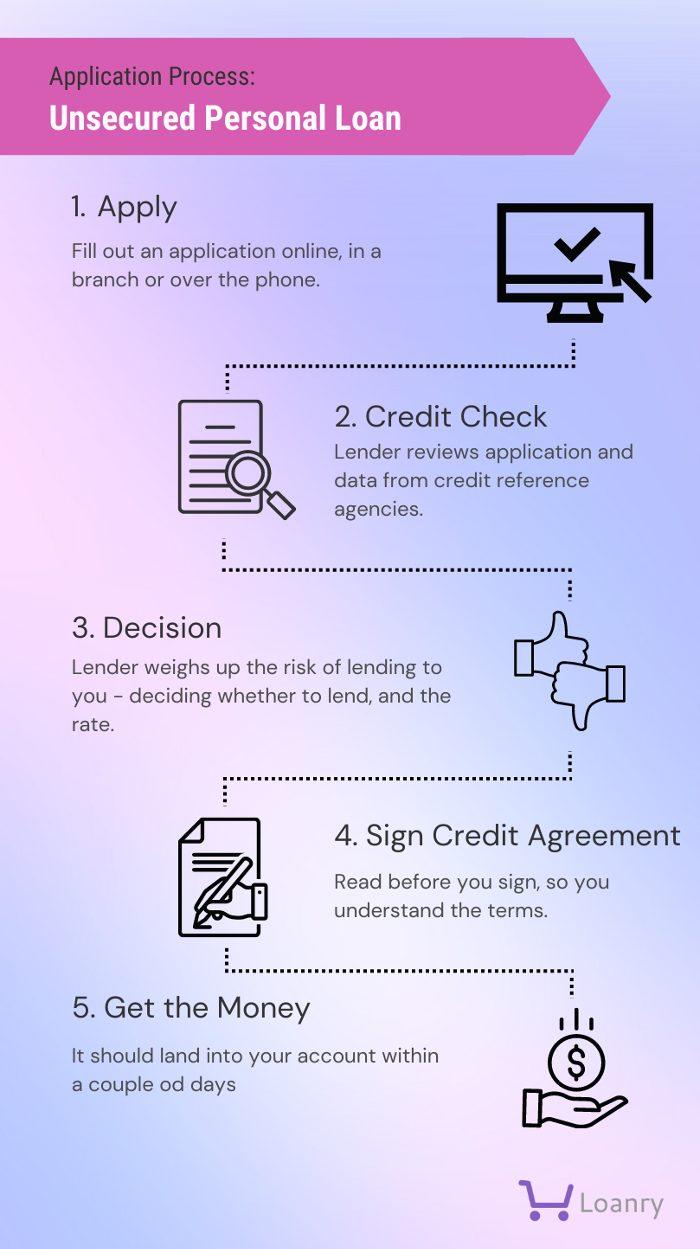
Direct Online Lenders
Companies like SoFi, Marcus, and LightStream have become household names by offering a completely digital experience. These lenders excel in speed; it is not uncommon to apply, receive an approval, and have funds deposited into your account within 24 to 48 hours. They often cater to specific niches—for example, some focus on high-earners with great credit, while others specialize in debt consolidation for the middle class.
Peer-to-Peer (P2P) Lending
P2P platforms act as intermediaries that connect individual investors with individual borrowers. Instead of borrowing from a bank, you are essentially borrowing from a group of people who are looking to earn a better return on their cash than a savings account provides. While the P2P market has shifted toward institutional funding recently, the core model remains: a highly transparent, data-driven process that can be more flexible than a bank.
Loan Aggregators and Comparison Tools
If you are unsure where to start, loan aggregators are invaluable. These platforms do not lend money themselves; instead, they allow you to enter your financial information once and receive “pre-qualification” offers from dozens of different lenders. This is a critical step in the “Money” niche because it allows for “soft credit pulls,” which do not damage your credit score, enabling you to shop for the lowest APR without penalty.
4. Understanding the Cost of Capital: Rates, Fees, and Terms
Identifying where to get a loan is only half the battle; the other half is understanding the financial implications of the contract you sign. A personal loan is a commitment that can last anywhere from 24 to 84 months, and the total cost of borrowing is determined by several key factors.
APR vs. Interest Rate
When comparing lenders, always look at the Annual Percentage Rate (APR) rather than just the interest rate. The APR includes both the interest and any mandatory fees, such as origination fees. An online lender might offer a 7% interest rate, but if they charge a 5% origination fee, your actual cost of borrowing (the APR) will be significantly higher. Always use the APR as your “apples-to-apples” metric for comparison.
Fixed vs. Variable Rates
Most personal loans offer fixed interest rates, meaning your monthly payment will remain identical for the life of the loan. This provides stability and makes budgeting easier. Some lenders, however, offer variable rates that fluctuate based on the prime rate. While variable rates might start lower, they carry the risk of increasing over time, potentially making the loan much more expensive if the economy shifts.
The Impact of Loan Term
The length of your loan significantly impacts your financial health. A longer term (e.g., 60 months) will result in a lower monthly payment, which helps with cash flow. However, it also means you will pay more in total interest over the life of the loan. Conversely, a shorter term (e.g., 24 months) will have higher monthly payments but will minimize the total “cost of money.” In the world of personal finance, the goal is typically to choose the shortest term you can comfortably afford.
5. Strategic Preparation for Loan Approval
Before you apply to any of the sources mentioned above, you must position yourself as an ideal candidate. Lenders are in the business of assessing risk, and the less risky you appear, the lower your interest rate will be.
Audit Your Credit Profile
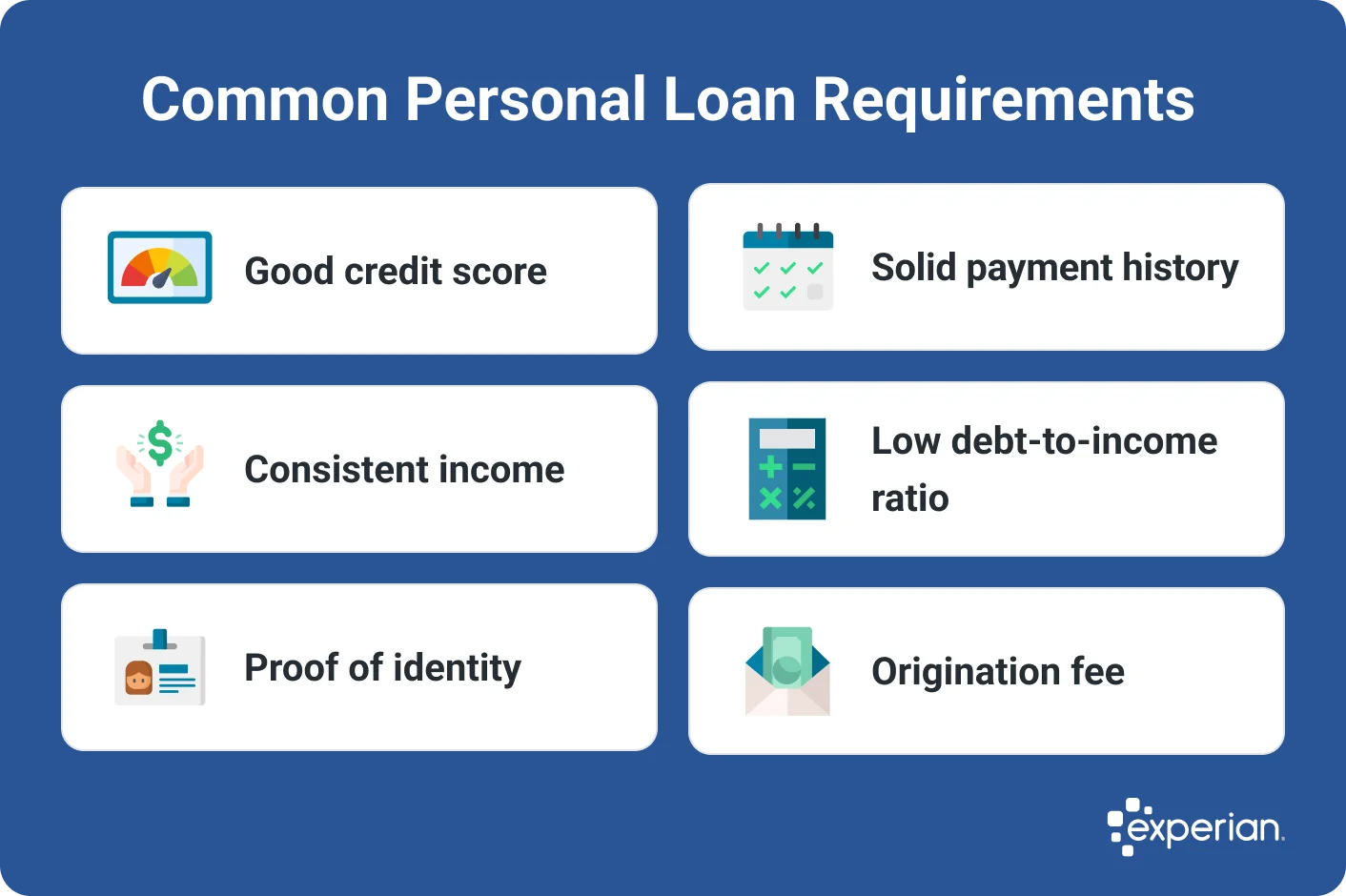
Your credit score is the single most important factor in determining your loan terms. Before applying, download your credit report and check for errors. Disputing a single inaccurate “late payment” can boost your score by dozens of points, potentially moving you from a “Silver” tier to a “Gold” tier lender and saving you thousands in interest.
Calculate Your Debt-to-Income (DTI) Ratio
Lenders look at your DTI to ensure you aren’t overextended. This is calculated by dividing your total monthly debt payments by your gross monthly income. Most lenders prefer a DTI below 36%, although some will go up to 43% or 50% for high-income earners. If your DTI is high, consider paying down a small credit card balance before applying for a larger personal loan.
The Power of Pre-Qualification
Modern lending allows you to “test the waters.” Utilize the pre-qualification tools offered by online lenders and aggregators. This gives you a realistic view of the rates you can expect without a “hard inquiry” hitting your credit report. Once you have 3 to 4 pre-qualification offers, you can strategically select the one with the lowest APR and best terms to move forward with a full application.
Conclusion
Securing a personal loan is a significant financial move that requires a blend of market knowledge and self-assessment. Whether you opt for the reliability of a national bank, the community-focused benefits of a credit union, or the technological efficiency of an online lender, the goal remains the same: to access capital at the lowest possible cost. By understanding the nuances of different lending institutions and preparing your financial profile beforehand, you turn the borrowing process from a stressful necessity into a calculated step toward your broader financial goals. Always remember that the best loan is not just the one that says “yes,” but the one that fits seamlessly into your long-term wealth-building strategy.
aViewFromTheCave is a participant in the Amazon Services LLC Associates Program, an affiliate advertising program designed to provide a means for sites to earn advertising fees by advertising and linking to Amazon.com. Amazon, the Amazon logo, AmazonSupply, and the AmazonSupply logo are trademarks of Amazon.com, Inc. or its affiliates. As an Amazon Associate we earn affiliate commissions from qualifying purchases.