
The phrase “mid-century” conjures a distinct aesthetic and set of cultural values, immediately recognized across industries from architecture and furniture to fashion and graphic design. For brand strategists, marketers, and designers, understanding precisely what years constitute this influential period is not merely an academic exercise; it’s a critical foundation for crafting authentic, resonant, and impactful brand identities. The mid-century era is more than just a chronological marker; it represents a unique confluence of post-war optimism, technological advancement, and a revolutionary approach to design that continues to inspire and inform contemporary branding efforts. By pinpointing the chronological boundaries and socio-cultural essence of “mid-century,” brands can effectively tap into its enduring appeal, leveraging its design principles, innovative spirit, and inherent sophistication to forge powerful connections with their target audiences. This exploration delves into the definitive years of the mid-century, examining its pervasive influence on brand strategy, visual identity, and marketing communications, illustrating why this particular slice of history remains a potent force in the world of branding.

Pinpointing “Mid-Century”: Historical Definitions and Cultural Nuances
Defining “mid-century” isn’t as simple as drawing a line through the middle of the 20th century. While the term intrinsically points to the middle of a hundred-year span, its commonly accepted usage, particularly in design and cultural contexts, refers to a more specific and influential period. This period is characterized by distinct societal shifts, technological breakthroughs, and a unique creative output that collectively shaped a recognizable aesthetic and philosophical outlook, which brands continue to reference.
The Conventional Chronology: 1945 to 1969
Most experts and cultural historians agree that the “mid-century” period, especially when discussing “Mid-Century Modern” design, roughly spans from the end of World War II in 1945 to the late 1960s, often cited as 1969. This timeframe encompasses the immediate post-war boom, the Space Age, and the initial years of the counter-culture movement, before the distinct shift towards the more psychedelic and eclectic styles of the 1970s. This quarter-century window saw a dramatic evolution in consumerism, domestic life, and corporate identity, profoundly impacting how brands presented themselves to a rapidly expanding and increasingly sophisticated market. For branding, understanding this temporal bracket is crucial, as it defines the historical backdrop against which specific design trends, advertising methodologies, and brand narratives emerged and thrived. Brands looking to evoke a “mid-century” feel must operate within this chronological understanding to ensure historical accuracy and audience recognition.
Beyond Dates: The Socio-Cultural Context and Post-War Spirit
While the years 1945-1969 provide the essential framework, the true essence of the mid-century lies in its socio-cultural context. The end of WWII ushered in an era of unprecedented optimism, economic growth, and a desire for progress and rebuilding. There was a collective aspiration for a better future, characterized by technological advancement, efficiency, and a newfound appreciation for comfortable, modern living. This spirit permeated all aspects of society, including brand development. Brands from this era often embodied qualities like reliability, innovation, family values, and a sense of forward momentum. For brand strategists, understanding this underlying ethos is as important as knowing the dates. A brand aiming for a mid-century appeal isn’t just adopting a visual style; it’s tapping into a narrative of progress, hope, and the democratization of good design that defined the era.
The Influence of Design Movements: From Streamline to Space Age
Within this period, several design movements flourished, each contributing to the multifaceted mid-century aesthetic. Early mid-century saw remnants of Streamline Moderne, emphasizing sleek lines and aerodynamic forms, evolving into the more organic and sculptural shapes characteristic of the 1950s. Designers like Charles and Ray Eames, Eero Saarinen, and George Nelson pioneered furniture and product designs that blended functionality with aesthetic appeal, often utilizing new materials like molded plywood, fiberglass, and plastic. As the era progressed into the 1960s, the Space Age influence became pronounced, with designs reflecting a fascination with extraterrestrial exploration, futuristic concepts, and bold, geometric forms. These evolving design philosophies are fundamental to the mid-century brand identity. A brand’s choice to align with specific aspects of these movements – be it the clean simplicity of Danish Modern or the playful futurism of Space Age design – allows for nuanced communication of its values and positioning, demonstrating a sophisticated understanding of the period’s diverse creative output.
Mid-Century Modern: A Branding Powerhouse
The design movement known as Mid-Century Modern stands as a pinnacle of the era, transcending mere style to become a powerful and enduring branding force. Its principles and aesthetics continue to resonate deeply, offering contemporary brands a rich lexicon for communicating quality, sophistication, and timeless appeal. The longevity of Mid-Century Modern as an aesthetic is a testament to its inherent strength and adaptability, making it an invaluable asset for strategic branding.
Design Principles That Endure: Form, Function, and Optimism
At its core, Mid-Century Modern design championed a philosophy where form followed function, simplicity reigned, and a sense of optimistic utility was paramount. Designers aimed to create objects and spaces that were accessible, efficient, and beautiful, elevating everyday living. This commitment to functionality, clean lines, organic shapes, and a lack of superfluous ornamentation translates directly into a potent branding strategy. Brands adopting this aesthetic communicate clarity, honesty, and a focus on core value. The use of natural materials often juxtaposed with innovative industrial techniques conveyed quality and durability. For a brand, these principles suggest reliability, integrity, and a promise of enduring value – powerful attributes in any market. Moreover, the inherent optimism of the era, reflecting a belief in progress and human ingenuity, imbues brands with a positive and forward-looking image, appealing to consumers who value clarity and purposeful design over fleeting trends.
Iconic Brands and Designers: Lessons in Timeless Appeal
The Mid-Century Modern era gave rise to numerous iconic brands and designers whose legacies continue to shape the industry. Companies like Herman Miller, Knoll, and Vitra, collaborating with visionary designers such as the Eames couple, Florence Knoll, Eero Saarinen, and Arne Jacobsen, created furniture and products that became synonymous with modern living. These brands did not just sell products; they sold a lifestyle, a philosophy of modernism that blended art, engineering, and everyday utility. Their branding was often subtle yet impactful, characterized by innovative advertising, quality craftsmanship, and a consistent visual language. The lesson for today’s brands is clear: focus on creating a coherent brand experience rooted in strong design principles, invest in quality, and foster collaborations that push creative boundaries. The timeless appeal of these mid-century pioneers demonstrates that authentic design and a clear brand narrative can transcend generations, building lasting equity and recognition.
The Resurgence: How Contemporary Brands Reinterpret Mid-Century Aesthetics
The persistent popularity of Mid-Century Modern has led to a significant resurgence, with contemporary brands actively reinterpreting its aesthetics for a new generation. This isn’t merely about retro imitation; it’s about drawing inspiration from the core principles and applying them to modern contexts. Furniture companies produce reproductions or inspired pieces, while interior design brands create entire collections that nod to the era. Beyond physical products, graphic design, web interfaces, and even corporate architecture frequently borrow from mid-century sensibilities. Brands like Warby Parker, known for its classic eyewear and clean branding, or countless minimalist tech companies, consciously or unconsciously, echo the clean lines, functional elegance, and optimistic simplicity of mid-century design. This reinterpretation allows brands to tap into a well-established visual language that communicates sophistication, heritage, and a curated sense of style, while still feeling fresh and relevant to today’s consumers. It provides a shorthand for conveying certain brand attributes without explicitly being “vintage,” but rather “timeless.”
Leveraging Mid-Century Aesthetics in Modern Brand Strategy
Integrating mid-century aesthetics into contemporary brand strategy offers a unique opportunity to differentiate, build resonance, and cultivate a distinct brand personality. It’s about more than just visual appeal; it’s a strategic choice that can communicate specific values, target particular demographics, and create a lasting impression.
Crafting Authenticity: Integrating Historical Allure into New Narratives
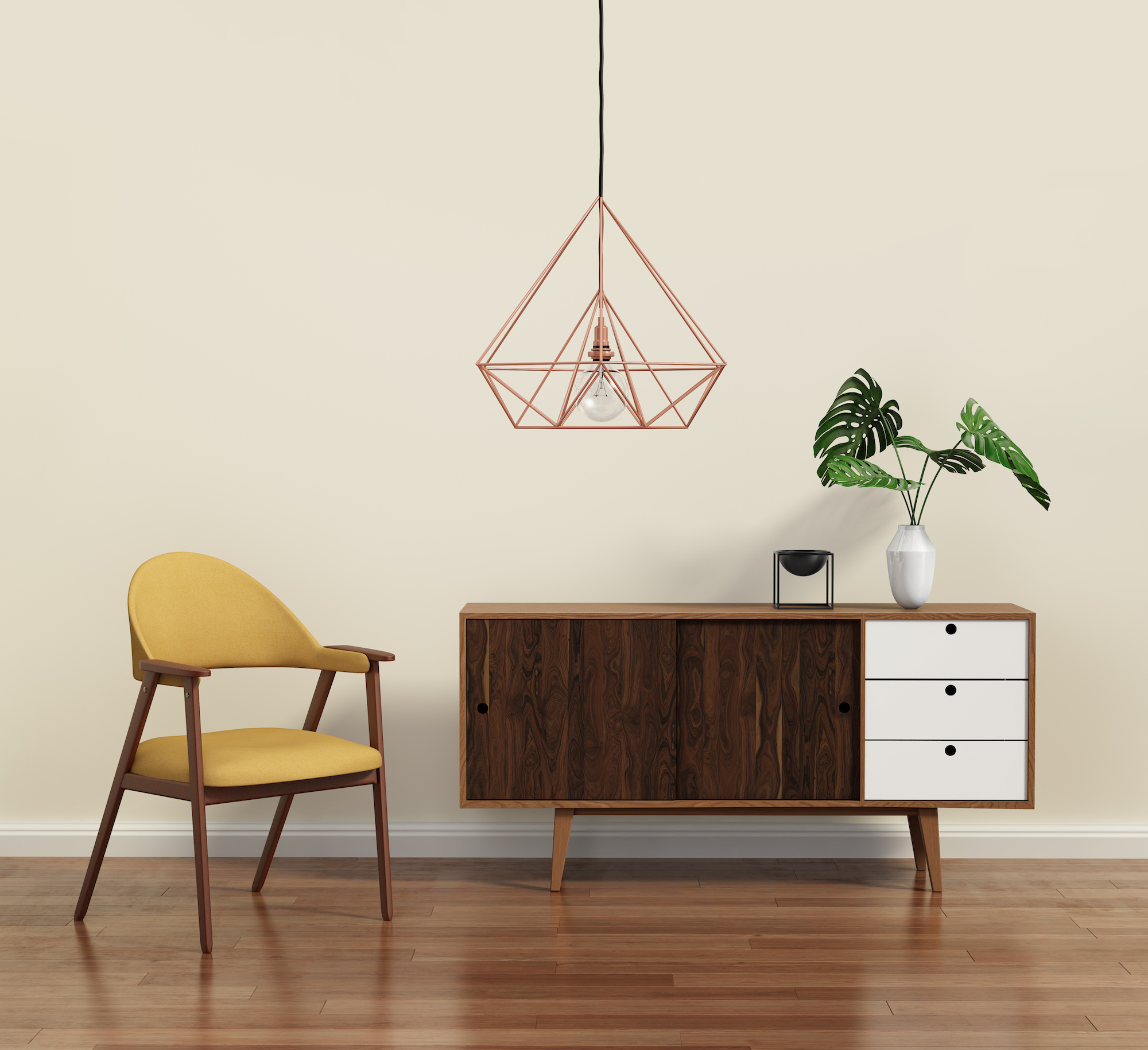
For modern brands, the allure of mid-century design lies in its inherent authenticity and perceived heritage. By carefully weaving historical elements into new brand narratives, companies can imbue their offerings with a sense of depth and credibility. This might involve creating a brand story that references the era’s innovative spirit, its dedication to craftsmanship, or its vision for a better future. For example, a new furniture company might highlight its commitment to durable, functional design, drawing a parallel to the enduring quality of mid-century pieces. A tech brand, conversely, could emphasize its focus on user-centric design and intuitive interfaces, mirroring the mid-century ideal of making complex ideas accessible. The key is to avoid superficial mimicry and instead extract the philosophy of the era, translating its timeless values into a genuine and compelling contemporary brand story that resonates with today’s conscious consumer.
Target Audience Resonance: Tapping into Nostalgia and Sophistication
Mid-century aesthetics often evoke a sense of nostalgia for a simpler, yet progressive, time. This emotional connection can be a powerful tool for brands targeting demographics who either experienced the era firsthand or associate it with a particular ideal of style and quality. For younger audiences, it often signifies sophistication, a curated taste, and an appreciation for design heritage. Brands can leverage this dual appeal by crafting messaging that speaks to both longing for the past and aspiration for a refined future. A brand of artisanal coffee, for instance, might use mid-century inspired packaging and branding to suggest a timeless ritual and quality, appealing to those who appreciate tradition and meticulous craftsmanship. The visual cues, color palettes, and typographic choices become signifiers that attract an audience drawn to classic elegance and understated luxury, distinguishing the brand in a crowded market.
Visual Identity: Logos, Typography, and Color Palettes Inspired by the Era
The visual identity is where mid-century influence often shines most brightly. Logos from the era frequently featured clean, geometric shapes, often abstract yet recognizable, communicating modernity and efficiency. Brands today can draw inspiration from this by designing logos that are simple, scalable, and impactful, avoiding overly complex or trendy designs that quickly date. Typography is another critical element; sans-serif fonts like Helvetica (though slightly later, its spirit emerged from this period), Futura, and Gill Sans embody the clarity and functionality valued in mid-century design. These typefaces convey readability, directness, and a timeless elegance, lending authority and sophistication to a brand’s written communications.
Color palettes were often bold and distinctive, balancing muted earth tones with vibrant accent colors – think avocado green, burnt orange, mustard yellow, and teal blues. These palettes can be carefully adapted to create a distinctive brand look that feels both classic and fresh, standing out from the contemporary minimalist monochromatic trend. By thoughtfully applying these elements to websites, packaging, advertisements, and even physical retail spaces, brands can construct a cohesive visual identity that unmistakably communicates a mid-century inspired ethos, building strong brand recognition and recall.
The Strategic Application of Mid-Century Themes in Marketing and Communication
Beyond visual aesthetics, the strategic application of mid-century themes in marketing and communication allows brands to weave rich narratives, foster deeper customer engagement, and cultivate a perception of enduring quality and reliability. It’s about leveraging the inherent positive associations of the era to enhance brand messaging.
Storytelling with a Mid-Century Flair: Evoking Trust and Heritage
The mid-century era was a time of significant cultural shifts and technological advancements, offering a fertile ground for storytelling. Brands can tap into this by crafting narratives that evoke the spirit of the era – its optimism, ingenuity, and a focus on building a better future. This doesn’t mean fabricating a past; rather, it’s about drawing parallels between the brand’s contemporary values and those celebrated in the mid-century. For example, a sustainable fashion brand might tell a story about crafting durable, high-quality garments that hark back to an era where products were built to last, contrasting with today’s fast-fashion culture. Such narratives evoke trust by associating the brand with a perceived “golden age” of quality and purpose. This focus on heritage and longevity, even if metaphorical, instills confidence in consumers, suggesting that the brand itself is built on solid, time-tested principles.
Content Marketing: Showcasing Mid-Century Inspiration
Content marketing provides an excellent platform to showcase a brand’s mid-century inspiration. This can take many forms: blog posts exploring the history of mid-century design, interviews with designers influenced by the era, or visual content (photography, videos) that subtly incorporates mid-century aesthetics into product showcases or lifestyle imagery. A home goods brand might create articles detailing how to integrate mid-century furniture into modern interiors, while a digital agency might publish content discussing the timeless principles of good design derived from the era. By educating and inspiring their audience through such content, brands demonstrate their expertise, reinforce their aesthetic choices, and foster a community around shared values and appreciation for quality design. This approach not only attracts an engaged audience but also positions the brand as a thought leader with a deep understanding of enduring design principles.
Avoiding Pitfalls: Authenticity vs. Caricature in Brand Messaging
While the mid-century provides a wealth of inspiration, it’s crucial for brands to navigate its use with care, distinguishing between authentic homage and superficial caricature. Overly literal or clichéd applications can lead to a brand feeling dated, inauthentic, or even kitschy. The goal is to capture the spirit and principles of mid-century design, rather than simply replicating its surface-level elements without understanding their context. For instance, a brand shouldn’t just use a generic “retro” filter; it should understand why certain colors or compositions were effective then and how they can be adapted to communicate a contemporary message. Authenticity comes from a deep appreciation of the era’s philosophy – its focus on functionality, innovation, and quality – and translating these into a brand identity that feels genuine and relevant to today’s consumer. Brands must ensure their messaging feels integrated and purposeful, allowing the mid-century influence to enhance, rather than overshadow, their core value proposition.
Mid-Century Beyond Design: Core Values and Brand Ethos
The lasting impact of the mid-century extends far beyond its aesthetic appeal; it encompasses a set of core values that, when integrated into a brand’s ethos, can resonate deeply with contemporary consumers. These values speak to the very foundation of what makes a brand meaningful and enduring.
Innovation and Progress: A Forward-Looking Brand Mentality
The mid-century was an era defined by a fervent belief in innovation and progress. From the Space Race to advancements in materials science and manufacturing, there was an unyielding drive to push boundaries and improve the human condition. Brands operating in this period often positioned themselves as forward-thinkers, bringing new technologies and conveniences to the public. For modern brands, adopting this mid-century value translates into a commitment to continuous improvement, research and development, and a willingness to challenge the status quo. A brand can communicate a forward-looking mentality by highlighting its innovative solutions, its adaptation to new challenges, or its dedication to cutting-edge sustainability practices. This ethos aligns with consumer desires for brands that are not stagnant but actively evolving and contributing positively to the future, much like the aspirational brands of the mid-century.
Accessibility and Democratic Design: Brands for the Many
A defining characteristic of mid-century design was its democratic spirit. Designers like the Eames aimed to produce well-designed, high-quality furniture that was accessible to a broad market, not just the elite. This philosophy emphasized mass production methods to bring good design into everyday homes. For contemporary brands, this translates into a commitment to inclusivity, affordability (where appropriate), and user-centric design that serves a wide audience. A brand that embodies this mid-century value might focus on creating products or services that are intuitive, easy to use, and available to diverse communities. It signifies a brand that believes in the power of good design to improve lives, making quality and thoughtful solutions available to the many, rather than just a select few. This approach fosters broad appeal and builds a reputation for social responsibility.
Durability and Quality: Building a Legacy Brand
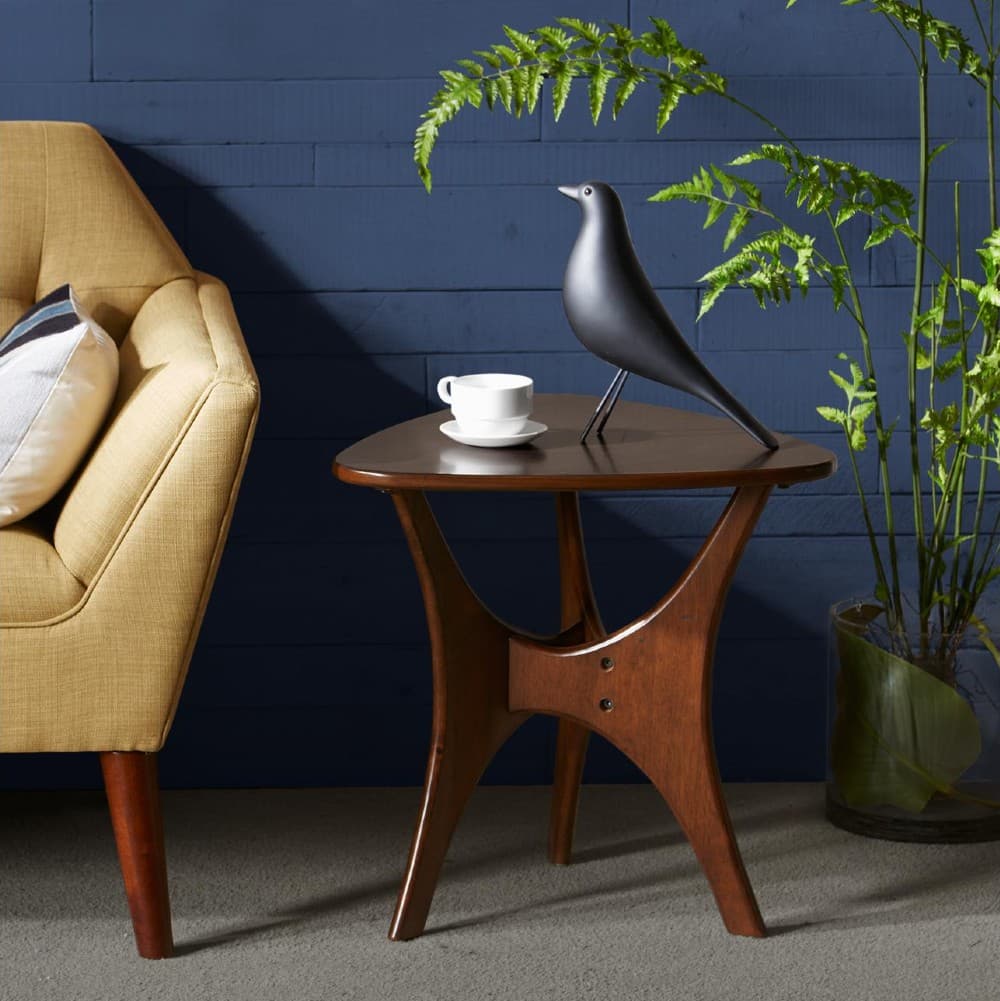
In an era following wartime scarcity, there was a strong emphasis on durability, quality, and products built to last. Mid-century furniture and appliances were often investments, chosen for their longevity and resilience. This stands in stark contrast to much of today’s disposable consumer culture. For brands looking to establish a legacy, embracing this mid-century value means a steadfast commitment to superior craftsmanship, ethical sourcing, and products designed for endurance. Marketing messages can highlight the longevity of materials, the meticulousness of production, and the enduring value of their offerings. By positioning themselves as purveyors of lasting quality, brands can differentiate themselves in a crowded market, attracting consumers who are increasingly seeking sustainable, investment-worthy purchases. This builds a foundation of trust and reliability, allowing a brand to transcend fleeting trends and establish itself as a timeless entity, much like the iconic products that emerged from the mid-century era.
aViewFromTheCave is a participant in the Amazon Services LLC Associates Program, an affiliate advertising program designed to provide a means for sites to earn advertising fees by advertising and linking to Amazon.com. Amazon, the Amazon logo, AmazonSupply, and the AmazonSupply logo are trademarks of Amazon.com, Inc. or its affiliates. As an Amazon Associate we earn affiliate commissions from qualifying purchases.