
In the annals of professional sports and global marketing, few events carry the weight of the 2004 blockbuster trade that saw Shaquille O’Neal depart from the Los Angeles Lakers. While fans often view this moment through the lens of box scores and championship rings, brand strategists view it as a watershed moment in corporate identity and personal brand management. When Shaquille O’Neal left the Lakers in 2004, it wasn’t just a change of jerseys; it was a high-stakes pivot for two of the most powerful brands in the world.

Understanding why and how Shaq left the Lakers provides a masterclass in brand strategy. It illustrates the delicate balance between individual star power and organizational identity, the inevitability of brand friction in high-performance environments, and the strategic necessity of succession planning.
The Year the Dynasty Pivoted: Understanding the 2004 Breakup
The year 2004 stands as a definitive marker in the history of the Los Angeles Lakers. After a decade of dominance, the franchise reached a breaking point that necessitated a total overhaul of its public-facing image.
The Context of 2004: A Brand at a Crossroads
By the summer of 2004, the Lakers were a brand in crisis despite their on-court success. Having just lost the NBA Finals to the Detroit Pistons, the organizational “product” was perceived as aging and internally fractured. For Dr. Jerry Buss, the owner and chief architect of the Lakers brand, the question wasn’t just about winning games; it was about the long-term viability of the franchise’s “Showtime” identity.
The decision to trade Shaquille O’Neal to the Miami Heat in July 2004 was a calculated move to choose a future trajectory over past achievements. In brand terms, the Lakers were deciding which “face” would represent their corporate values for the next decade.
Shaq vs. Kobe: The Clash of Two Personal Brands
At the heart of the 2004 departure was a fundamental conflict between two distinct personal brands: “The Diesel” (Shaq) and “The Black Mamba” (Kobe Bryant).
Shaquille O’Neal’s brand was built on “Dominant Fun.” He was the larger-than-life entertainer, a massive physical force who balanced his power with a charismatic, approachable personality. Conversely, Kobe Bryant’s brand was evolving into one of “Obsessive Excellence.” Bryant represented a relentless, almost singular focus on craft. When these two brands could no longer coexist under the Lakers’ corporate umbrella, the organization had to perform a brand audit. They ultimately chose the younger, more marketable longevity of Bryant over the immediate but depreciating dominance of O’Neal.
Strategic Rebranding: How the Lakers Managed Post-Shaq Identity
When a corporation loses its most recognizable asset, it faces an identity crisis. The departure of Shaq in 2004 forced the Lakers to engage in a rapid and aggressive rebranding strategy to maintain their status as the NBA’s premier franchise.
Moving from “Big Man” Dominance to the “Mamba Mentality”
For years, the Lakers’ brand value proposition was built on the “Big Man” philosophy—a tradition of dominant centers like Mikan, Wilt, and Kareem. Shaq was the pinnacle of this lineage. By trading him in 2004, the Lakers signaled a shift in their “product design.”
The brand pivoted toward a more perimeter-oriented, skill-based identity centered around Kobe Bryant. This wasn’t just a tactical change; it was a marketing shift. The “Mamba Mentality” became the new core value of the Lakers brand—emphasizing individual work ethic and psychological toughness. This shift allowed the Lakers to appeal to a new generation of fans who valued the “lone wolf” protagonist narrative over the “force of nature” dominance Shaq provided.
The Risk of Losing a Corporate Anchor
Every major brand has an “anchor”—a feature or personality that provides stability and attracts “customers” (fans). Shaq was the Lakers’ anchor. His departure in 2004 resulted in an immediate dip in the brand’s “win-loss” ROI. The years 2005 through 2007 were a period of brand “retooling.”
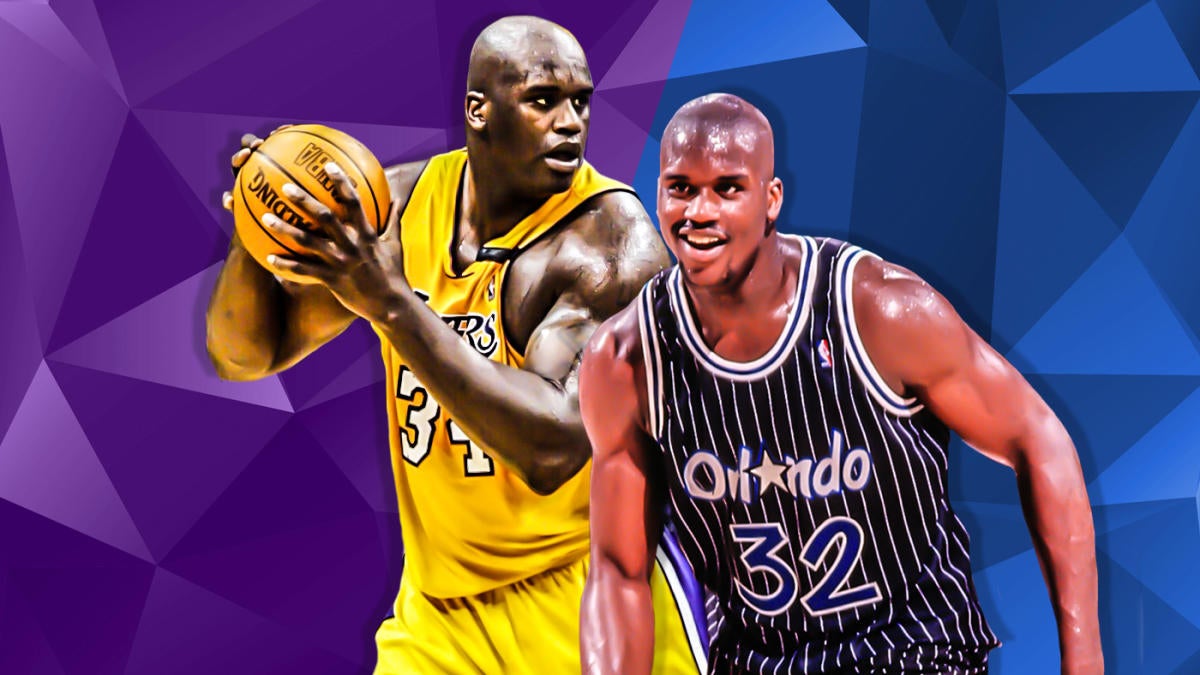
The lesson for brand managers here is the importance of “brand equity cushioning.” Because the Lakers had a storied history and a strong geographic brand (Los Angeles), they were able to survive the temporary loss of elite performance. They leveraged their “Legacy Brand” status to buy time while they rebuilt the roster around Bryant, eventually leading to two more championships in 2009 and 2010.
The Personal Brand Pivot: Shaq’s Migration to the Miami Heat
While the Lakers were rebranding in the wake of the trade, Shaquille O’Neal was executing one of the most successful personal brand migrations in sports history.
Bringing “The Diesel” to South Beach
In 2004, Shaq didn’t just join a new team; he brought a prefabricated brand to a market that was hungry for identity. The Miami Heat, at the time, was a relatively young franchise with a growing but unrefined brand. Shaq’s arrival acted as an “instant credibility” injection.
He famously promised a championship to the city of Miami, a bold marketing claim that he fulfilled in 2006. This move demonstrated how a powerful personal brand can be “portable.” Shaq proved that his value wasn’t tied to the purple and gold; he was a “Platform Brand” capable of elevating any partner he chose to work with.
Leveraging External Markets to Revitalize a Personal Brand
By 2004, critics suggested Shaq’s brand was in decline due to age and injury. The move to Miami allowed him to refresh his narrative. In a new market, he was no longer the “feuding veteran”; he was the “missing piece” and the “mentor” to a young Dwyane Wade.
This is a classic branding strategy: if a product is stagnating in a saturated market, move it to a new demographic or territory where its core strengths are viewed as fresh and revolutionary. Shaq’s Miami era was a masterclass in “Brand Extension,” allowing him to maintain his status as a top-tier endorser and global icon.
Brand Longevity and Legacy Management
The story of 2004 doesn’t end with the trade; it continues into how both Shaq and the Lakers managed their shared history in the years that followed. Brand legacy is built not just on the moments of cooperation, but on how a brand handles its “exits.”
The Reconciliation: How Time Heals Brand Friction
In the years following 2004, both Shaq and the Lakers organization worked to repair the perceived “brand damage” of the breakup. This culminated in the retirement of Shaq’s jersey and the unveiling of his statue outside the Staples Center.
For brand strategists, this highlights the importance of “Legacy Integration.” Even when a partnership ends poorly, successful brands eventually find a way to incorporate the past into their present narrative. By honoring Shaq, the Lakers reinforced their own brand as a “Home of Legends,” while Shaq solidified his brand as an “Eternal Laker,” despite his years in Miami, Phoenix, Cleveland, and Boston.
Lessons for Modern Corporate Leaders
The 2004 trade offers three vital lessons for modern brand strategy:
- Cultural Fit Over Raw Talent: A brand cannot thrive if its two most powerful components are moving in opposite directions. Alignment of vision is more valuable than the sum of individual parts.
- The Necessity of Succession: Organizations must know when to pivot from a “legacy product” to a “future product.” The Lakers’ 2004 decision was painful but strategically sound for the long term.
- Personal Brand Portability: In the digital age, individuals must build brands that can survive the loss of their primary platform. Shaq’s success post-2004 is a testament to the power of a well-defined personal identity.
Conclusion: The 2004 Trade as a Blueprint for Brand Transition
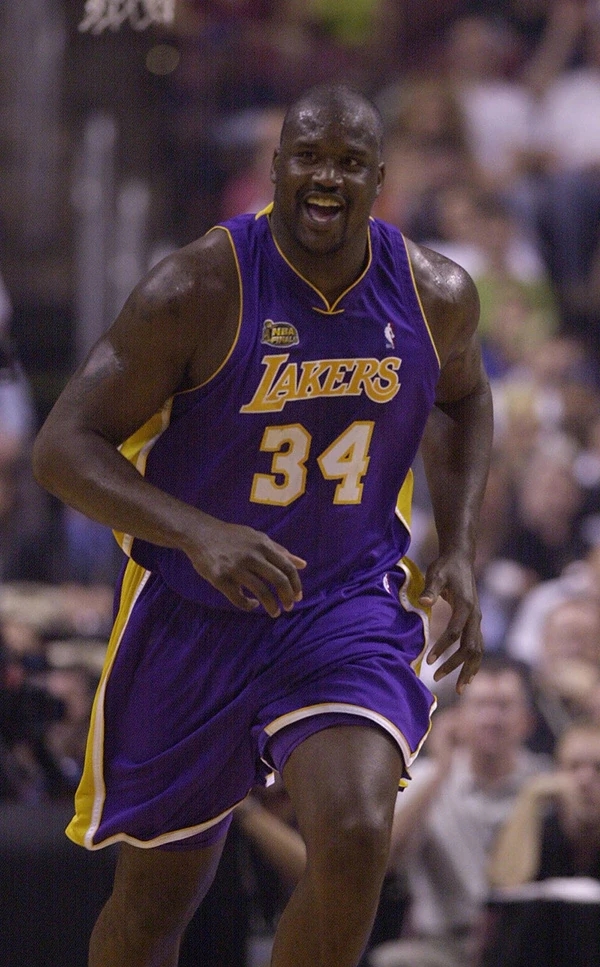
When we ask “what year did Shaq leave the Lakers,” the answer is 2004. But the significance of that date extends far beyond a calendar entry. It represents the moment when the world’s most famous basketball franchise chose a path of radical rebranding, and when one of the world’s most famous athletes proved the resilience of personal brand equity.
The 2004 departure serves as a perennial case study in how to navigate the end of a high-value partnership. It teaches us that brand evolution is often messy, frequently controversial, but ultimately necessary for survival in a competitive marketplace. Whether you are managing a global corporation or your own professional identity, the Shaq-Lakers split remains the gold standard for understanding the power, the pain, and the ultimate payoff of a strategic brand pivot.
aViewFromTheCave is a participant in the Amazon Services LLC Associates Program, an affiliate advertising program designed to provide a means for sites to earn advertising fees by advertising and linking to Amazon.com. Amazon, the Amazon logo, AmazonSupply, and the AmazonSupply logo are trademarks of Amazon.com, Inc. or its affiliates. As an Amazon Associate we earn affiliate commissions from qualifying purchases.