
In the 19th century, imperialism was defined by the acquisition of territory, the extraction of physical resources, and the establishment of trade routes through naval power. Today, the world is witnessing a new form of expansionism that mirrors these historical patterns, yet it operates in the intangible realms of data, silicon, and software. “Digital Imperialism” describes the process by which global technology giants and nation-states extend their influence over foreign populations by controlling the digital infrastructure they use.
Understanding the motives behind this modern tech imperialism is essential for developers, policymakers, and tech enthusiasts alike. Just as the motives for historical imperialism were rooted in economic gain, national prestige, and social influence, the motives for digital expansion are driven by the pursuit of data supremacy, ecosystem lock-in, and algorithmic soft power.
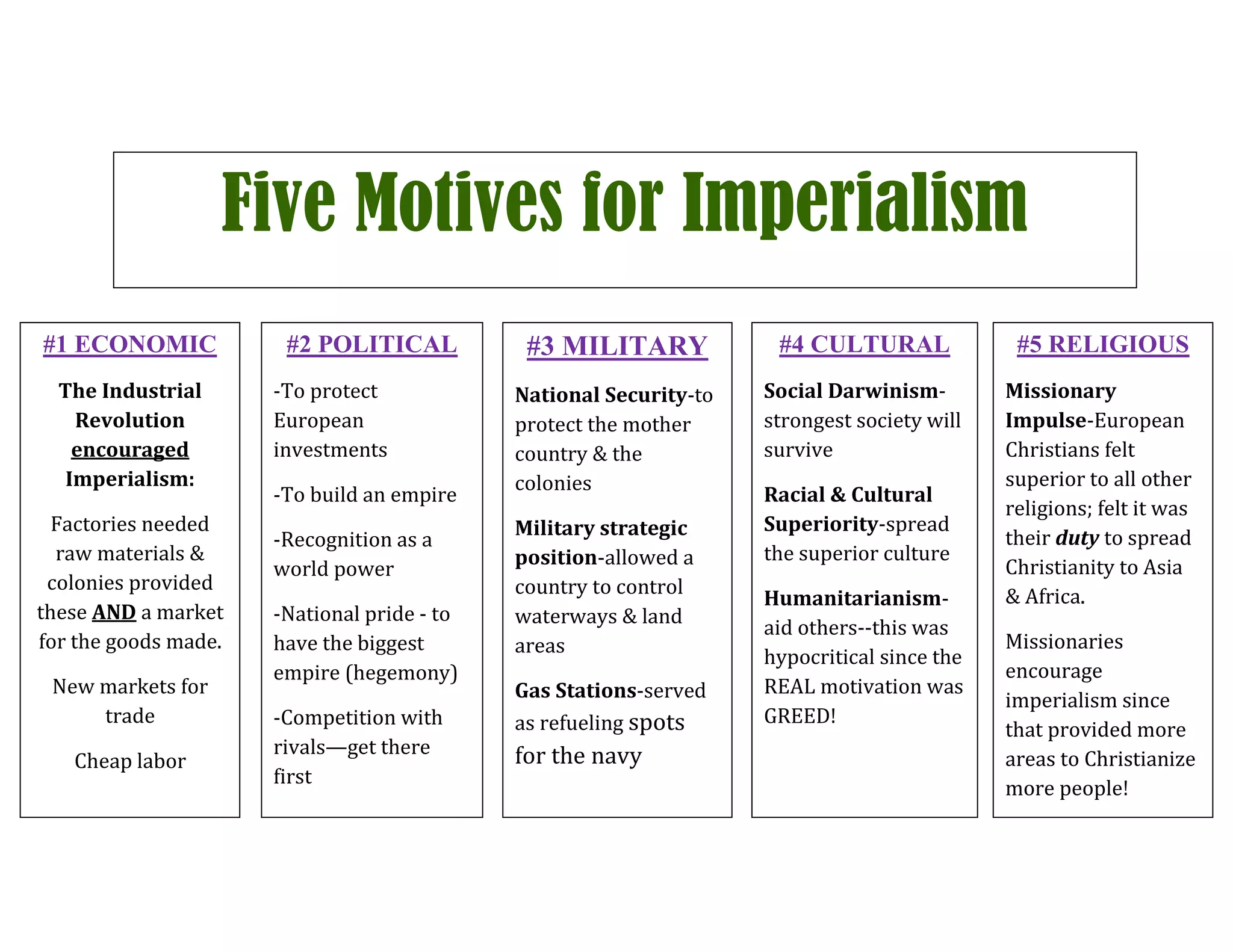
Data Supremacy: The Extraction of the New Oil
The most immediate motive for digital imperialism is the acquisition of data. In the modern economy, data is the raw material that fuels the most advanced technological systems, particularly Artificial Intelligence (AI).
Fueling the AI Revolution
AI models, specifically Large Language Models (LLMs) and generative neural networks, require vast amounts of diverse data to achieve high levels of accuracy and nuance. Tech companies are motivated to expand their services into emerging markets—often offering “free” tools for education or connectivity—to harvest unique datasets. This data extraction allows these companies to refine their algorithms, creating a competitive advantage that local tech startups cannot match. By capturing the digital footprints of billions, these firms build a centralized intelligence that they then lease back to the rest of the world.
Surveillance Capitalism and User Control
The economic model of many tech empires is built on “surveillance capitalism,” a term coined by Shoshana Zuboff. The motive here is to map human behavior in its entirety to predict and influence future actions. When a software platform becomes the primary means of communication or commerce in a developing nation, the provider gains unprecedented insight into the socioeconomic fabric of that country. This information is not just used for targeted advertising; it is used to entrench the platform’s presence, making it an indispensable part of the user’s daily life and ensuring a perpetual stream of behavioral data.
Infrastructure and Ecosystem Dominance
Historical empires built railroads and ports to control the flow of goods. Modern tech empires build cloud infrastructure, fiber-optic cables, and app stores to control the flow of information.
Laying the Foundations: Cloud Computing and 5G
The motive to control the physical and virtual “pipes” of the internet is a primary driver of digital expansion. Companies like Amazon (AWS), Microsoft (Azure), and Google (GCP) provide the backbone for much of the world’s digital activity. When a nation’s government services or private industries migrate to a foreign cloud provider, that provider gains a level of structural power. The motive is “rent-seeking”—creating a scenario where every digital transaction or process in a foreign market yields a micro-payment to the infrastructure owner. This creates a digital dependency that is difficult and costly to reverse.
The App Store Monopolies and Gateway Control
Hardware and software ecosystems (like iOS and Android) act as the “gatekeepers” of the digital world. The motive for tech imperialism here is to control the marketplace. By setting the rules for what software can be installed and taking a significant percentage of all digital sales, these entities exert a form of digital taxation. This motive extends beyond mere profit; it allows the ecosystem owner to dictate the standards of privacy, security, and functionality for the entire world, effectively superseding local regulations with corporate policy.
Algorithmic Influence and Cultural Soft Power
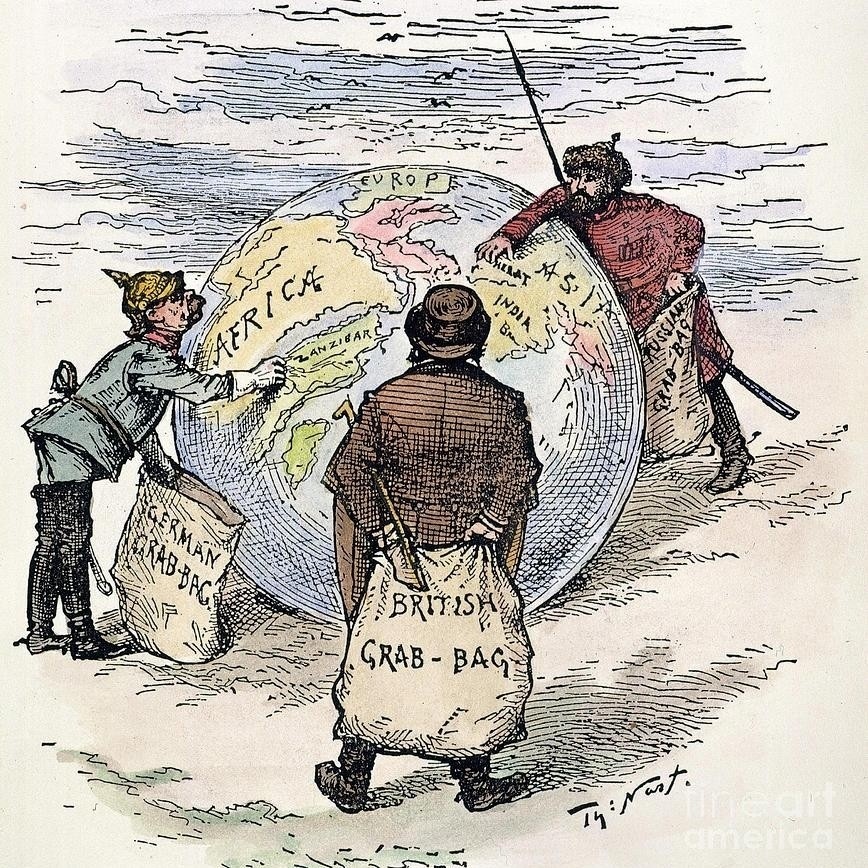
Imperialism has always had a cultural component—the desire to spread a specific set of values or a way of life. In the tech sector, this is achieved through algorithms and content delivery networks.
Shaping Global Narratives through Social Media
The algorithms that power social media platforms are not neutral. They are designed with specific engagement metrics in mind, often reflecting the cultural biases and commercial interests of their creators. The motive for expansion in this niche is the ability to shape public discourse. Whether intentionally or through the pursuit of engagement, global tech platforms influence everything from consumer trends to political sentiment in foreign nations. This “algorithmic soft power” allows the exporting nation or corporation to project its values globally, often at the expense of local traditions and information ecosystems.
Homogenization of the Digital Experience
There is a strong motive to standardize the user experience across the globe to reduce costs and maximize scalability. This leads to a digital “monoculture” where localized software solutions are crowded out by global giants. By creating a unified digital interface, tech companies ensure that their tools become the “default” for human interaction. This homogenization makes it easier for these companies to manage global operations, but it also creates a world where a few designers in Silicon Valley or Beijing decide how billions of people access information and interact with one another.
The Race for Hardware and Resource Sovereignty
While the digital world is often perceived as ethereal, it relies on a very physical foundation: semiconductors and rare earth minerals. The motive to secure these resources is a classic imperialist drive modernized for the high-tech era.
Semiconductor Geopolitics
The motive to dominate the semiconductor industry is perhaps the most high-stakes aspect of modern tech expansionism. Chips are the “brains” of everything from smartphones to advanced missile systems. Tech giants and their respective home governments are motivated to secure the supply chain for these components to ensure technological autonomy. This involves massive investments in domestic “fabs” and strategic alliances to prevent competitors from accessing the most advanced nodes. In this context, the motive is national and corporate survival.
Securing the Rare Earth Supply Chain
The transition to green energy and the expansion of mobile technology require massive amounts of lithium, cobalt, and rare earth elements. The motive for tech imperialism here involves securing mining rights in regions like Africa and South America. This is a direct parallel to historical resource extraction, where the goal is to feed the manufacturing engines of the high-tech world. Whoever controls the minerals controls the future of hardware, making this a primary motive for global power plays in the tech sector.
Future Implications: Navigating a Decentralized Counter-Movement
As the motives for digital imperialism become more apparent, a global counter-movement is beginning to take shape. This shift is driven by a desire for “tech sovereignty,” where nations and communities seek to reclaim control over their digital lives.
The Rise of Tech Sovereignty and Localized Software
Many nations are now implementing “data localization” laws, requiring that data generated within their borders stay within their borders. The motive here is to protect citizens from foreign surveillance and to foster a domestic tech industry. We are seeing the rise of localized platforms that cater specifically to regional languages, customs, and regulations. This “digital decolonization” seeks to break the monopolies of global tech giants by building independent, sovereign infrastructures.

The Role of Open Source and Web3
Technologies like open-source software and decentralized protocols (Web3) offer an alternative to the imperialist model. By decentralizing control, these tools remove the “center” of the empire, allowing for a more equitable distribution of power. The motive for many developers in this space is to create a “neutral” internet where no single entity can extract data or tax transactions. While still in its infancy, this movement represents a direct challenge to the motives of digital expansionism, proposing a world of digital federations rather than digital empires.
In conclusion, the motives for imperialism have not disappeared; they have simply migrated to the digital domain. The pursuit of data, the control of infrastructure, the exercise of algorithmic influence, and the securing of hardware resources are the new frontiers of global power. As we move deeper into the 21st century, understanding these motives is crucial for anyone looking to navigate the complex, interconnected, and often contested landscape of global technology. Whether through the lens of corporate strategy or national policy, the race for digital dominance is the defining conflict of our time.
aViewFromTheCave is a participant in the Amazon Services LLC Associates Program, an affiliate advertising program designed to provide a means for sites to earn advertising fees by advertising and linking to Amazon.com. Amazon, the Amazon logo, AmazonSupply, and the AmazonSupply logo are trademarks of Amazon.com, Inc. or its affiliates. As an Amazon Associate we earn affiliate commissions from qualifying purchases.