
The title “What We Do in the Shadows: Vlad” immediately evokes a distinct brand personality. While the popular mockumentary series of the same name is renowned for its comedic portrayal of vampire life, the inclusion of “Vlad” points towards a specific character and, by extension, a key element of the show’s brand: the enduring and evolving mythos of vampires. This article will delve into the branding aspects of “What We Do in the Shadows,” focusing on how it constructs and leverages its unique vampire brand identity, with a particular lens on the character of Vlad, who, while not a central character in the show’s main cast, represents a significant historical and thematic pillar.

The Shadowy Foundation: Crafting a Unique Vampire Brand
The brand of “What We Do in the Shadows” is built upon a foundation of subverted expectations and a meticulous understanding of established vampire lore. Unlike many modern interpretations that lean into sleek, terrifying figures or brooding romantic anti-heroes, this brand embraces the mundane, the awkward, and the utterly relatable aspects of eternal life.
Deconstructing the Vampire Trope: The Core of the Brand
The success of “What We Do in the Shadows” as a brand lies in its audacious deconstruction of the vampire trope. For centuries, vampires have been symbols of ultimate power, seduction, and horror. They are often depicted as ancient, mysterious beings with an inherent danger. The show, however, takes these established archetypes and injects them with the banality of everyday existence.
- The Mundane Immortality: The central brand promise of “What We Do in the Shadows” is that immortality, while granting a certain power, does not inherently bestow grace, sophistication, or even competence. The vampires, despite centuries of existence, struggle with basic tasks like paying rent, doing laundry, and navigating modern social norms. This juxtaposition of immense power and utter inadequacy is the comedic engine of the brand and its primary differentiator. The “we” in “What We Do in the Shadows” is a collective of deeply flawed, yet strangely endearing, immortal beings.
- Humor as the Universal Language: The show’s brand communication is heavily reliant on observational humor and character-driven comedy. The “documentary” format itself is a branding tool, lending an air of authenticity to the absurd situations. The humor isn’t just slapstick; it’s often dry, witty, and rooted in the characters’ anachronistic perspectives clashing with the modern world. This makes the often-unrelatable concept of vampirism accessible and entertaining to a broad audience.
- Nostalgia and the Enduring Appeal of the Supernatural: While the brand actively subverts the tropes, it also relies on a shared cultural understanding of vampire mythology. The humor works precisely because the audience recognizes the source material being played with. The brand taps into the enduring fascination with the supernatural and the dark allure of the undead, offering a fresh, comedic take that revitalizes the genre rather than simply mimicking it.
Vlad: The Embodiment of Ancient Power and Brand Heritage
While the core cast of housemates – Nandor, Laszlo, Nadja, and Colin Robinson – are the primary brand ambassadors of the show’s current comedic output, the character of Vlad, and by extension, the concept of ancient vampire lineage, represents a crucial element of the brand’s heritage and thematic depth. Vlad, even in his limited appearances, serves as a reminder of the true power and historical weight that the main characters often seem to lack.
The Ancient Patriarch: Symbolism and Brand Reinforcement
Vlad, often depicted or referenced as a figure of immense age and authority, acts as a symbolic representation of the vampire world’s deep history and inherent power. This historical context is vital for the brand, providing a grounding for the more ridiculous antics of the present-day vampires.
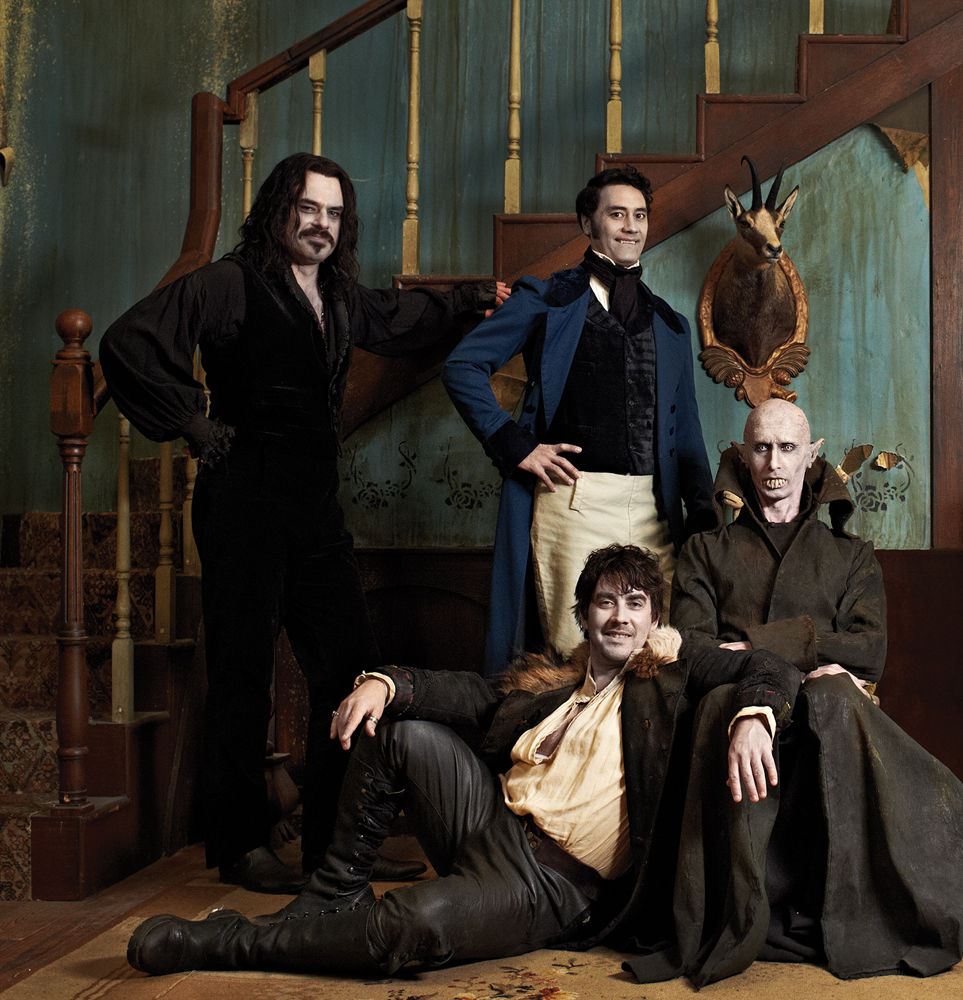
- A Touchstone of True Vampirism: In the show, Vlad embodies the archetypal, terrifying vampire that the main characters often fail to live up to. His existence, even if only alluded to or briefly seen, reinforces the idea that powerful, ancient beings do exist within this universe. This contrast is crucial for the brand’s humor. The audience understands that Nandor and his housemates are not truly terrifying because they are compared, implicitly or explicitly, to figures like Vlad.
- The Weight of History: The references to Vlad and other ancient vampires lend an air of gravitas to the otherwise lighthearted show. This historical lineage provides a backdrop against which the modern vampires’ struggles are amplified. It suggests that they are part of something much larger and older, adding a layer of complexity to their seemingly trivial problems. For the brand, this means it can evoke both the thrill of ancient lore and the absurdity of modern existence simultaneously.
- A Source of Conflict and Lore Expansion: Characters like Vlad are often used to introduce new plot points or expand the existing lore of the vampire world. Their presence can trigger old rivalries, reveal hidden secrets, or introduce new challenges that test the boundaries of the show’s established comedic universe. This keeps the brand fresh and provides opportunities for further storytelling, ensuring its continued relevance and appeal.
The Vampire Council: The Corporate Structure of Immortality
The Vampire Council, a recurring element in “What We Do in the Shadows,” functions as the “corporate entity” of the vampire world, representing a significant facet of the show’s brand. It’s a hierarchical organization that governs vampire affairs, and its interactions with the main characters highlight the brand’s exploration of power structures, bureaucracy, and the awkward reality of managing an ancient society.
Bureaucracy Meets the Undead: A Branding Masterstroke
The portrayal of the Vampire Council is a prime example of the show’s commitment to blending the supernatural with the mundane, creating a powerful branding statement through relatable, yet absurd, organizational dynamics.
- The Ultimate Gatekeepers: The Council acts as the ultimate authority within the vampire community. Their meetings, decrees, and judgments are central to many plotlines. This establishes a clear hierarchy and a system of rules that the main characters frequently find themselves navigating, often with comical incompetence. For the brand, this signifies that even in a world of immortal beings, there are still systems and authorities to contend with.
- Bureaucratic Absurdity: The Council is depicted as a highly bureaucratic organization, mirroring real-world institutions. Their meetings can be tedious, their discussions filled with red tape, and their decision-making processes often frustratingly slow. This bureaucratic absurdity is a key branding element, showcasing how even supernatural beings are susceptible to the same organizational pitfalls as humans. It reinforces the idea that immortality doesn’t solve fundamental problems of governance and administration.
- A Reflection of Societal Structures: The Vampire Council’s existence and functioning reflect broader societal structures. It’s a commentary on how power is wielded, how rules are enforced, and the inherent challenges of managing any large group, regardless of its composition. This allows the brand to tap into universal themes of power, authority, and the struggle for order, making the supernatural narrative relatable to a wider audience. The brand leverages these recognizable societal dynamics to create humor and intrigue.
The Eternal Evolution: Maintaining Brand Relevance in a Changing Landscape
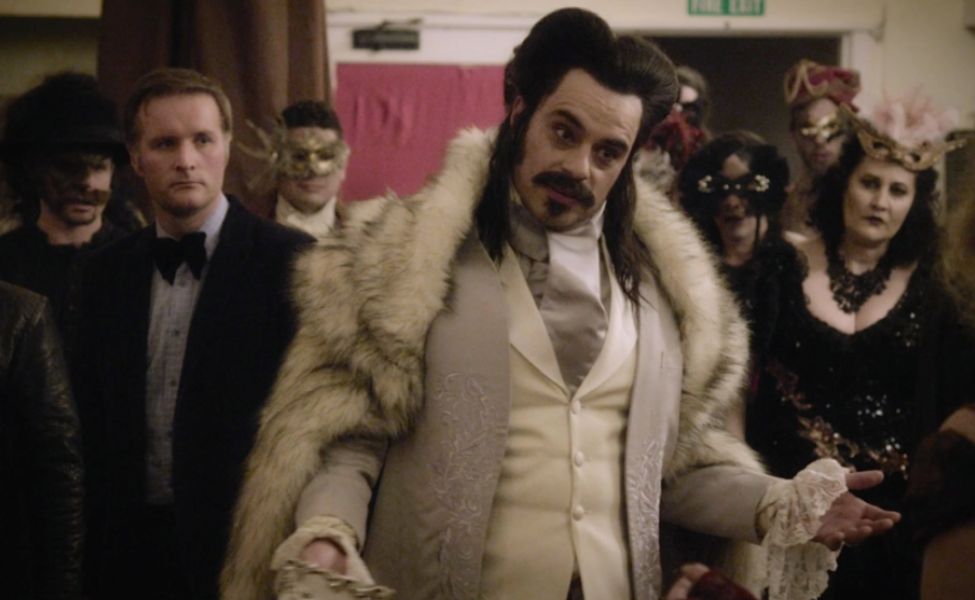
The brand of “What We Do in the Shadows” has demonstrated a remarkable ability to remain fresh and engaging over multiple seasons. This success is not accidental; it stems from a deliberate strategy of evolution and adaptation, ensuring that the core brand promise resonates with contemporary audiences while still honoring its foundations.
Adapting to the Digital Age and Evolving Audiences
In an era of rapidly shifting media consumption and audience expectations, the “What We Do in the Shadows” brand has successfully transitioned and expanded its reach, solidifying its position as a unique entity in the entertainment landscape.
- Cross-Platform Brand Extension: Beyond the television series, the brand has successfully extended across various platforms. This includes merchandise, social media engagement, and even potential spin-offs or related content. Each of these extensions carefully maintains the established brand voice and aesthetic, reinforcing the core identity without dilution. For example, social media content often mimics the mockumentary style, featuring character “confessionals” or “behind-the-scenes” glimpses that feel authentic to the show’s universe.
- Embracing New Storytelling Avenues: The creators have consistently found new ways to explore the world and characters, preventing stagnation. This involves introducing new characters, exploring different facets of vampire society (like the aforementioned Council), and even venturing into different geographical settings (as seen with the spin-off “Wellington Paranormal”). This willingness to experiment and expand the narrative universe is crucial for maintaining brand relevance.
- The Power of Relatability in the Supernatural: At its heart, the enduring appeal of the “What We Do in the Shadows” brand lies in its profound relatability, despite its fantastical premise. By showcasing vampires dealing with everyday problems, the show taps into universal human experiences of frustration, aspiration, and the desire for belonging. This fundamental truth, that even beings of immense power can struggle with the mundane, is the core of its brand longevity. It ensures that the brand continues to connect with audiences on an emotional level, making it more than just a comedy about vampires, but a commentary on the shared human (and immortal) condition.
In conclusion, the title “What We Do in the Shadows: Vlad” encapsulates a brand that thrives on the intelligent subversion of established lore, the comedic exploration of the mundane within the extraordinary, and the strategic use of its characters and lore to maintain relevance. Vlad, as a representation of ancient power and heritage, and the Vampire Council, as a symbol of bureaucratic absurdity, are integral to this brand’s multifaceted identity. The brand’s ability to evolve and extend its reach across platforms while remaining true to its core comedic sensibilities ensures its continued success in the ever-changing media landscape.
aViewFromTheCave is a participant in the Amazon Services LLC Associates Program, an affiliate advertising program designed to provide a means for sites to earn advertising fees by advertising and linking to Amazon.com. Amazon, the Amazon logo, AmazonSupply, and the AmazonSupply logo are trademarks of Amazon.com, Inc. or its affiliates. As an Amazon Associate we earn affiliate commissions from qualifying purchases.