
The insidious spread of bed bugs represents more than just a public health nuisance; it poses a significant financial threat to individuals, families, and businesses alike. Understanding the fundamental science behind their eradication – specifically, what temperature kills bed bugs and their eggs – is not merely a biological curiosity but a critical piece of information for making sound financial decisions. From the immediate costs of treatment to long-term impacts on property values, reputation, and even revenue streams, the battle against bed bugs is inextricably linked to economic considerations. This article delves into the financial implications of bed bug infestations, positioning thermal eradication as a strategic investment and exploring the economic landscape of pest management.
The Financial Burden of Bed Bug Infestations
An encounter with bed bugs can quickly escalate from an irritating annoyance to a substantial financial drain. The costs are multifaceted, impacting both direct expenditures and indirect economic consequences that can be far more damaging in the long run.
Direct Costs: Treatment and Damage Repair
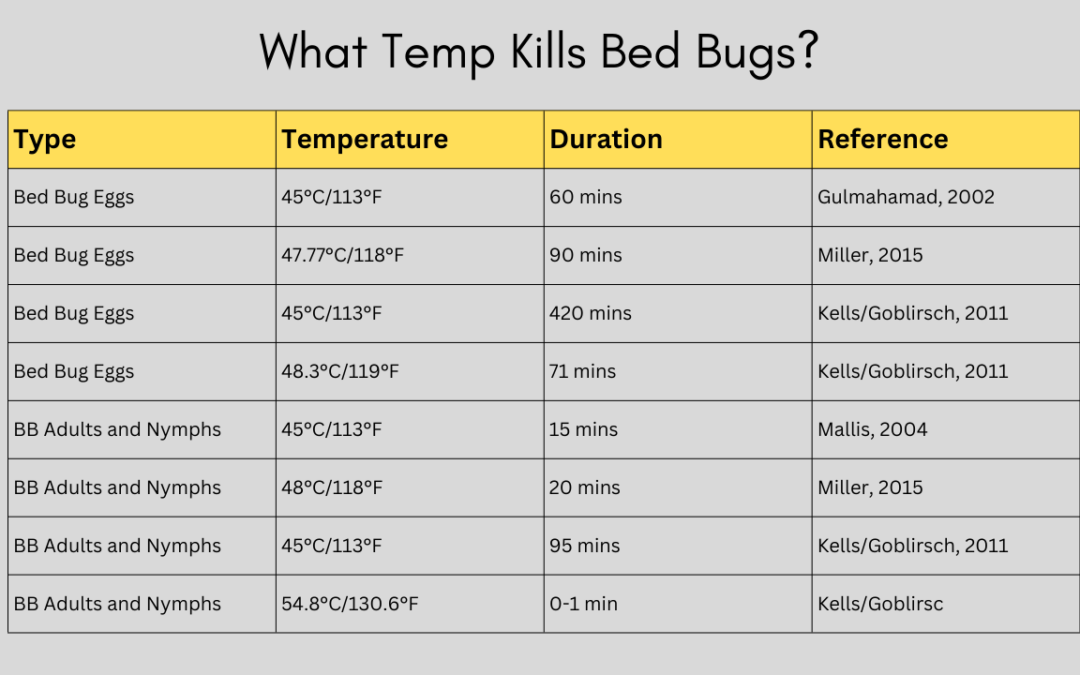
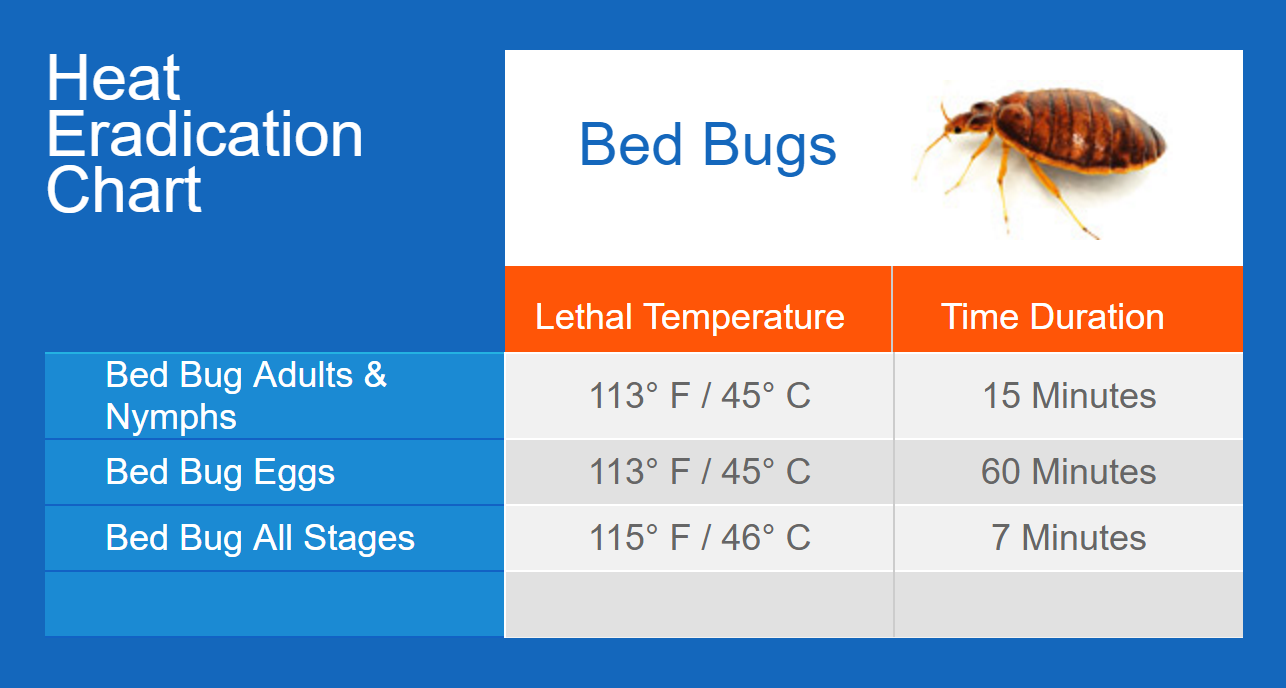
The most immediate financial hit comes from the cost of eradication. While various methods exist, thermal treatment, which relies on specific temperatures to kill bed bugs and eggs, often represents a significant outlay. Professional heat treatment, for instance, can range from hundreds to several thousands of dollars, depending on the size of the infested area, the severity of the infestation, and the specific service provider. This initial investment covers specialized equipment, labor, and the expertise required to safely and effectively raise ambient temperatures to lethal levels (typically between 113°F to 122°F, or 45°C to 50°C, held for several hours for maximum efficacy against all life stages, including eggs). Beyond the treatment itself, there are often associated costs: replacing infested furniture, mattresses, or bedding that might be beyond salvage; laundering or dry-cleaning all textiles; and potential repairs to walls or floors if invasive treatments are required. These cumulative expenses can quickly deplete emergency funds or strain household budgets, highlighting why upfront knowledge of effective solutions like precise temperature control is a financial advantage.
Indirect Costs: Lost Revenue, Reputation, and Health
For businesses, particularly those in hospitality (hotels, motels, Airbnb rentals) or multi-unit housing (apartments, dormitories), the indirect financial costs of a bed bug infestation can dwarf direct treatment expenses. A single reported case can trigger negative reviews, widespread panic, and a significant drop in bookings or occupancy rates. The loss of reputation in the digital age, where reviews spread instantly, can lead to protracted periods of lost revenue and necessitate costly marketing campaigns to rebuild trust. Moreover, employee morale can suffer, leading to decreased productivity. For homeowners, the psychological stress and sleep deprivation caused by bed bugs can lead to reduced work performance or increased healthcare costs due to anxiety and skin irritation. The cost of peace of mind, while intangible, often compels individuals to seek the most effective (and sometimes most expensive) solutions, making the efficacy of thermal treatment an attractive, albeit premium, option.
The Escalating Costs of Delayed Action
Perhaps one of the most significant financial pitfalls is the cost associated with delayed action. Bed bugs reproduce rapidly; a single female can lay 1-5 eggs per day, leading to hundreds over her lifetime. An infestation that starts in one room can quickly spread to adjacent rooms, units, or even entire buildings if not addressed promptly and decisively. Each day of delay allows the population to multiply and disperse, making subsequent eradication efforts more complex, time-consuming, and, critically, more expensive. What might have been a localized treatment for a single room can expand into a multi-room or multi-unit operation, quadrupling or quintupling the initial cost estimate. This exponential increase in expenditure underscores the financial imperative of immediate and effective intervention, where knowing the precise temperature required for a definitive kill becomes invaluable in preventing an economic catastrophe.
Thermal Eradication: A Strategic Investment in Pest Control
Amidst various bed bug treatment options, thermal eradication stands out for its effectiveness and often, its long-term cost savings. Viewing it not as an expense, but as an investment, helps contextualize its value.
The Science of Heat: Target Temperatures and Mortality Rates
The efficacy of thermal treatment hinges on precise temperature control. Research consistently shows that bed bugs and their eggs begin to die at temperatures above 113°F (45°C). However, to ensure a complete kill of all life stages, including heat-resistant eggs hidden deep within cracks and crevices, professional treatments typically aim for sustained temperatures between 120°F and 135°F (49°C and 57°C) for several hours. This sustained exposure is crucial because it allows heat to penetrate thoroughly into all harborage areas. Understanding these specific temperature thresholds allows both service providers and consumers to gauge the robustness and reliability of a thermal treatment plan. From a financial perspective, investing in a treatment that guarantees these lethal temperatures reduces the risk of recurrence and the need for costly follow-up treatments, thus maximizing the return on the initial investment.
Equipment and Expertise: Initial Outlays for Effective Treatment
Implementing a successful thermal eradication program requires specialized equipment and significant expertise. Professional pest control companies invest heavily in high-powered portable heaters, sophisticated temperature monitoring systems (using probes to ensure target temperatures are reached even in difficult-to-heat areas), and forced-air fans to circulate heat uniformly. The initial outlay for such equipment can run into tens of thousands of dollars for a pest control business. For consumers, this translates into a higher service fee compared to chemical treatments, reflecting the capital investment and operational costs involved. However, the expertise of trained technicians who understand heat dynamics, potential thermal barriers, and safety protocols for preventing property damage (e.g., protecting heat-sensitive items) is equally vital. Their knowledge ensures that the high temperatures are applied effectively and safely, safeguarding the investment in the treatment and the property itself.
ROI of Thermal Treatment: Speed, Efficacy, and Reduced Recurrence
The return on investment (ROI) for thermal treatment is often realized through its speed and efficacy. Unlike chemical treatments that might require multiple applications over several weeks and may not always penetrate all hiding spots or kill eggs resistant to certain pesticides, a single, properly executed heat treatment can eliminate an entire infestation in one day. This rapid resolution means quicker restoration of normalcy for homeowners and minimal downtime for businesses. For hotels, this translates to rooms being back in service faster, minimizing lost revenue. Furthermore, thermal treatments are pesticide-free, eliminating concerns about chemical residues, which can be a significant selling point for health-conscious consumers or environmentally focused businesses. The high success rate and reduced likelihood of re-infestation translate to fewer follow-up calls, fewer customer complaints, and ultimately, greater long-term financial savings by avoiding repeated treatment costs and reputational damage.
Navigating Treatment Options: A Financial Decision Tree
Choosing the right bed bug treatment method involves weighing efficacy against cost, and understanding the financial implications of each path. The “what temperature kills bed bugs” question underpins the decision-making process for several options.
DIY Heat Methods: Assessing the True Cost vs. Savings
Many homeowners, facing the daunting cost of professional services, consider do-it-yourself (DIY) heat methods. This might involve using steam cleaners, high-temperature garment steamers, or even attempting to raise room temperatures with space heaters. While steam cleaners can effectively kill bed bugs and eggs on contact (temperatures typically exceed 160°F or 71°C), their efficacy is limited to surface areas. They cannot penetrate deep into walls, mattresses, or furniture where bugs often hide. Attempting to heat an entire room to lethal temperatures with consumer-grade space heaters is not only often ineffective due to insufficient power and inadequate heat distribution but can also be a significant fire hazard, potentially leading to catastrophic financial losses. The “savings” from DIY efforts can be illusory; incomplete eradication often leads to recurring infestations, necessitating professional help down the line, ultimately costing more than an initial comprehensive treatment. The true cost of DIY often includes wasted time, continued stress, and the higher expense of treating a larger, more entrenched infestation later.
Professional Heat Treatment Services: Understanding Quotes and Value
When considering professional heat treatment, it’s crucial for consumers and businesses to understand what influences quotes and what constitutes value. Quotes typically vary based on the size of the infested area (square footage), the severity of the infestation, the accessibility of the space, and the specific equipment and labor required. A higher quote from a reputable company might reflect more advanced equipment, more extensive monitoring, and a more comprehensive warranty or follow-up plan. It’s essential to inquire about the specific temperatures they aim to achieve, how they monitor these temperatures throughout the treatment area (e.g., with multiple sensors), and what post-treatment protocols are included. While the upfront cost may seem substantial, the value lies in the guaranteed eradication, the speed of treatment, and the expertise that minimizes risk to property and maximizes the chance of a single, successful intervention. Investing in a trusted provider ensures that the “killing temperature” is consistently met and maintained, providing a definitive solution and peace of mind, which carries its own significant financial weight.
Hybrid Approaches: Balancing Cost and Comprehensive Eradication
Sometimes, a purely thermal treatment might be financially prohibitive, or the specific circumstances of an infestation might lend themselves to a hybrid approach. This often involves combining targeted chemical applications with localized heat treatments. For instance, a pest control company might use chemical residual sprays in conjunction with steam treatment for mattresses and furniture, or targeted heat guns for specific harborage areas. While this might reduce the overall cost compared to a full-structure heat treatment, it also introduces the complexities of chemical application and the potential for multiple visits. From a financial perspective, evaluating a hybrid approach requires careful consideration of the trade-offs: lower immediate cost versus potentially longer treatment durations, the need for chemical re-applications, and varying efficacy against eggs. For businesses, the disruption caused by chemical treatments (e.g., longer room downtime, need for occupant vacating premises for extended periods) also has a financial cost that must be factored into the decision-making process.
Mitigating Future Financial Risks: Prevention and Monitoring
After the immediate financial burden of bed bug eradication, the next financial imperative is to prevent recurrence and protect future investments. Proactive measures and smart monitoring are key to long-term savings.
Investing in Proactive Strategies: Sealing, Encasements, and Education
Preventing future infestations is far more cost-effective than repeatedly treating them. Investing in proactive strategies can yield significant financial returns. This includes sealing cracks and crevices in walls, floors, and around baseboards to eliminate potential hiding spots. High-quality mattress and box spring encasements, while an initial outlay, create a barrier that prevents bed bugs from infesting these primary harborage areas, making future detection and treatment much easier and cheaper. Education is also a powerful, low-cost preventative measure. Understanding how bed bugs spread (e.g., through luggage, used furniture, public transport) allows individuals to adopt habits that minimize risk, such as inspecting hotel rooms, washing clothes on high heat after travel, and scrutinizing second-hand items. These seemingly small investments and behavioral changes collectively reduce the probability of costly future infestations, protecting one’s financial health and property value.
Smart Monitoring Solutions: Early Detection for Cost Savings
Early detection is paramount in preventing minor bed bug issues from snowballing into financially devastating infestations. Smart monitoring solutions represent a wise investment. This includes simple interceptor traps placed under bed legs, which are low-cost and provide a passive way to detect bed bug presence before they become established. More technologically advanced solutions, such as active monitors that use chemical lures or CO2 to attract bed bugs, can provide even earlier warnings. For businesses like hotels, integrating such monitoring systems into routine cleaning and maintenance protocols can be a critical financial safeguard. Detecting a few bed bugs early, potentially even before they lay eggs, allows for localized, less invasive, and significantly cheaper treatment (e.g., targeted steam or heat application to a single piece of furniture, or even manual removal if very few are found) compared to a full-room or multi-unit thermal eradication. The upfront cost of these monitoring tools is negligible compared to the potential savings from preventing a widespread infestation.
Insurance Considerations: Are You Covered?
A crucial, yet often overlooked, financial aspect is insurance coverage. Many standard homeowner’s or business property insurance policies do not cover pest infestations, including bed bugs, considering them a maintenance issue rather than a sudden peril. However, some specialized policies or endorsements might exist, particularly for commercial properties. It is a vital financial exercise to review insurance policies annually and understand the exclusions. For businesses, a comprehensive risk management strategy should assess the financial exposure to bed bug infestations and explore whether any form of coverage or specialized pest control service agreement can mitigate these risks. Knowing whether you are financially protected in the event of an infestation can significantly alter the overall financial burden and decision-making process regarding treatment and prevention strategies.
Unlocking Economic Opportunities in Bed Bug Management
The persistent challenge of bed bug infestations has, paradoxically, created a robust market for innovative solutions and services, presenting unique economic opportunities for entrepreneurs and investors.
Side Hustles: Becoming a Certified Thermal Pest Control Specialist
For individuals seeking additional income or a career change, specializing in thermal pest control offers a promising avenue. The demand for effective, chemical-free bed bug solutions continues to grow, driven by public health concerns and the limitations of traditional pesticides. Becoming a certified thermal pest control specialist requires specialized training in heat application techniques, safety protocols, and the use of professional-grade heating and monitoring equipment. While there’s an initial investment in training and potentially equipment if operating independently, the service commands premium pricing due to its efficacy and specialized nature. This side hustle can evolve into a full-time business, catering to both residential and commercial clients, capitalizing on the “what temperature kills bed bugs” knowledge to deliver a high-value service.
Business Ventures: Investing in Heat Treatment Technology and Services
For entrepreneurs and investors, the bed bug eradication market, particularly within the thermal treatment niche, offers significant growth potential. This can involve starting a new pest control business exclusively focused on heat treatments, or for existing companies, investing in the technology (heaters, sensors, proprietary methods) to expand service offerings. The market also extends to manufacturing and distributing the specialized equipment required for thermal remediation. As more businesses, particularly hotels and property management companies, prioritize swift and environmentally friendly solutions, the demand for cutting-edge thermal technology and expert services will continue to rise. Understanding the precise temperature requirements is foundational to developing and marketing effective products and services within this lucrative sector.

Property Value: Enhancing and Protecting Real Estate Investments
For real estate investors and property managers, proactively addressing and preventing bed bug infestations is crucial for protecting and enhancing property value. A property with a history of recurrent bed bug issues can be difficult to sell or rent, potentially leading to significant financial losses through reduced market value or prolonged vacancies. Conversely, a property that can demonstrate a robust, proactive pest management plan, particularly one that includes effective thermal treatment capabilities or regular monitoring, can command higher rental rates and sale prices. This adds a layer of confidence for tenants and buyers, signaling a well-maintained and financially responsible property. Investing in the knowledge and application of what temperature kills bed bugs, and implementing systems to achieve this, is not just about solving a problem, but about making a strategic financial decision that safeguards and enhances real estate assets.
aViewFromTheCave is a participant in the Amazon Services LLC Associates Program, an affiliate advertising program designed to provide a means for sites to earn advertising fees by advertising and linking to Amazon.com. Amazon, the Amazon logo, AmazonSupply, and the AmazonSupply logo are trademarks of Amazon.com, Inc. or its affiliates. As an Amazon Associate we earn affiliate commissions from qualifying purchases.