
Mold growth is often seen as a minor household nuisance, a splotch of green or black on a damp wall. However, beneath this seemingly simple problem lies a complex web of financial implications that can impact personal wealth, business assets, and real estate investments. The question “what temp does mold grow” isn’t just a scientific inquiry; it’s a critical component of understanding and mitigating significant financial risks. From property devaluation and costly remediation to health expenditures and insurance battles, mold’s optimal growth temperature and the environmental conditions that foster it are direct determinants of potential financial strain. This article delves into the monetary consequences of mold, exploring how understanding its biological imperatives can protect your investments, preserve your property’s value, and safeguard your financial well-being.
The Cost of Complacency: Why Temperature Matters for Your Wallet
Ignoring the conditions that foster mold growth, particularly temperature, humidity, and moisture, is akin to ignoring a slowly leaking faucet – eventually, it will lead to a flood of expenses. Mold isn’t just unsightly; it’s an insidious agent of decay that can silently erode the value of your assets and incur substantial hidden costs. Understanding its preferred environment is the first step in financial risk management.
Ideal Conditions for Mold Growth: Beyond Just Temperature
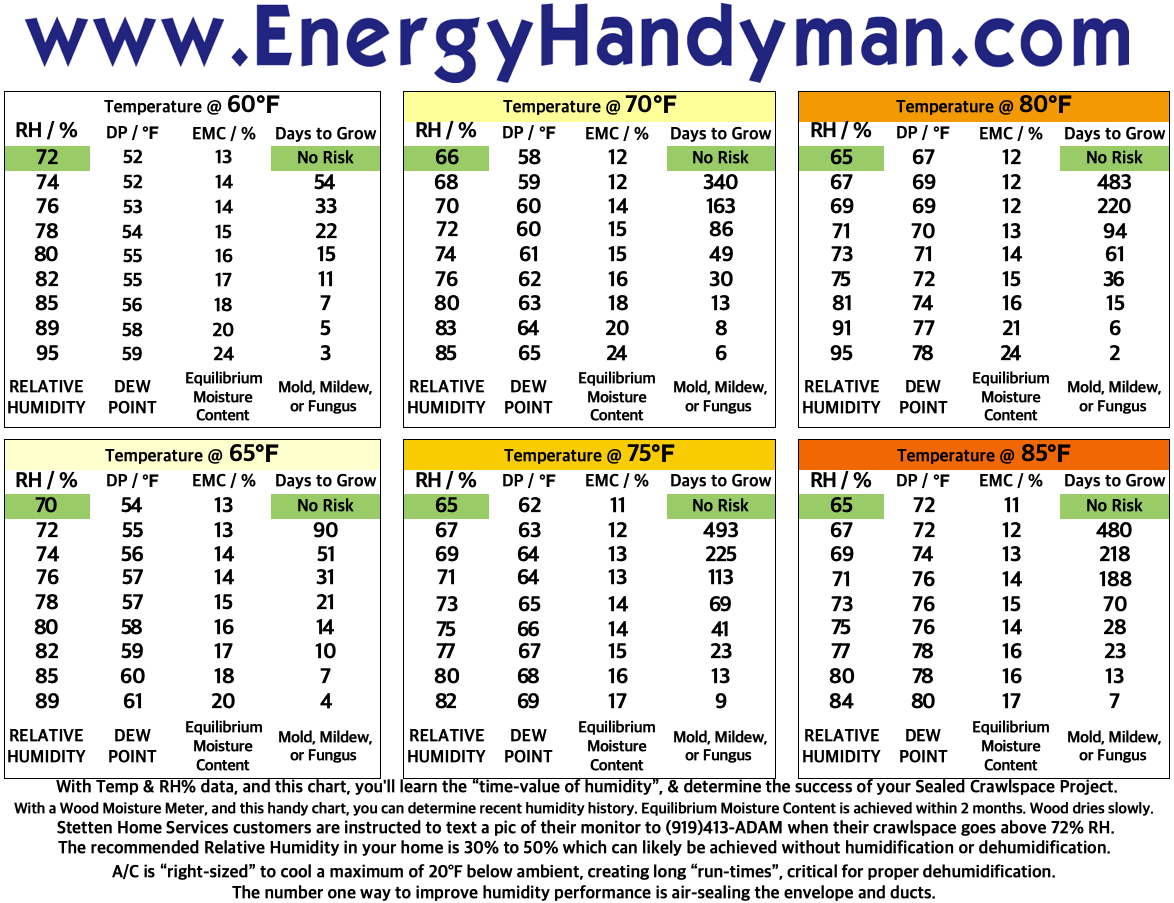
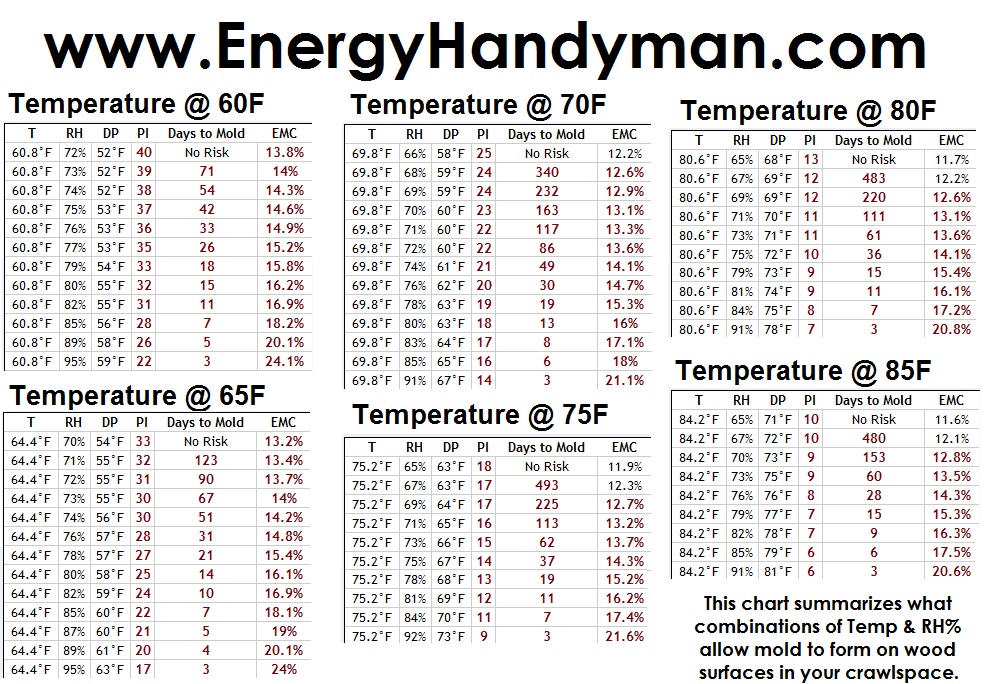
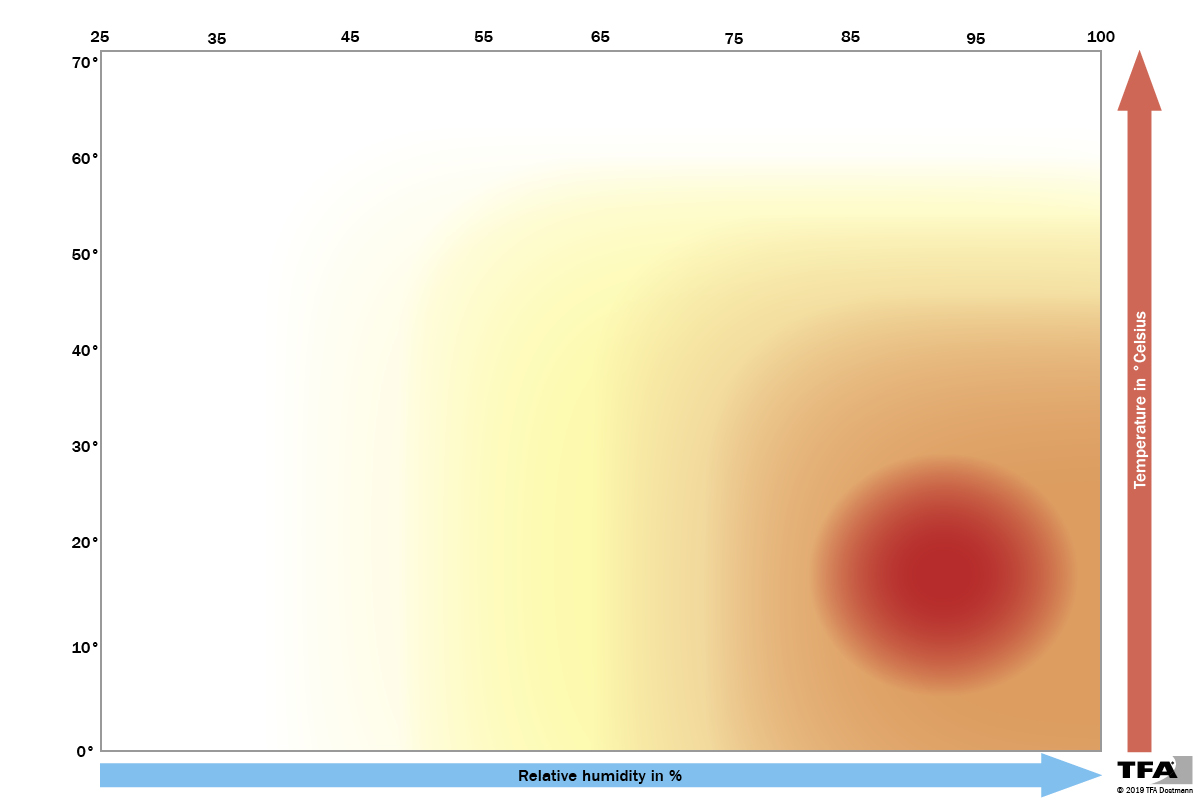
While the question “what temp does mold grow” points directly to a critical factor, mold growth is a multi-faceted environmental issue. Most molds thrive in temperatures between 60°F (15°C) and 80°F (27°C), which coincidentally, is often the comfortable indoor temperature range for many homes and commercial buildings. However, some molds can survive in much broader ranges, from just above freezing to well over 100°F (38°C). But temperature alone is rarely the sole trigger. The presence of moisture is paramount; mold spores require water to germinate and grow. This moisture can come from leaks, condensation, high humidity (above 60% relative humidity), or water damage. Add to this a food source – which can be almost any organic material like wood, drywall, carpet, insulation, or fabric – and oxygen, and you have the perfect recipe for a financially damaging infestation. Financially, this means any sustained moisture issue within comfortable ambient temperatures creates a high-risk scenario for expensive mold development.
The Silent Destroyer: How Mold Damages Property Value
Mold doesn’t just grow on surfaces; it infiltrates building materials, weakening structural integrity and causing irreversible damage. A persistent mold problem can lead to warped floors, rotted wood, crumbling drywall, and contaminated HVAC systems. Each of these damages requires costly repairs or outright replacement. Beyond direct repair costs, the mere presence of mold, or a history of mold issues, can significantly devalue a property. Potential buyers are often deterred by the health risks and the unknown extent of remediation, leading to lower offers or properties languishing on the market. For real estate investors, this translates directly into reduced returns on investment, prolonged holding costs, and increased capital expenditures. The perception of mold, even if remediated, can create a stigma that impacts marketability and sales price, directly hitting your bottom line.
Health Costs and Productivity Losses: A Human Capital Perspective
The financial impact of mold extends beyond property damage to human capital. Exposure to mold can trigger a range of health issues, including allergic reactions, asthma attacks, respiratory problems, skin irritation, and neurological symptoms. For individuals, this means increased medical bills, prescription costs, and potential lost wages due to illness. For businesses, mold in commercial properties can lead to employee absenteeism, reduced productivity, and potential liability lawsuits from sick workers or customers. Furthermore, the health concerns associated with mold can force temporary displacement of residents or closure of businesses during remediation, resulting in additional accommodation expenses, lost revenue, and business interruption costs. Viewing mold from a human capital perspective reveals another layer of significant, often overlooked, financial risk that stems directly from environmental conditions.
Proactive Measures: Investing in Prevention to Save Millions
Understanding the conditions for mold growth, particularly the role of temperature and moisture, empowers homeowners and businesses to adopt proactive strategies that are not just environmentally sound but also financially astute. Investing in prevention is invariably cheaper than paying for remediation. These measures turn potential liabilities into assets, safeguarding long-term financial health.
Smart Home Tech and HVAC Systems: Financial Returns on Environmental Control
Modern technology offers sophisticated tools for environmental control, proving to be invaluable investments in mold prevention. Smart thermostats, humidity sensors, and integrated HVAC systems can continuously monitor and adjust indoor conditions, ensuring that relative humidity remains below the critical 60% threshold and temperatures are managed efficiently. Dehumidifiers, especially in basements or humid climates, are essential for controlling moisture levels. While these systems represent an upfront cost, they offer substantial long-term financial returns by preventing costly mold damage, reducing energy consumption through optimized climate control, and increasing property value through improved indoor air quality and comfort. For commercial properties, advanced building management systems provide even greater control and data analytics, allowing facility managers to identify and address potential moisture issues before they escalate into expensive mold problems.
Insulation and Ventilation: Long-Term Savings Through Building Integrity
Effective insulation and proper ventilation are fundamental pillars of mold prevention and smart financial planning for any property owner. Poor insulation can lead to cold spots where warm, moist air condenses, creating ideal conditions for mold growth, especially in attics, basements, and exterior walls. Investing in high-quality insulation helps maintain consistent indoor temperatures, reduces condensation, and significantly cuts heating and cooling costs. Similarly, adequate ventilation, through exhaust fans in kitchens and bathrooms, attic vents, and balanced HVAC systems, helps remove excess moisture from the air before it can settle and foster mold. A well-ventilated building breathes, preventing stagnant, humid air from accumulating. These improvements enhance building integrity, extend the lifespan of materials, and avoid the recurring financial burden of mold remediation, making them sound, long-term investments.
Regular Inspections and Maintenance: A Prudent Investment
Perhaps the most straightforward yet often overlooked preventative measure is a regimen of regular inspections and maintenance. This isn’t just about spotting existing mold; it’s about identifying and addressing the underlying moisture problems that invite mold. This includes routine checks for leaks in plumbing, roofs, and foundations; ensuring gutters are clear and downspouts direct water away from the building; monitoring indoor humidity levels; and promptly addressing any water stains or musty odors. For property managers and commercial real estate owners, establishing a comprehensive preventative maintenance schedule, including HVAC filter changes and duct cleaning, is crucial for asset protection and tenant well-being. The small, consistent investment of time and resources in proactive maintenance pales in comparison to the potentially astronomical costs associated with extensive mold remediation and property damage.
Navigating the Financial Labyrinth of Mold Remediation
Despite best efforts, mold can still take hold, often due to unforeseen circumstances like burst pipes or severe weather events. Once identified, navigating the financial labyrinth of mold remediation becomes paramount. This stage demands careful financial planning, informed decision-making, and an understanding of potential pitfalls to prevent further monetary losses.
Estimating Remediation Costs: What to Expect
The cost of mold remediation can vary wildly, from a few hundred dollars for a small, contained patch to tens of thousands, or even hundreds of thousands, for extensive infestations requiring structural repairs. Factors influencing cost include the size of the affected area, the type of mold, the materials contaminated, the extent of structural damage, and the accessibility of the mold. For instance, mold in drywall might be a relatively straightforward cut-and-replace job, but mold in an HVAC system or behind finished walls requires more invasive, and thus more expensive, procedures. Expect costs to include containment setup, air filtration, removal of contaminated materials, specialized cleaning, structural drying, and post-remediation testing. Getting multiple, detailed estimates from certified professionals is crucial, as is understanding what each estimate covers. Failing to budget adequately for remediation can lead to incomplete jobs, recurring problems, and continuous financial drain.
Insurance Coverage: A Deep Dive into Policy Specifics
One of the most complex aspects of mold financially is insurance coverage. Many standard homeowners’ and commercial property insurance policies have strict limitations or exclusions for mold damage. Often, mold is only covered if it results from a “sudden and accidental” event, such as a burst pipe, and not from gradual water intrusion or neglect. Even then, there might be low sub-limits for mold remediation, leaving policyholders to cover a significant portion of the cost out-of-pocket. It is imperative to review your policy thoroughly before a mold incident occurs to understand what is covered, what isn’t, and what deductibles or limits apply. Some insurers offer mold riders or endorsements for additional coverage, which might be a worthwhile investment, particularly in humid climates or for older properties. For businesses, business interruption insurance might cover lost income during remediation, but again, policy specifics are critical. Understanding your insurance position is a fundamental part of managing the financial risk of mold.
Choosing the Right Professionals: Avoiding Costly Mistakes
The choice of a mold remediation professional is a critical financial decision. Opting for the cheapest bid without proper vetting can lead to substandard work, incomplete removal, and a quick recurrence of the problem, ultimately costing more in the long run. Look for certified remediators (e.g., IICRC, ACAC) with proven experience, comprehensive insurance, and transparent processes. They should provide a detailed scope of work, use proper containment and safety protocols, and offer post-remediation verification (clearance testing by a third party). Avoiding remediation altogether or attempting DIY removal of large infestations is a false economy; it risks health, spreads spores, and leaves underlying issues unresolved, guaranteeing future financial headaches. A professional job, while an initial expense, provides peace of mind and long-term savings by ensuring the problem is correctly and thoroughly addressed.
Mold and Real Estate: Impact on Property Values and Investment Returns
In the realm of real estate, mold is more than just a repair issue; it’s a significant financial liability that can profoundly affect property values, transactional integrity, and investment returns. Both sellers and buyers must navigate the financial implications of mold with diligence and transparency to protect their respective interests.
Disclosure Requirements and Legal Ramifications for Sellers
For property sellers, the presence of mold carries substantial legal and financial risks. Many jurisdictions have strict disclosure laws requiring sellers to inform prospective buyers of known mold issues, past or present. Failure to disclose can lead to costly lawsuits, rescinded sales, or demands for significant price reductions post-sale. Even if mold has been remediated, sellers may still need to disclose the history and provide documentation of professional remediation and post-clearance testing. Beyond legal obligations, a known mold issue can deter buyers or significantly reduce the property’s market value. Proactive remediation and transparent disclosure, while initially expensive, are crucial for facilitating a smooth transaction, avoiding legal entanglements, and achieving the best possible sale price in the long run. The financial penalty for non-disclosure far outweighs the cost of addressing the problem head-on.
Buyer Due Diligence: Protecting Your Investment
For property buyers, mold represents a latent financial risk that demands thorough due diligence. Relying solely on a general home inspection might not be enough, as mold can often be hidden behind walls, under flooring, or in attics. Buyers should consider ordering specific mold inspections, especially if there are signs of past water damage, musty odors, or if the property is in a high-humidity area. Contingencies in purchase agreements allowing for mold inspection and satisfactory remediation before closing are vital. Discovering mold after purchase can lead to immediate, unforeseen expenses for remediation, structural repairs, and potential health issues, eroding investment returns and causing significant financial stress. For real estate investors, a pre-purchase mold assessment is a non-negotiable step to accurately price a property, budget for necessary repairs, and ensure a healthy return on investment.
Rental Properties: Maximizing ROI While Minimizing Mold Risk
Owners of rental properties face a unique set of financial considerations regarding mold. Maximizing return on investment (ROI) means keeping properties occupied and in good condition, but mold can quickly undermine both. Landlords have a legal and ethical obligation to provide a safe and habitable living environment, which includes protecting tenants from mold exposure. Neglecting mold issues can lead to tenant complaints, lease terminations, legal battles, health claims, and significant financial penalties. Proactive mold prevention, consistent property maintenance, and prompt remediation are essential for maintaining tenant satisfaction, reducing vacancy rates, avoiding litigation, and preserving the property’s long-term value. Investing in preventative measures like good ventilation, regular inspections, and quick repair of leaks directly contributes to sustained rental income and a higher ROI.
Beyond the Basics: Advanced Strategies for Mold Risk Management in Business & Finance
For larger organizations, commercial property owners, and institutional investors, mold risk management extends beyond individual property concerns into sophisticated strategies involving portfolio management, supply chains, and emerging technologies.
Commercial Property Management: Safeguarding Assets and Occupants
In commercial settings, the financial stakes of mold are amplified. Large buildings, complex HVAC systems, and a high volume of occupants mean that mold can spread rapidly and affect many people, leading to significant business interruption, legal liabilities, and reputational damage. Property managers must implement robust mold risk management plans that include regular environmental assessments, advanced moisture detection systems, rapid response protocols for water incidents, and comprehensive training for maintenance staff. Collaborating with environmental consultants for periodic audits can identify vulnerabilities before they manifest as costly mold outbreaks. Safeguarding commercial assets and ensuring the health and safety of occupants directly impacts operational continuity, tenant retention, and the overall financial performance of the portfolio.
Investment Portfolios: Assessing and Mitigating Property-Related Risks
For investors with diversified real estate portfolios, understanding and mitigating mold risk is a crucial component of financial strategy. This involves not just individual property assessments but also macro-level considerations, such as climate change impacts (increased flooding, humidity), regional building codes, and insurance market trends. Investors should incorporate mold risk assessments into their due diligence for potential acquisitions, factoring in potential remediation costs and ongoing maintenance requirements into financial models. Diversifying geographic holdings can also spread risk. Furthermore, institutional investors might explore specialized funds or investment vehicles that focus on properties with strong environmental controls and resilience strategies, seeing mold prevention as a key indicator of long-term asset stability and value.
The Emerging Market for Mold Prevention and Remediation Technologies
The escalating financial burden of mold has spurred innovation, creating an emerging market for advanced prevention and remediation technologies. This presents opportunities for both investment and cost-saving. From smart building materials embedded with antimicrobial agents to sophisticated AI-driven predictive analytics that identify moisture risks, and new, less invasive remediation techniques, the landscape is evolving. Businesses involved in construction, property management, and specialized services can invest in or adopt these technologies to gain a competitive edge, offer superior risk mitigation to clients, and improve their own financial resilience against mold. Understanding this evolving technological frontier is key for finance professionals looking to identify growth opportunities or enhance their existing risk management frameworks.
In conclusion, the seemingly simple question of “what temp does mold grow” opens the door to a complex and pervasive set of financial challenges. From the immediate costs of property damage and remediation to the long-term impacts on asset value, health, and legal liability, mold demands serious attention from anyone concerned with financial well-being. By understanding the environmental conditions that foster mold, investing in proactive prevention, navigating remediation with informed decisions, and incorporating mold risk into broader financial and real estate strategies, individuals and organizations can protect their wealth and mitigate one of nature’s most financially insidious threats.
aViewFromTheCave is a participant in the Amazon Services LLC Associates Program, an affiliate advertising program designed to provide a means for sites to earn advertising fees by advertising and linking to Amazon.com. Amazon, the Amazon logo, AmazonSupply, and the AmazonSupply logo are trademarks of Amazon.com, Inc. or its affiliates. As an Amazon Associate we earn affiliate commissions from qualifying purchases.