
In the ongoing quest to manage household expenses and live more comfortably without breaking the bank, heating costs often represent a significant portion of a homeowner’s budget. As temperatures drop, the allure of supplemental heating in specific areas of the home becomes undeniable. Space heaters offer a flexible solution, allowing for “zone heating” – warming only the occupied spaces rather than the entire house. However, the perceived convenience of these devices can quickly turn into a financial burden if not chosen wisely. The key to smart, cost-effective zone heating lies in understanding which space heaters are truly the most energy efficient, directly translating to substantial savings on your monthly electricity bill.

Choosing an energy-efficient space heater isn’t just about environmental responsibility; it’s a critical personal finance decision. An inefficient model, regardless of its upfront cost, will steadily drain your wallet through higher utility bills. Conversely, investing a little more initially in a highly efficient unit can yield significant financial returns over its lifespan. This guide will delve into the financial implications of different space heater types and features, helping you make an informed decision that benefits both your comfort and your bank account.
Understanding the Financial Impact of Space Heater Choices
The decision to purchase a space heater often stems from a desire to reduce overall heating costs by avoiding the activation of a central heating system for a single room. However, this strategy only pays off if the space heater itself is financially efficient in its operation.
The Hidden Costs of Inefficient Heating
At its core, a space heater consumes electricity, and electricity costs money. Every watt of power used contributes to your utility bill. Inefficient heaters convert less of that electrical energy into usable heat, meaning a larger portion is wasted, and you’re paying for heat you don’t receive. The “hidden cost” isn’t immediately obvious in the purchase price; it slowly accumulates with every hour the heater operates. High-wattage heaters, while potentially powerful, can be incredibly expensive to run if they lack the efficiency to deliver that power effectively into your space. Understanding kilowatt-hours (kWh) – the unit by which electricity is billed – and how a heater’s wattage (e.g., 1500W) translates into kWh consumed per hour (1.5 kWh) is fundamental to predicting your ongoing financial outlay.
Short-Term Savings vs. Long-Term Investment
It’s tempting to opt for the cheapest space heater available, especially when faced with an immediate need for warmth. However, this common financial pitfall often leads to higher long-term costs. A low-priced, inefficient heater might save you $20 upfront compared to a more efficient model, but it could easily cost you hundreds more in electricity bills over a single winter season.
Think of an energy-efficient space heater as a smart financial investment. While it might have a slightly higher initial cost, its reduced operational expenses (due to lower energy consumption for the same heating output) lead to a quicker payback period and continued savings year after year. This perspective shifts the focus from just the purchase price to the total cost of ownership, which includes both the initial outlay and the ongoing operational expenses – a crucial concept in sound personal finance.
The Role of Zone Heating in Budget Management
The primary financial benefit of using a space heater is the ability to engage in zone heating. Rather than turning up your central thermostat to heat an entire home to your desired comfort level, you can heat just the room you’re occupying. This strategy is a cornerstone of effective budget management for household utilities.
For instance, if your central heating system costs $3 per hour to run, but a space heater in your living room costs only $0.30 per hour, you’re achieving a significant saving of $2.70 per hour for targeted warmth. However, this financial advantage is eroded if the space heater itself is a power hog. Choosing an energy-efficient space heater ensures that your zone heating strategy remains financially viable, maximizing the delta between the cost of heating an entire home and the cost of heating a single room.
Types of Space Heaters and Their Energy Efficiency (from a Financial Perspective)
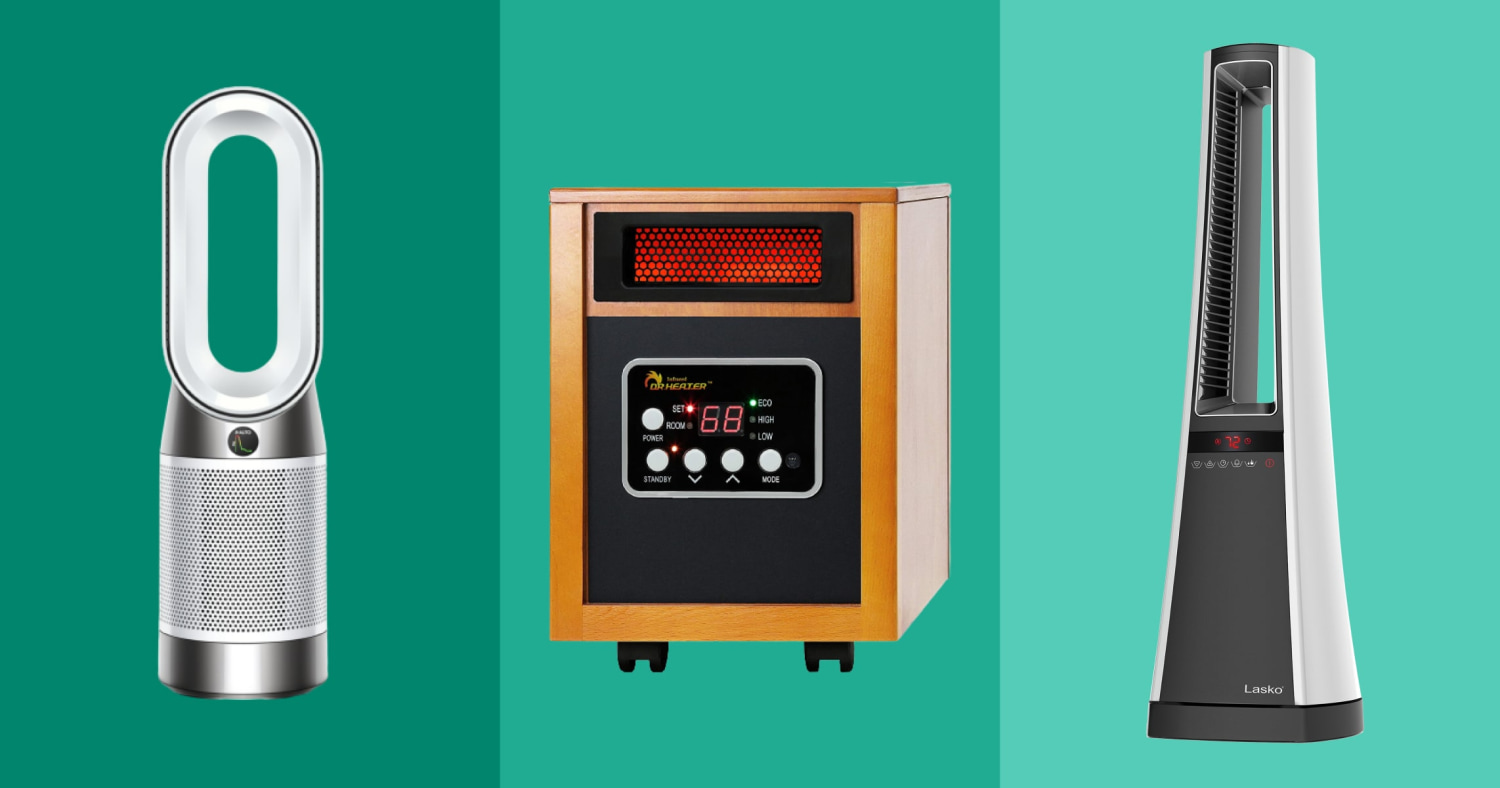
Not all space heaters are created equal when it comes to converting electricity into usable heat and, consequently, their financial impact on your wallet. Understanding the distinct operating principles of each type helps you align your heating needs with the most budget-friendly solution.
Convection Heaters (Oil-Filled Radiators, Ceramic Heaters)
Convection heaters work by warming the air in a room, which then circulates to distribute the heat.
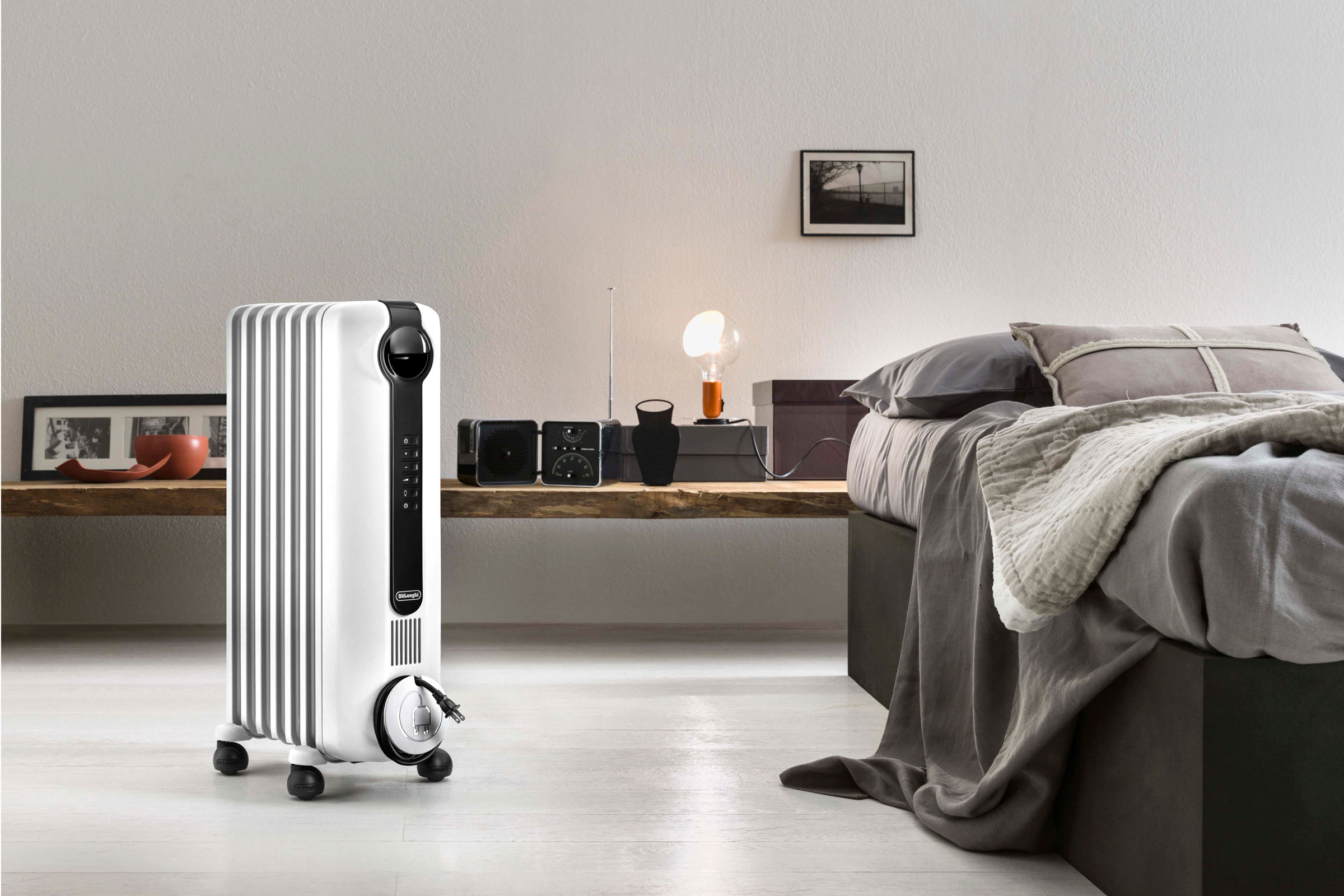
- Oil-Filled Radiators: These units heat diathermic oil internally, which then radiates warmth and heats the surrounding air. They are known for providing slow, steady, and consistent heat that lingers even after the unit is turned off.
- Financial Angle: While they take longer to warm up, their ability to retain heat and distribute it evenly can be a financial advantage. They often cycle less frequently once the desired temperature is reached, leading to more stable energy consumption and predictable electricity bills. Ideal for consistent, ambient warmth in a budget-conscious manner, especially when paired with a programmable thermostat to maintain temperature without constant power surges.
- Ceramic Heaters: These use a ceramic heating element and a fan to quickly warm and circulate air.
- Financial Angle: They offer quick heat-up times, making them suitable for short-duration heating needs. However, the continuous fan operation can sometimes consume more energy than passive convection over extended periods. Their efficiency shines when used for rapid, targeted warmth in smaller spaces, helping to avoid heating a larger area unnecessarily.
Radiant Heaters (Infrared, Quartz)
Radiant heaters work by emitting infrared radiation that directly warms objects and people in its path, much like the sun. They don’t heat the air around them significantly.
- Financial Angle: This direct heating method makes radiant heaters highly efficient for personal warmth or in specific, open areas where heating the entire air volume would be wasteful. You feel warm almost instantly, meaning you might not need to run the heater for as long. This immediate, targeted effect can lead to significant financial savings, especially in drafty rooms or if you only need warmth while sitting at a desk. They are less effective for warming a whole room, so their financial benefit is maximized when used for specific, personal heating applications.
Micathermic Heaters
Micathermic heaters combine elements of both radiant and convection heating, using mica heating elements. They often warm up very quickly and radiate heat from two sides.
- Financial Angle: These heaters offer a good balance, providing quick, noticeable warmth (radiant) while also contributing to overall room temperature (convection). They are typically lightweight and can be very energy-efficient due to their rapid heating capabilities and ability to distribute heat effectively without a fan. This quick-action warmth translates to financial savings as you might need to run them for shorter durations to achieve comfort.
Fan-Forced Heaters
These heaters use a heating coil and a powerful fan to blow hot air into a room.
- Financial Angle: Fan-forced heaters are excellent for rapid, localized warmth and quickly raising the temperature in a small space. However, their continuous fan operation and the nature of blowing hot air can sometimes make them less efficient for sustained heating of a larger space compared to radiant or convection methods. They are best for very short-term, on-demand financial savings, quickly taking the chill out of a room before you might rely on another heating method or leave the space.
Key Features to Prioritize for Maximum Financial Savings
Beyond the type of heater, specific built-in features play a pivotal role in optimizing energy use and, consequently, maximizing your financial savings.
Programmable Thermostats and Timers
These are perhaps the most critical features for financial efficiency.
- Programmable Thermostats: Allow you to set a desired temperature, and the heater will cycle on and off to maintain it. This prevents overheating a room and wasting energy. The ability to precisely control the heat output means you’re only paying for the warmth you truly need, avoiding unnecessary consumption.
- Timers: Enable you to set specific operating periods. You can program the heater to turn off after you leave a room or to pre-heat a room before you arrive, eliminating the risk of forgetting to turn it off and incurring wasteful charges. These features transform a simple appliance into a smart financial tool, ensuring controlled spending.
Eco-Modes and Energy-Saving Settings
Many modern space heaters include “Eco-Modes” or similar energy-saving settings. These modes are designed to optimize power usage by automatically adjusting wattage or cycling patterns to maintain comfort while minimizing electricity draw. For example, an Eco-Mode might run the heater at a lower wattage once the room reaches a certain temperature, rather than continuously cycling at full power. Activating these modes can lead to measurable reductions in your energy bill over time, representing a direct financial benefit.
Wattage and BTU Ratings vs. Room Size
Matching the heater’s power output to the size of the room is crucial for financial efficiency.
- Wattage: Most residential space heaters are capped at 1500 watts (W) to safely operate on standard household circuits. A higher wattage generally means more heat, but also higher energy consumption.
- BTU (British Thermal Units): Roughly, 10 watts are needed to heat 1 square foot of space. So, a 1500W heater can effectively heat a room up to 150 square feet.
Using an underpowered heater in a large room will result in it running continuously at maximum capacity without ever reaching the desired warmth, leading to wasted electricity and no comfort. Conversely, an overpowered heater in a small room will cycle on and off frequently, potentially overheating the space and consuming more energy than necessary. Investing in a heater with appropriate wattage for your room size avoids both these scenarios, ensuring optimal performance for the lowest operational cost.
Safety Features and Their Indirect Financial Benefits
While not directly related to energy consumption, safety features like overheat protection and tip-over switches have significant indirect financial benefits. Preventing accidents – such as fires, electrical damage to your home, or personal injury – can save you from immense financial losses due to property damage, insurance deductibles, or medical bills. These features represent a safeguard for your assets and your personal well-being, making them a wise investment from a comprehensive financial planning perspective.
Practical Strategies for Maximizing Energy Savings (and Your Money)
Even with the most energy-efficient space heater, how you use it and the environment it operates in can significantly impact your overall financial outlay.
Strategic Placement for Optimal Heat Distribution
Where you place your space heater matters. Positioning it away from drafts (like leaky windows or doors) prevents the warm air from being immediately whisked away, forcing the heater to work harder. Placing it in an area where its warmth can directly reach occupants (especially for radiant heaters) maximizes its effectiveness. Avoid placing it too close to furniture that could block heat flow. Optimal placement ensures that the heat generated is efficiently utilized, reducing the need for higher settings or longer run times, thereby saving energy and money.
Insulation and Draft Proofing
No matter how efficient your space heater, a poorly insulated or drafty room will continuously bleed heat, effectively throwing your money out the window. Before relying heavily on a space heater, assess your room’s insulation. Simple, inexpensive improvements like weatherstripping around windows and doors, using draft stoppers, or installing heavier curtains can dramatically reduce heat loss. These basic home improvements are foundational for significant, long-term financial gains in heating costs, making your space heater’s job easier and more cost-effective.
The “Layer Up” Approach
Sometimes, the most energy-efficient (and cheapest) heating solution doesn’t involve electricity at all. Before reaching for the heater’s dial, consider adding an extra layer of clothing, wrapping up in a blanket, or drinking a warm beverage. These personal warmth strategies require zero energy input and are the ultimate in financial efficiency. They can often delay the need to turn on a space heater or allow you to use it at a lower setting for a shorter duration.
Comparing Energy Costs (Online Calculators)
Before making a purchase, leverage online tools and calculators that estimate the operating cost of different space heater models based on your local electricity rates and the heater’s wattage. This proactive step in your financial planning allows you to compare models not just by their purchase price but by their true cost over time, giving you a clear financial picture and helping you identify the best investment.
Making the Smart Financial Investment in Home Heating
Choosing the right space heater is more than just about warmth; it’s a strategic personal finance decision that impacts your household budget. By understanding the types of heaters, prioritizing energy-saving features, and implementing smart usage strategies, you can transform a potential money pit into a cost-effective solution for targeted warmth.
An energy-efficient space heater is an investment that pays dividends through lower utility bills, allowing you to manage your personal finances more effectively while enjoying a comfortable home environment. Prioritize models with programmable thermostats, eco-modes, and appropriate wattage for your space. Couple this informed choice with practical energy-saving habits, and you’ll not only stay warm but also keep your financial goals firmly on track. Make an informed decision, and let your space heater contribute to both your comfort and your financial well-being.
aViewFromTheCave is a participant in the Amazon Services LLC Associates Program, an affiliate advertising program designed to provide a means for sites to earn advertising fees by advertising and linking to Amazon.com. Amazon, the Amazon logo, AmazonSupply, and the AmazonSupply logo are trademarks of Amazon.com, Inc. or its affiliates. As an Amazon Associate we earn affiliate commissions from qualifying purchases.