
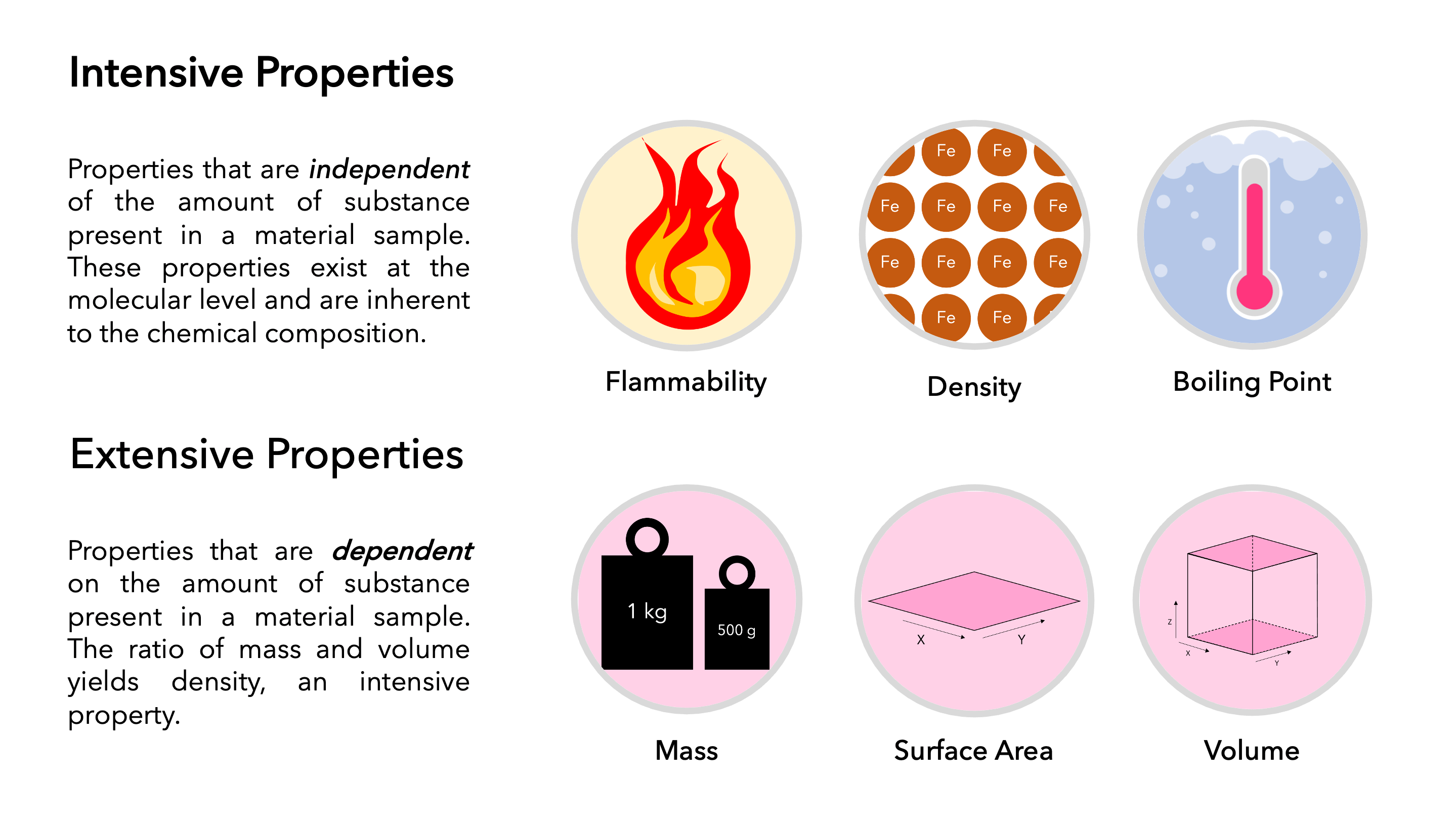
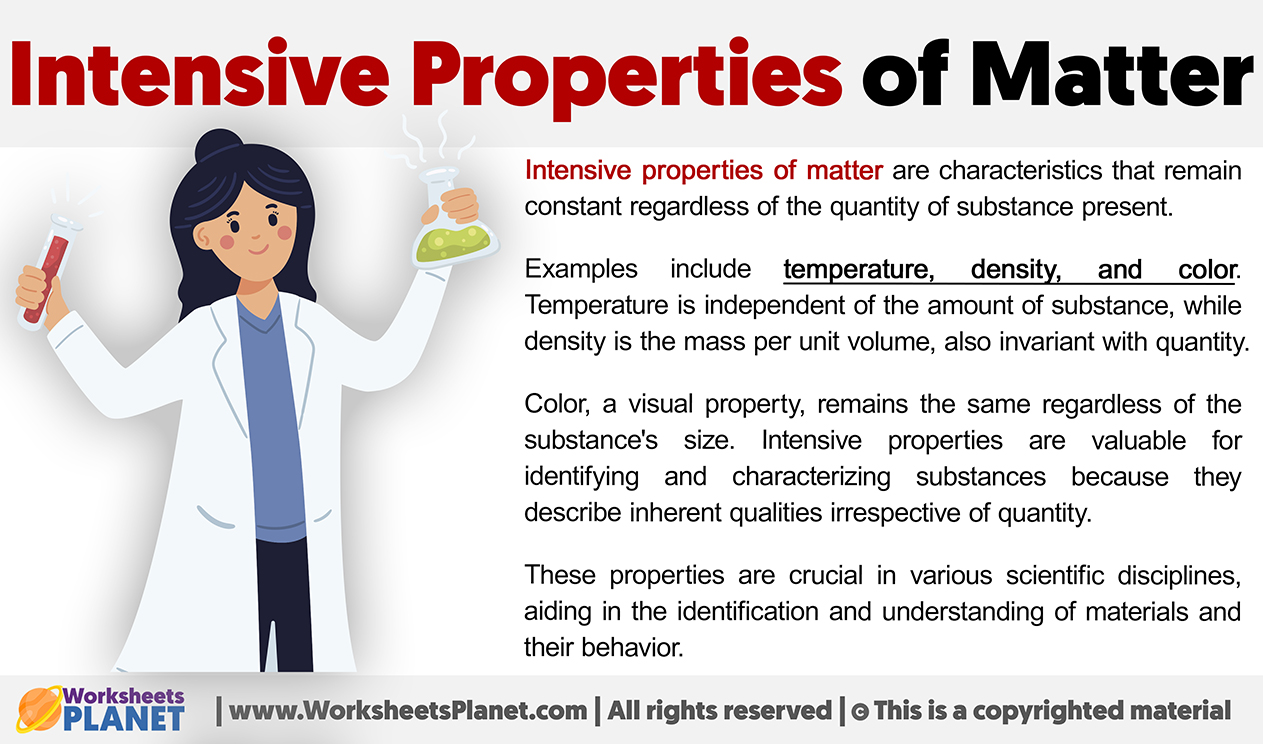
In the scientific realm, an intensive property of matter is a characteristic that does not depend on the amount of substance present. Think of temperature, density, or color – a drop of water has the same temperature and density as a swimming pool of water. These properties are intrinsic to the substance itself, defining its fundamental nature regardless of its quantity or scale.
When we transpose this powerful concept from the laboratory to the dynamic world of commerce, it offers a profound lens through which to examine brand identity and longevity. In branding, an “intensive property” refers to the core, inherent, and unchanging characteristics that define a brand’s essence, regardless of its market share, product portfolio size, revenue, or geographical reach. These are the foundational truths that anchor a brand, providing its unique identity and enduring appeal. Just as a material’s melting point remains constant whether you have a gram or a ton, a brand’s intensive properties – its values, unique proposition, and personality – should remain steadfast whether it’s a startup or a multinational conglomerate.

Understanding and meticulously cultivating these intensive brand properties is not merely an academic exercise; it is a strategic imperative for any entity aiming for sustainable growth, authentic connection, and resilience in an ever-evolving market. This article will delve into what constitutes these intensive brand properties, why they are indispensable, and how businesses can effectively identify, embed, and communicate them to forge powerful and lasting brand legacies.
Unpacking the Core: Defining Intensive Brand Properties
The intensive properties of a brand are its immutable genetic code, guiding its existence and interaction with the world. They are the answers to “who are we, truly?” and “what do we stand for, always?” These properties manifest in several critical dimensions:
Brand Essence and Values
At the heart of every successful brand lies a clear and compelling essence, underpinned by a set of non-negotiable values. These are the fundamental beliefs and principles that guide every decision, inform every action, and resonate through every communication. Brand essence is the single, most compelling idea that a brand owns in the mind of its audience – simple, differentiating, and meaningful. Its values are the operational definitions of that essence.
Consider Patagonia, whose intensive properties include an unwavering commitment to environmental activism and a dedication to quality and durability in its products. These aren’t marketing slogans; they are deeply ingrained values that dictate everything from their supply chain choices to their repair services and political advocacy. Similarly, Apple’s intensive properties revolve around innovation, simplicity, and user-centric design. These aren’t contingent on how many iPhones they sell; they are the bedrock principles guiding their product development and user experience across all devices. These values provide an internal compass, ensuring that even as products evolve and markets shift, the brand’s core identity remains intact and authentic.
Unique Value Proposition (UVP)
While often confused with features or benefits, a brand’s Unique Value Proposition (UVP) is an intensive property because it articulates the fundamental, distinct benefit or solution the brand offers that no competitor can perfectly replicate, irrespective of market scale. It’s the core promise that defines why a customer should choose this brand, fundamentally speaking. It’s not about being the biggest or cheapest; it’s about being inherently different and better in a specific, meaningful way.
Take, for instance, Tesla’s UVP. Beyond electric vehicles, their intensive property lies in pioneering sustainable energy transportation and disrupting established industries through cutting-edge technology and innovation. This promise of innovation and sustainability defines them, whether they sell one car or a million. It is a constant, independent of the quantity of products they offer or the size of their market share. The UVP is the core problem-solving identity of the brand, consistent across its various manifestations.
Brand Personality and Voice
A brand’s personality and voice are the consistent emotional and stylistic attributes that define how it communicates and interacts with its audience. This isn’t about what it says, but how it says it, and the emotional resonance it evokes. This consistency in tone, attitude, and visual style becomes an intensive property, as it should remain coherent across all touchpoints, regardless of the specific message or platform.
For example, the brand personality of Innocent Drinks is consistently playful, wholesome, and approachable, regardless of whether they are advertising a smoothie or a juice. Rolex, conversely, exudes an aura of timeless prestige, precision, and heritage across all its marketing materials and customer interactions. These personalities are inherent to the brands; they don’t fluctuate with changes in advertising campaigns or product lines. They are carefully crafted and consistently maintained facets of their identity that contribute significantly to their recognizability and emotional connection with consumers.
The Imperative of Intrinsic Strength: Why Intensive Properties Matter
The focus on intensive brand properties is not just about abstract definitions; it translates directly into tangible business advantages, providing the foundation for enduring success.
Building Authenticity and Trust
Consistency, born from a steadfast adherence to intensive properties, is the bedrock of authenticity. When a brand’s stated values, personality, and UVP are consistently reflected in its products, services, communications, and internal culture, it fosters deep trust with its audience. Consumers are increasingly discerning and value brands that stand for something genuine. Any disconnect between what a brand claims to be and what it actually does—a misalignment between its intensive properties and its outward extensive manifestations—quickly erodes trust and damages reputation. Brands that possess strong, clearly articulated, and consistently lived intensive properties are perceived as more reliable, honest, and deserving of loyalty.
Fostering Differentiation in a Crowded Market
In today’s hyper-competitive marketplace, product features and pricing (which are more akin to “extensive” properties, as they can be scaled and replicated) are often easy for competitors to imitate. What is difficult to copy, however, is a brand’s unique combination of core values, distinct personality, and inherent value proposition. These intensive properties create true differentiation. They carve out a unique space in the minds and hearts of consumers, making the brand stand out not just for what it offers, but for who it is. This intrinsic difference provides a competitive moat that is far more resilient than any fleeting advantage in features or price. It allows brands to transcend mere transactional relationships and build emotional bonds.
Resilience and Adaptability
Markets are dynamic, consumer preferences shift, and unforeseen crises can emerge. In such an environment, brands need an anchor to navigate change without losing their identity. Intensive properties provide this essential stability. While product lines may change, technologies evolve, or marketing strategies pivot (these are extensive adjustments), a brand’s core values and essence provide a stable point of reference. They allow a brand to adapt to new trends or expand into new categories while remaining true to its fundamental identity. A brand with strong intensive properties can innovate, take risks, and even weather criticism because its core remains understood and appreciated by its audience. This inherent strength ensures long-term relevance and prevents the brand from being merely a fleeting trend.
Cultivating and Communicating Intensive Brand Properties
Identifying and defining a brand’s intensive properties is only the first step. The true challenge lies in embedding them deeply within the organization and consistently communicating them to the world.
Deep Dive into Brand Discovery
The process of unearthing a brand’s intensive properties requires introspection and rigorous analysis. It often involves a comprehensive brand discovery phase that goes beyond superficial attributes. This includes stakeholder interviews with founders, leadership, and employees to uncover original vision and inherent beliefs. Market research, competitive analysis, and customer surveys help validate perceptions and identify white space for unique positioning. Workshops designed to articulate mission, vision, and core values are crucial. The goal is to move beyond generic statements and pinpoint the truly unique, non-negotiable elements that define the brand at its very core. This foundational work ensures that the identified intensive properties are authentic and resonate both internally and externally.
Embedding Properties in Corporate Culture
A brand’s intensive properties cannot solely exist as external messaging; they must be lived and breathed within the organization itself. Corporate culture is the internal manifestation of these properties. From hiring practices and employee onboarding to internal communications, reward systems, and leadership behavior, every aspect of the workplace should reflect the brand’s core values and personality. When employees embody the brand’s intensive properties, they become its most authentic advocates, naturally extending its essence to customer interactions, product development, and problem-solving. A strong, value-driven culture ensures that the brand’s identity is organic and self-sustaining, not merely a facade.
Consistent Storytelling Across All Touchpoints
Once identified and internally embedded, intensive brand properties must be consistently communicated across every single touchpoint with the outside world. This requires a cohesive brand strategy that integrates messaging, visual identity, product design, customer service, and digital experience. Every advertisement, social media post, website interaction, packaging design, and customer support call should reinforce the brand’s core essence, UVP, and personality. Maintaining this consistency prevents dilution of the brand message and ensures that the brand’s intensive properties are clearly understood and experienced by its audience, building a unified and powerful narrative that resonates deeply.
Intensive vs. Extensive Properties: A Balanced Perspective
To fully grasp the significance of intensive properties, it’s helpful to distinguish them from their counterparts: extensive properties.
Understanding the Distinction
- Extensive Properties (in Branding): These are characteristics that depend on the amount or scale of the brand. Examples include market share, revenue, number of employees, total products sold, product line breadth, or geographic reach. These properties are crucial metrics for business growth and market performance. A larger company will naturally have higher revenue and potentially a broader product range than a smaller one.
- Intensive Properties (in Branding): As discussed, these are the inherent, defining qualities that are independent of scale. Core values, brand essence, unique value proposition, and brand personality do not change whether a brand is a small local business or a global enterprise. They define what the brand fundamentally is, not how much of it there is.
The Synergy for Sustainable Growth
Both intensive and extensive properties are vital for a brand’s success, and they work in synergy. Intensive properties provide the necessary foundation, direction, and differentiation. They are the immutable anchors that define the brand’s identity and guide its evolution. Without strong intensive properties, extensive growth can be unfocused, leading to brand dilution, loss of authenticity, and ultimately, unsustainable expansion.
Conversely, extensive properties represent the growth and reach that a strong brand foundation can achieve. A brand with compelling intensive properties is better positioned to gain market share, increase revenue, and expand its offerings because its core identity provides a clear path and a compelling reason for consumers to engage. Sustainable growth occurs when extensive properties are built upon a solid bedrock of intensive properties, ensuring that expansion doesn’t come at the cost of identity or authenticity.
Case Studies: Brands Defined by Their Intensive Properties
Examining successful brands reveals how their intensive properties have been central to their enduring appeal and market leadership.
Patagonia
Patagonia’s commitment to environmentalism and producing high-quality, durable outdoor gear are profound intensive properties. These aren’t just marketing claims; they are embedded in their business model, supply chain, and corporate activism. Their “Worn Wear” program encouraging repairs and resale, and their public stances on environmental policies, are direct manifestations of these core values. This unwavering dedication resonates deeply with their target audience, creating fierce loyalty irrespective of how many jackets they sell or their quarterly profits.
Tesla
While Tesla is known for its electric vehicles, its intensive properties extend far beyond that. Its core identity is rooted in accelerating the world’s transition to sustainable energy, pioneering technological innovation, and disrupting established industries. This mission defines everything they do, from battery technology to solar solutions and AI development. Regardless of production challenges or market fluctuations, Tesla’s commitment to innovation and sustainability remains its driving force and its most compelling attribute for its followers.
Airbnb
Airbnb’s initial and enduring intensive property is the concept of “belonging” and fostering unique, community-driven travel experiences. This goes beyond merely booking accommodation (an extensive offering). Their platform connects people, offering a sense of local immersion and personal connection that traditional hotels often lack. This core idea of community and unique experience has guided their expansion into various travel-related services, always centered on their intensive property of belonging.
Conclusion
The scientific concept of intensive properties, when applied to branding, provides an invaluable framework for understanding what truly makes a brand resilient, authentic, and successful. These are the deep, unchanging characteristics – the brand’s essence, values, unique value proposition, and personality – that define its core identity, independent of its size or market performance.
In an increasingly commoditized world, where extensive properties like price and features are easily replicated, the power of intensive properties becomes paramount. They build trust, foster genuine differentiation, and provide the unwavering anchor necessary for long-term adaptability and growth. For any organization striving to build a legacy rather than just a fleeting trend, the imperative is clear: look inward, meticulously define your brand’s intensive properties, embed them deeply within your culture, and communicate them with unwavering consistency. It is in this intrinsic strength that true, enduring brand power resides.
aViewFromTheCave is a participant in the Amazon Services LLC Associates Program, an affiliate advertising program designed to provide a means for sites to earn advertising fees by advertising and linking to Amazon.com. Amazon, the Amazon logo, AmazonSupply, and the AmazonSupply logo are trademarks of Amazon.com, Inc. or its affiliates. As an Amazon Associate we earn affiliate commissions from qualifying purchases.