
The journey of a drug within the human body is a complex dance between chemistry, biology, and physiology. Understanding this journey is paramount for developing effective and safe medications. At the heart of this understanding lie two foundational pillars of pharmacology: pharmacokinetics (PK) and pharmacodynamics (PD). While often discussed together, they represent distinct yet interconnected facets of a drug’s interaction with a living system. In the digital age, advanced technologies, from sophisticated modeling software to artificial intelligence, are revolutionizing how we differentiate, study, and leverage PK and PD insights for drug design, personalized medicine, and therapeutic optimization.

Understanding the Core Concepts Through a Digital Lens
Pharmacokinetics and pharmacodynamics are distinct processes that describe different aspects of a drug’s interaction with the body. PK focuses on “what the body does to the drug,” encompassing its movement and modification, while PD describes “what the drug does to the body,” focusing on its effects. Technology provides us with the tools to precisely measure, model, and predict these interactions.
Pharmacokinetics: The Body’s Influence on the Drug
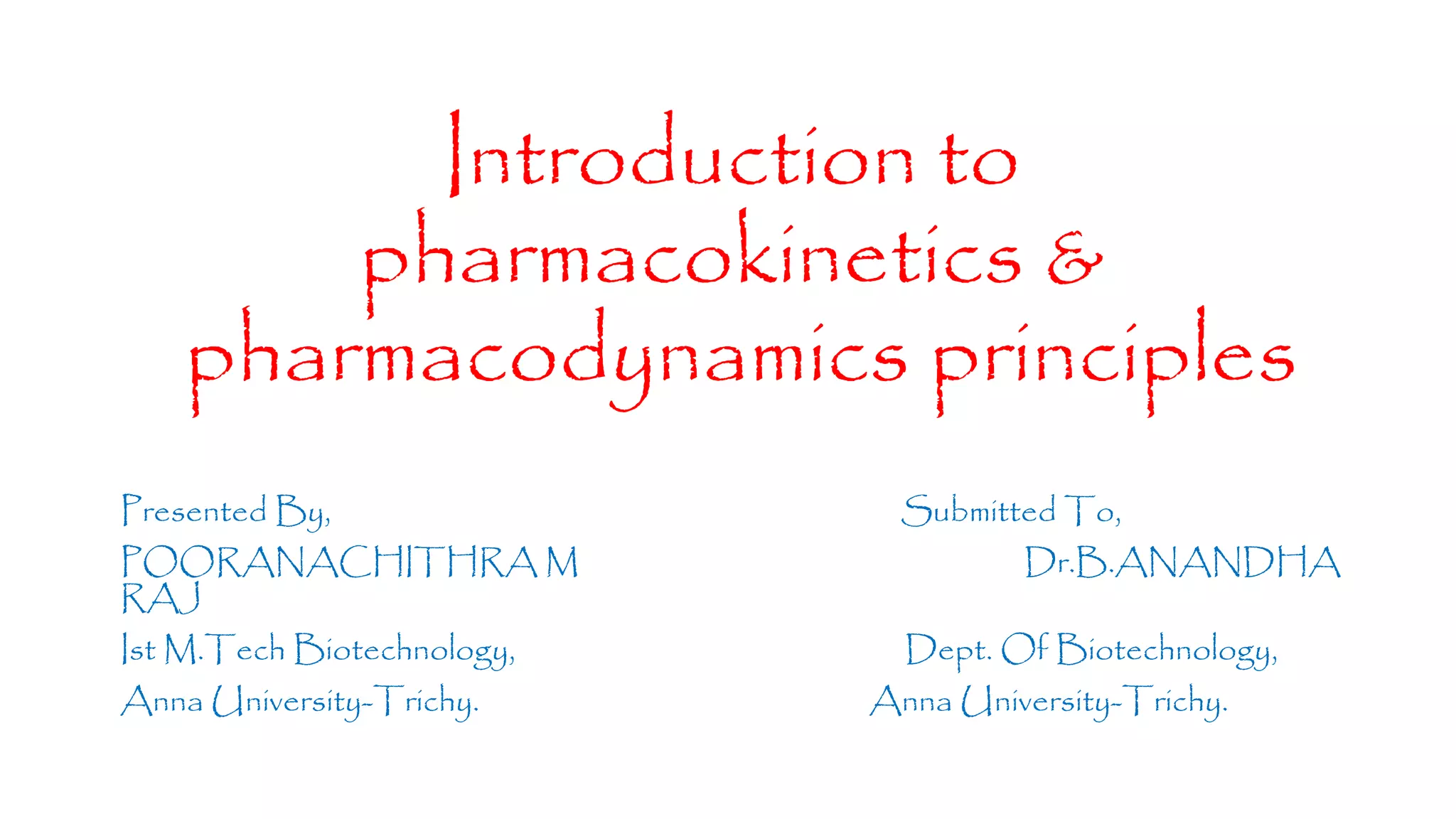
Pharmacokinetics describes the quantitative study of drug disposition in the body, which can be summarized by the acronym ADME: Absorption, Distribution, Metabolism, and Excretion. Each of these stages is now extensively characterized and predicted using computational and analytical technologies.
- Absorption (A): This is how the drug enters the systemic circulation from its site of administration (e.g., gut for oral drugs, muscle for intramuscular injections).
- Technological Insight: In silico models (computer simulations) use physicochemical properties of drugs to predict their permeability across biological membranes and dissolution rates. High-throughput screening systems, automated liquid handlers, and robotic platforms facilitate rapid testing of absorption characteristics in various in vitro models, generating vast datasets analyzed by machine learning algorithms to identify optimal drug candidates.
- Distribution (D): Once absorbed, the drug distributes throughout the body’s tissues and fluids.
- Technological Insight: Physiologically Based Pharmacokinetic (PBPK) modeling software constructs virtual representations of the body, allowing scientists to simulate drug distribution into different organs and tissues based on blood flow, tissue composition, and drug binding properties. Imaging techniques like PET scans (Positron Emission Tomography) and MRI (Magnetic Resonance Imaging) can track radiolabeled drugs in vivo, providing empirical data to validate and refine these complex computational models.
- Metabolism (M): The body chemically alters the drug, primarily in the liver, into metabolites. These metabolites may be active, inactive, or even toxic.
- Technological Insight: Advanced mass spectrometry coupled with liquid chromatography (LC-MS) provides highly sensitive and specific detection of parent drugs and their metabolites in biological samples. Bioinformatics tools are used to analyze genetic polymorphisms in drug-metabolizing enzymes (like Cytochrome P450s), allowing for personalized predictions of metabolic rates and potential drug interactions, which can be simulated using specialized software.
- Excretion (E): The removal of the drug and its metabolites from the body, typically via the kidneys (urine) or liver (bile/feces).
- Technological Insight: Renal clearance models, often integrated into PBPK platforms, predict excretion rates. High-throughput analytical chemistry methods quantify drug levels in biological matrices, providing the data necessary for pharmacokineticists to calculate parameters like half-life and clearance, crucial for determining dosing regimens.
Pharmacodynamics: The Drug’s Influence on the Body
Pharmacodynamics, in contrast, focuses on the biochemical and physiological effects of drugs and their mechanisms of action. It delves into how drugs interact with receptors, enzymes, and other cellular targets to produce a therapeutic or toxic response. Technology allows us to probe these interactions at molecular, cellular, and systemic levels with unprecedented precision.
- Target Interaction: Drugs typically exert their effects by binding to specific molecular targets (e.g., receptors, enzymes, ion channels).
- Technological Insight: Computational drug discovery platforms utilize molecular docking simulations and molecular dynamics to predict how a drug molecule will bind to its target protein with atomic precision. AI algorithms can screen vast virtual libraries of compounds against specific protein structures, identifying potential lead candidates much faster than traditional laboratory methods. High-resolution structural biology techniques like X-ray crystallography and cryo-electron microscopy (cryo-EM) provide the 3D structures of drug-target complexes, offering empirical data for in silico model refinement.
- Signal Transduction and Cellular Response: Binding to a target often initiates a cascade of intracellular events that lead to a measurable cellular or physiological response.
- Technological Insight: Omics technologies (genomics, proteomics, metabolomics) allow for a comprehensive analysis of how drug treatment alters gene expression, protein profiles, and metabolic pathways within cells. High-content imaging systems, often automated, can quantify cellular responses (e.g., cell proliferation, apoptosis, protein translocation) in thousands of cells simultaneously, providing rich datasets for advanced statistical analysis and machine learning to uncover subtle drug effects.
- Therapeutic and Toxic Effects: The ultimate outcome of drug action is its observable effect on the organism, whether beneficial or adverse.
- Technological Insight: Wearable sensors and digital health platforms enable continuous, real-time monitoring of physiological parameters (e.g., heart rate, blood pressure, glucose levels) in patients, providing rich, granular data on drug efficacy and side effects in real-world settings. This data, when analyzed with AI, can reveal patterns in drug response that might be missed in traditional clinical trials.
Bridging the Gap: Integrated PK/PD Modeling with Advanced Analytics
While distinct, PK and PD are inextricably linked. The concentration of a drug at its site of action (driven by PK) dictates the magnitude of its effect (governed by PD). The integration of PK and PD data into comprehensive models is crucial for predicting drug efficacy and safety across diverse patient populations.
PK/PD Modeling and Simulation
Integrating PK and PD data allows for the development of mathematical models that describe the relationship between drug dose, systemic drug concentrations, and observed therapeutic or toxic effects over time.
- Technological Insight: Specialized software platforms (e.g., NONMEM, Phoenix WinNonlin) are used by pharmacometricians to perform complex statistical analyses and develop robust PK/PD models. These models are essential for optimizing dosing regimens, designing clinical trials, and predicting outcomes for different patient groups. They leverage vast amounts of in vitro, preclinical, and clinical data, often managed and integrated through advanced data warehousing and visualization tools. Machine learning approaches are increasingly being incorporated to identify non-linear relationships and complex interactions that might be difficult to capture with traditional mechanistic models.
Population PK/PD and Personalized Medicine
Individuals vary widely in their response to drugs due to genetic, environmental, and physiological factors. Population PK/PD modeling uses statistical methods to account for this variability.
- Technological Insight: Big data analytics and machine learning are pivotal in analyzing diverse patient datasets, identifying biomarkers that predict drug response or adverse events. Electronic health records (EHRs) provide a rich source of real-world data, which, when anonymized and analyzed, can inform population PK/PD models. The ultimate goal is personalized medicine, where AI-driven decision support systems can integrate a patient’s genetic profile, clinical history, and real-time physiological data from wearables to predict optimal drug and dose, moving beyond “one-size-fits-all” prescribing.
The Future of PK/PD: AI, Digital Twins, and Precision Therapeutics
The convergence of biological understanding with technological innovation is propelling PK/PD into an era of unprecedented precision and personalization.
Artificial Intelligence and Machine Learning in PK/PD
AI and machine learning (ML) are transforming every stage of drug development and patient care.
- Drug Discovery and Optimization: AI can predict novel drug candidates with desired PK and PD profiles, screen for off-target effects, and optimize molecular structures for improved absorption, distribution, metabolism, and target binding affinity. Generative AI is being used to design entirely new molecules with specific pharmacological properties.
- Clinical Trial Design and Analysis: ML algorithms can identify patient subgroups most likely to respond to a drug, optimize dosing strategies for clinical trials, and detect subtle signals of efficacy or toxicity from vast datasets, improving the efficiency and success rates of drug development.
- Real-world Evidence Generation: AI-powered analysis of real-world data from wearables, EHRs, and claims databases offers continuous feedback on drug performance, allowing for adaptive learning and refinement of PK/PD understanding long after a drug has reached the market.
Digital Twins and In Silico Patient Models
The concept of a “digital twin” – a virtual replica of a physical system or organism – is gaining traction in pharmacology.
- Personalized Predictive Models: Digital twins, built from an individual’s unique biological data (genomics, proteomics, metabolomics, imaging, wearables), could simulate how a specific drug would behave in that particular individual. This in silico patient model would predict personalized PK (how the drug distributes and is metabolized in their body) and PD (how their biological system responds to the drug), potentially optimizing therapy and avoiding adverse effects before actual administration. This represents the ultimate integration of PK and PD through advanced technology.
Advanced Diagnostics and Biomarkers
Technological advancements in diagnostics are continually providing more precise insights into drug action.
- Molecular Diagnostics: High-throughput sequencing and advanced proteomic techniques identify genetic and protein biomarkers that correlate with individual PK and PD profiles. This allows for companion diagnostics to guide drug selection and dosing.
- Non-invasive Monitoring: Miniaturized sensors and implantable devices, connected through IoT networks, can continuously monitor drug levels or biomarkers in real-time, enabling adaptive dosing strategies based on individual needs and responses, further blurring the lines between PK and PD monitoring in a dynamic, personalized feedback loop.
In conclusion, while pharmacokinetics describes the journey of the drug through the body, and pharmacodynamics describes the drug’s impact on the body, technology serves as the indispensable guide and analyst for both. From atomic-level simulations of drug-target interactions to large-scale population health data analysis, technological advancements are not merely observing PK and PD; they are actively shaping our understanding, prediction, and ultimately, the future of precision medicine. The difference between PK and PD remains a fundamental scientific distinction, but the tools we use to explore and exploit this difference are becoming increasingly sophisticated and integrated, heralding an era of highly personalized and effective therapeutic interventions.
aViewFromTheCave is a participant in the Amazon Services LLC Associates Program, an affiliate advertising program designed to provide a means for sites to earn advertising fees by advertising and linking to Amazon.com. Amazon, the Amazon logo, AmazonSupply, and the AmazonSupply logo are trademarks of Amazon.com, Inc. or its affiliates. As an Amazon Associate we earn affiliate commissions from qualifying purchases.