
In the intricate tapestry of human interaction, few skills are as potent yet often underestimated as the ability to “read the room.” Far from mere social etiquette, this nuanced perception of unspoken sentiments, attitudes, and dynamics is a foundational pillar for success in the branding world. Whether you’re a burgeoning personal brand striving for authentic connection or a corporate entity navigating complex market landscapes and stakeholder expectations, mastering perceptual intelligence – the art of deciphering the subtle cues around you – transforms uncertainty into strategic advantage. It’s about moving beyond superficial exchanges to grasp the underlying current of any given situation, enabling precise communication, informed decision-making, and the cultivation of genuine, impactful relationships that define a strong brand. This article delves into the critical role of room-reading in brand building and provides a comprehensive framework for developing this indispensable skill.
The Strategic Imperative of Reading the Room in Branding
In a world saturated with messages, authenticity and relevance are the ultimate currency for any brand. The capacity to read the room allows brands to transcend generic communication, tailoring their presence and message to resonate deeply with their intended audience. It’s the difference between a broadcast and a conversation, a monologue and a dialogue.
Beyond Instinct: A Core Brand Competency
Reading the room evolves beyond an intuitive social grace to become a quantifiable strategic tool for brands. For a brand, this means proactively sensing shifts in public sentiment, anticipating reactions to new campaigns, or gauging the reception of a product launch. It informs crucial aspects of public relations, crisis management, and even internal corporate culture. A brand that consistently misreads its audience risks alienation, reputational damage, and ultimately, irrelevance. Conversely, one that accurately interprets the room can pivot swiftly, adapt messaging, and reinforce its values in ways that strengthen its bond with stakeholders. This capability allows brands to be agile, empathetic, and truly responsive, fostering an environment where connections are built on understanding rather than assumption.
For Personal Brands: Cultivating Authentic Presence
For individuals building a personal brand, reading the room is non-negotiable. It dictates how effectively one networks, pitches ideas, or leads a team. Imagine a speaker who fails to notice their audience’s disengagement, or a job seeker who misinterprets the interviewer’s non-verbal cues. In contrast, someone adept at this skill can adjust their tone, reframe their argument, or even change the subject entirely to re-engage, demonstrating adaptability and emotional intelligence. This fosters an authentic presence, ensuring that one’s personal brand message is not just heard, but truly understood and well-received. It empowers individuals to present themselves confidently, navigate complex professional interactions gracefully, and build a reputation as a thoughtful and perceptive leader who values genuine connection.
For Corporate Brands: Navigating Market & Stakeholder Dynamics
On a larger scale, corporate brands leverage room-reading to navigate an even more complex web of market trends, investor confidence, employee morale, and public perception. Understanding the ‘room’ for a corporate brand means more than just observing a single meeting; it involves a continuous assessment of the broader socio-economic and cultural landscape. How will a new marketing campaign be received by diverse consumer segments? What are the unspoken concerns within an internal team meeting? How do investors feel about a quarterly report, beyond the official questions? By accurately interpreting these nuanced dynamics, corporate brands can proactively address potential issues, refine their messaging, foster a healthier internal culture, and ensure their brand narrative remains compelling and relevant amidst constant change. It’s a critical tool for maintaining reputation, building trust, and driving sustained growth.
Deconstructing the Cues: Elements of Perceptual Intelligence
The ability to read the room isn’t mystical; it’s a learnable skill built upon the astute observation and interpretation of various cues. These cues fall into distinct categories, each offering a piece of the puzzle.
Non-Verbal Communication: The Unspoken Language
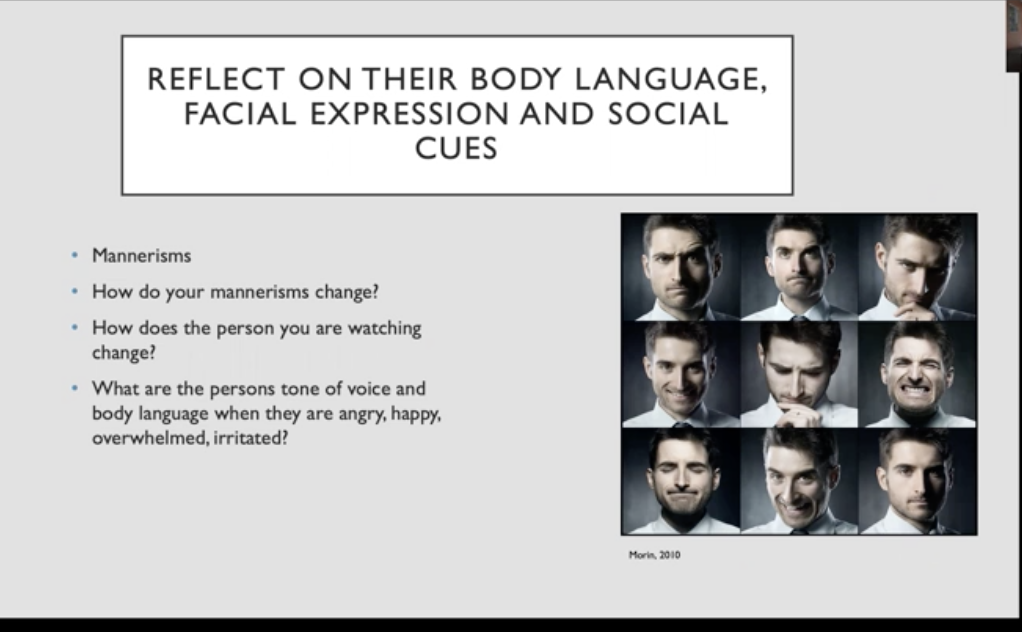
The vast majority of human communication is non-verbal. Body language, facial expressions, posture, gestures, and eye contact provide a rich, often unfiltered, stream of information. A tight-lipped smile might signal discomfort, while crossed arms could indicate defensiveness or disengagement. Rapid blinking can suggest anxiety, whereas leaning forward typically denotes interest. Proxemics, the study of personal space, also offers insights; someone maintaining a greater distance might be expressing formality or discomfort, while closer proximity suggests familiarity or trust. For a brand, observing these cues in focus groups, client meetings, or public appearances can reveal true sentiments far more accurately than spoken words alone, allowing for a more authentic response or adjustment in strategy.
Verbal Cues & Subtext: Listening Between the Lines
While non-verbal cues are powerful, verbal communication, when analyzed for its subtext, provides crucial context. It’s not just about what is said, but how it’s said. The tone of voice – whether enthusiastic, hesitant, or aggressive – can drastically alter the meaning of words. Word choice often reveals underlying biases, assumptions, or emotions. Pay attention to euphemisms, loaded language, or recurring phrases. Equally important are the pauses, hesitations, or even silences, which can speak volumes about unspoken agreement, disagreement, or unresolved tension. Understanding the why behind the words, the unarticulated motivations or concerns, allows a brand to address the root issue rather than just the surface complaint, leading to more meaningful engagement and resolution.
Environmental & Contextual Awareness: Setting the Stage
Beyond the individuals, the broader environment and context significantly influence the ‘room.’ The physical setting itself – its formality, comfort level, and arrangement – can shape interactions. Cultural norms dictate acceptable behavior and communication styles, requiring a brand to adapt its approach across different markets. Understanding the historical context of an interaction – past grievances, previous successes, or ongoing challenges – is vital. Furthermore, group dynamics, power structures, and the stated purpose of a gathering all contribute to the overall atmosphere. A brand presenting at a shareholder meeting, for instance, must be acutely aware of the financial climate and the investor’s primary concerns, which might differ vastly from a casual meet-and-greet with consumers. This holistic awareness provides the necessary backdrop against which individual cues can be accurately interpreted.
Developing Your Room-Reading Acumen for Brand Advantage
Reading the room is a skill that improves with conscious practice and refinement. It requires cultivating specific habits and perspectives.
Active Observation & Mindful Presence
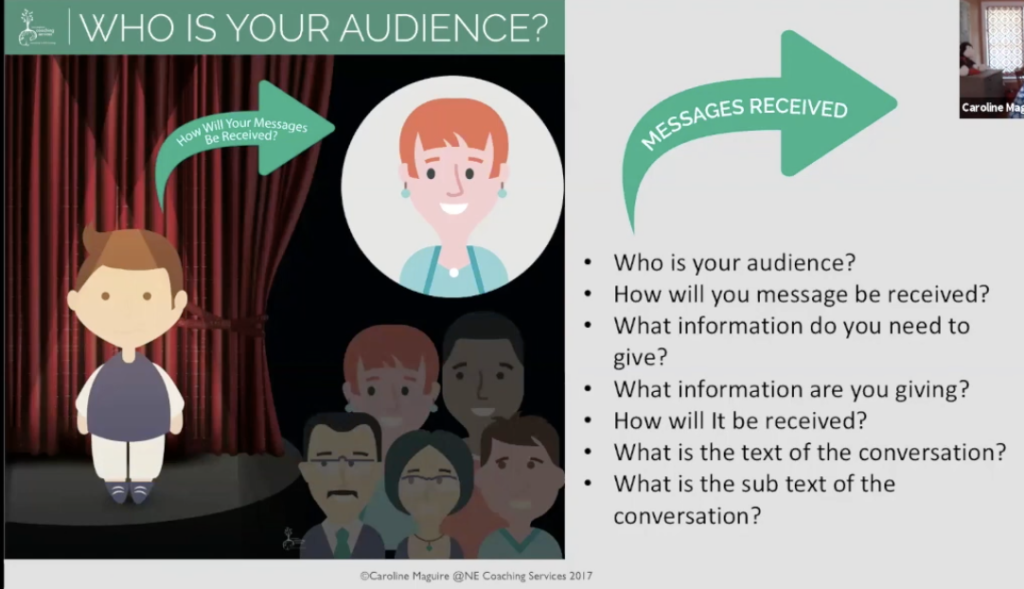
The foundation of effective room-reading is active observation. This means being fully present in the moment, not just physically but mentally. Instead of waiting for your turn to speak, consciously observe. Notice the subtle shifts in posture, the fleeting expressions, the energy levels of the group. Pay attention to who speaks, who remains silent, and the patterns of interaction. Practice looking at people’s hands, their feet, their overall body posture, not just their faces. This mindful presence allows you to absorb a multitude of cues simultaneously, building a more comprehensive picture of the room’s dynamic. For brands, this translates into being genuinely engaged with your audience, whether through market research or direct interaction, rather than simply broadcasting your message.
Empathetic Perspective-Taking
Empathy is the bedrock of understanding. To truly read the room, you must be able to step into others’ shoes and consider their perspectives, motivations, and potential reactions. Ask yourself: “What might be driving their behavior?” “What concerns might they have that they’re not vocalizing?” “What does this situation mean to them?” This doesn’t mean agreeing with them, but rather understanding their emotional and intellectual framework. For a brand, empathetic perspective-taking allows for the development of marketing campaigns that truly resonate, customer service interactions that build loyalty, and internal communications that foster a sense of belonging and understanding. It moves a brand beyond transactional interactions to build genuine, human connections.
Pattern Recognition & Situational Intelligence
As you practice active observation and empathy, you’ll begin to recognize patterns. Certain non-verbal cues might consistently correlate with specific sentiments. Particular responses might arise in specific contexts. Building a mental library of these patterns – essentially, developing situational intelligence – allows you to anticipate reactions and adapt more quickly. For instance, you might notice that in a particular team meeting, silence after a proposal usually indicates skepticism, not agreement. Or in a public forum, certain keywords trigger strong emotional responses. This learning loop of observation, interpretation, and adaptation strengthens your ability to navigate future situations with greater precision, making your brand’s presence more impactful and less prone to missteps.
Applying Room-Reading for Impactful Brand Outcomes
The insights gained from reading the room are not merely academic; they are directly actionable and can significantly shape a brand’s success.
Tailoring Your Brand Message & Communication
One of the most immediate applications of room-reading is the ability to tailor your brand’s message. Imagine a product pitch: if you sense the audience is primarily concerned with cost, you can shift focus from features to ROI. If they seem bored, you can introduce a compelling anecdote or a call to action. This agility in communication ensures that your brand’s message is not just delivered, but truly received and acted upon. Whether it’s crafting marketing copy, designing a presentation, or responding to public feedback, a brand that reads the room effectively can adapt its tone, language, and content to resonate most powerfully with its specific audience, maximizing engagement and impact.
Enhancing Negotiation & Conflict Resolution
In the high-stakes world of business, negotiations and conflict resolution are frequent. Reading the room provides a powerful advantage. By understanding the unspoken needs, anxieties, or power dynamics of the other party, a brand can approach discussions with greater strategy and empathy. You might discern when to push, when to yield, or when to suggest a pause. In a conflict, identifying the underlying emotional currents allows for de-escalation and the pursuit of mutually beneficial solutions, rather than simply reacting to surface-level arguments. This fosters stronger partnerships, protects brand reputation, and leads to more favorable outcomes in critical business dealings.
Fostering Stronger Relationships & Trust
Ultimately, the most profound impact of reading the room is its ability to foster stronger relationships and build trust. When individuals or brands demonstrate that they truly understand and respond to the nuances of an interaction, it signals respect, empathy, and genuine care. This builds a foundation of trust with clients, partners, employees, and the wider public. A brand that consistently shows it ‘gets’ its audience will naturally cultivate deeper loyalty and advocacy. These authentic connections are the bedrock of a robust and enduring brand, transcending fleeting trends and building a community around shared understanding and mutual respect.
The Ethical Dimension of Reading the Room
As with any powerful skill, the ability to read the room carries an ethical dimension. Its power lies not in manipulation, but in connection.
From Manipulation to Connection
It’s crucial to differentiate between using insights to genuinely connect and attempting to exploit vulnerabilities. True room-reading aims to foster understanding and build rapport, allowing a brand to communicate more effectively and empathetically. It’s about meeting people where they are, not coercing them into a position they don’t wish to be in. Brands committed to integrity use this skill to ensure their communication is appropriate, respectful, and aligns with their values, strengthening trust rather than eroding it through deceptive tactics. Authenticity remains paramount.
Building an Inclusive Brand Culture
Furthermore, reading the room can be a powerful tool for building a more inclusive brand culture. By being attuned to unspoken discomforts, subtle biases, or feelings of marginalization, a brand can proactively address these issues. This might involve adjusting meeting protocols, diversifying communication channels, or implementing more inclusive language. An empathetic, room-reading approach ensures that all voices, even the quietest, are acknowledged and valued, fostering an environment where everyone feels seen, heard, and respected. This is not just ethical; it’s smart branding, as inclusive cultures naturally attract and retain diverse talent and resonate with a broader, more conscious consumer base.

Conclusion
The ability to “read the room” is far more than a mere social grace; it is a critical strategic asset in the dynamic world of branding. For personal brands, it cultivates authentic presence and effective networking. For corporate brands, it allows for agile navigation of market dynamics and robust stakeholder engagement. By diligently deconstructing non-verbal, verbal, and contextual cues, and by consciously developing active observation, empathy, and situational intelligence, any brand can significantly enhance its perceptual intelligence. The application of this skill—from tailoring messages and enhancing negotiations to fostering trust and building an inclusive culture—leads to profoundly impactful outcomes. In an era where genuine connection is paramount, mastering the art of reading the room is not just an advantage; it is the definitive path to building a resonant, trusted, and enduring brand legacy. Embrace the practice, cultivate self-awareness, and watch your brand’s influence flourish.
aViewFromTheCave is a participant in the Amazon Services LLC Associates Program, an affiliate advertising program designed to provide a means for sites to earn advertising fees by advertising and linking to Amazon.com. Amazon, the Amazon logo, AmazonSupply, and the AmazonSupply logo are trademarks of Amazon.com, Inc. or its affiliates. As an Amazon Associate we earn affiliate commissions from qualifying purchases.