
In the intricate tapestry of human society, individuals and groups don’t exist in a flat, undifferentiated plain. Instead, they occupy various positions, endowed with differing levels of prestige, power, and respect. This fundamental concept is known as status in sociology: a person’s or group’s position within a social hierarchy, carrying with it a set of associated rights, duties, and perceived social value. While often explored academically, the insights derived from understanding social status are far from abstract; they are, in fact, incredibly potent tools for shaping perception, driving desire, and building enduring connections in the world of branding, both personal and corporate.

To dismiss “status” as merely a relic of old-world class systems or a superficial concern is to overlook one of the most powerful, often subconscious, drivers of human behavior. From the clothes we wear and the cars we drive to the professional titles we chase and the communities we join, the pursuit and communication of status profoundly influence our choices and aspirations. For brand strategists, marketers, and individuals crafting their personal identity, grasping the sociological underpinnings of status is not just insightful – it’s an indispensable foundation for crafting compelling narratives, building aspirational identities, and securing a coveted position in the marketplace and in the minds of consumers. This article will delve into the sociological concept of status and unveil its profound implications for effective branding.
The Sociological Foundations of Status: A Brand Perspective
Understanding the different facets of status as defined by sociologists provides a rich vocabulary for dissecting and strategizing brand identity. Brands, like individuals, are perceived to hold a certain position within their respective industries and consumer landscapes.
Ascribed vs. Achieved Status in Brand Narratives
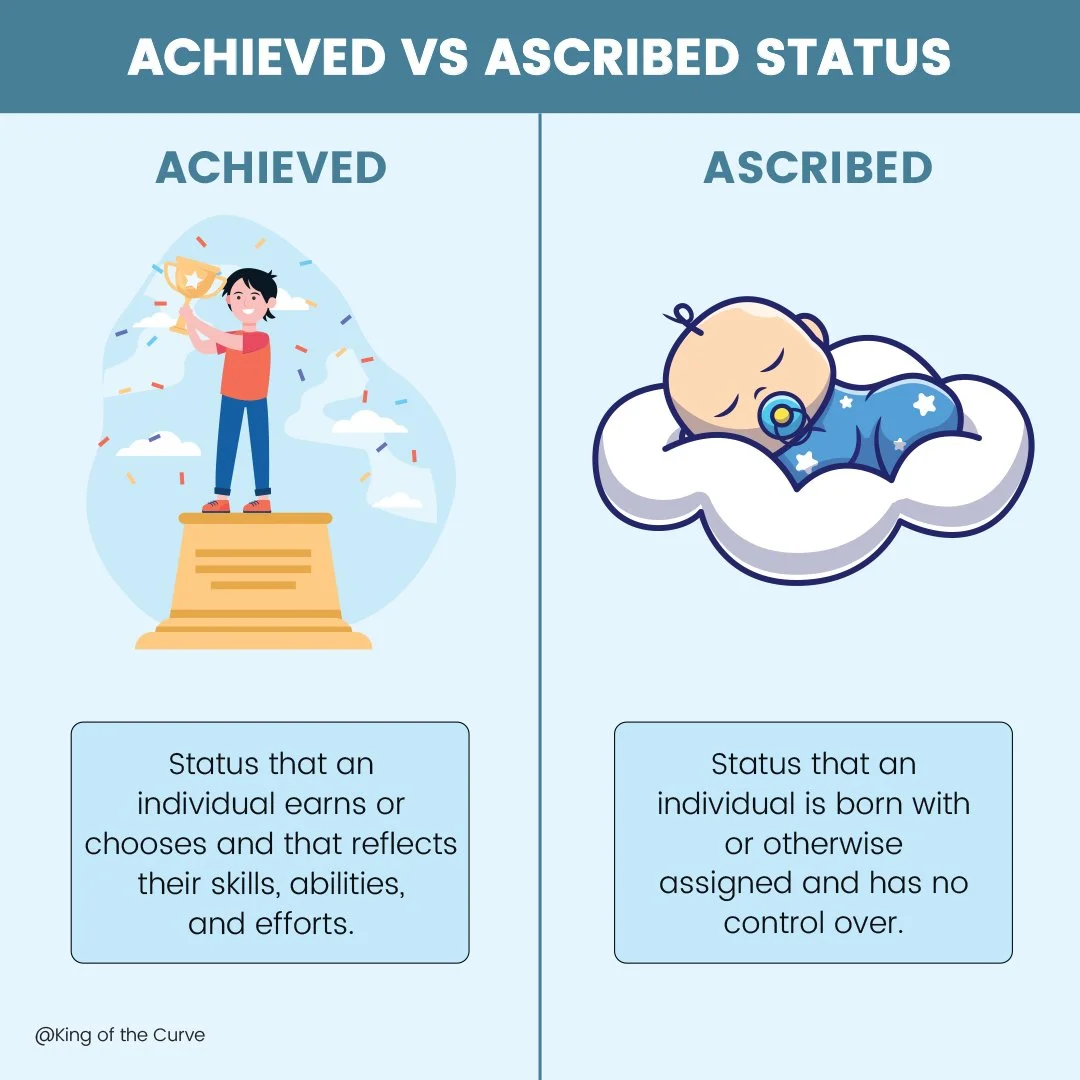
Sociology differentiates between two primary types of status: ascribed status, which is assigned at birth or involuntarily later in life (e.g., family lineage, gender, race), and achieved status, which is earned through effort, talent, or accomplishment (e.g., a CEO, a doctor, an Olympian). Both types have significant parallels in branding.
- Ascribed Status in Branding: This often manifests as brand heritage or legacy. Think of luxury brands steeped in decades or centuries of tradition, family-owned businesses that pride themselves on inherited craftsmanship, or products granted royal warrants. This “ascribed” status confers an immediate sense of credibility, exclusivity, and timelessness without the brand having to “prove” itself from scratch. It taps into the power of established history and an unearned, yet highly valued, pedigree. Brands strategically leverage this through storytelling about their origins, founding families, and historical milestones, positioning themselves as institutions rather than mere products.
- Achieved Status in Branding: In contrast, brands that rise rapidly through innovation, disruption, or sheer market dominance exemplify achieved status. Startups that redefine industries, tech companies that democratize complex tools, or personal brands built on groundbreaking thought leadership fall into this category. These brands resonate with audiences who value meritocracy, hard work, and forward momentum. Their narratives often focus on overcoming challenges, pioneering new solutions, and earning their place through superior performance or a compelling vision. For personal brands, achieved status is the bedrock of professional influence – a track record of success, published works, or recognized expertise.
Strategic branding often involves a nuanced blend of these. A heritage brand might emphasize its continuous innovation (achieved) while still leveraging its long history (ascribed). A disruptive startup might acquire a classic brand to imbue itself with a sense of established legitimacy.
Status Symbols and Brand Association
At its core, a status symbol is an object, attribute, or behavior that indicates an individual’s social or economic standing. Sociologically, these symbols are powerful non-verbal communicators that allow individuals to signal their position within a social hierarchy. In branding, the connection is direct and profound: products and services are frequently designed, marketed, and consumed precisely because they function as status symbols.
Luxury cars, high-end fashion, exclusive memberships, cutting-edge technology, or even specific travel destinations are not just purchases; they are investments in self-presentation and social signaling. Brands meticulously cultivate this association through design aesthetics, premium pricing, exclusive distribution, and aspirational marketing campaigns. The desirability of an iPhone isn’t just about its functionality; it’s also about its association with innovation, sleek design, and a certain perceived lifestyle. Similarly, a Rolex watch is not merely a time-telling device; it is a universally recognized emblem of success and prestige. For a brand, becoming a status symbol translates directly into higher perceived value, greater demand, and often, premium pricing power. Consumers actively seek out these brands not just for utility, but for what they communicate about the consumer’s identity and aspirations.
Status Groups and Market Segmentation
Sociologists also examine status groups, which are collections of individuals who share a similar lifestyle, patterns of consumption, levels of prestige, or a common sense of honor, often leading to shared social identities and boundaries. Max Weber, for example, highlighted that status groups are defined by consumption patterns and lifestyle rather than purely economic class.
- Brand Application: This concept is a cornerstone of effective market segmentation. Brands don’t just target demographics; they target psychographics, lifestyles, and aspirations that often align with sociological status groups.
- Luxury Brands target groups who not only have the financial means but also aspire to a certain level of sophistication, exclusivity, and social recognition.
- Ethical/Sustainable Brands appeal to status groups that value environmental responsibility, social justice, and conscious consumption, viewing these choices as indicators of their enlightened status.
- Tech Brands often appeal to early adopters and innovators who derive status from being at the forefront of technological advancement.
By understanding the values, aspirations, and consumption habits of different status groups, brands can tailor their messaging, product features, and distribution channels to resonate deeply with their intended audience, fostering a sense of belonging and reinforcing the group’s collective identity through brand association. Creating communities around brands (e.g., Harley-Davidson riders, Apple enthusiasts, Peloton users) is a powerful way to tap into and reinforce status group affiliations.
Personal Branding and the Cultivation of Individual Status
In today’s interconnected world, the concept of personal branding has become paramount. It is, in essence, an individual’s strategic effort to cultivate and communicate their identity, expertise, and value proposition to a target audience. At its heart, personal branding is a deliberate exercise in managing and enhancing one’s perceived status.
Crafting Your Achieved Status (Professional & Social)
A strong personal brand is largely built on achieved status – what one has earned, learned, and contributed. This involves a conscious effort to demonstrate competence, unique skills, and leadership.
- Online Presence as a Status Indicator: Platforms like LinkedIn are digital resumes and professional networking hubs where individuals showcase their achievements, endorsements, and thought leadership. Social media, curated strategically, can demonstrate expertise, share insights, and build a consistent narrative around one’s professional identity. The quality of content, engagement with peers, and visibility in relevant discussions all contribute to perceived status.
- Thought Leadership and Expertise: Positioning oneself as an authority in a niche field is a direct path to higher professional status. This involves sharing valuable insights through articles, presentations, webinars, or podcasts. When others recognize your expertise and seek your opinion, your status as a leader or innovator is significantly elevated.
- Networking and Strategic Alliances: Building relationships with influential individuals and peers not only opens doors to opportunities but also reflects on one’s own status. Being associated with high-status individuals or organizations can enhance one’s own perceived standing through association.
- Storytelling Your Journey: Authentically narrating one’s professional journey, highlighting challenges overcome, lessons learned, and unique contributions, helps to establish a compelling personal brand that underscores competence and resilience, key components of achieved status.
The Role of Perceived Status in Personal Brand Influence
A robust personal brand, marked by high perceived status, translates directly into influence. When an individual is seen as an expert, a leader, or a highly respected professional, they gain several advantages:
- Credibility and Trust: A high-status personal brand instills immediate trust. People are more likely to believe, follow, and engage with individuals they perceive as authoritative and successful. This trust is invaluable for attracting clients, collaborators, and career opportunities.
- Authority and Recognition: Such individuals become “go-to” resources in their fields. Their opinions carry weight, and their recommendations are highly valued. This authority is a powerful magnet for new ventures and collaborations.
- Aspiration and Inspiration: People are often drawn to individuals they perceive as having achieved a desired status. A well-cultivated personal brand can inspire others and create a loyal following, further solidifying the individual’s influence. The challenge lies in balancing genuine authenticity with the strategic cultivation of an aspirational image.
Navigating Status Hierarchies in Digital Spaces

The digital age has introduced new dynamics to status creation and maintenance. Influencer culture, for instance, is a direct manifestation of achieved digital status, often built on engagement metrics, follower counts, and content virality. However, online status is fluid and requires constant vigilance. Maintaining authenticity, adapting to platform changes, and managing potential crises are crucial for sustaining digital status and influence.
Corporate Identity and the Pursuit of Brand Status
Just as individuals strive for status, so do corporations. A brand’s corporate identity is its strategic effort to project a particular image and cultivate a certain position within the market and the collective consciousness of consumers. This pursuit of “brand status” is fundamental to market leadership and long-term success.
Building Brand Prestige and Reputation
The prestige of a corporate brand is a direct reflection of its perceived status. This isn’t accidental; it’s built through consistent strategic effort:
- Quality and Innovation: Brands that consistently deliver superior products or services and lead with innovation naturally accrue higher status. They are seen as pioneers and reliable providers, earning respect and loyalty.
- Social Responsibility and Values Alignment: In today’s market, corporate ethics and social responsibility are powerful drivers of brand status. Brands that genuinely commit to sustainability, diversity, and community engagement often gain higher regard from conscious consumers, elevating their moral and societal standing.
- Exceptional Customer Experience: A brand that consistently provides outstanding customer service and fosters positive interactions builds a reputation for reliability and care, enhancing its perceived value and status in the market.
- Strategic Brand Narrative: The way a company tells its story – its mission, vision, and values – is critical. A compelling narrative can transform a product into an icon, imbuing it with deeper meaning and elevating its aspirational status.
Market Positioning and Competitive Status
A brand’s status is inherently relative to its competitors. Effective market positioning is about strategically claiming a unique and desirable status in the minds of consumers:
- Differentiation: Brands achieve higher status by clearly differentiating themselves. This might be through unparalleled quality (e.g., Rolls-Royce), innovative design (e.g., Apple), superior performance (e.g., Porsche), or ethical leadership (e.g., Patagonia). Each occupies a distinct status level that sets it apart.
- Pricing Strategy: Price is a powerful signal of status. Premium pricing often communicates exclusivity, superior quality, and prestige. Conversely, value pricing aims for a different kind of status – accessibility, affordability, and practical utility for a broad audience.
- Brand Alliances and Endorsements: Collaborating with other high-status brands, celebrities, or influential organizations can elevate a brand’s own standing through association. For example, a tech company partnering with a renowned university for R&D.
The Dynamics of Brand Erosion and Status Decline
Just as status can be built, it can also erode. Brand status is fragile and susceptible to decline due to:
- Reputation Management Challenges: Scandals, product recalls, ethical breaches, or negative public perception can severely damage a brand’s status. Effective crisis communication and genuine efforts to rectify mistakes are crucial for mitigating such erosion.
- Loss of Relevance: Brands that fail to innovate or adapt to changing consumer tastes and market trends risk becoming obsolete, leading to a decline in their perceived status and desirability.
- Authenticity Crisis: When a brand’s actions contradict its stated values or its marketing promises, it faces an authenticity crisis. This dissonance can lead to a loss of trust, loyalty, and ultimately, a significant drop in its hard-earned status. Maintaining consistency between brand identity and actual behavior is paramount.
Leveraging Sociological Insights for Strategic Branding
The understanding of status, derived from sociological study, offers invaluable strategic advantages for brands aiming for deeper resonance and sustained success.
Understanding Consumer Aspiration
Brands that successfully tap into consumer aspirations for upward mobility, belonging, or exclusivity are inherently more compelling. Marketing messages that cleverly link a product or service to a desired status outcome—be it social acceptance, professional success, or personal fulfillment—are highly effective. People often purchase not just a product, but what that product represents about their identity and aspirations. Brands like Mercedes-Benz, for instance, sell not just cars, but an image of success, luxury, and sophisticated living.
The Power of Exclusivity and Community
Sociological studies of status groups reveal the human desire for belonging and distinction. Brands can leverage this by:
- Creating Exclusivity: Limited editions, members-only access, or invitation-only events cultivate a sense of scarcity and privilege, enhancing the perceived status of the brand and those who possess its offerings.
- Fostering Community: Building strong brand communities creates a shared identity among consumers, reinforcing their chosen status group and their loyalty to the brand. This sense of belonging further elevates the brand’s position as a symbol of that community’s values and aspirations.
Ethical Considerations in Status-Driven Branding
While leveraging status is a powerful branding tool, it comes with ethical responsibilities:
- Avoiding Manipulation: Brands should strive to inspire rather than manipulate. While aspirational marketing is effective, it must avoid creating unrealistic expectations or preying on insecurities to sell products.
- Promoting Inclusivity: Brands must be mindful not to inadvertently reinforce harmful social divisions or create a sense of exclusion. Status appeals should be balanced with a commitment to diverse representation and accessibility where appropriate.
- Building Genuine Value: Ultimately, sustained brand status is built on substance—quality, innovation, customer satisfaction, and ethical practices—not merely superficial appeals. Brands that prioritize genuine value creation will build a more resilient and respected status in the long run.
Conclusion
The question “What is status in sociology?” opens a profound window into human social dynamics, revealing how individuals and groups are positioned, perceived, and valued within society. Far from being a niche academic concept, status is a powerful, often subconscious, driver that profoundly influences consumer behavior and market perception. For anyone involved in branding – whether crafting a personal professional identity or shaping a global corporate image – understanding and strategically applying these sociological principles is no longer optional; it is essential.
Brands that insightfully leverage the dynamics of ascribed versus achieved status, cultivate products as aspirational symbols, understand the nuances of status groups for market segmentation, and meticulously manage their reputation will be uniquely positioned. They will not only connect more deeply with their target audiences but also build lasting value, achieve enduring relevance, and secure a coveted, high-status position in the competitive landscape of the 21st century. By thinking critically about the “status” dimensions of our branding efforts, we unlock a powerful pathway to influence, engagement, and success.
aViewFromTheCave is a participant in the Amazon Services LLC Associates Program, an affiliate advertising program designed to provide a means for sites to earn advertising fees by advertising and linking to Amazon.com. Amazon, the Amazon logo, AmazonSupply, and the AmazonSupply logo are trademarks of Amazon.com, Inc. or its affiliates. As an Amazon Associate we earn affiliate commissions from qualifying purchases.