
In an increasingly globalized and digital world, the need for seamless, high-quality remote collaboration has become paramount across numerous industries. For the professional audio world – encompassing voiceover, music production, podcasting, post-production, and broadcasting – this necessity crystallized into a specific technological demand: how to capture and transmit pristine audio in real-time, over vast distances, without compromising quality. The answer, for many years now, has been Source-Connect.
Source-Connect is not just another software application; it is the de facto industry standard for remote recording and audio collaboration over IP (Internet Protocol). It provides a secure, high-quality, and reliable connection that effectively eliminates geographical barriers, allowing audio professionals to work together as if they were in the same room. More than just a communication tool, Source-Connect has fundamentally reshaped workflows, expanded creative possibilities, and democratized access to talent and resources for studios and artists worldwide. At its core, it’s a bridge that connects remote audio environments with professional-grade fidelity and control.
The Evolution of Remote Audio Production
The journey to Source-Connect’s prominence is deeply rooted in the historical challenges of remote audio and the rapid advancements in digital communication. Before robust IP-based solutions, studios grappled with significant limitations when trying to collaborate or record talent remotely.
Pre-Source-Connect Challenges
For decades, the standard bearer for remote audio transmission was ISDN (Integrated Services Digital Network). ISDN lines offered a dedicated, synchronous digital connection, providing reliable, low-latency audio. However, ISDN came with a multitude of drawbacks: it was expensive to install and maintain, required specialized hardware (often multiple codecs for different connection types), and its availability was geographically limited, particularly in developing regions or for independent artists. Furthermore, the setup process could be complex, often requiring technicians to ensure compatibility between different studio setups. Scheduling ISDN sessions was also a logistical headache, tying up dedicated lines and personnel.
Beyond ISDN, other methods like phone patches offered a rudimentary form of remote input but were severely limited by audio quality, making them unsuitable for professional production. Sending files back and forth via FTP or email was an option, but it lacked the real-time interaction crucial for directing talent, making immediate adjustments, or collaborative mixing sessions. The iterative process of recording, sending, reviewing, and rerecording was time-consuming, inefficient, and creatively restrictive. These challenges often necessitated travel, adding significant costs, logistical complexity, and time to projects, ultimately limiting the pool of available talent to those physically accessible to a studio.
The Digital Revolution and the Need for Real-Time
The late 1990s and early 2000s ushered in the era of high-speed internet. As broadband became more widespread and reliable, the potential for using IP networks for professional audio became an increasingly tantalizing prospect. The audio industry, always at the forefront of technological adoption, saw the immense promise of leveraging this new infrastructure to overcome the limitations of ISDN and traditional methods. The key challenge was to develop a software solution that could harness the power of the internet while mitigating its inherent variabilities – such as latency, jitter, and packet loss – to deliver the consistent, high-fidelity audio required for professional applications.
The demand wasn’t just for remote connection; it was for real-time remote connection. Directors needed to provide live feedback to voice actors, musicians needed to jam across continents, and engineers needed to oversee recording sessions without being physically present. This evolving landscape created a clear void that a new generation of IP-based audio tools would need to fill, setting the stage for Source-Connect’s emergence as a transformative technology.
Core Functionality and Key Features
Source-Connect’s enduring success lies in its robust feature set, meticulously engineered to meet the rigorous demands of professional audio production. It’s designed to deliver an experience as close to “being there” as possible, leveraging sophisticated network protocols and audio compression techniques.
Real-Time, High-Quality Audio Transmission
At the heart of Source-Connect is its ability to transmit studio-quality audio in real-time over standard internet connections. It achieves this by utilizing a combination of high-efficiency codecs (including lossless options) and intelligent network management. While it can utilize various compression schemes to adapt to network conditions, its strength lies in its capacity for extremely low-latency, uncompressed, or minimally compressed transmission when bandwidth allows. This ensures that the nuance, clarity, and dynamic range of the audio are preserved, making it indistinguishable from a local recording for most practical purposes.
Bidirectional Communication and Synchronization
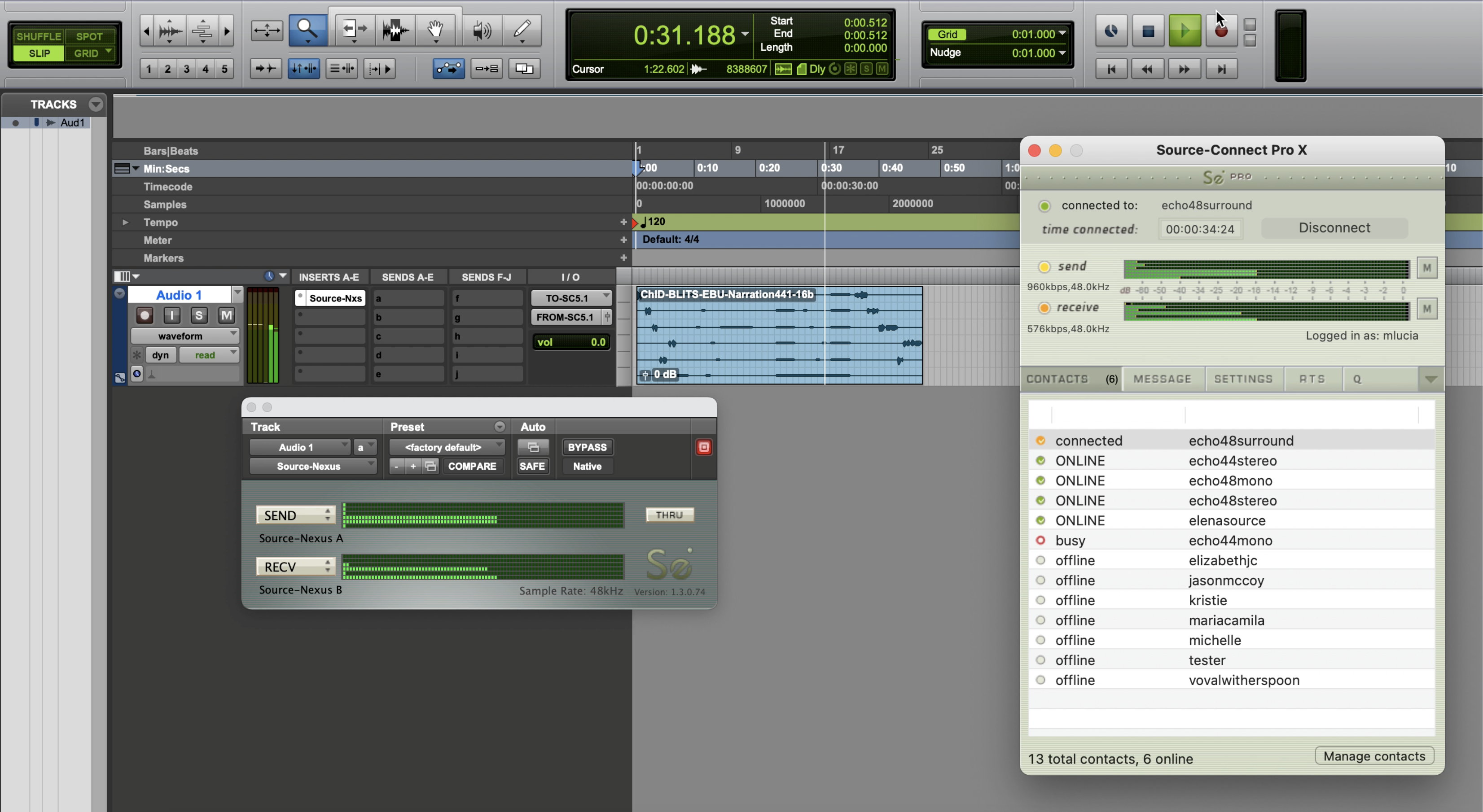
Beyond mere audio streaming, Source-Connect facilitates truly interactive sessions. It supports bidirectional audio, meaning that both ends of the connection can send and receive audio simultaneously. This is crucial for conversations between engineers and talent, allowing for immediate feedback and direction. Furthermore, the software offers sophisticated synchronization capabilities. Features like Q Manager allow for precise remote transport control, enabling a remote engineer to control the playback and recording functions of a DAW at the talent’s location, or vice-versa. This ensures that all takes are perfectly in sync, simplifying the editing and post-production process.
Seamless Integration with DAWs
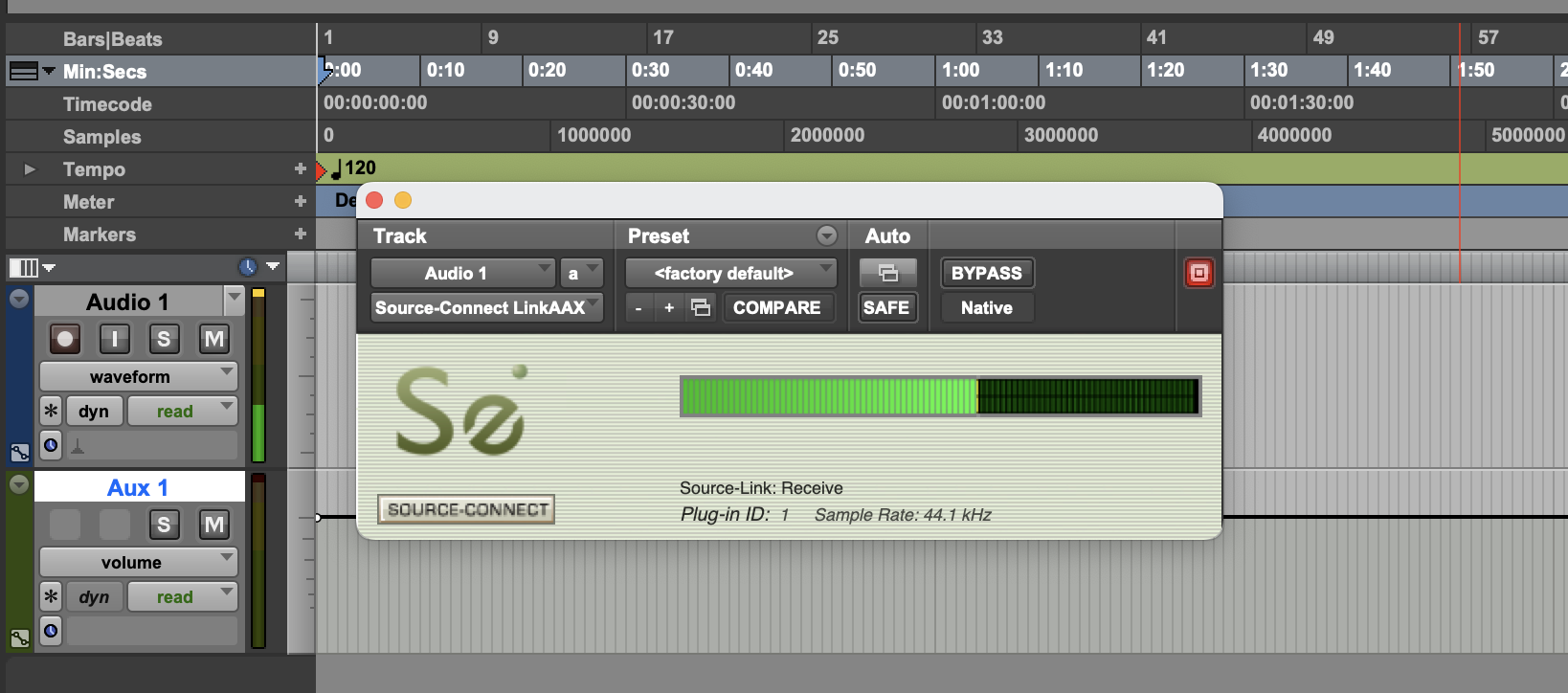
One of Source-Connect’s most celebrated features is its seamless integration with popular Digital Audio Workstations (DAWs) such as Avid Pro Tools, Logic Pro X, Cubase, Nuendo, and Adobe Audition. This integration is typically achieved through plugins (like Source-Connect Link) that allow the software to act as an input/output within the DAW’s mixer. This means that audio coming through Source-Connect can be recorded directly into a track, and audio from the DAW can be sent out, making the remote connection an organic part of the studio workflow rather than a separate application. This direct integration streamlines the recording process, making it intuitive for audio professionals already familiar with their DAW environment.
Security and Reliability
Given the professional nature of its use cases, security and reliability are paramount for Source-Connect. The platform employs encryption to protect audio streams, ensuring that sensitive content remains confidential. From a reliability standpoint, Source-Connect is engineered to be robust. It uses adaptive buffering and network monitoring to compensate for internet fluctuations, minimizing dropouts and maintaining connection stability. It can even intelligently adjust its codec and buffer settings in real-time to maintain a stable stream under challenging network conditions. The company’s dedicated servers and infrastructure further contribute to its reputation for consistent, professional-grade performance.
User Interface and Ease of Use
Despite its sophisticated underlying technology, Source-Connect features a user-friendly interface designed for audio professionals. The setup process, while requiring some technical understanding of network configurations (like port forwarding), is well-documented, and the application itself is straightforward to navigate. Connecting to a remote partner is often as simple as entering their Source-Connect ID and initiating a call. This focus on usability ensures that engineers and talent can concentrate on the creative aspects of their work rather than struggling with complex software mechanics.
Why Source-Connect is Indispensable in Modern Production
Source-Connect has moved beyond being just a useful tool to becoming an essential component of the modern audio production landscape. Its impact spans various aspects, from breaking down geographical barriers to enhancing efficiency and expanding creative possibilities.
Breaking Geographical Barriers
Perhaps the most significant contribution of Source-Connect is its ability to dissolve geographical boundaries. A voice actor in Los Angeles can record for a studio in London, a musician in Tokyo can collaborate with a producer in New York, and a mixing engineer in Berlin can work with a client in Sydney – all in real-time. This global reach means that talent and expertise are no longer confined by location, opening up a truly international marketplace for audio services. It has leveled the playing field for smaller studios and independent professionals, allowing them to compete with larger, more established entities that might previously have had exclusive access to certain talent or clients.
Cost and Time Efficiency
The logistical and financial burdens of traditional remote collaboration (especially ISDN or travel) were substantial. Source-Connect dramatically reduces these. Eliminating the need for travel saves significant expenses on flights, accommodation, and per diems. It also saves invaluable time that would otherwise be spent on transit. Studio rental costs can be optimized, as sessions can be spread across multiple locations or conducted from home studios, reducing the demand for expensive physical studio time. For urgent projects, the ability to quickly connect and record can cut production timelines dramatically, leading to faster turnaround and improved client satisfaction.
Expanding Talent Pools
By enabling remote collaboration, Source-Connect has vastly expanded the talent pool available to producers and casting directors. Instead of being limited to voice actors, musicians, or engineers within a specific geographic radius, projects can now tap into a global network of professionals. This allows for more specialized talent, a wider range of accents and languages, and simply more options, leading to higher quality and more diverse output. For talent themselves, it means access to more opportunities, regardless of where they choose to live and work.
Maintaining Quality Standards
Despite the remote nature of the sessions, Source-Connect’s commitment to high-fidelity audio transmission ensures that professional quality standards are maintained. This is crucial for industries like broadcast, film, and high-end advertising, where audio quality is paramount. The reliability and clarity of the connection mean that directors and engineers can accurately assess performances, identify subtle nuances, and make critical decisions as if the talent were in the same booth, without the audio artifacts or delays that plague lesser remote solutions.
The Post-Pandemic Imperative
While Source-Connect was already a vital tool, the global pandemic of 2020 transformed it from a convenience into an absolute necessity. With widespread lockdowns and social distancing measures, in-person studio sessions became impossible or severely restricted overnight. Source-Connect (and similar tools, though none with its market penetration and feature set) became the lifeline that allowed the audio industry to continue operating. It facilitated the continuation of film post-production, game voiceovers, podcast recordings, and music collaborations, proving its resilience and adaptability in unprecedented times. The pandemic cemented its role as an indispensable piece of technology for any modern audio professional.
Source-Connect Editions and Ecosystem
Source-Connect isn’t a one-size-fits-all solution; it exists within an ecosystem of products designed to cater to different professional needs and levels of complexity.
Source-Connect Standard vs. Pro
The primary offerings are Source-Connect Standard and Source-Connect Pro.
- Source-Connect Standard is the robust entry point for most professional voice actors, producers, and smaller studios. It offers core real-time, high-quality audio transmission, full two-way communication, and DAW integration. It’s ideal for most remote voiceover sessions, overdubs, and basic collaboration.
- Source-Connect Pro builds upon the Standard version with advanced features aimed at larger studios, broadcasters, and complex post-production environments. This includes multi-channel support (up to 7.1 surround sound), advanced error correction and redundancy features, sample rate conversion, and Q Manager for precise remote transport control and file sync. Pro is designed for critical applications where absolute fidelity, maximum control, and complex routing are essential.
Source-Connect Now, Link, and Bridge
The broader ecosystem includes other valuable tools:
- Source-Connect Now: This is a browser-based, free alternative that offers basic real-time audio collaboration without requiring a dedicated software installation. While it doesn’t offer the same fidelity, stability, or advanced features as the desktop application, it’s excellent for quick connections, client listen-ins, or less critical sessions, especially with users who may not have Source-Connect installed.
- Source-Connect Link: This is a plugin that allows Source-Connect to integrate directly with your DAW, routing audio in and out of the application. It’s a core component for seamless workflow.
- Source-Connect Bridge: This allows you to route audio from any application on your computer (not just a DAW) through Source-Connect, expanding its utility for things like video conferencing apps or other audio software.
System Requirements and Best Practices
To ensure optimal performance with Source-Connect, certain system requirements and best practices are recommended:
- Internet Connection: A stable, high-speed internet connection (preferably wired Ethernet) with adequate upload and download bandwidth is crucial. Fiber optic connections are ideal.
- Hardware: A modern computer with sufficient processing power and RAM, a professional-grade audio interface, and a high-quality microphone are essential for studio-quality results.
- Network Configuration: Proper network setup, including port forwarding, is often necessary to ensure a stable connection. Source Elements provides detailed guides and support for this.
- Dedicated Setup: For critical sessions, it’s best to minimize other network traffic, close unnecessary applications, and ensure your system is optimized for audio performance.
Future Trends and the Road Ahead for Remote Audio
The trajectory of remote audio production is one of continuous innovation, and Source-Connect, as a market leader, will undoubtedly evolve with it.
AI Integration and Enhanced Workflows
Artificial intelligence is poised to further streamline remote audio workflows. Imagine AI-driven noise reduction that intelligently cleans up background noise from remote locations, or AI tools that can predict and compensate for minor network instabilities, making connections even more robust. AI could also assist with metadata tagging, transcription, or even basic editing of remote takes, allowing engineers to focus more on creative direction.
Continued Demand for High-Fidelity Remote Solutions
The lessons learned during the pandemic, combined with ongoing technological advancements, guarantee a sustained demand for increasingly sophisticated remote audio solutions. Users will expect even lower latency, higher channel counts, and more seamless integration with diverse hardware and software ecosystems. The drive for “perfect presence” will push the boundaries of what’s possible over IP.

Virtual Reality and Immersive Audio Collaboration
Looking further ahead, the integration of virtual reality (VR) and augmented reality (AR) could revolutionize remote audio collaboration. Imagine putting on a VR headset and being able to “sit” virtually in a mixing studio with colleagues from around the world, manipulating a virtual mixing console and experiencing spatial audio in a truly immersive environment. This could lead to entirely new paradigms for collaborative sound design, music production, and post-production, where distance becomes an almost entirely irrelevant factor.
Conclusion
Source-Connect has profoundly transformed the professional audio landscape, dismantling geographical barriers and enabling a level of global collaboration that was once unimaginable. By providing a reliable, high-quality, and secure platform for real-time audio transmission over the internet, it has become an indispensable tool for voice actors, musicians, engineers, and studios worldwide. From its humble beginnings addressing the limitations of ISDN to its critical role during a global pandemic, Source-Connect has consistently demonstrated its value as a core technology. As digital communication continues to evolve, Source-Connect and its successors will undoubtedly remain at the forefront, continually redefining what it means to create and collaborate in the interconnected world of sound.
aViewFromTheCave is a participant in the Amazon Services LLC Associates Program, an affiliate advertising program designed to provide a means for sites to earn advertising fees by advertising and linking to Amazon.com. Amazon, the Amazon logo, AmazonSupply, and the AmazonSupply logo are trademarks of Amazon.com, Inc. or its affiliates. As an Amazon Associate we earn affiliate commissions from qualifying purchases.