
In an increasingly digitized and interconnected global economy, businesses of all sizes recognize the imperative to streamline operations, gain real-time insights, and foster sustainable growth. For small and medium-sized enterprises (SMEs), the challenge often lies in finding a comprehensive, yet accessible, solution that can unify disparate business functions without overwhelming resources. This is precisely where SAP Business One steps into the spotlight. More than just a piece of software, SAP Business One is an integrated Enterprise Resource Planning (ERP) system designed specifically to help growing companies manage their entire business—from financials and sales to purchasing, inventory, and customer relationships—all within a single, unified platform.
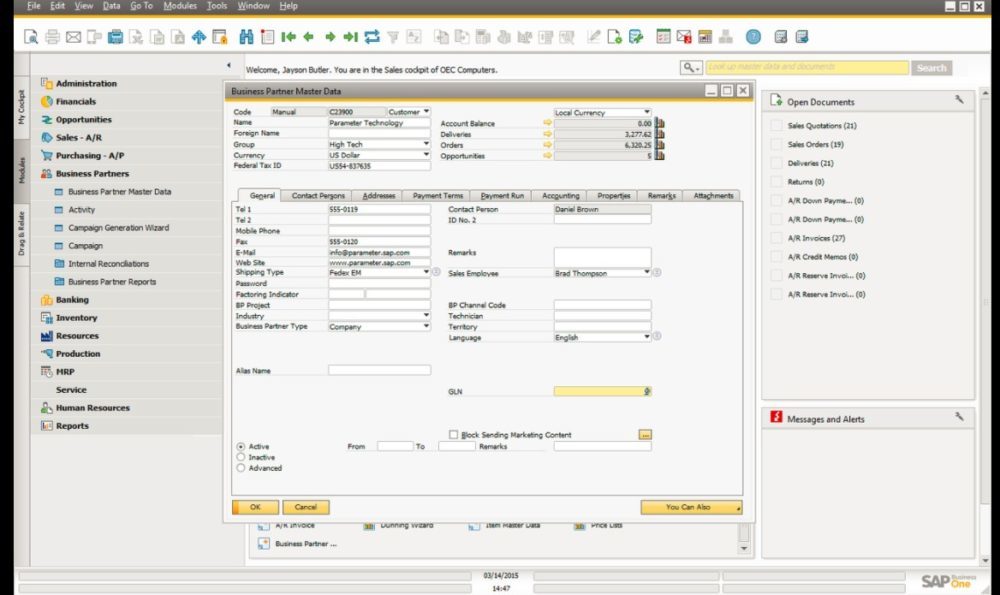
Understanding what SAP Business One entails requires delving into the foundational concepts of ERP, exploring its diverse functionalities, examining its technological backbone, and identifying the specific types of organizations poised to benefit most from its implementation. It’s a powerful tool aimed at transforming complexity into clarity, fragmented data into actionable intelligence, and operational bottlenecks into pathways for efficiency and innovation.
The Foundation: Demystifying Enterprise Resource Planning (ERP)
Before dissecting SAP Business One specifically, it’s crucial to grasp the overarching concept of Enterprise Resource Planning (ERP). This foundational understanding will illuminate why SAP Business One is such a pivotal technological asset for modern businesses.
What is ERP?
At its core, ERP is a category of business management software, typically a suite of integrated applications, that an organization can use to manage and integrate the important parts of its business. Many ERP software applications are critical to companies because they help them implement resource planning by integrating all the processes needed to run their companies with a single system. These processes can include planning, purchasing, inventory, sales, marketing, finance, human resources, and more. The primary goal of an ERP system is to improve efficiency by centralizing all data and processes into a single database, eliminating redundancies, and enabling real-time visibility across all departments.
The evolution of ERP systems traces back to the 1960s with inventory management and control, progressing through Material Requirements Planning (MRP) in the 1970s, Manufacturing Resource Planning (MRP II) in the 1980s, and finally coalescing into the broader ERP concept in the early 1990s. Modern ERP systems leverage advanced technologies like cloud computing, artificial intelligence, and machine learning to offer even more sophisticated capabilities.
The Strategic Importance of Integrated Systems
The traditional approach of managing business operations often involves multiple, disconnected software solutions—one for accounting, another for CRM, a third for inventory, and so on. This fragmentation inevitably leads to data silos, duplicate entries, manual reconciliation errors, and a lack of holistic visibility. Decisions are made based on incomplete or outdated information, hindering agility and strategic planning.
Integrated ERP systems like SAP Business One address these challenges head-on. By consolidating all critical business data into a single database, they ensure data consistency and accuracy across the organization. This unification leads to significant strategic advantages:
- Enhanced Efficiency: Automating routine tasks and standardizing workflows reduces manual effort and accelerates processes.
- Improved Decision-Making: Real-time access to comprehensive business data empowers managers with insights for more informed and timely decisions.
- Cost Reduction: Optimizing inventory levels, streamlining procurement, and reducing operational inefficiencies can lead to substantial cost savings.
- Better Customer Service: A unified view of customer interactions, sales history, and service requests enables more personalized and effective customer engagement.
- Scalability for Growth: A robust ERP system provides the infrastructure to support business expansion without requiring a complete overhaul of IT systems.
SAP’s Legacy in the ERP Landscape
SAP (Systems, Applications & Products in Data Processing) stands as a global leader in enterprise software, renowned for its flagship ERP solutions that power some of the world’s largest corporations. With decades of experience in developing sophisticated business management tools, SAP has an unparalleled understanding of the complexities businesses face. SAP Business One represents the company’s commitment to extending this expertise and technological prowess to the SME market. It distills the robust capabilities typically found in large-scale enterprise systems into a package that is tailor-made for the unique needs, budgets, and operational structures of small and growing businesses, ensuring they can leverage world-class technology to compete effectively.
SAP Business One: A Comprehensive Solution for SMEs
SAP Business One is not merely a collection of isolated applications; it’s a meticulously designed, holistic ecosystem where every module communicates and shares data seamlessly. This integrated approach is its defining strength, providing SMEs with a 360-degree view of their operations.
Defining SAP Business One’s Core Purpose
The primary purpose of SAP Business One is to provide SMEs with an affordable, easy-to-implement, and comprehensive ERP solution that manages all key business functions. It eliminates the need for multiple, disconnected software applications, offering a single source of truth for all business data. This integration streamlines processes, improves efficiency, reduces costs, and enables businesses to make smarter, faster decisions for sustained growth. From financial reporting to customer relationship management and supply chain operations, SAP Business One is engineered to simplify complex business processes.
Core Functional Modules Explained
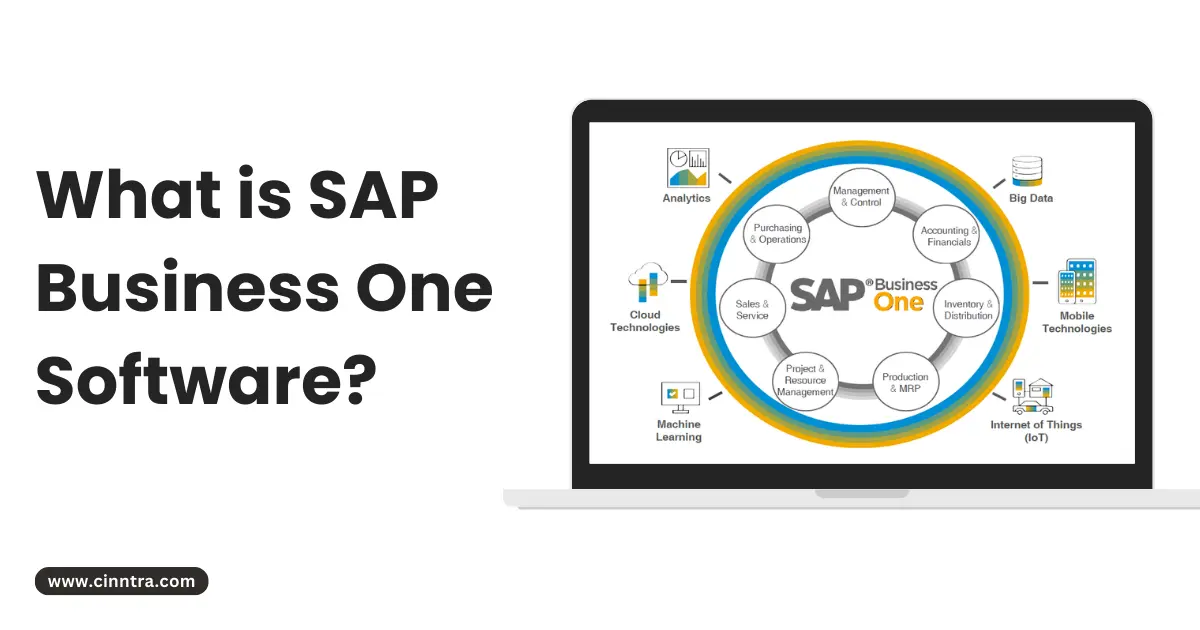
SAP Business One’s comprehensive nature is best illustrated through its key modules, each addressing a critical aspect of business operations and working in concert with the others.
- Financial Management: This module is the backbone of any business, offering robust tools for managing all financial transactions. It includes general ledger, journal entries, budgeting, bank reconciliation, fixed asset accounting, and financial reporting. Users can manage cash flow, track budgets, and automate accounting processes, providing a clear and accurate picture of the company’s financial health.
- Sales & Customer Relationship Management (CRM): This module covers the entire sales cycle, from lead generation to post-sales support. It enables businesses to manage sales opportunities, create sales quotations, process sales orders, manage deliveries, and issue invoices. The CRM capabilities help track customer interactions, manage service contracts, and analyze sales performance, fostering stronger customer relationships and driving revenue.
- Purchasing & Inventory Management: Essential for businesses that deal with physical goods, this module optimizes the procurement process and ensures efficient inventory control. It facilitates the creation of purchase orders, manages goods receipts, tracks vendor invoices (Accounts Payable), handles returns, and provides comprehensive warehouse management functionalities. Inventory management includes tracking item master data, managing pricing, optimizing stock levels, and gaining visibility into inventory movements.
- Production & Material Requirements Planning (MRP): For manufacturing or assembly-based businesses, this module is invaluable. It helps manage bills of materials (BOMs), create production orders, and perform material requirements planning (MRP). The MRP wizard analyzes demand and supply to recommend optimal purchase or production orders, ensuring that the right materials are available at the right time, minimizing stockouts and overstocking.
- Service Management: This module is designed for businesses that provide services or after-sales support. It allows for the management of service contracts, tracking of customer service calls, warranty management, and efficient allocation of service technicians. This enhances customer satisfaction and streamlines service operations.
- Analytics & Reporting: Beyond transactional processing, SAP Business One offers powerful analytics and reporting tools. It includes a wide range of standard reports, customizable dashboards, and integration with Crystal Reports and Pervasive Analytics (powered by SAP HANA). These tools provide real-time insights into all aspects of the business, enabling data-driven decision-making and performance monitoring.
Unifying Business Operations
The true genius of SAP Business One lies in how these modules interoperate. A sales order placed through the CRM module immediately impacts inventory levels, triggers a financial entry, and can even initiate a production order if stock is low. This interconnectedness eliminates data duplication, reduces errors, and provides a single, consistent view of all business processes. Managers no longer need to piece together information from various systems; all relevant data is accessible from a unified dashboard, fostering transparency and operational synergy across the entire organization.
Technological Underpinnings and Deployment Flexibility
The power and agility of SAP Business One are underpinned by sophisticated technology choices that offer flexibility and performance tailored to modern business demands.
Database Options: SQL vs. SAP HANA
SAP Business One provides flexibility in its database foundation, offering two primary options:
- Microsoft SQL Server: This traditional relational database management system is a robust and widely used choice, familiar to many IT professionals. It offers reliability and extensive tool support, making it a solid option for businesses with existing SQL infrastructure or specific compliance requirements.
- SAP HANA (High-Performance Analytic Appliance): This revolutionary in-memory computing platform significantly enhances SAP Business One’s capabilities. By storing data in RAM rather than on traditional hard drives, HANA processes massive amounts of data at unprecedented speeds. This enables real-time analytics, faster report generation, and the ability to instantly explore business scenarios. For businesses demanding immediate insights, advanced analytics, and the capacity to handle large data volumes with high transactional throughput, SAP HANA is the superior choice, unlocking features like Pervasive Analytics and advanced search capabilities.
On-Premise vs. Cloud Deployment
Deployment flexibility is another hallmark of SAP Business One, allowing businesses to choose the model that best fits their infrastructure preferences, budget, and IT capabilities:
- On-Premise: In this traditional model, the software is installed and run on a company’s own servers and infrastructure. This offers maximum control over data and customization options, often preferred by businesses with stringent security requirements or existing IT teams.
- Cloud Deployment: This model leverages cloud hosting providers, with the software and data residing on remote servers accessible via the internet. Cloud deployment offers several advantages: lower upfront IT infrastructure costs, reduced maintenance burden, scalability, and enhanced accessibility from anywhere with an internet connection. It can be delivered as Software-as-a-Service (SaaS) or hosted on Infrastructure-as-a-Service (IaaS) platforms. SAP Business One is available in various cloud configurations, including SAP Business One Cloud (provided by SAP or partners) and partner-hosted solutions.
Integration Capabilities and APIs
No modern business operates in a vacuum, and SAP Business One understands the need for seamless connectivity. It offers robust integration capabilities through various methods, including:
- APIs (Application Programming Interfaces): SAP Business One provides comprehensive APIs that allow it to integrate with other business applications, such as e-commerce platforms, third-party logistics (3PL) providers, specialized industry solutions, and even bespoke internal systems. This ensures that the ERP system can act as the central hub, exchanging data with other specialized tools as needed.
- Integration Frameworks: Tools like SAP Business One Integration Framework (B1iF) simplify the process of connecting SAP Business One with other applications, enabling complex data transformations and workflow orchestrations. This openness is crucial for creating a truly cohesive digital ecosystem.
User Experience and Interface Design
Recognizing that user adoption is key to ERP success, SAP Business One features an intuitive and customizable user interface. It is designed to be user-friendly, reducing the learning curve and improving productivity. Key aspects include:
- Customizable Dashboards: Users can personalize their dashboards to display the most relevant information, KPIs, and reports pertinent to their role.
- Role-Based Access: Security and usability are enhanced through role-based permissions, ensuring users only access and view data relevant to their responsibilities.
- Search Functionality: Powerful search capabilities, particularly with SAP HANA, allow users to quickly find documents, records, and information across the entire system.
Mobility and Remote Access
In today’s mobile-first world, SAP Business One extends its capabilities to smartphones and tablets through dedicated mobile applications. These apps allow sales teams to manage opportunities and orders on the go, service technicians to access customer information and update service calls remotely, and executives to monitor key performance indicators (KPIs) from anywhere. This mobility ensures that critical business processes and decision-making are not confined to the office.
Who Benefits and What to Consider for Adoption
SAP Business One is a powerful enabler, but its effectiveness is maximized when adopted by the right organizations and approached with a clear understanding of the implementation journey.
Target Audience: Small and Medium-Sized Enterprises (SMEs)
SAP Business One is explicitly designed for the SME market. This includes businesses that have outgrown basic accounting software (like QuickBooks) but are not yet large enough to require the extensive complexity and cost of large-scale enterprise ERP systems. It caters to companies typically ranging from 10 to several hundred employees, often with annual revenues from a few million to hundreds of millions. The system’s scalability allows it to grow with the business, accommodating increasing transaction volumes, additional users, and expanding operational needs without requiring a forklift upgrade.
Industry Versatility
One of the strengths of SAP Business One is its adaptability across a diverse range of industries. While its core functionalities are universal to most businesses, it can be tailored with industry-specific add-ons and configurations. Common industries that benefit include:
- Manufacturing: Managing bills of materials, production orders, and MRP.
- Wholesale Distribution: Optimizing inventory, warehouse management, and supply chain.
- Retail: Point-of-sale integration, inventory control, and customer loyalty programs.
- Services: Project management, service call management, and resource allocation.
- Food & Beverage: Batch management, traceability, and quality control.
- High Tech: Managing complex product lifecycles and global supply chains.
Key Benefits Realized by Adopters
Businesses that successfully implement SAP Business One typically experience a multitude of tangible benefits:
- Improved Efficiency and Productivity: Automation of manual tasks, standardized processes, and real-time data access significantly boost operational efficiency.
- Better Decision-Making: Access to comprehensive, accurate, and up-to-date information across all departments empowers management to make strategic decisions with confidence.
- Enhanced Customer Satisfaction: A unified view of customer interactions and streamlined service processes lead to improved customer service and loyalty.
- Reduced Operational Costs: Optimization of inventory, purchasing, and resource utilization can lead to substantial cost savings.
- Increased Revenue and Profitability: By improving sales processes, identifying new opportunities, and operating more efficiently, businesses can drive revenue growth.
- Scalability for Growth: The system provides a robust foundation that can support future expansion and accommodate increasing business complexity.
- Regulatory Compliance: Centralized financial data and audit trails simplify compliance with industry regulations and financial reporting standards.
Navigating the Implementation Journey
Adopting an ERP system like SAP Business One is a strategic project, not just an IT installation. A successful implementation requires careful planning and execution, typically involving certified SAP partners. Key steps include:
- Discovery and Planning: Understanding the business’s current processes, challenges, and future goals.
- System Configuration and Customization: Tailoring the software to specific business requirements, workflows, and industry needs.
- Data Migration: Transferring existing business data (customer records, inventory, financial history) into the new system.
- User Training: Ensuring employees are proficient in using the new system and understand its benefits.
- Testing: Thoroughly testing all functionalities and integrations before going live.
- Go-Live and Post-Implementation Support: Launching the system and providing ongoing support and optimization. Change management is crucial to ensure smooth user adoption.

Ongoing Support and Future-Proofing
SAP Business One is a living system that continually evolves. SAP provides regular updates, patches, and new versions that introduce enhanced features, improved security, and compliance with changing regulations. Businesses can rely on a global network of SAP partners for ongoing support, maintenance, and strategic advice, ensuring their ERP system remains a powerful asset that continues to deliver value and adapt to future business needs and technological advancements.
In essence, SAP Business One is more than just software; it’s a strategic investment in a company’s future. By providing a unified platform for managing all critical business functions, it empowers SMEs to operate more efficiently, make smarter decisions, and unlock their full potential for growth in a competitive digital landscape.
aViewFromTheCave is a participant in the Amazon Services LLC Associates Program, an affiliate advertising program designed to provide a means for sites to earn advertising fees by advertising and linking to Amazon.com. Amazon, the Amazon logo, AmazonSupply, and the AmazonSupply logo are trademarks of Amazon.com, Inc. or its affiliates. As an Amazon Associate we earn affiliate commissions from qualifying purchases.