
In a world increasingly saturated with brands vying for attention, the conventional wisdom often dictates adhering to “best practices” – a tried-and-true formula for success. Yet, some of the most iconic and successful brands in history have achieved their status not by conforming, but by strategically and deliberately deviating from the norm. This phenomenon, which we can adapt from social science, is what we call “positive deviance in branding.” It’s about those brands that, despite operating with similar or even fewer resources, achieve superior outcomes by employing unconventional, effective, and often counter-intuitive strategies.

This article delves into the intriguing concept of positive deviance as it applies to brand strategy, exploring why some brands thrive by breaking the mold. We will dissect its core definition, differentiate it from mere rebellion or niche marketing, and uncover the compelling reasons for embracing it. Furthermore, we’ll outline actionable strategies for cultivating positive deviance within your brand, discuss how to measure its unique impact, and weigh the inherent risks and profound rewards of daring to be different.
Understanding the Core Concept of Positive Deviance in Branding
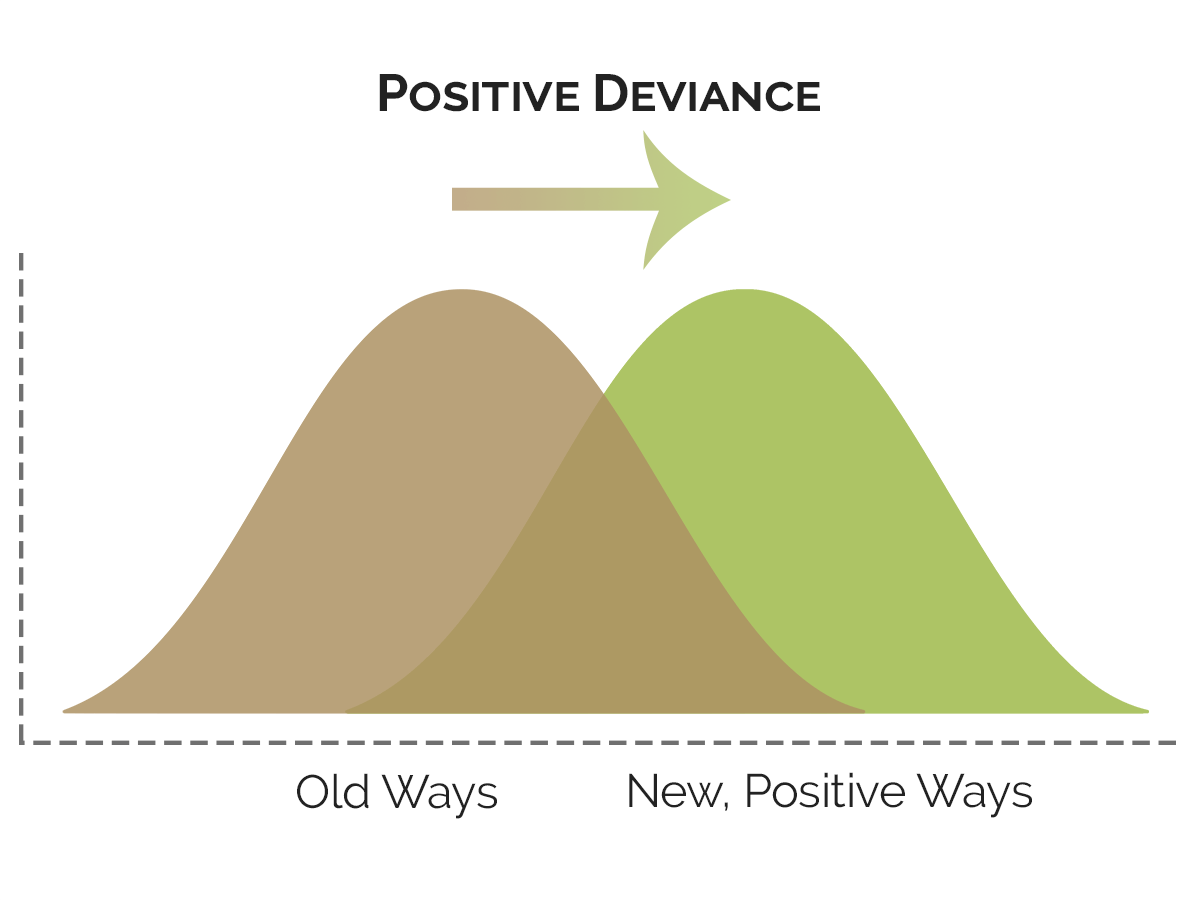
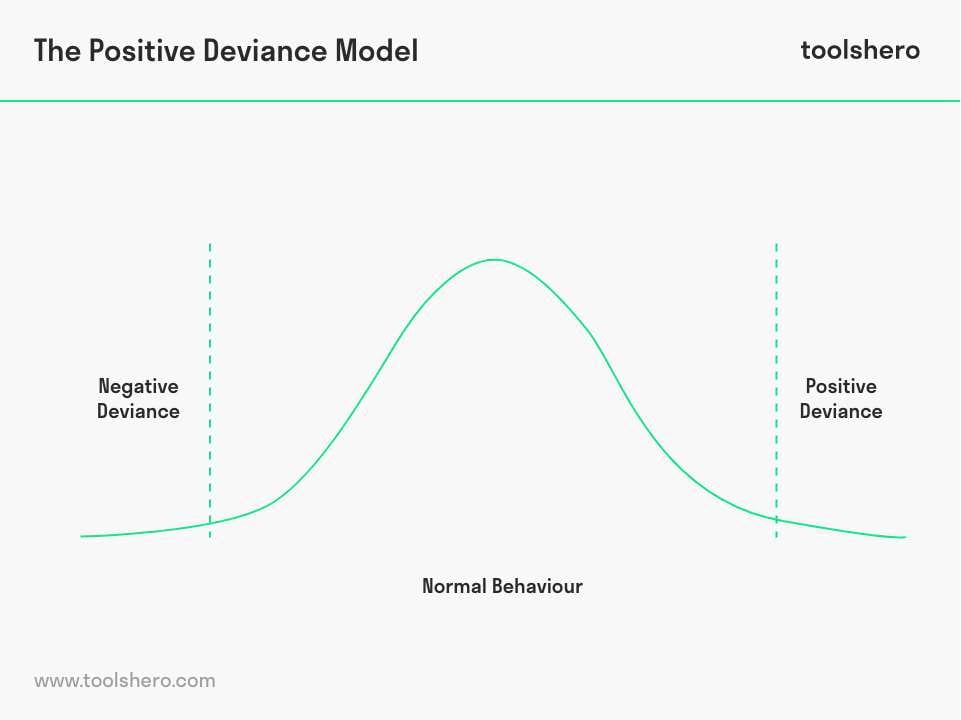
The term “positive deviance” originates from the fields of public health and social sciences, referring to the observation that in any community, there are individuals or groups who exhibit uncommon but successful behaviors that enable them to find better solutions to problems than their peers, despite facing similar challenges and having no extra resources. Translating this powerful concept to the realm of branding, positive deviance identifies brands that achieve exceptional market resonance, customer loyalty, and financial success by deviating from conventional industry practices in their strategy, messaging, design, or customer engagement.
Defining Positive Deviance Beyond the Norm
At its heart, positive deviance in branding is about identifying and amplifying what works, even if it goes against established norms. It’s not simply about being different for the sake of it, nor is it about blindly following a maverick path. Instead, it’s a calculated departure from industry standards where that deviation demonstrably leads to superior positive outcomes. These outcomes might include unprecedented brand recognition, deeply engaged communities, remarkable customer advocacy, or a unique competitive advantage that others struggle to replicate.
Consider brands that eschew traditional advertising in favor of community-led growth, or those that build their entire identity around a provocative, yet ultimately inspiring, message. Their “deviance” lies in their methodology, their voice, their product philosophy, or their go-to-market strategy. They succeed not because they outspend competitors, but because they out-think them, challenging the very assumptions upon which an industry operates. The key differentiator is always the positive result – the superior performance that validates their unconventional approach.
Distinguishing from Negative Deviance and Niche Strategy
It’s crucial to distinguish positive deviance from other forms of unconventional branding. Negative deviance, for instance, involves strategies that are controversial or disruptive purely for shock value, often without a clear positive long-term outcome, or worse, damaging the brand’s reputation. While some positive deviant brands might initially be perceived as controversial, their actions consistently align with a strong, positive brand purpose and ultimately yield constructive results.
Furthermore, positive deviance is not merely a niche strategy. A brand operating within a niche market can still adhere to entirely conventional branding practices within that niche. For example, a luxury watch brand targeting collectors is a niche player, but if its marketing, distribution, and customer service align perfectly with industry expectations, it’s not exhibiting positive deviance. However, if a luxury brand were to completely upend its distribution model, or embrace an unexpected form of digital engagement that defied the high-end industry’s reserved norms – and succeeded wildly – that would be positive deviance. The distinction lies in the how and why a brand differentiates itself, rather than just who it targets.
Why Embrace Positive Deviance in Brand Strategy?
In today’s hyper-competitive marketplace, achieving genuine differentiation is arguably the greatest challenge for any brand. When everyone is striving for “best practices,” the outcome is often a homogenization of experience, where brands become indistinguishable. Positive deviance offers a powerful antidote to this problem.
Cutting Through the Noise and Standing Out
The sheer volume of marketing messages consumers encounter daily makes it incredibly difficult for brands to capture and retain attention. When brands consistently follow the same playbooks – similar ad formats, identical social media tactics, predictable product launches – they become part of the background noise. Positive deviance, by its very nature, creates a rupture in this pattern.
A brand that deviates positively commands attention precisely because it is unexpected. It prompts consumers to pause, question, and engage. This distinctiveness is not just a fleeting novelty; it builds strong memorability and helps the brand carve out a unique identity in the minds of its target audience. Consider brands that have flipped traditional advertising on its head, using humor, vulnerability, or direct challenge in ways their competitors wouldn’t dare. They don’t just stand out; they become talking points.
Fostering Innovation and Authenticity
Embracing positive deviance inherently fosters an environment of innovation. It challenges internal teams to think beyond established frameworks, to question assumptions, and to experiment with new ways of connecting with their audience. This often leads to breakthroughs in product development, service delivery, and marketing campaigns that might never emerge from a “play-it-safe” mentality.
Moreover, positive deviance often aligns with a brand’s deepest sense of purpose and authenticity. When a brand dares to be different and succeeds, it reinforces its core values and vision. This authenticity resonates profoundly with consumers who are increasingly wary of corporate artifice and marketing fluff. Brands that embody a genuine, albeit unconventional, identity attract a loyal following that values originality and integrity. This connection goes beyond transactional relationships, forging deeper emotional bonds.
Building Stronger Brand Loyalty
Perhaps one of the most significant benefits of successful positive deviance is its capacity to build extraordinarily strong brand loyalty. When customers encounter a brand that genuinely breaks the mold in a positive way, they often feel a sense of belonging or kinship. They become part of a movement, aligning themselves with a brand that shares their values of challenging the status quo, seeking better solutions, or simply daring to be different.
This sense of shared identity transforms customers into advocates, eager to champion the brand and share its story. They don’t just buy a product; they buy into an ethos. This tribal loyalty creates a robust, engaged community around the brand, providing a sustainable competitive advantage that traditional marketing spend often cannot replicate. These loyalists become a powerful, organic marketing force, amplifying the brand’s message and solidifying its market position.
Strategies for Cultivating Positive Deviance in Your Brand
Cultivating positive deviance is not about random acts of rebellion but a strategic and intentional process. It requires deep introspection, courage, and a willingness to challenge long-held beliefs.
Identify and Challenge Industry Dogma
The first step in cultivating positive deviance is to critically examine your industry’s “sacred cows”—the unspoken rules, widely accepted practices, and assumed truths that everyone follows. Ask fundamental questions: Why do we do things this way? What would happen if we did the opposite? Are there better ways to serve our customers, build our products, or communicate our value?
For example, if your industry relies heavily on traditional advertising, consider how you might build an entire brand identity through user-generated content and community engagement, as many direct-to-consumer brands have done. If customer service is typically impersonal, how can you make it remarkably human and personalized at scale? By questioning these dogmas, you uncover potential areas where deviation could lead to superior results.
Prioritize Uncommon Customer Engagement
Think beyond typical customer service and marketing interactions. How can you engage with your audience in ways that are unexpected, delightful, or deeply meaningful? This might involve creating unique offline experiences that complement your digital presence, fostering online communities that offer genuine value beyond product support, or even co-creating products and content with your customers.
Brands like Innocent Drinks, with their quirky, conversational tone on packaging and social media, or Dollar Shave Club, with its humorous and irreverent video advertising, demonstrate how an unconventional approach to engagement can build a distinct and beloved brand personality. The goal is to surprise and delight, fostering a relationship that goes beyond mere transaction.
Develop a Distinctive Brand Voice and Narrative
In a sea of corporate speak and generic messaging, a distinctive brand voice can be a powerful form of positive deviance. This means moving away from bland, safe language and embracing a tone that is bold, authentic, provocative (in a constructive way), or uniquely humorous. Your brand’s narrative should tell a story that challenges conventional wisdom, offers a fresh perspective, or highlights a commitment to values that others overlook.
Patagonia’s “Don’t Buy This Jacket” campaign, launched on Black Friday, was a profoundly deviant act in retail. Instead of promoting consumption, it urged thoughtful consideration and repair, reinforcing the brand’s environmental ethos. This counter-cultural message deepened loyalty among its target audience and earned widespread admiration, proving that sometimes, less overt selling leads to more profound connection and sales.
Redefine Product/Service Delivery and Design
Positive deviance can also manifest in the very core of your offering. Can your product or service itself be “deviant” in its design, functionality, or how it’s delivered? Consider Warby Parker, which disrupted the eyewear industry by offering stylish, affordable glasses online with a unique home try-on program. This was a radical deviation from the traditional brick-and-mortar optical shop model, addressing a clear consumer pain point and setting a new standard.
Or think about subscription box services that introduced novelty and convenience to everyday items, challenging traditional retail models. These brands didn’t just offer a different product; they offered a different way of experiencing a product, embodying positive deviance in their very business model and customer journey.
Measuring the Impact of Deviant Branding
Measuring the success of a positively deviant brand strategy requires looking beyond conventional metrics and embracing a broader, more qualitative view of brand health.
Beyond Traditional KPIs
While sales figures, market share, and ROI remain important, positive deviance often manifests first in less tangible, yet equally crucial, indicators. Metrics like brand sentiment, earned media value, social engagement rates (focusing on depth and quality of interaction, not just vanity metrics), brand recall, and customer advocacy become paramount. How often are customers talking about your brand unprompted? Are they defending it, celebrating it, and recruiting others?
Qualitative feedback, such as customer stories, testimonials that highlight the brand’s unique attributes, and direct feedback from community forums, offers invaluable insights into the impact of deviant strategies. These narratives often reveal the depth of connection and the specific ways in which the brand has resonated due to its unconventional approach.
Case Studies and Anecdotal Evidence
The branding landscape is rich with examples of positive deviance. Innocent Drinks’ consistent, quirky, and self-aware brand voice on their packaging and marketing materials made them stand out in a serious beverage market. Lush Cosmetics’ refusal to use traditional advertising, relying instead on ethical sourcing, in-store experiences, and passionate staff, built a cult following. Tesla’s direct-to-consumer sales model and fanatical community engagement defied the automotive industry’s century-old dealership model. These brands show that deviation, when executed with purpose and authenticity, can lead to disproportionate success. Their stories serve as powerful evidence that daring to be different, and doing so effectively, can create enduring competitive advantage and unparalleled brand love.
Navigating the Risks and Rewards of Deviant Branding
Embracing positive deviance is not without its challenges. It’s a strategy that requires courage, conviction, and a deep understanding of your audience, but the potential rewards can be transformative.
The Double-Edged Sword of Differentiation
The very act of deviating means you’re not appealing to everyone. There’s an inherent risk of alienating traditional customers or being misunderstood by a broader market that prefers conventional approaches. A brand’s unique voice or unconventional strategy might be perceived as niche, too eccentric, or even off-putting by some segments.
Therefore, positive deviance demands a laser-sharp focus on your target audience and a crystal-clear understanding of your brand’s purpose. Not every deviation will be positive; some can be disastrous if they don’t resonate with the intended audience or if they stray too far from a brand’s core values. Strategic risk assessment and pilot testing are crucial.
Commitment to Authenticity and Consistency
Positive deviance is not a one-off marketing stunt; for it to be effective and sustainable, it must be an intrinsic part of the brand’s DNA. Authenticity is paramount. If a brand attempts to deviate simply for attention without genuine conviction, it will quickly be perceived as disingenuous. Furthermore, consistency in this unique approach is vital. Inconsistent messaging or a return to conventional tactics will undermine any distinct identity built through deviance. This requires unwavering commitment from brand leadership and embedding the deviant spirit throughout the organization.
The Long-Term Payoff
Despite the risks, the long-term payoffs of successfully executed positive deviance can be immense. Brands that master this approach achieve an unparalleled level of resilience and affection. They command stronger market positions, often justify premium pricing due to their unique value proposition, and foster an army of passionate brand evangelists who become powerful advocates. This creates a virtuous cycle: distinctiveness leads to loyalty, which fuels growth, allowing the brand to continue investing in its unique path. Ultimately, positive deviance builds brands that are not just successful, but beloved – brands that leave an indelible mark on their industry and the culture at large.
In conclusion, “what is positive deviance” in branding is far more than a conceptual exercise; it’s a strategic imperative for brands seeking to thrive in an overcrowded market. It encourages a departure from the comfortable confines of conventional wisdom, urging brands to explore unconventional paths that, when pursued with purpose and authenticity, lead to extraordinary outcomes. For those brave enough to challenge the status quo, positive deviance offers a powerful framework for building not just a brand, but a legacy.
aViewFromTheCave is a participant in the Amazon Services LLC Associates Program, an affiliate advertising program designed to provide a means for sites to earn advertising fees by advertising and linking to Amazon.com. Amazon, the Amazon logo, AmazonSupply, and the AmazonSupply logo are trademarks of Amazon.com, Inc. or its affiliates. As an Amazon Associate we earn affiliate commissions from qualifying purchases.