
In an increasingly crowded marketplace, the simple act of choosing a yogurt has transformed into a complex negotiation between personal wellness goals and a dazzling array of brand promises. The question “what yogurt is best for you?” is no longer a straightforward nutritional query, but rather an intricate puzzle solved by understanding brand positioning, marketing strategies, and the psychology behind consumer choice. For brands, this represents both a significant challenge and an immense opportunity: to differentiate, communicate value, and build lasting relationships with consumers seeking not just a product, but a personalized wellness solution. This article delves into how branding shapes our perception of “best” in the yogurt aisle, and how consumers can strategically navigate this branded ecosystem.
The Evolving Yogurt Market: A Brand Perspective
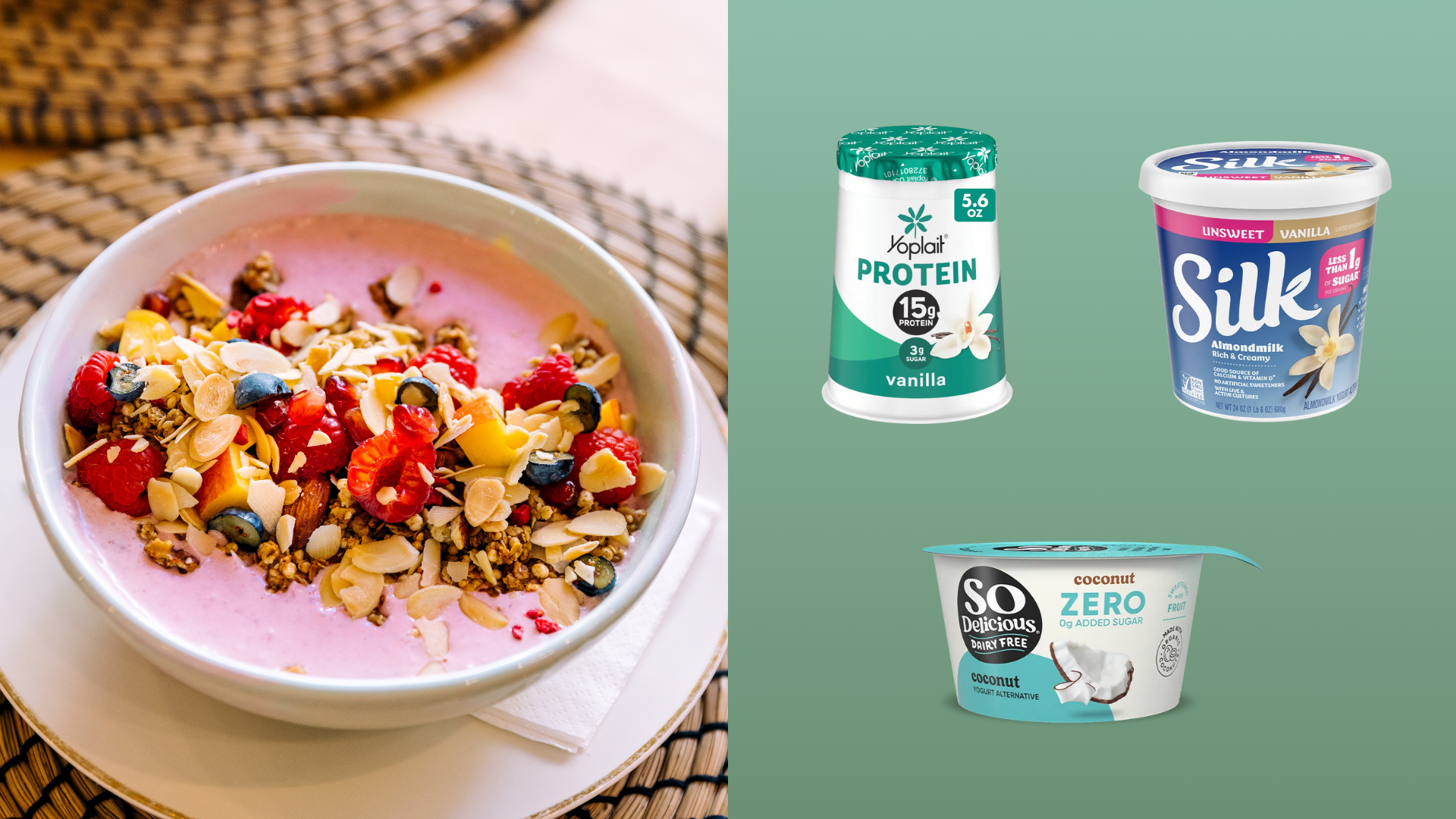
The yogurt industry has undergone a remarkable metamorphosis, transitioning from a niche health food to a mainstream staple. This expansion is largely attributable to innovative branding strategies that have segmented the market, created new consumption occasions, and continually redefined consumer expectations.
Diversification Through Brand Innovation
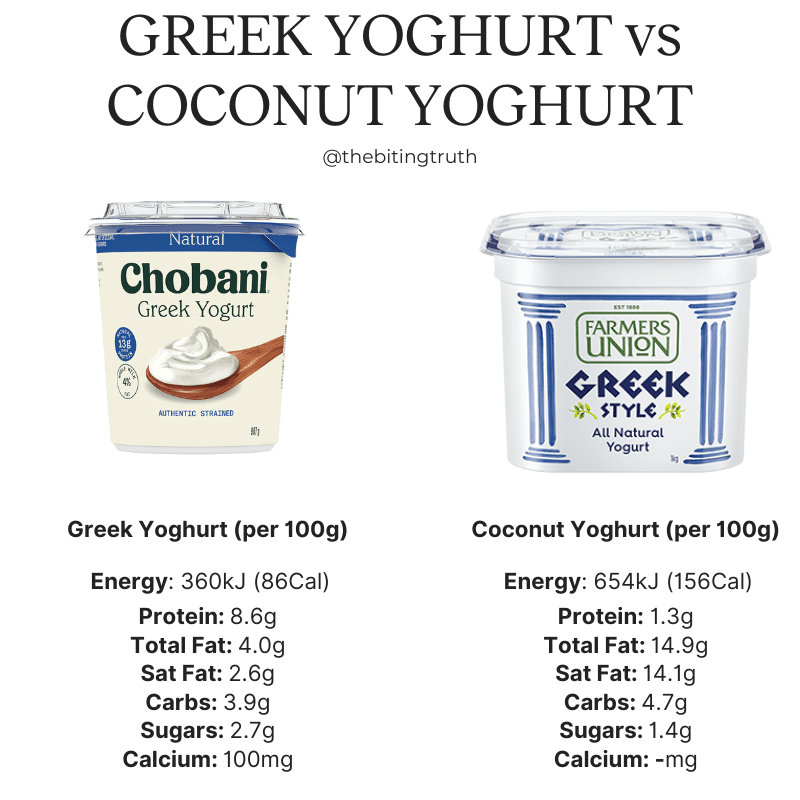
The journey from plain, unflavored yogurt to the diverse selection we see today is a testament to relentless brand innovation. Early brands established categories like Greek yogurt, offering higher protein content and a thicker texture, which resonated with health-conscious consumers and fitness enthusiasts. This initial differentiation spurred an arms race of innovation. We now see brands specializing in everything from plant-based alternatives (almond, oat, coconut), catering to dietary restrictions and ethical preferences, to high-fat, full-cream options appealing to different dietary philosophies. Each new product line represents a strategic branding decision, aiming to capture a specific demographic or fulfill an unmet need, thereby expanding the overall market footprint. Brands like Chobani carved out a dominant position by focusing on natural ingredients and a “good for you” ethos, while newer entrants like Kite Hill or Oatly have leveraged the plant-based trend to establish distinct brand identities and loyal followings. This constant diversification through innovation ensures that brands remain relevant and competitive, perpetually offering new answers to the evolving question of “what yogurt is best for you.”
The Power of Health Claims in Branding
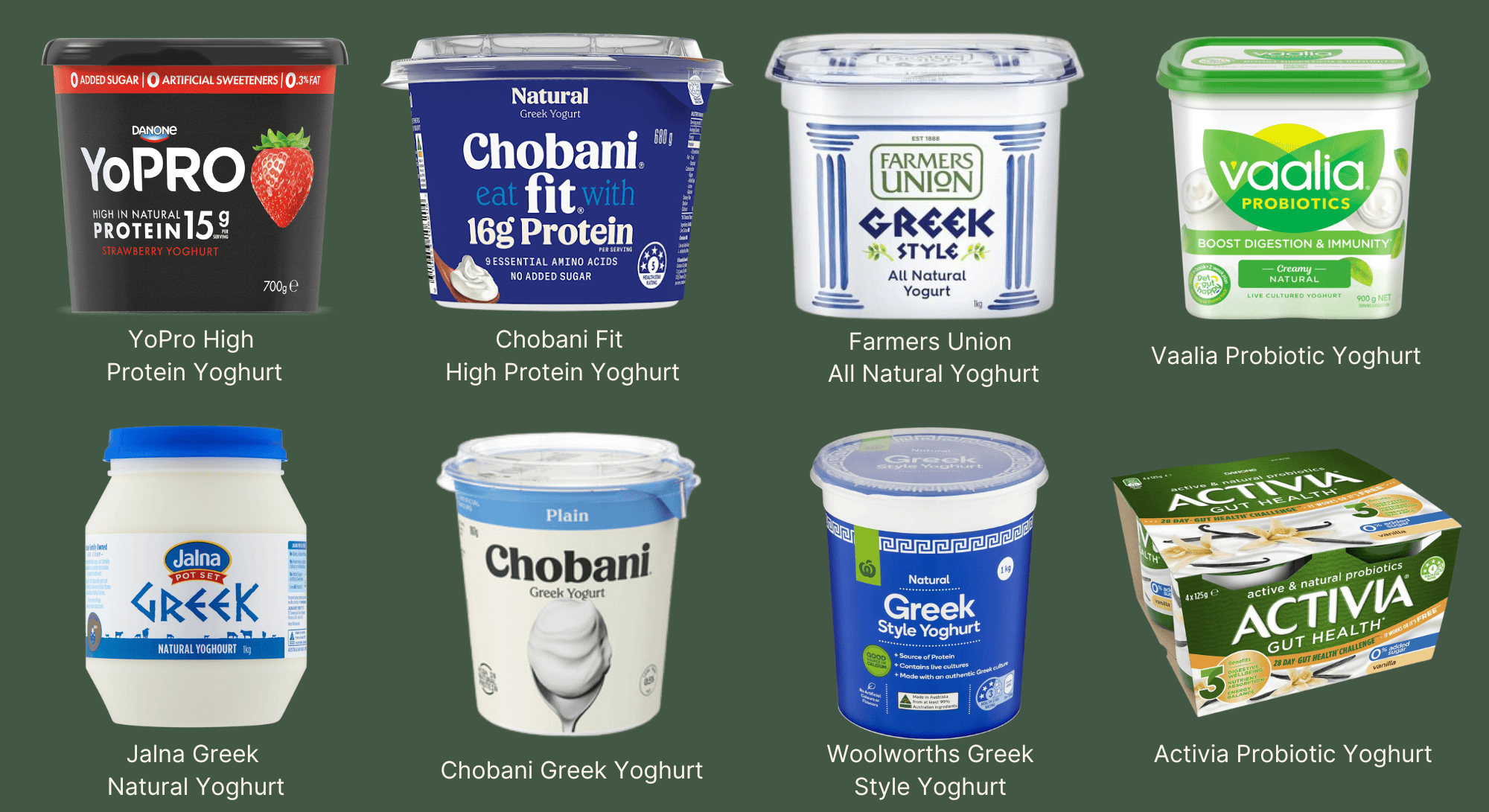
Health claims are perhaps the most potent tool in the yogurt brand’s arsenal. From “contains live and active cultures” to “high in protein,” “low sugar,” “probiotic-rich,” or “supports gut health,” these claims are not just nutritional facts; they are foundational elements of a brand’s identity and value proposition. Brands strategically align themselves with prevailing health trends, positioning their products as solutions to common wellness concerns. For instance, the rise of gut health awareness has seen a proliferation of brands emphasizing specific probiotic strains, using scientific-sounding language to bolster their credibility and consumer trust. Similarly, concerns about sugar intake have led to an explosion of “no added sugar” or “low sugar” branded options, often accompanied by clean, minimalist packaging to reinforce a sense of purity and healthfulness. The art lies in communicating these claims effectively and authentically, building a brand narrative that resonates with a consumer’s personal health journey. Brands that successfully articulate the specific benefits of their product in a clear, compelling, and trustworthy manner are those that gain market share and build enduring consumer loyalty, effectively answering “what yogurt is best for you” through their unique health positioning.
Decoding Brand Promises: What “Best For You” Really Means
For the consumer, discerning what “best for you” truly entails involves peeling back layers of sophisticated branding. It requires an understanding of how brands articulate their value and how those messages align with individual needs and perceptions.
Nutritional Positioning and Target Audiences
Every yogurt brand consciously crafts its nutritional positioning to appeal to a specific target audience. A brand focusing on children might highlight calcium content and fun flavors, using vibrant packaging and playful mascots. Conversely, a brand targeting athletes or fitness enthusiasts will emphasize protein content and recovery benefits, often with sleek, performance-oriented branding. Those aiming for the general wellness market might prioritize a balance of probiotics, natural ingredients, and moderate sugar levels, employing imagery of wholesome natural scenes or everyday well-being. This strategic segmentation ensures that each brand offers a distinct answer to “what yogurt is best for you” for a particular consumer group. The “best” for a diabetic might be a low-sugar, high-fiber option, while the “best” for someone with lactose intolerance is a plant-based alternative. Brands must not only identify these niches but also communicate their tailored benefits with precision and clarity, ensuring their brand identity speaks directly to the needs and aspirations of their chosen demographic.
The Role of Packaging and Design in Brand Perception
Beyond the nutritional label, packaging and design are powerful silent communicators of a brand’s promise. The visual aesthetics, tactile experience, and informational hierarchy on a yogurt cup significantly influence consumer perception and purchasing decisions. A rustic, minimalist design might convey naturalness and purity, aligning with organic or artisanal brands. Bold colors and graphic elements can suggest energy and vibrancy, appealing to younger demographics or those seeking an adventurous taste experience. The font choice, the prominence of a “non-GMO” or “organic” seal, and even the shape of the container all contribute to the overall brand message. For instance, brands looking to convey premium quality might opt for glass jars or sophisticated, understated labeling, while those emphasizing convenience might use squeezable pouches. This visual language is crucial in helping consumers quickly categorize and evaluate products, often before they even read the fine print. It enables brands to instantly communicate their core values and target audience, thereby guiding the consumer towards what they perceive as the “best for them” based on aesthetic and emotional cues.
Consumer Decision-Making: Beyond the Label
In the modern marketplace, consumer decision-making extends beyond a simple comparison of nutritional facts. It’s influenced by a broader ecosystem of brand engagement, trust, and shared values.
Ingredient Transparency and Brand Trust
In an era of increased consumer skepticism and a desire for authenticity, ingredient transparency has become a cornerstone of brand trust. Consumers are no longer satisfied with vague claims; they demand to know exactly what goes into their food and where it comes from. Brands that embrace radical transparency, clearly listing ingredients, explaining sourcing practices, and even detailing manufacturing processes, build a strong foundation of trust. This might involve featuring “farm to table” narratives, highlighting ethical animal welfare practices for dairy brands, or explaining the fermentation process for probiotic efficacy. Brands like Stonyfield Organic have built their entire identity around transparency and organic certification, making these attributes synonymous with their brand name. When consumers feel informed and confident about a brand’s ingredients, they are more likely to perceive that product as “best for them,” as it aligns with their personal values regarding health, ethics, and quality. A lack of transparency, conversely, can erode trust and lead consumers to seek out competitor brands that offer greater clarity.
Influencer Marketing and Brand Advocacy
The digital age has introduced new powerful channels for brand messaging, with influencer marketing and brand advocacy playing increasingly significant roles. Rather than relying solely on traditional advertising, yogurt brands now collaborate with health and wellness influencers, nutritionists, and lifestyle bloggers to showcase their products. These collaborations leverage the influencer’s credibility and reach, presenting the yogurt as a natural fit within a desired lifestyle. When an influencer known for their authentic health advice recommends a particular yogurt, it can carry more weight than a generic advertisement, directly influencing the perception of “best for you” among their followers. Furthermore, fostering brand advocacy among loyal customers, encouraging them to share their positive experiences on social media, amplifies a brand’s reach and reinforces its image. User-generated content acts as powerful social proof, validating a brand’s promises and helping potential customers feel more confident in their choice. This peer-to-peer recommendation system is highly effective in a crowded market, making the “best” choice feel more personal and trustworthy.
Crafting Your Personal “Best”: A Strategic Approach to Yogurt Selection
Ultimately, the answer to “what yogurt is best for you” is a deeply personal one, requiring a strategic approach that aligns brand offerings with individual needs and preferences. It’s about empowering the consumer to make informed, brand-aware choices.
Aligning Brand Attributes with Individual Needs
The core of finding your “best” yogurt lies in a conscious alignment between your individual dietary needs, health goals, and the specific attributes a brand highlights. Are you focused on muscle building? Then a brand emphasizing high protein and low sugar (e.g., certain Greek yogurt brands) might be your best fit. Are you managing digestive issues? A brand focusing on diverse probiotic strains and gut health might be more appropriate. Do you have allergies or ethical concerns? Then plant-based or organic brands with strong transparency narratives will likely be your preference. This strategic alignment requires consumers to first understand their own needs, and then critically evaluate brand messaging to see which product’s core attributes genuinely match those requirements. It’s about looking past generic claims and identifying the specific brand promises that truly resonate with one’s personal wellness journey.
The Long-Term Brand Relationship: Loyalty and Value
Beyond the initial purchase, the concept of “best for you” extends to the long-term relationship a consumer builds with a brand. This loyalty is cultivated through consistent product quality, effective communication, and a brand’s ability to evolve with consumer needs. A brand that continually delivers on its promise, offers new and relevant products, and maintains a strong, authentic identity is more likely to retain its customers. When a consumer consistently chooses a particular brand because it consistently meets their expectations for taste, nutrition, and values, they are investing in a long-term brand relationship. This ongoing commitment transforms a single product choice into a valued, habitual part of their lifestyle, reinforcing the belief that they have indeed found “what yogurt is best for them.” Brands foster this loyalty through engaging content, customer service, and sometimes, even through community building, creating a sense of belonging among their consumers.
The Future of Yogurt Branding: Personalization and Sustainability
As consumer preferences continue to shift, the future of yogurt branding will likely be characterized by even greater personalization and a renewed focus on sustainability and ethical practices.
Tailored Nutrition as a Brand Imperative
The future will see brands moving beyond broad segmentation to offer hyper-personalized nutrition solutions. Imagine yogurts formulated based on individual genetic profiles, microbiome analysis, or specific health biomarkers, delivered through bespoke subscription services. Brands will leverage AI and data analytics to understand consumer preferences at an unprecedented level, allowing for the creation of truly “best for you” products that are tailored to the individual. This level of personalization will be a significant differentiator, requiring brands to invest in advanced R&D, sophisticated data management, and seamless direct-to-consumer models. The brand identity in this future will be less about mass appeal and more about individualized care and precision wellness.
Ethical Sourcing and Environmental Branding
Environmental consciousness and ethical considerations are increasingly influencing purchasing decisions, and yogurt brands are taking note. The “best for you” equation is expanding to include “best for the planet” and “best for ethical practices.” Brands that can authentically demonstrate sustainable sourcing, reduced carbon footprints, recyclable packaging, and fair labor practices will gain a significant competitive edge. This involves more than just marketing; it requires fundamental changes to supply chains and operational practices. Brands will need to transparently communicate their efforts in these areas, building trust through verifiable certifications and compelling narratives about their commitment to global well-being. This environmental and ethical branding will be crucial in resonating with a new generation of consumers who seek products that align with their holistic values, making sustainability a non-negotiable component of what defines the “best” yogurt.
In conclusion, the quest for “what yogurt is best for you” is a dynamic interplay between consumer demand for wellness and brand strategies designed to meet those needs. By understanding the intricate role of brand innovation, health claims, design, transparency, and evolving market trends, both consumers and brands can navigate this landscape more effectively, ultimately fostering choices that genuinely contribute to personal well-being and a sustainable future.
aViewFromTheCave is a participant in the Amazon Services LLC Associates Program, an affiliate advertising program designed to provide a means for sites to earn advertising fees by advertising and linking to Amazon.com. Amazon, the Amazon logo, AmazonSupply, and the AmazonSupply logo are trademarks of Amazon.com, Inc. or its affiliates. As an Amazon Associate we earn affiliate commissions from qualifying purchases.