
In the modern era, the quest for the most affordable airfare has evolved from a simple comparison-shopping task into a sophisticated exercise in digital strategy. No longer are travelers dependent on the manual ledgers of travel agents; instead, we operate within a high-frequency digital marketplace where prices fluctuate by the second based on complex algorithms, demand heatmaps, and global distribution systems (GDS). To find the cheapest flights today, one must understand the technological infrastructure of the travel industry and utilize the specific tools—ranging from AI-driven predictive analytics to geo-spoofing software—that level the playing field between the consumer and the airline’s pricing engines.

The Architecture of Search: Meta-Search Engines and Aggregator Algorithms
At the heart of the “cheap flight” ecosystem lies the meta-search engine. Unlike traditional Online Travel Agencies (OTAs) that sell tickets directly, meta-search engines function as specialized crawlers that aggregate data from hundreds of sources simultaneously. Understanding how these platforms operate is the first step in mastering the tech-driven travel search.
Understanding Global Distribution Systems (GDS) and APIs
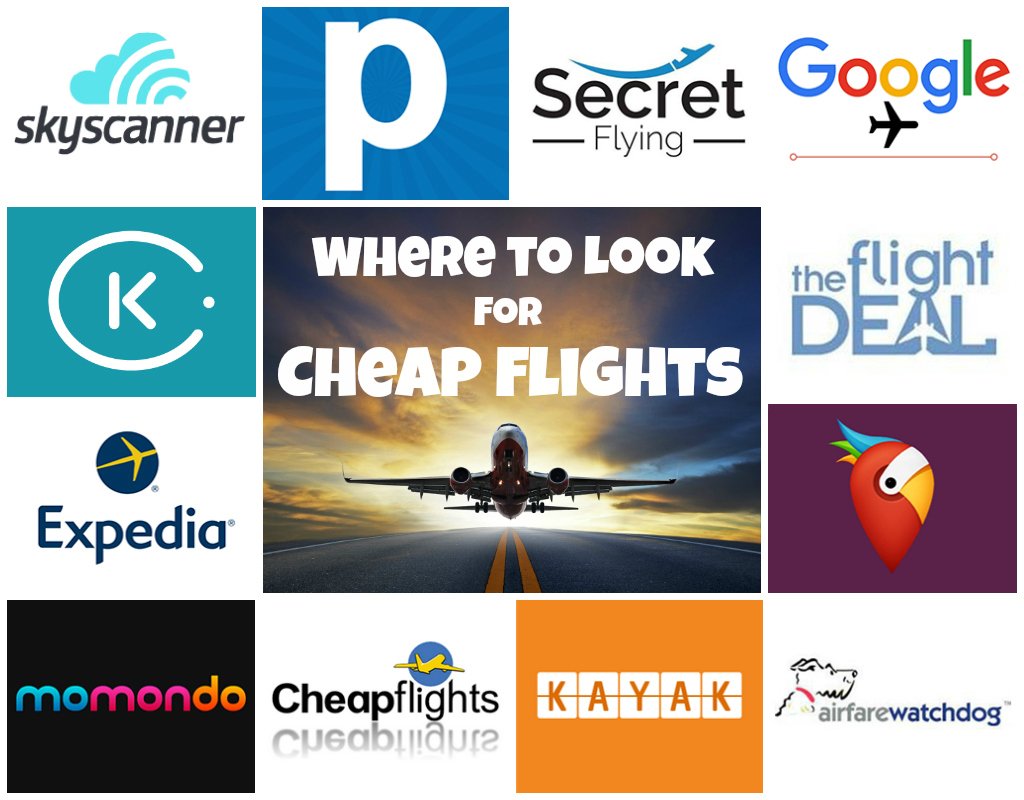
To understand where flight data comes from, we must look at Global Distribution Systems like Amadeus, Sabre, and Travelport. These are the massive databases that store the world’s inventory of airline seats. Modern tech tools find cheap flights by pinging these databases via Application Programming Interfaces (APIs). When you use a platform like Google Flights or Skyscanner, you are essentially launching a high-speed query across multiple APIs. The efficiency of the search depends on the platform’s ability to cache data versus fetching it in real-time, which explains why prices sometimes “jump” during the final checkout phase—a phenomenon known as “stale data” in the tech world.
The Rise of Multi-City Routing Algorithms
Advanced platforms have moved beyond simple point-to-point searches. They now employ “virtual interlining” algorithms. Tools like Kiwi.com or specialized scripts can identify “hidden-city” opportunities or self-transfer itineraries that traditional airline websites would never display. These algorithms calculate the probability of successful connections across different carriers that do not have formal codeshare agreements, often slashing the price of long-haul travel by 40% or more by treating the journey as a series of disconnected data points rather than a single ticketed event.
AI and Predictive Analytics: Timing the Market with Machine Learning
Finding a cheap flight is often less about where you look and more about when the algorithm decides to buy. The introduction of Artificial Intelligence (AI) and Machine Learning (ML) into travel tech has shifted the advantage toward the consumer who knows how to interpret predictive data.
Machine Learning in Price Forecasting
Apps like Hopper have pioneered the use of massive historical datasets to predict future price movements. By analyzing trillions of historical flight prices, these ML models can determine with a high degree of statistical confidence whether a fare is likely to drop or rise in the next 24 to 72 hours. This is not mere guesswork; it is the application of time-series forecasting. For the tech-savvy traveler, following the “Buy” or “Wait” recommendations of an AI agent is significantly more effective than following outdated travel myths like “buying on a Tuesday at midnight.”
Automated Alert Systems and Bot Monitoring
The most efficient way to find cheap flights is to stop looking for them manually and instead deploy automated monitoring agents. Services such as Going (formerly Scott’s Cheap Flights) or Jack’s Flight Club utilize a mix of human oversight and proprietary scraping bots that monitor fare “mistakes” or sudden inventory dumps. When an airline’s revenue management software glitches—for instance, forgetting to add a fuel surcharge to a specific route—these bots detect the anomaly instantly. By setting up Webhooks or push notifications, users can capitalize on these digital errors before the airline’s IT department issues a patch.

Digital Privacy and Geo-Arbitrage: Bypassing Dynamic Pricing
Airlines use sophisticated tracking to implement “dynamic pricing,” a practice where the price of a flight changes based on the user’s perceived willingness to pay. This is determined by data points such as your location, browsing history, and even the device you are using. To find the cheapest flights, one must utilize privacy tech to maintain a neutral digital footprint.
The Role of VPNs in Bypassing Regional Price Discrimination
One of the most effective tech “hacks” for cheap flights is the use of a Virtual Private Network (VPN). Airlines often adjust their pricing based on the Point of Sale (POS). A flight booked from a high-income IP address in New York might be priced significantly higher than the exact same seat booked from an IP address in India or Malaysia. By tunneling your connection through a VPN server in a lower-income country or the airline’s home country, you can often trigger a more favorable currency conversion and a lower base fare. This is a classic example of digital geo-arbitrage.
Managing Browser Fingerprinting and Cookies
Airlines and OTAs use browser cookies and device fingerprinting to track how many times you have searched for a specific route. If the algorithm sees repeated interest, it may artificially inflate the price to create a sense of urgency (loss aversion). To counter this, savvy users employ “Incognito Mode,” but professional travel hackers go further by using “hard” privacy tools. This includes clearing cache/cookies between every search, using different browser profiles, or even utilizing a “User-Agent Switcher” extension to make a desktop browser appear as a mobile device, which can sometimes trigger mobile-exclusive discounts.
Specialized Mobile Apps and the “Super-App” Revolution
As the tech landscape shifts toward mobile-first interactions, the architecture of flight searching is changing. Many providers are now offering “mobile-only” fares that are inaccessible via traditional desktop web browsers.
Mobile-Only Deals and In-App Rewards
To drive user acquisition for their apps, many OTAs (like Trip.com or Agoda) offer specific price tiers that are only rendered within their native iOS or Android applications. These apps often feature “hidden” deals that are subsidized by the platform’s marketing budget. Furthermore, these apps frequently integrate with digital loyalty programs and “gamified” check-in systems that provide digital coupons. From a tech perspective, these apps utilize deep-linking and push-notification frameworks to alert users to “Flash Sales” that expire within minutes, providing a speed advantage over email-based newsletters.
Integration with Fintech and Digital Wallets
The intersection of travel tech and fintech (Financial Technology) has created new ways to lower flight costs. Many digital banks and “Super-Apps” now offer integrated travel portals. By paying with a specific digital wallet or using a fintech-linked card (like Revolut or Monzo), users can avoid the hidden 3% “foreign transaction fees” that traditional banks often bake into the ticket price. Additionally, some apps now offer “Price Freeze” technology—a fintech derivative where the user pays a small fee to lock in a price for a set period, with the app’s backend algorithm essentially “hedging” the risk of a price increase.
Conclusion: The Programmable Future of Travel
Finding cheap flights in the current digital climate is no longer a matter of luck; it is a matter of leveraging the right tech stack. By moving beyond the surface-level UI of a single airline website and diving into the world of API aggregators, AI price-prediction models, and privacy-shielding tools, travelers can navigate the complex web of dynamic pricing with precision.
The future of this space lies in even deeper automation—potentially through personal AI assistants that can autonomously negotiate and book flights via headless browsers the moment a price hits a predefined threshold. Until then, the most effective strategy remains a disciplined application of the tools discussed: using VPNs for geo-arbitrage, AI for timing, and meta-search engines for comprehensive data scraping. In the battle between the traveler and the airline’s algorithm, the person with the superior technology usually wins.
aViewFromTheCave is a participant in the Amazon Services LLC Associates Program, an affiliate advertising program designed to provide a means for sites to earn advertising fees by advertising and linking to Amazon.com. Amazon, the Amazon logo, AmazonSupply, and the AmazonSupply logo are trademarks of Amazon.com, Inc. or its affiliates. As an Amazon Associate we earn affiliate commissions from qualifying purchases.