
The sheer, raw power of the Earth is a humbling force, and perhaps nowhere is this more evident than in the cataclysmic events of earthquakes. While we often talk about tremors and shakes, the planet is capable of unleashing seismic fury on a scale that is difficult to comprehend. When we ask, “What was the biggest earthquake recorded?”, we’re not just looking for a number; we’re delving into the science of seismic measurement, the history of devastating events, and the incredible technological advancements that allow us to understand and respond to these natural disasters.

This exploration will not only satisfy our curiosity about the planet’s most powerful tremors but also touch upon the interconnectedness of technology, brand resilience in the face of such events, and the financial implications for individuals and economies. From the sophisticated instruments that capture seismic data to the corporate strategies for disaster preparedness and the economic recovery efforts, understanding the biggest earthquakes recorded offers a multifaceted perspective on our dynamic world.
Magnitude: The Richter Scale’s Successor and the True Measure of Power
To understand the “biggest” earthquake, we first need to define what “biggest” means in this context. For decades, the Richter scale was the go-to measure for earthquake magnitude. Developed by Charles Richter in the 1930s, it was a revolutionary tool that provided a standardized way to quantify the energy released by an earthquake. The Richter scale is logarithmic, meaning each whole number increase represents a tenfold increase in the amplitude of seismic waves and a 31.6-fold increase in the energy released. So, an earthquake of magnitude 7 releases over 31 times more energy than a magnitude 6, and nearly 1000 times more than a magnitude 5.
However, the Richter scale has limitations, particularly for very large earthquakes. It tends to saturate, meaning it can underestimate the true size of extremely powerful events. This is where the Moment Magnitude Scale (MMS) comes into play. Introduced in the late 1970s, the MMS is now the standard for measuring earthquake magnitude by seismologists worldwide.
The Moment Magnitude Scale: A More Accurate Representation
The MMS measures an earthquake’s total energy release more accurately than the Richter scale by considering the following factors:
- Rigidity of the rocks: Different rock types have varying strengths and resist deformation differently.
- Area of the fault rupture: The larger the section of the fault that breaks, the more energy is released.
- Average slip (displacement) on the fault: The amount by which the two sides of the fault move past each other.
The MMS provides a more precise representation of an earthquake’s true size, especially for the most massive events. When discussing the “biggest earthquake recorded,” we are almost always referring to its magnitude on the Moment Magnitude Scale.
The Undisputed Champion: The 1960 Valdivia Earthquake
When we look at the seismic records, one event stands head and shoulders above all others: the 1960 Valdivia earthquake in Chile. This colossal earthquake, which struck on May 22, 1960, registered a staggering magnitude of 9.5 on the Moment Magnitude Scale.
The sheer scale of this event is difficult to fully grasp. It was not a single, isolated tremor but a complex rupture that extended for hundreds of kilometers along the subduction zone where the Nazca Plate is diving beneath the South American Plate. The shaking lasted for an agonizingly long time, causing widespread devastation across southern Chile.
The Ripple Effect: Tsunamis and Global Impact
The Valdivia earthquake’s impact was not confined to Chile. The massive displacement of the seafloor generated a colossal tsunami that raced across the Pacific Ocean, causing significant damage and loss of life in distant locations like Hawaii, Japan, the Philippines, and even the west coast of the United States. This event served as a stark reminder of the interconnectedness of our planet and the far-reaching consequences of powerful seismic activity.
The technological advancements in tsunami detection and warning systems today are, in part, a legacy of the lessons learned from the devastating tsunamis triggered by events like Valdivia.
Other Contenders for Earth’s Most Powerful Tremors
While the Valdivia earthquake reigns supreme, several other colossal earthquakes have left their mark on history and our understanding of seismic potential. These events, each with magnitudes in the high 8s, highlight the planet’s capacity for immense destructive power.
The 1964 Alaska Earthquake
Just a few years after the Valdivia event, on March 27, 1964, Alaska was rocked by an earthquake of magnitude 9.2. This was the most powerful earthquake ever recorded in North America and the second-largest ever recorded globally. The earthquake’s epicenter was in Prince William Sound, and its effects were felt across a vast area of Alaska.
The Alaska earthquake caused widespread land deformation, with some areas subsiding by as much as 2.5 meters and others uplifting by up to 10 meters. It also triggered significant landslides and generated devastating tsunamis that impacted coastal communities. The recovery from this event was a monumental undertaking, showcasing the long-term economic and social challenges associated with such massive natural disasters.
The 2004 Indian Ocean Earthquake and Tsunami

On December 26, 2004, a powerful earthquake of magnitude 9.1 occurred off the west coast of Sumatra, Indonesia. This event is tragically remembered for the catastrophic tsunami it unleashed, which swept across the Indian Ocean, devastating coastal communities in over a dozen countries, including Indonesia, Sri Lanka, India, Thailand, and as far away as Africa.
The human cost of the 2004 Indian Ocean tsunami was immense, with an estimated 230,000 to 280,000 people losing their lives. This disaster spurred significant international efforts in disaster relief, early warning systems, and post-disaster reconstruction, underscoring the importance of global cooperation and technological investment in mitigating such tragedies.
The 2011 Tohoku Earthquake and Tsunami
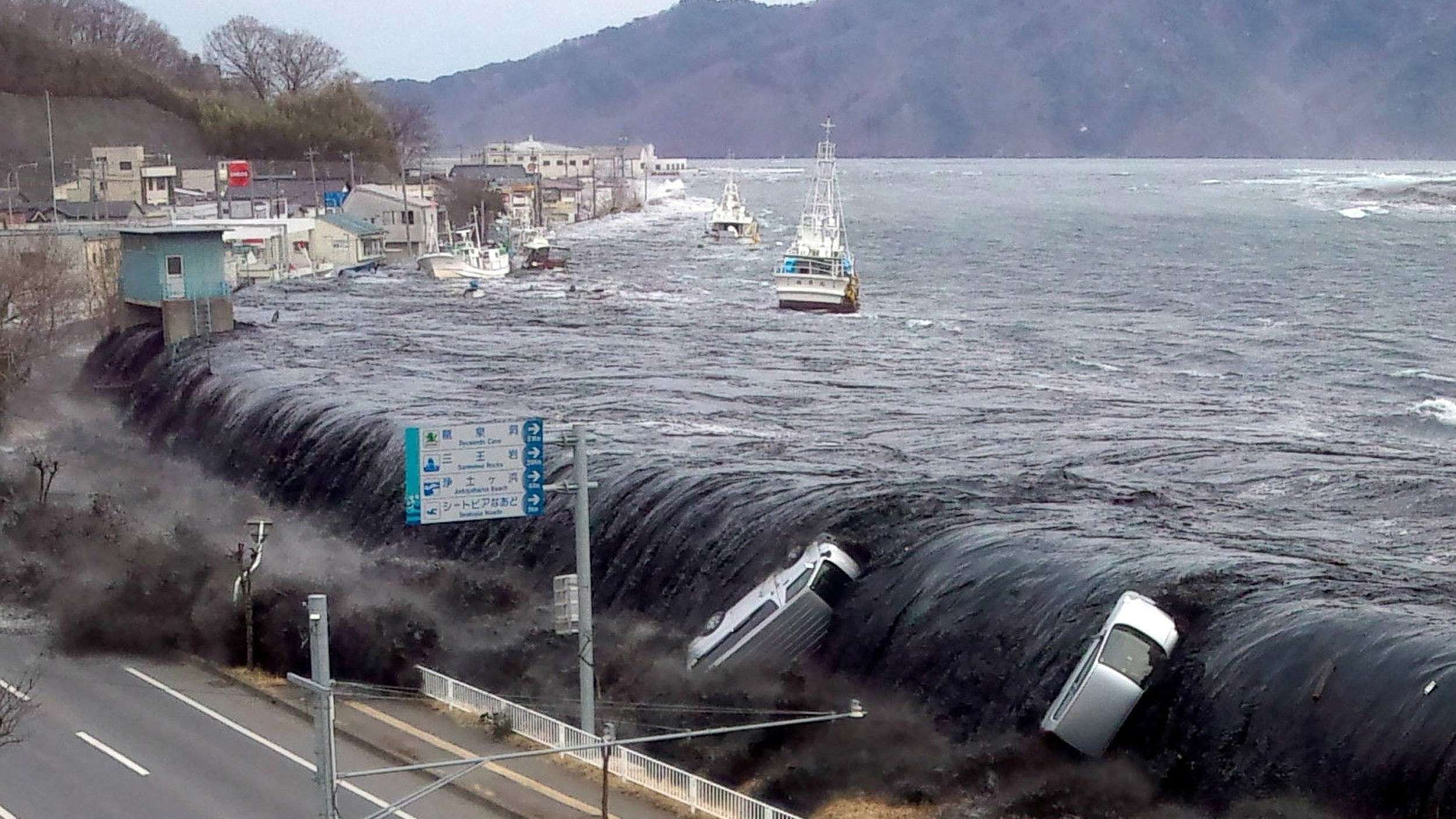
On March 11, 2011, a massive earthquake of magnitude 9.0 struck off the coast of Japan, triggering a colossal tsunami that caused widespread destruction along Japan’s northeastern coast. The earthquake itself was powerful, but it was the ensuing tsunami that inflicted the most severe damage, leading to thousands of deaths and triggering the Fukushima Daiichi nuclear disaster.
The Tohoku earthquake and tsunami highlighted the vulnerability of even highly developed nations to extreme natural events. The swift and sophisticated response from the Japanese government and the global community, leveraging advanced technology for rescue, recovery, and communication, was a testament to modern preparedness and response strategies.
Technology’s Role in Understanding and Responding
The ability to record and analyze earthquakes of such magnitude is a direct result of relentless advancements in technology. From the early days of rudimentary seismographs to today’s sophisticated global networks, technology has been instrumental in our understanding of these powerful forces.
Seismic Networks and Data Analysis
Modern seismic networks are comprised of thousands of highly sensitive seismometers strategically placed across the globe. These instruments continuously monitor ground motion, detecting even the faintest tremors. The data collected is then transmitted in real-time to processing centers where sophisticated algorithms analyze it to determine earthquake location, depth, and, crucially, magnitude.
AI tools are increasingly being employed to analyze vast datasets of seismic information, helping to identify patterns, predict aftershocks, and improve the accuracy and speed of earthquake detection and characterization. This technological leap allows us to move beyond simply reacting to earthquakes and towards a more proactive approach to risk assessment and mitigation.
Early Warning Systems
The development of earthquake early warning systems (EEWS) is a critical technological advancement. These systems detect the initial, faster-traveling seismic waves (P-waves) that precede the slower, more destructive S-waves. This provides a few seconds to minutes of warning before the strongest shaking arrives, allowing for crucial automated actions like shutting down gas lines, halting high-speed trains, and alerting people to take cover. Apps and digital security measures can also play a role in disseminating these alerts rapidly and effectively.
Brand Resilience and Financial Repercussions of Major Earthquakes
The impact of major earthquakes extends far beyond the immediate physical destruction. For businesses and individuals, the financial and reputational consequences can be profound.
Brand Strategy in the Face of Disaster
For businesses operating in earthquake-prone regions, disaster preparedness and crisis management are not just prudent practices; they are essential components of their brand strategy. A company’s ability to weather a major seismic event, protect its employees, maintain critical operations where possible, and communicate effectively with stakeholders can significantly impact its reputation and long-term viability.
Case studies of companies that have successfully navigated post-earthquake recovery often highlight robust business continuity plans, strong community engagement, and transparent communication. Conversely, brands that falter in their response can suffer irreparable damage to their corporate identity and customer trust. Personal branding also plays a role, as individuals in leadership positions must project confidence and provide clear guidance during times of crisis.
Financial Stability and Economic Recovery
The financial implications of a major earthquake are immense. For individuals, the loss of homes, businesses, and livelihoods can lead to significant personal financial hardship. Insurance plays a crucial role in mitigating these losses, but the scale of damage from a magnitude 9+ earthquake can often exceed insurance coverage, necessitating government aid and international financial assistance.
On a broader scale, the economic impact on a region or even a nation can be devastating. Infrastructure damage, disruption to supply chains, and the cost of rebuilding can cripple economies for years. Understanding the financial tools and strategies available for personal finance, investing, and business finance becomes paramount in preparing for and recovering from such events. Online income streams and side hustles can offer crucial supplemental support during periods of economic uncertainty.
Conclusion: A Constant Reminder of Earth’s Power
The question of “what was the biggest earthquake recorded” leads us on a journey through geological history, technological innovation, and the human capacity for resilience. The 1960 Valdivia earthquake stands as a monumental testament to the Earth’s immense power, a force that continues to shape our planet and our lives. While we can’t prevent these colossal events, our understanding of them, fueled by continuous technological advancement, allows us to better prepare, respond, and rebuild. By studying these seismic giants, we gain a deeper appreciation for our planet’s dynamic nature and the vital importance of preparedness, innovation, and global cooperation in the face of its most formidable challenges.
aViewFromTheCave is a participant in the Amazon Services LLC Associates Program, an affiliate advertising program designed to provide a means for sites to earn advertising fees by advertising and linking to Amazon.com. Amazon, the Amazon logo, AmazonSupply, and the AmazonSupply logo are trademarks of Amazon.com, Inc. or its affiliates. As an Amazon Associate we earn affiliate commissions from qualifying purchases.