
The year 2023 brought about a familiar question for millions of Americans navigating the complexities of their personal finances: “What was the standard deduction for 2023?” This seemingly simple query is a cornerstone of tax planning, impacting how much taxable income individuals and households can reduce, ultimately influencing their tax liability. Understanding the standard deduction is not just about knowing a number; it’s about unlocking a crucial tool in your financial arsenal, whether you’re a seasoned investor, a budding entrepreneur exploring side hustles, or simply aiming for greater productivity and digital security in your everyday life.
This article will delve into the specifics of the 2023 standard deduction, exploring its significance, how it compares to previous years, and its practical implications across various financial strategies. We’ll also touch upon how technological advancements and smart brand management can indirectly influence your financial well-being, making this an essential read for anyone looking to optimize their financial future.
Understanding the Standard Deduction: A Taxpayer’s Cornerstone
At its heart, the standard deduction is a fixed dollar amount that reduces your taxable income. It’s designed to simplify the tax filing process for the majority of taxpayers by providing a straightforward way to lower their adjusted gross income (AGI) without needing to meticulously track and itemize every deductible expense. The Internal Revenue Service (IRS) sets these amounts annually, adjusting them for inflation.
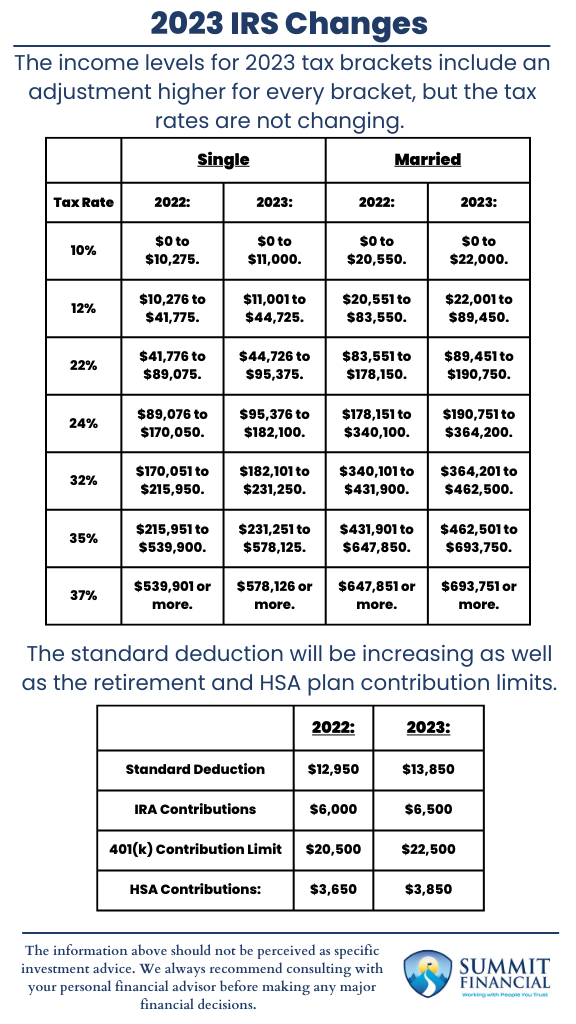
For the tax year 2023, which is what individuals filed in 2024, the standard deduction amounts were as follows:
- Single filers: $13,850
- Married filing separately: $13,850
- Married filing jointly: $27,700
- Head of household: $20,800
These figures represent a notable increase from the previous year (2022), reflecting the ongoing impact of inflation on the cost of living. This increase is a welcome adjustment for many, as it allows taxpayers to shield more of their income from taxation, potentially leading to a lower tax bill or a larger refund.
Why Does the Standard Deduction Matter So Much?
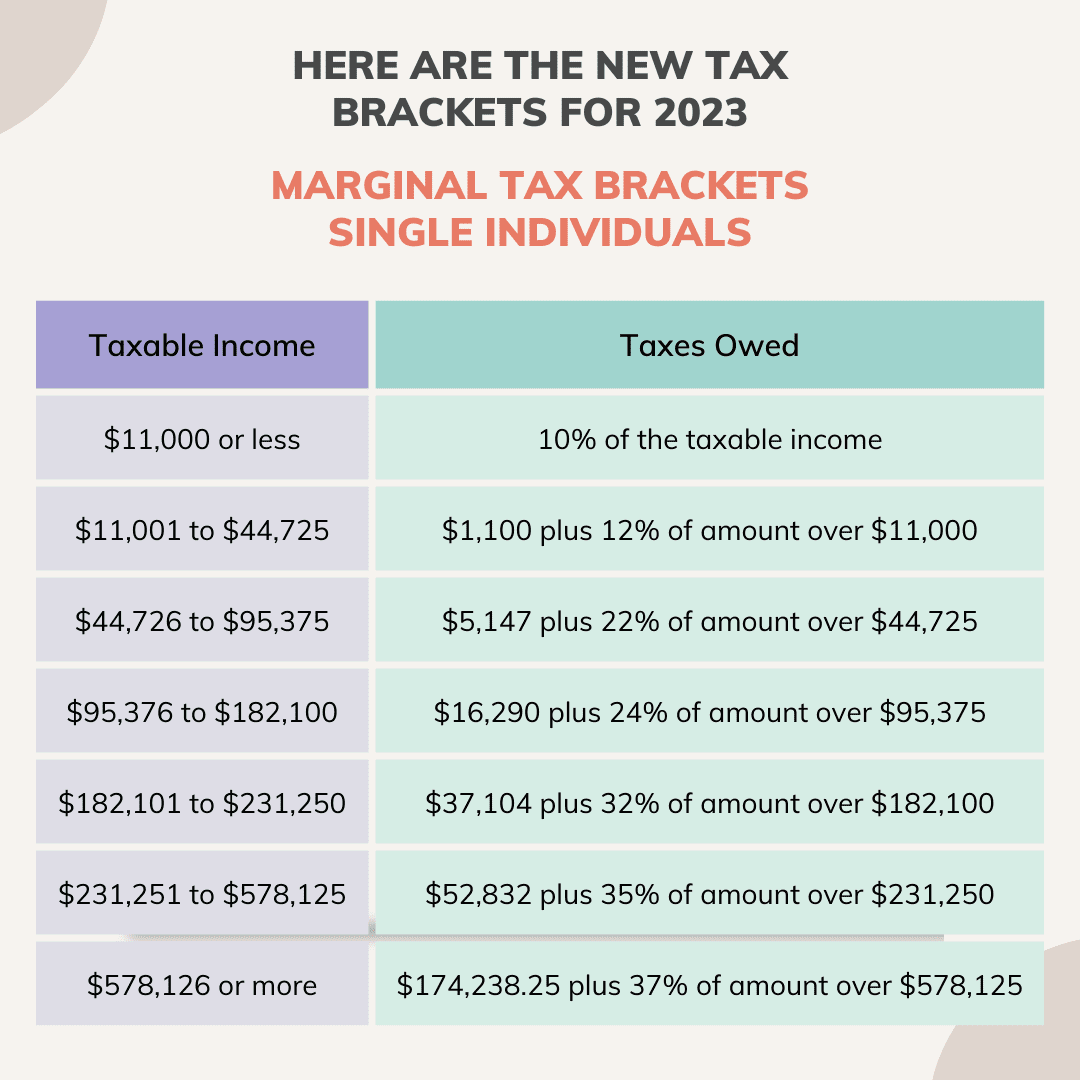
The impact of the standard deduction is profound. By reducing your taxable income, it directly affects the amount of tax you owe. For instance, if you are a single filer with a taxable income of $60,000 and you take the standard deduction of $13,850, your taxable income is reduced to $46,150. This reduction can significantly lower your overall tax burden, especially in higher tax brackets.
The decision of whether to take the standard deduction or to itemize deductions is a critical one. Itemizing involves listing out specific deductible expenses, such as state and local taxes (SALT), mortgage interest, charitable contributions, and medical expenses exceeding a certain AGI threshold. If the sum of your itemized deductions is greater than the standard deduction, it’s financially advantageous to itemize. Conversely, if your itemized deductions fall short of the standard deduction amount, opting for the standard deduction is the more beneficial choice.
The increasing standard deduction amounts in recent years have made it more likely for a larger segment of the population to benefit from it. This is particularly true for individuals and households that do not have significant itemizable expenses like large mortgage interest payments or substantial charitable donations.
Beyond the Numbers: Strategic Financial Planning and the Standard Deduction
While the standard deduction is a fixed figure, its application is intertwined with broader financial strategies. Understanding how it fits into your overall financial picture can lead to more effective planning and greater wealth accumulation.
Personal Finance and Investing: Maximizing Your Tax Efficiency
For individuals focused on personal finance and growing their investments, the standard deduction plays a vital role in tax-efficient wealth building.
Saving on Taxes for Investment Income
When you earn income from investments, such as dividends or capital gains, that income is also subject to taxation. By reducing your overall taxable income through the standard deduction, you can effectively lower the tax burden on your investment earnings. This means more of your investment returns can be reinvested, accelerating your growth.
Retirement Planning Strategies
The standard deduction is also a factor in retirement planning. When you contribute to tax-advantaged retirement accounts like a 401(k) or an IRA, these contributions can often be deducted from your taxable income, further reducing your tax liability in the current year. While these deductions are separate from the standard deduction, they work in conjunction to lower your AGI. A lower AGI, influenced by both the standard deduction and retirement contributions, can free up more funds for savings and investments.
Side Hustles and Online Income: Navigating the Tax Landscape
For those venturing into side hustles or generating online income, understanding tax deductions is paramount. The standard deduction is a foundational element here. When you earn income from self-employment, you can typically deduct ordinary and necessary business expenses. However, if your business expenses are modest, the standard deduction remains a critical tool to reduce your overall taxable income from all sources, including your side hustle.
It’s important for those with side hustles to meticulously track their business income and expenses. This will help determine if itemizing business-related deductions is more beneficial than simply taking the standard deduction. For many, a combination of the standard deduction and careful record-keeping for business expenses offers the most advantageous tax outcome. Furthermore, understanding tax implications early on can help in pricing services, setting realistic income goals, and reinvesting profits effectively.
Brand and Reputation: Indirect Financial Benefits
While the standard deduction is a direct financial mechanism, the concepts of brand strategy and personal branding can indirectly influence your financial well-being, creating a ripple effect that complements tax efficiency.
The Value of a Strong Personal Brand in the Digital Age
In today’s interconnected world, a strong personal brand can open doors to new income streams, career advancements, and lucrative opportunities. Whether you’re a freelancer, an entrepreneur, or an employee seeking to climb the corporate ladder, a well-defined personal brand can set you apart. This can translate into higher earning potential, allowing you to benefit more significantly from tax deductions like the standard deduction, as you have more income to shield.
For example, a consultant with a strong reputation for expertise in a niche technology area might command higher fees for their services. This increased income then becomes subject to the same tax rules, where the standard deduction plays a crucial role in optimizing their net earnings.
Corporate Identity and Financial Health
For businesses, a robust corporate identity and effective marketing strategies are essential for financial success. A strong brand can lead to increased customer loyalty, premium pricing, and a competitive advantage. This financial health translates into greater resources for investment, expansion, and employee benefits, all of which have financial implications. When it comes to business finance, understanding how to leverage deductions, including those related to business operations, is key. While the standard deduction primarily applies to individuals, businesses have their own set of deductions and credits that contribute to their profitability.
Digital Security: Protecting Your Financial Assets
In an era dominated by digital transactions and online financial management, digital security is not just a matter of privacy but also of safeguarding your financial assets. Protecting yourself from identity theft and financial fraud ensures that your hard-earned money remains yours. Strong passwords, multi-factor authentication, and vigilance against phishing scams are crucial. A breach in digital security can lead to significant financial losses, negating any benefits derived from tax deductions or smart financial planning. Therefore, prioritizing digital security is a fundamental aspect of maintaining financial stability and making the most of your financial endeavors.
Making the Most of the 2023 Standard Deduction and Beyond
The standard deduction for 2023, with its increased figures, offered a valuable opportunity for many to reduce their tax burden. However, maximizing its benefit involves more than just knowing the amount. It requires a holistic approach to personal finance, informed by strategic planning and an awareness of the broader financial landscape.
Leveraging Technology for Financial Management
The technological advancements available today offer powerful tools to manage your finances more effectively.
Financial Apps and Software
Numerous personal finance apps and software solutions can help you track your income, expenses, investments, and even estimate your tax liability. These tools can assist you in determining whether itemizing is more beneficial than taking the standard deduction by consolidating your financial data. Many offer features that help you categorize deductible expenses, ensuring you don’t miss any potential savings.
AI Tools for Financial Insights
Artificial intelligence is increasingly being integrated into financial platforms, providing personalized insights and recommendations. AI-powered tools can analyze your spending habits, suggest budget adjustments, and even offer investment strategies tailored to your financial goals and risk tolerance. By leveraging these technologies, you can gain a clearer understanding of your financial picture and make more informed decisions, which indirectly impacts how you utilize deductions like the standard deduction.
Planning for the Future: Adapting to Changing Tax Laws
Tax laws are not static. The standard deduction amounts are adjusted annually for inflation, and other tax regulations can change. Staying informed about these changes is crucial for effective long-term financial planning.
Staying Updated with IRS Announcements
The IRS provides official guidance on tax laws and deduction amounts. Regularly checking their publications and announcements can help you stay ahead of the curve. This proactive approach ensures that you are always leveraging the most current tax benefits available.
Consulting Financial Professionals
For complex financial situations or for those who want to ensure they are optimizing their tax strategy, consulting with a qualified tax advisor or financial planner can be invaluable. They can provide personalized advice based on your specific circumstances and help you navigate the intricacies of tax laws and financial planning.
Conclusion
The standard deduction for 2023, set at $13,850 for single filers, $13,850 for married filing separately, $27,700 for married filing jointly, and $20,800 for head of household, served as a significant tool for taxpayers looking to reduce their taxable income. However, its true value is amplified when considered within the broader context of personal finance, investing, and even the strategic use of technology and branding. By understanding the intricacies of the standard deduction, diligently tracking your financial activities, and leveraging the available tools and resources, you can effectively optimize your financial well-being, ensuring that your tax planning strategies contribute to your long-term financial success. As you move forward, remember that informed decision-making, coupled with a proactive approach to financial management, is the key to navigating the ever-evolving financial landscape with confidence.
aViewFromTheCave is a participant in the Amazon Services LLC Associates Program, an affiliate advertising program designed to provide a means for sites to earn advertising fees by advertising and linking to Amazon.com. Amazon, the Amazon logo, AmazonSupply, and the AmazonSupply logo are trademarks of Amazon.com, Inc. or its affiliates. As an Amazon Associate we earn affiliate commissions from qualifying purchases.