
The 1960s were a pivotal decade, not just for social and political upheaval, but for a profound transformation in fashion that fundamentally reshaped how brands were created, perceived, and consumed. Far from being merely a shift in hemlines and silhouettes, the fashion of the 1960s represented an explosive branding revolution. It was a period where youth culture emerged as a dominant force, where designers became global brand icons, and where clothing became a powerful statement of personal and collective identity – effectively branding individuals and entire movements. This era saw the dismantling of traditional fashion hierarchies, replaced by an energetic, democratic, and often rebellious spirit that redefined what it meant to “brand” oneself through style.
The Rise of Youth as a Brand Identity
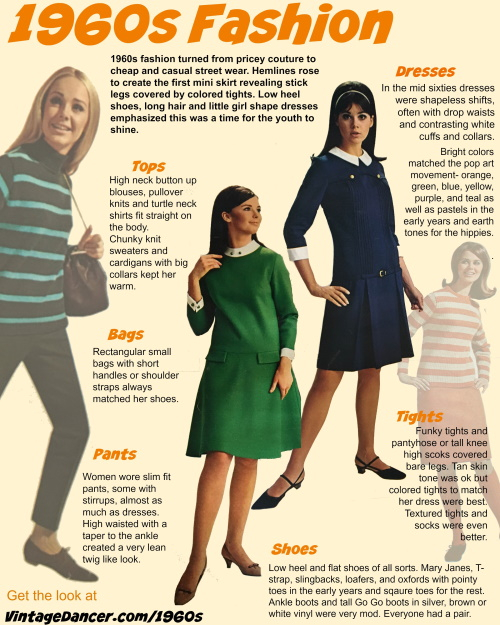
Before the 1960s, fashion largely flowed from haute couture down to the masses, dictated by Parisian houses and worn by an elite few. The ’60s flipped this dynamic on its head. For the first time, young people, emboldened by post-war economic prosperity and a burgeoning sense of independence, became a distinct and powerful demographic. This demographic wasn’t just consuming fashion; they were actively shaping it, creating an entirely new market segment and establishing “youth” itself as a formidable brand identity. This nascent youth culture demanded clothing that reflected their energy, their optimism, and their desire to break free from the conservatism of their parents’ generation. The styles they adopted and championed became instantly recognizable, synonymous with rebellion, modernity, and a vibrant new way of life. This wasn’t merely about selling clothes; it was about selling an aspirational lifestyle, a brand of liberation that resonated deeply with a generation eager to differentiate itself.
The Mod Movement: Branding Rebellion and Uniformity
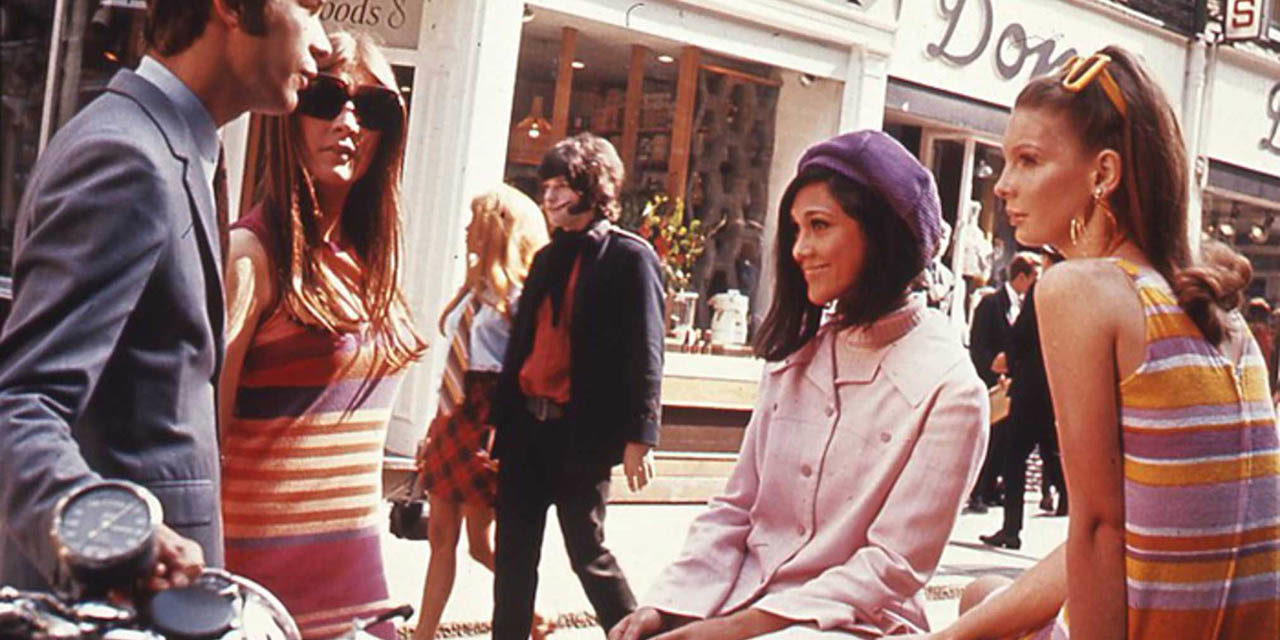
Nowhere was this youth-centric branding more evident than in the Mod movement, which originated in London. “Mod” was more than a fashion trend; it was a subculture with a distinct visual and ideological brand. Mods were sharp, stylish, and meticulously groomed, often seen in tailored suits (for men), shift dresses, miniskirts, and geometric patterns. Their aesthetic was clean, modern, and often futuristic, directly contrasting with the more traditional, elaborate styles of the past. The Mod brand was about sophistication, consumerism, and an almost uniform adherence to certain sartorial codes that, paradoxically, symbolized rebellion against the establishment. Owning a scooter (Vespa or Lambretta) was part of the lifestyle brand, as was an appreciation for rhythm and blues, soul music, and later, British beat music. This subculture effectively branded itself through a consistent visual language, a shared passion for music, and a collective attitude that celebrated modernity and individuality within a defined group identity.
Mary Quant and the Democratization of Style: A Brand for the Masses
Mary Quant stands as one of the quintessential branding geniuses of the 1960s. While not the sole inventor of the miniskirt, she was arguably its most influential champion, transforming it from a daring concept into a global fashion phenomenon. Quant’s brand ethos was simple yet revolutionary: make fashion accessible, fun, and democratic. Her boutique, Bazaar, on King’s Road in London, wasn’t just a shop; it was a brand experience, a hub of creativity that attracted young women eager for clothes that reflected their new freedoms. Quant understood that young women wanted to dress for themselves, not for men or for societal expectations. Her designs – bold colors, simple shapes, and playful accessories – became synonymous with youthful exuberance and liberation. She didn’t just sell garments; she sold an attitude, a brand of playful defiance that resonated with millions. Her influence extended beyond clothing, encompassing cosmetics and even household items, demonstrating a holistic approach to branding that captured the spirit of the age.
Iconic Personalities as Branding Vehicles
The 1960s also saw the rise of individuals who, through their unique style and public presence, became living brands themselves. These personalities transcended their roles as models, actresses, or public figures; their aesthetic choices and public personas became aspirational brands that influenced millions. They demonstrated the power of personal branding long before the term became commonplace, proving that an individual’s image could be as influential, if not more so, than any designer label. Their carefully curated (or sometimes seemingly effortless) looks communicated specific values, aspirations, and lifestyles, acting as powerful catalysts for fashion trends.
Twiggy: The Face of a Generation’s Brand
Lesley Hornby, universally known as Twiggy, became perhaps the most iconic personal brand of the 1960s. Her waif-like figure, huge eyes, and short, boyish haircut created an entirely new aesthetic that captivated the world. Twiggy wasn’t just a model; she was a symbol, a brand representing the youthful, unconventional, and androgynous beauty ideals of the era. Her image was everywhere – on magazine covers, billboards, and fashion spreads – disseminating a singular brand identity that perfectly encapsulated the Mod aesthetic. She effectively branded an entire generation’s ideal of beauty, making her look not just fashionable but aspirational. Twiggy’s brand was about breaking traditional norms of femininity, offering a fresh, modern, and somewhat rebellious take on glamour that resonated with young women seeking to define themselves beyond conventional standards.
Jackie Kennedy: Elegant Conservatism as a Brand Anchor
In stark contrast to Twiggy’s youthful rebellion, Jacqueline Kennedy cultivated a brand of timeless elegance and sophisticated conservatism that profoundly influenced American fashion. As First Lady, her meticulously chosen ensembles – tailored suits, pillbox hats, and simple, clean lines – became a powerful symbol of grace and refinement. Jackie’s brand was about understated luxury, impeccable taste, and a polished demeanor. While not as overtly revolutionary as the Mod movement, her style set a high standard for mature, sophisticated branding, demonstrating that classicism could be as influential as avant-garde trends. Her public image was a masterclass in personal branding, conveying strength, poise, and national pride through her sartorial choices, making her an enduring style icon whose influence stretched across the decade and beyond.
Designer Labels and the Cultivation of Brand Prestige
The 1960s were also a crucible for designer brands, as haute couture began its slow transition towards ready-to-wear, and individual designers started to cultivate highly recognizable and distinct brand aesthetics. This decade witnessed designers move beyond simply creating garments to actively building a brand narrative around their collections, their philosophy, and their target audience. The concept of a designer’s “signature style” became paramount, allowing consumers to identify with a specific brand’s vision and quality. These designers were not just selling clothes; they were selling dreams, status, and a piece of a carefully constructed brand identity.
Courrèges and Space Age Chic: A Futuristic Brand Vision
André Courrèges was a visionary who defined the “Space Age” brand of fashion in the 1960s. His designs were sharply architectural, featuring stark white, silver, and primary colors, geometric cuts, and innovative materials like PVC and vinyl. Courrèges envisioned fashion for a new, technological era, reflecting the excitement surrounding space exploration and futuristic ideals. His brand was synonymous with modernism, precision, and an almost clinical elegance. Wearing Courrèges was a statement of embracing the future, a brand declaration that one was forward-thinking and sophisticated. His collections were less about transient trends and more about establishing a consistent, future-oriented brand identity that promised innovation and a sleek, unencumbered style for the modern woman.
Yves Saint Laurent: Crafting the Modern Woman’s Brand Wardrobe
Yves Saint Laurent, after leaving Dior, launched his eponymous house in 1961 and swiftly established a brand that redefined women’s ready-to-wear. Saint Laurent’s genius lay in adapting masculine sartorial elements – like the tuxedo (Le Smoking), the safari jacket, and the trench coat – for women, granting them a powerful, sophisticated, and distinctly modern brand identity. He understood that women sought empowerment through their clothing, and his designs provided them with a uniform that was both elegant and functional. Saint Laurent’s brand was about liberating women from restrictive traditional attire, offering them a wardrobe that was chic, versatile, and imbued with an undeniable sense of authority. He didn’t just design clothes; he crafted a brand for the modern, independent woman who desired both power and undeniable style.
Counter-Culture and Anti-Establishment Branding
While high fashion and youth movements defined specific brand identities, the 1960s were also characterized by burgeoning counter-cultural movements that actively rejected mainstream consumerism. Paradoxically, these movements developed their own powerful and instantly recognizable visual brands, communicating their values of peace, love, and anti-establishment sentiment through their attire. This demonstrated that branding wasn’t solely the domain of corporations or designers; it could also be a grassroots phenomenon, a collective expression of an alternative worldview.
Hippie Style: The Brand of Freedom and Non-Conformity
The Hippie movement, emerging primarily from the West Coast of the United States, developed a highly influential anti-fashion brand that challenged the polished aesthetics of both traditionalists and Mods. Hippie style was characterized by loose-fitting, natural fabrics, tie-dye, bell-bottoms, embroidery, beads, fringe, and floral prints. It was a brand rooted in naturalism, spirituality, and a rejection of materialism. Hair was long and natural, accessories often handmade, and garments frequently embellished or personalized. This wasn’t about designer labels; it was about self-expression, peace, and a connection to nature. The Hippie brand communicated a distinct ethos of freedom, non-conformity, and a communal spirit, becoming a powerful visual shorthand for the broader peace movement and an alternative way of living.
Psychedelia and Artistic Expression: Branding the Altered State
Closely related to the Hippie movement, psychedelia influenced fashion with its vibrant colors, swirling patterns, and hallucinatory motifs, becoming a brand for those exploring altered states of consciousness. Inspired by psychedelic art and music, clothing became a canvas for vivid, often optical illusions and swirling designs. These prints and patterns, seen on everything from dresses to posters, became an immediate brand indicator for those immersed in or curious about the psychedelic experience. It was a highly visual and immersive brand identity that celebrated artistic experimentation, challenging conventional perceptions of beauty and order. The psychedelic brand was loud, audacious, and deliberately disorienting, designed to reflect and enhance a worldview that embraced fluidity, expanded consciousness, and a break from rigid reality.
In conclusion, the fashion of the 1960s was far more than a fleeting trend cycle. It was a dynamic, multi-faceted branding revolution that democratized style, empowered personal expression, and established new paradigms for how identities—whether individual, cultural, or commercial—could be communicated through clothing. From the sharp branding of Mod culture and Mary Quant’s accessible fashion empire to the iconic personal brands of Twiggy and Jackie Kennedy, and from the prestige brands of Courrèges and Saint Laurent to the counter-cultural statements of Hippie and psychedelic styles, the decade demonstrated the profound power of fashion as a tool for branding. It taught the world that clothing wasn’t just about covering the body; it was about broadcasting a message, selling a lifestyle, and defining an era. The 1960s laid the groundwork for modern brand strategy, proving that in the right hands, fashion could be the ultimate medium for cultural transformation.
aViewFromTheCave is a participant in the Amazon Services LLC Associates Program, an affiliate advertising program designed to provide a means for sites to earn advertising fees by advertising and linking to Amazon.com. Amazon, the Amazon logo, AmazonSupply, and the AmazonSupply logo are trademarks of Amazon.com, Inc. or its affiliates. As an Amazon Associate we earn affiliate commissions from qualifying purchases.