
England, a nation steeped in history and a global financial powerhouse, utilizes a currency that is as iconic as its red telephone booths and double-decker buses: the Pound Sterling. Often simply referred to as “the Pound,” it is one of the world’s oldest currencies still in use and holds a significant place in the international financial landscape. For anyone planning to visit, reside, or conduct business in England, understanding its monetary system, from its physical forms to its digital manifestations and economic implications, is not just practical – it’s essential for navigating the country’s vibrant economy.
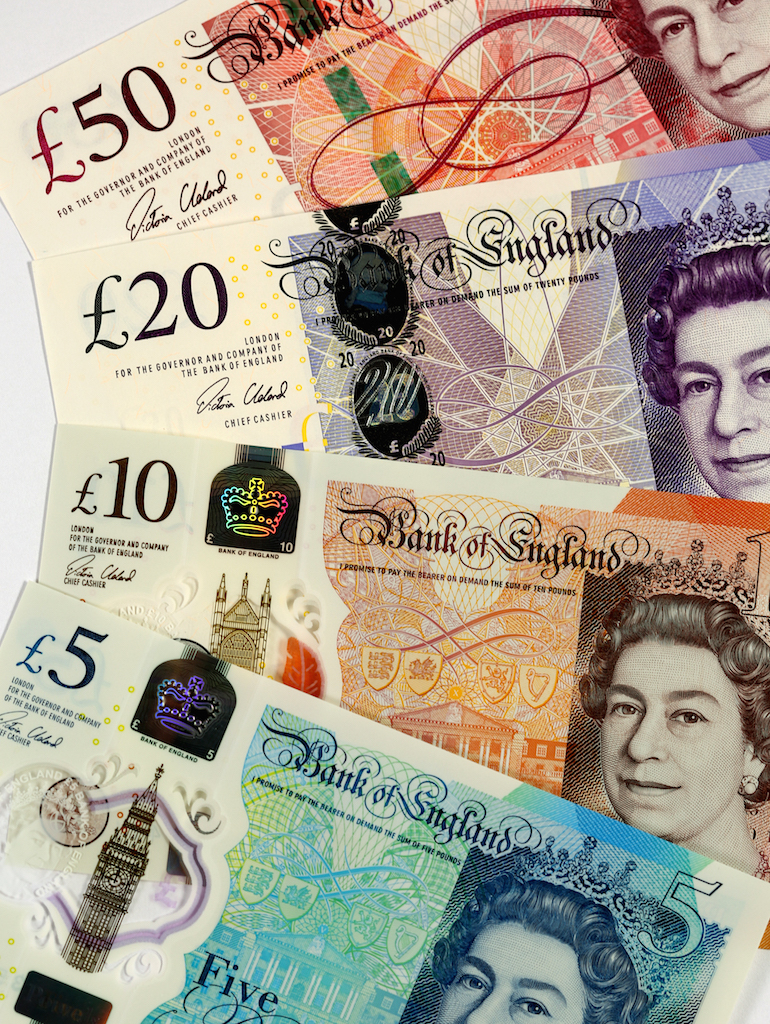
The Pound Sterling (£, GBP) serves as the official currency across the entire United Kingdom, which includes England, Scotland, Wales, and Northern Ireland. While the Bank of England is the central bank responsible for issuing banknotes in England and Wales, Scotland and Northern Ireland have their own authorized commercial banks that also issue Sterling banknotes, though these are typically accepted across the whole UK. This article will delve into the intricacies of the Pound Sterling, exploring its physical attributes, historical journey, modern transactional methods, and its profound economic significance.
The Dominance of Pound Sterling: A Deep Dive into UK Currency
The Pound Sterling is more than just a medium of exchange; it’s a symbol of economic stability and continuity. Its distinct denominations and ever-evolving security features reflect a commitment to both tradition and modern financial integrity.
Anatomy of the Pound: Banknotes and Coins
Understanding the physical manifestations of the Pound is the first step in familiarizing oneself with England’s currency. The currency system is decimalized, meaning one pound is divided into 100 pence.
Banknotes: Denominations, Design, and Security
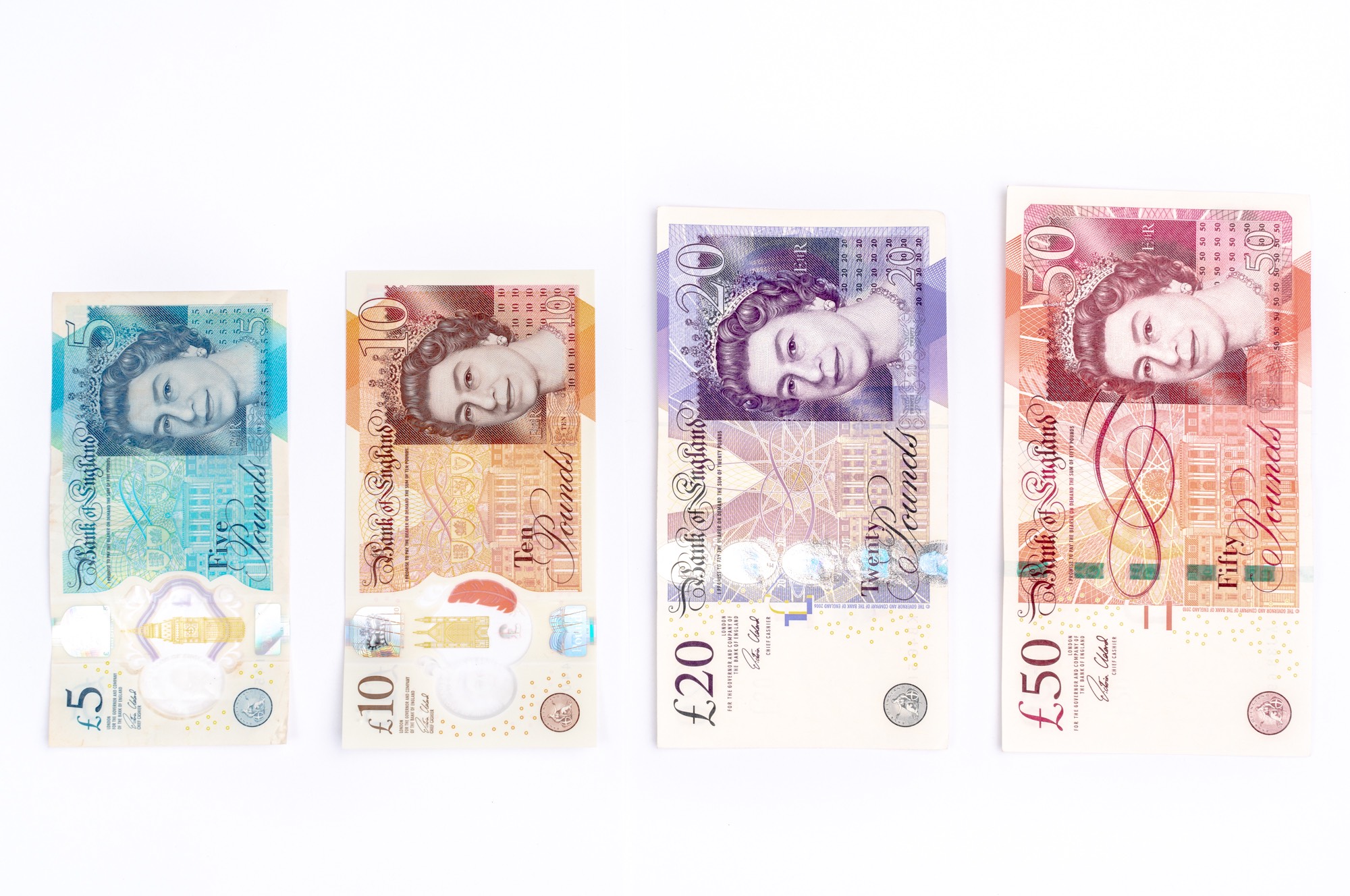
Currently, the Bank of England issues banknotes in denominations of £5, £10, £20, and £50. Historically, these were made from cotton paper, but a significant transition to polymer notes began in 2016. Polymer notes are more durable, water-resistant, and incorporate enhanced security features, making them harder to counterfeit.
Each banknote features a portrait of Queen Elizabeth II (soon to be King Charles III) on the obverse, and a prominent historical figure on the reverse:
- £5 note: Features Winston Churchill, former Prime Minister.
- £10 note: Features Jane Austen, renowned novelist.
- £20 note: Features J.M.W. Turner, celebrated Romantic painter.
- £50 note: Features Alan Turing, pioneer of computer science and artificial intelligence.
Beyond the main Bank of England notes, it’s worth noting that several commercial banks in Scotland (Bank of Scotland, Royal Bank of Scotland, Clydesdale Bank) and Northern Ireland (Bank of Ireland, Danske Bank, Ulster Bank, First Trust Bank) are authorized to issue their own Sterling banknotes. While these notes are legally Pound Sterling, they can occasionally be met with unfamiliarity outside their issuing regions, particularly in England. However, they are generally accepted, especially in larger establishments, and can always be exchanged at banks.
Security features on polymer notes are advanced, including transparent windows, holograms that change images, ultraviolet features, and raised print. Familiarizing oneself with these features can offer peace of mind when handling cash.
Coins: Denominations, Design, and Collectibility
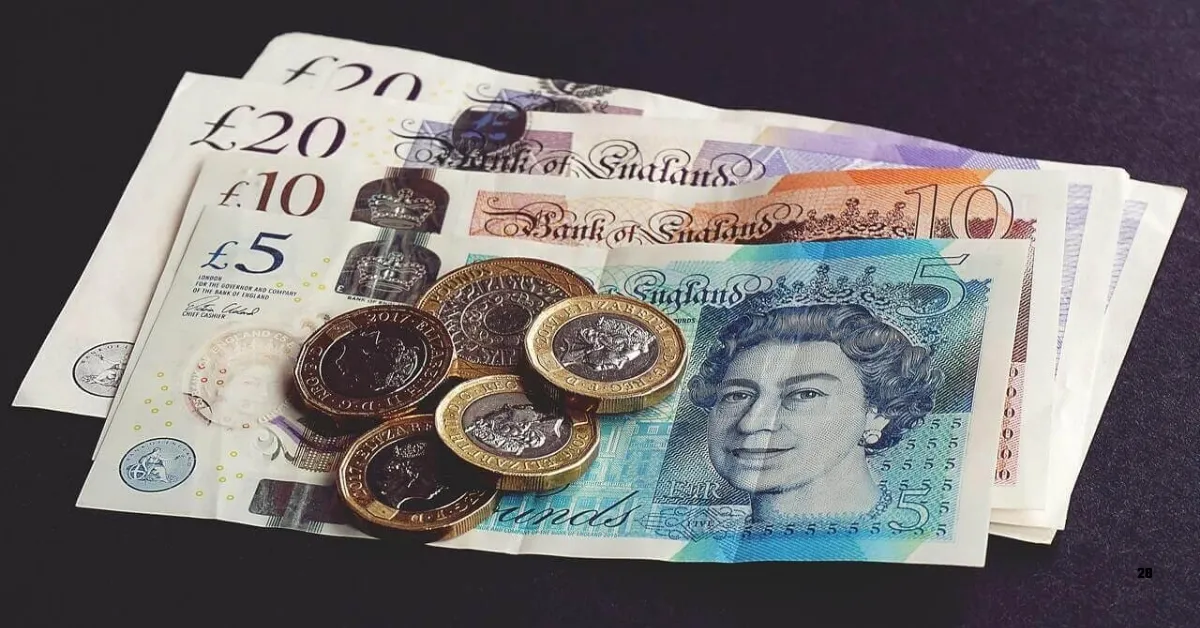
The UK coin system comprises denominations of 1p, 2p, 5p, 10p, 20p, 50p, £1, and £2. Like banknotes, coins bear the effigy of the reigning monarch on the obverse.
The reverse designs for the majority of coins (1p to 50p) form a shield when placed together, a design introduced in 2008. The £1 coin, a dodecagonal (12-sided) bimetallic coin, was introduced in 2017 to combat counterfeiting, featuring a sophisticated security element inside. The £2 coin is also bimetallic and often features commemorative designs on its reverse.
Beyond everyday circulation, special commemorative coins are frequently released, particularly £2 and 50p coins, which can become popular collector’s items. These are legal tender but often have a value to collectors far exceeding their face value.
Historical Roots and Evolution of Sterling
The Pound Sterling boasts a rich history stretching back over 1,200 years, making it one of the world’s most enduring currencies. Its origins can be traced to Anglo-Saxon times, where “sterling” referred to silver coins. Initially, a “pound” was literally a pound weight of silver. The system of pounds, shillings, and pence (Lsd) persisted for centuries, a complex structure where £1 equaled 20 shillings, and one shilling equaled 12 pence.
A pivotal moment in the Pound’s history was Decimal Day on 15 February 1971, when the UK officially switched to a decimal currency system. This monumental change simplified financial calculations, moving from 12 pence to a shilling and 20 shillings to a pound, to the straightforward system of 100 pence to a pound. This modernization brought the UK in line with many other countries and significantly streamlined financial transactions.
Throughout its history, the Pound Sterling has weathered economic storms, global conflicts, and political shifts, maintaining its status as a key global currency. It played a central role during the British Empire and continues to be a significant player in international finance, often considered a safe-haven currency in times of uncertainty. Its journey reflects the economic and political evolution of the United Kingdom itself.
Navigating Transactions: Cash, Card, and Beyond
While physical money remains a part of everyday life, the methods of payment in England have diversified significantly, embracing a digital revolution that offers unparalleled convenience and security.
The Enduring Role of Physical Cash
Despite the rise of digital payment methods, physical cash (banknotes and coins) still holds a vital, albeit diminishing, role in England. Cash remains essential for certain transactions, especially with smaller independent retailers, market stalls, or for tipping. Many individuals also prefer cash for personal budgeting, managing impulse spending, or for privacy reasons.
Automatic Teller Machines (ATMs), commonly known as cash machines, are widely available across England, typically found outside banks, in supermarkets, and in high streets. Most ATMs are free to use, particularly those operated by major banks, though some independent machines in convenience stores might charge a small fee, which is always clearly displayed. It’s prudent for visitors to carry some cash, especially when exploring rural areas or smaller towns where card payment options might be less ubiquitous.
The Digital Revolution: Cards and Contactless Payments
The predominant method of payment in England is through cards. Debit cards, linked directly to bank accounts, are used for everyday spending, while credit cards offer a line of credit and are often preferred for larger purchases or online transactions due to consumer protection benefits. Virtually all shops, restaurants, hotels, and services accept major debit and credit cards (Visa, Mastercard, American Express).
The advent of contactless payment technology has further revolutionized transactions. Most debit and credit cards issued in the UK are now contactless, allowing users to simply tap their card (or mobile device) on a card reader for transactions up to a certain limit (currently £100 for most transactions). This method is incredibly fast and convenient, becoming the default for many everyday purchases like coffee, groceries, and public transport. Mobile payment systems, such as Apple Pay, Google Pay, and Samsung Pay, leverage this contactless technology, allowing users to link their cards to their smartphones or smartwatches for secure payments. These methods are widely accepted and increasingly preferred for their speed and security features like biometric authentication.
Emerging Payment Methods and Financial Tools
Beyond traditional cards, England’s financial landscape is continuously evolving with newer payment methods and digital tools. Online banking platforms and mobile banking apps provided by UK banks offer comprehensive financial management, enabling users to check balances, transfer funds, pay bills, and manage direct debits and standing orders with ease. The “Faster Payments” service ensures that most bank transfers between UK accounts are completed almost instantly, 24/7.
Peer-to-peer (P2P) payment apps are also gaining traction, allowing individuals to send and receive money to and from friends and family using just a phone number or email address. For international visitors or new residents, understanding cross-border payment solutions is crucial. Services like TransferWise (now Wise), Revolut, and other international money transfer platforms offer competitive exchange rates and lower fees for sending money to or from the UK compared to traditional bank transfers. These platforms are particularly valuable for managing finances while traveling or for expatriates.
Economic Significance and Global Standing
The Pound Sterling’s role extends far beyond domestic transactions. It is a critical component of the global financial system, influencing and being influenced by international economic trends.
The Pound as a Reserve Currency
The Pound Sterling holds the distinction of being one of the world’s leading reserve currencies, alongside the US Dollar, Euro, and Japanese Yen. This means that central banks and large financial institutions worldwide hold significant amounts of Sterling as part of their foreign exchange reserves. Its status as a reserve currency is a testament to the stability of the UK economy and its robust legal and financial infrastructure. This position also contributes to the UK’s influence in global trade and finance, making it a desirable currency for international transactions and investments.
Factors Influencing Sterling’s Value
The value of the Pound Sterling against other major currencies (its exchange rate) is dynamic and influenced by a multitude of economic, political, and global factors.
- Monetary Policy: The Bank of England’s decisions on interest rates are perhaps the most significant determinant. Higher interest rates typically attract foreign investment, increasing demand for Sterling and strengthening its value, and vice-versa.
- Economic Performance: Key economic indicators such as Gross Domestic Product (GDP) growth, inflation rates, employment figures, and consumer confidence significantly impact investor sentiment and, consequently, the Pound’s value. A strong economy generally leads to a stronger currency.
- Political Stability and Events: Major political events, both domestic (e.g., general elections, referendums like Brexit) and international (e.g., geopolitical conflicts, trade agreements), can introduce uncertainty or confidence into markets, causing the Pound to fluctuate. Brexit, for instance, introduced considerable volatility to Sterling’s exchange rates.
- Global Economic Trends: The Pound’s value is also affected by broader global economic conditions, including commodity prices, the performance of other major economies, and investor risk appetite.
Implications for Personal Finance and Businesses
Fluctuations in Sterling’s value have direct implications for individuals and businesses. For individuals, a weaker Pound makes imports more expensive, potentially leading to higher prices for consumer goods and services (inflation). Conversely, it makes UK exports cheaper, benefiting export-oriented businesses. For travelers, a strong Pound means their foreign currency buys less Sterling, making a trip to England more expensive, while a weaker Pound makes it more affordable.
Businesses engaged in international trade are particularly sensitive to exchange rate movements. Exporters benefit from a weaker Pound as their goods become more competitive abroad, while importers face higher costs. Companies with overseas operations or investments also need to consider currency risk. Understanding these dynamics is crucial for financial planning, whether for personal budgeting, international travel, or business strategy.
Practical Advice for Visitors and Residents
Navigating the financial landscape in England can be straightforward with a few practical tips, whether you’re a short-term visitor or planning a longer stay.
Exchanging Currency and Avoiding Fees
For visitors, exchanging currency efficiently is key to maximizing your budget. While it might seem convenient to exchange money at airport kiosks, these often offer less favourable rates. Banks or dedicated currency exchange offices in city centres typically provide better rates. However, for most modern travellers, using a debit or credit card for direct purchases or withdrawing cash from ATMs often offers the best exchange rates, as these are usually based on interbank rates.
To avoid excessive fees, check with your home bank about foreign transaction fees for card usage and ATM withdrawals. Many banks charge a percentage fee for each transaction abroad. Consider using travel cards or specific debit cards designed for international use, which often have lower or no foreign transaction fees. Always choose to be charged in GBP when paying by card or withdrawing cash from an ATM in England; letting the terminal convert to your home currency (Dynamic Currency Conversion) usually results in a poorer exchange rate.
Budgeting and Financial Management in the UK
The cost of living in England, particularly in major cities like London, can be significantly higher than in many other parts of the world. Budgeting is therefore crucial. Factor in accommodation, transport (public transport is efficient but can be pricey, especially in London), food, and leisure activities. Supermarkets offer good value for groceries, and many establishments offer student discounts for those eligible.
For those planning to reside in England, opening a UK bank account is a priority. This process typically requires proof of identity (passport) and proof of address (utility bill, tenancy agreement). Major banks like Barclays, Lloyds, HSBC, NatWest, and Santander offer a range of current accounts. Online challenger banks like Monzo and Starling Bank have also become popular for their user-friendly apps, quick account setup, and fee-free international transactions, offering a modern alternative to traditional high-street banks. Understanding the local tax system (income tax, National Insurance) is also important for long-term residents and workers, though professional advice may be needed for specific situations.
In conclusion, the money used in England is the venerable Pound Sterling, a currency rich in history yet at the forefront of modern financial innovation. From its polymer banknotes and distinctive coins to the widespread adoption of contactless and mobile payments, England offers a diverse and efficient monetary ecosystem. Understanding the Pound’s characteristics, its economic significance, and practical transactional tips will undoubtedly enhance your financial experience in this dynamic nation.
aViewFromTheCave is a participant in the Amazon Services LLC Associates Program, an affiliate advertising program designed to provide a means for sites to earn advertising fees by advertising and linking to Amazon.com. Amazon, the Amazon logo, AmazonSupply, and the AmazonSupply logo are trademarks of Amazon.com, Inc. or its affiliates. As an Amazon Associate we earn affiliate commissions from qualifying purchases.