
The term “Inc.” is ubiquitous in the corporate world, often casually referenced yet carrying significant legal and financial weight. Far from being a type of business in terms of industry or operation, “Inc.” is an abbreviation for “Incorporated,” denoting a specific legal business structure: a corporation. Understanding what it means to be an “Inc.” is fundamental for anyone looking to start a business, invest in companies, or simply comprehend the landscape of modern commerce. It speaks to the core financial, legal, and operational framework that dictates how a business functions, is taxed, and interacts with its owners and the broader market.
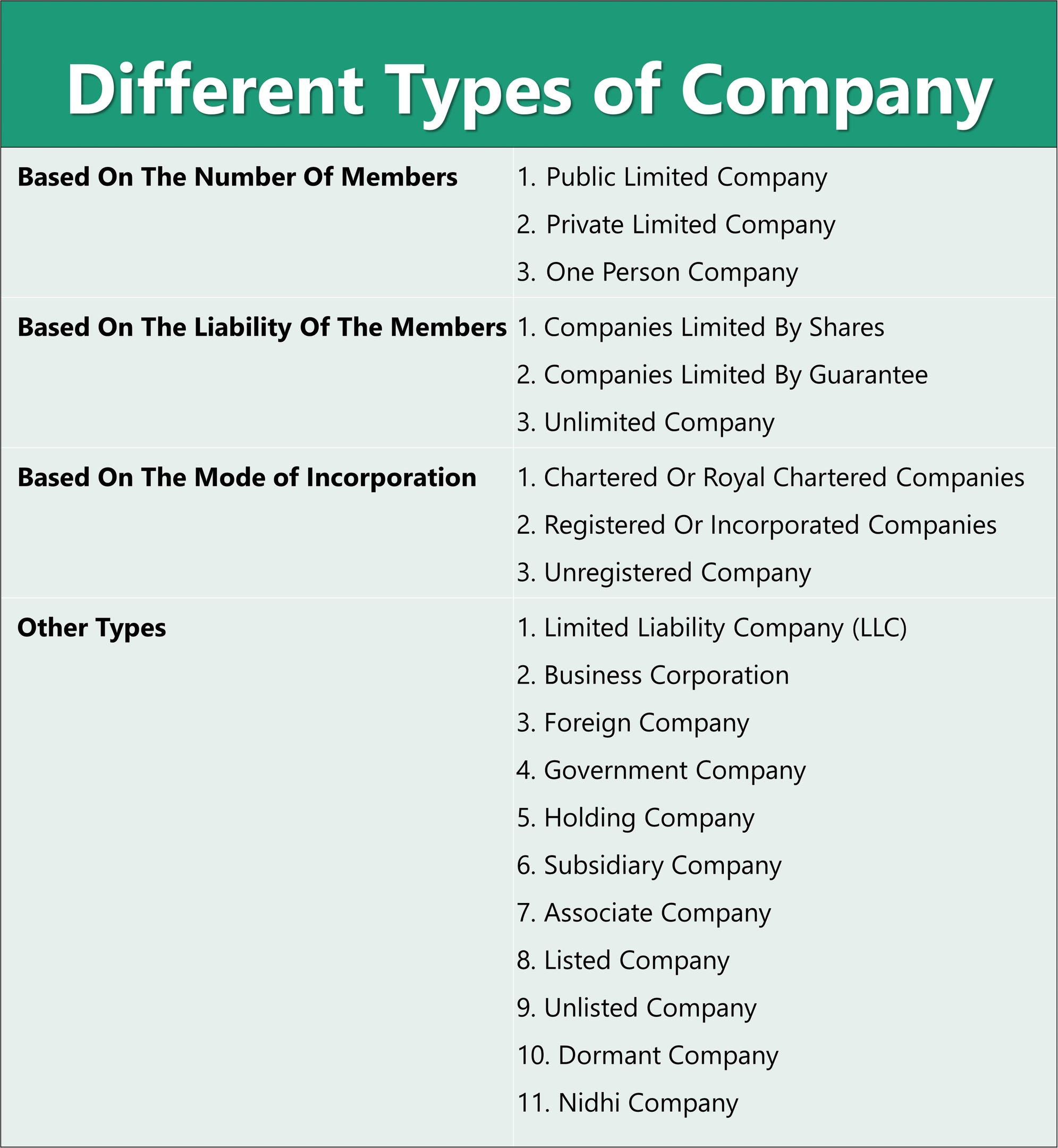
In the realm of business finance, the choice to incorporate is one of the most pivotal decisions an entrepreneur will make. It involves a deliberate trade-off between administrative complexity and significant benefits, primarily concerning liability protection, capital raising capabilities, and tax strategies. This article will dissect the nature of an “Inc.” business, exploring its characteristics, the distinct types of corporations, its advantages and disadvantages, and the critical financial considerations involved in establishing and operating one.
The Foundation of Incorporation: Legal Entity and Structure
At its heart, an “Inc.” signifies a business that has been legally recognized as a separate entity from its owners. This fundamental distinction is the cornerstone of corporate law and carries profound financial and operational implications. Unlike a sole proprietorship or partnership, where the business and its owners are legally one and the same, a corporation exists as an artificial legal person.
The Separate Legal Entity Principle
The concept of a separate legal entity is perhaps the most defining characteristic of an Inc. It means that the corporation can enter into contracts, incur debts, own assets, sue, and be sued, all in its own name, independent of its shareholders. This separation provides a crucial layer of insulation for the owners. The personal assets of shareholders are generally protected from the business’s liabilities and debts. For instance, if a corporation incurs a large debt it cannot repay, creditors typically cannot pursue the personal homes, savings, or investments of the company’s owners. This limited liability protection is a primary driver for many businesses to incorporate, as it significantly mitigates personal financial risk.
Understanding Corporate Governance and Ownership
An Inc. is owned by its shareholders, who hold shares of stock representing a portion of the company. These shares can be bought, sold, or transferred, offering a clear mechanism for ownership changes and capital raising. Shareholders elect a board of directors, which is responsible for overseeing the corporation’s major decisions, setting strategic direction, and appointing officers (e.g., CEO, CFO) to manage daily operations. This structured governance model provides a robust framework for accountability and decision-making, distinguishing corporations from less formal business structures. From a financial perspective, this separation allows for clear lines of responsibility regarding financial reporting, asset management, and profit distribution.
Public vs. Private Corporations
The term “Inc.” applies to both publicly traded and privately held corporations, though their characteristics differ significantly in terms of finance and ownership.
- Private Corporations: The shares of private corporations are not traded on public stock exchanges. Ownership is typically concentrated among a small group of individuals, often the founders, their families, or private investors. Their financial reporting requirements are less stringent than public companies, and their capital-raising efforts usually involve private equity, venture capital, or debt financing from banks.
- Public Corporations: Public corporations have sold shares to the general public through stock exchanges (e.g., NYSE, NASDAQ). This allows them to raise substantial capital from a wide array of investors. However, they are subject to stringent regulatory oversight from bodies like the Securities and Exchange Commission (SEC) and must adhere to rigorous financial disclosure requirements, including quarterly and annual reports that provide transparency into their financial health and operations.
The Financial Landscape of an Inc.: Types and Tax Implications
The decision to incorporate often hinges on understanding the different types of corporations available and their respective financial and tax implications. In the United States, the primary distinctions are between C Corporations (C-Corps) and S Corporations (S-Corps), each designed to serve different business needs and tax strategies.
C Corporations (C-Corp): The Standard Model
A C-Corp is the standard corporate structure. It is taxed as a separate entity, meaning the corporation pays taxes on its profits at the corporate tax rate. If the corporation then distributes profits to shareholders in the form of dividends, those shareholders must also pay personal income tax on the dividends received. This phenomenon is known as “double taxation”—profits are taxed at the corporate level and again at the individual shareholder level.
Despite double taxation, C-Corps offer several financial advantages:
- Unlimited Growth Potential: C-Corps can have an unlimited number of shareholders, including other corporations, partnerships, and foreign investors. This makes them ideal for businesses looking to raise significant capital through public offerings or by attracting large institutional investors.
- Benefits and Deductions: They can deduct the cost of employee benefits, such as health insurance and retirement plans, making them attractive for attracting and retaining talent.
- Accumulated Earnings: C-Corps can retain earnings within the business for growth and expansion, which can be beneficial for long-term strategic investments.
S Corporations (S-Corp): Pass-Through Taxation

An S-Corp is a special type of corporation that elects to pass corporate income, losses, deductions, and credits through to its shareholders’ personal income without being subject to corporate tax rates. This “pass-through” taxation means that profits are only taxed once, at the individual shareholder level, thereby avoiding the double taxation issue of C-Corps.
However, S-Corps come with specific restrictions:
- Shareholder Limits: They are limited to 100 shareholders, all of whom must generally be U.S. citizens or residents.
- One Class of Stock: S-Corps can only issue one class of stock, which can limit complex capital structures for certain investment strategies.
- Reasonable Salary Requirement: Shareholders who also work for the company must pay themselves a “reasonable salary,” subject to payroll taxes. This helps prevent owners from distributing all profits as non-salary distributions to avoid payroll taxes.
The choice between a C-Corp and an S-Corp is a critical financial decision, heavily influenced by the business’s profit projections, growth strategy, shareholder structure, and the owners’ personal tax situations. Consulting with a financial advisor and tax professional is essential to determine the most advantageous structure.
Advantages and Disadvantages of Operating an Inc.
The decision to incorporate is a strategic one, balancing significant benefits against increased administrative burdens and costs. A thorough financial assessment of these pros and cons is crucial.
Key Advantages of Incorporating
- Limited Liability Protection: As discussed, this is arguably the most significant benefit. It protects the personal assets of owners from business debts, lawsuits, and liabilities, providing a clear boundary between personal and business finance.
- Enhanced Credibility and Fundraising: The “Inc.” designation often lends a perception of professionalism, stability, and seriousness to a business. This can make it easier to attract investors, secure loans from financial institutions, and establish trust with customers and suppliers. Banks and venture capitalists often prefer to invest in corporations due to their structured governance and established legal framework.
- Capital Raising Opportunities: Corporations have the flexibility to raise capital by issuing shares of stock. This ability to attract equity investors is a powerful mechanism for funding growth and expansion that is not available to sole proprietorships or partnerships.
- Perpetual Existence: A corporation’s existence is independent of its owners. If an owner leaves, sells their shares, or passes away, the corporation continues to operate without interruption. This ensures business continuity and stability for long-term financial planning.
- Tax Planning Opportunities: Depending on the type of corporation (C-Corp vs. S-Corp), there can be various tax planning strategies available, including deductions for employee benefits, profit retention, and strategic dividend distribution, which can optimize overall tax liabilities.
Disadvantages and Complexities
- Increased Administrative Burden and Costs: Forming and maintaining a corporation involves more paperwork, legal formalities, and ongoing compliance costs than other business structures. This includes filing articles of incorporation, maintaining corporate records (minutes of meetings, bylaws), and complying with state and federal regulations. Legal and accounting fees associated with incorporation can be substantial.
- Strict Regulatory Compliance: Corporations, especially public ones, are subject to significant government regulation. This involves adhering to securities laws, financial reporting standards, and specific corporate governance requirements, which can be complex and expensive to navigate.
- Potential for Double Taxation (C-Corps): As detailed earlier, the double taxation of C-Corps where profits are taxed at both the corporate and shareholder levels can significantly reduce the net financial return to owners if profits are distributed as dividends.
- Less Flexibility in Management: The formal structure of a corporation, with its board of directors and officers, can sometimes lead to slower decision-making processes compared to the more agile nature of sole proprietorships or LLCs, where owners typically have direct control.
Navigating the Financial and Regulatory Landscape of an Inc.
For businesses operating as an “Inc.,” understanding and actively managing the financial and regulatory landscape is paramount to success and sustainability. This involves more than just balancing the books; it encompasses strategic financial planning, rigorous compliance, and proactive risk management.
Essential Financial Management Practices
Operating an Inc. demands sophisticated financial management. Key aspects include:
- Accurate Bookkeeping and Accounting: Corporations must maintain meticulous financial records. This includes detailed income statements, balance sheets, and cash flow statements. These records are vital for tax compliance, investor reporting, and informed decision-making. Utilizing professional accounting software or hiring a dedicated accountant is often a necessity.
- Budgeting and Financial Forecasting: Developing robust budgets and financial forecasts allows corporations to plan for future expenditures, revenue generation, and capital needs. This strategic financial planning is crucial for sustainable growth and for attracting future investment.
- Tax Compliance and Planning: Beyond simply filing taxes, an Inc. requires proactive tax planning. This involves understanding corporate tax rates, available deductions, credits, and the implications of profit distribution strategies to minimize tax liabilities legally.
- Capital Management: Managing working capital, long-term investments, and debt financing is critical. This includes making prudent decisions about how to utilize retained earnings, whether to issue dividends, or when to seek additional funding.
Corporate Governance and Compliance
The formal structure of an Inc. necessitates strict adherence to corporate governance principles and regulatory requirements.
- Board of Directors and Shareholder Meetings: Regular meetings of the board of directors and shareholders are not just formalities; they are legal requirements. Minutes must be kept, and decisions formally documented. These meetings are vital for strategic oversight and accountability to shareholders.
- Regulatory Filings: Corporations are required to file various reports with state and federal agencies, including annual reports, financial disclosures (especially for public companies), and specific industry-related compliance documents. Failure to comply can result in fines, legal penalties, or even loss of corporate status.
- Fiduciary Duties: Directors and officers of a corporation have fiduciary duties to the company and its shareholders, meaning they must act in the best financial interests of the corporation and its owners. Understanding and upholding these duties is a cornerstone of responsible corporate management.

Conclusion: The Strategic Choice to Incorporate
An “Inc.” is not merely a suffix; it represents a strategic choice to adopt a formal corporate structure with distinct legal, financial, and operational characteristics. While it brings with it the burden of increased administrative complexity and regulatory oversight, the benefits of limited liability, enhanced credibility, and robust capital-raising capabilities are often compelling, particularly for businesses with significant growth aspirations or those operating in high-risk environments.
The decision to incorporate, and whether to form a C-Corp or S-Corp, is deeply intertwined with a business’s financial goals, tax strategy, and long-term vision. It necessitates careful consideration of initial setup costs, ongoing compliance expenses, tax implications, and the desired balance between personal financial protection and operational flexibility. Consulting with experienced financial advisors, tax professionals, and legal counsel is indispensable in navigating this complex terrain and ensuring that the chosen business structure optimally supports the enterprise’s financial health and strategic objectives. Ultimately, for many entrepreneurs, establishing an “Inc.” is a critical step towards building a robust, scalable, and resilient business entity capable of navigating the dynamic challenges and opportunities of the modern financial landscape.
aViewFromTheCave is a participant in the Amazon Services LLC Associates Program, an affiliate advertising program designed to provide a means for sites to earn advertising fees by advertising and linking to Amazon.com. Amazon, the Amazon logo, AmazonSupply, and the AmazonSupply logo are trademarks of Amazon.com, Inc. or its affiliates. As an Amazon Associate we earn affiliate commissions from qualifying purchases.