
In the ever-evolving world of digital entertainment, the question of where to stream beloved shows like “The Office” (US version) has become a recurring quest for fans. With a fragmented streaming landscape, identifying the current home of Dunder Mifflin’s antics requires understanding the business and technological forces at play. This isn’t just about finding a single platform; it’s a microcosm of how content distribution, brand ownership, and consumer spending intersect in the modern tech and media economy.
The journey of “The Office” across various streaming services is a prime example of how intellectual property, licensing deals, and strategic business decisions by media giants influence our viewing habits. Understanding these dynamics can offer insights not only into securing access to your favorite shows but also into broader trends in the tech industry, brand management, and even personal finance as consumers navigate subscription costs.
The Shifting Sands of Streaming Rights: A Tech and Brand Perspective
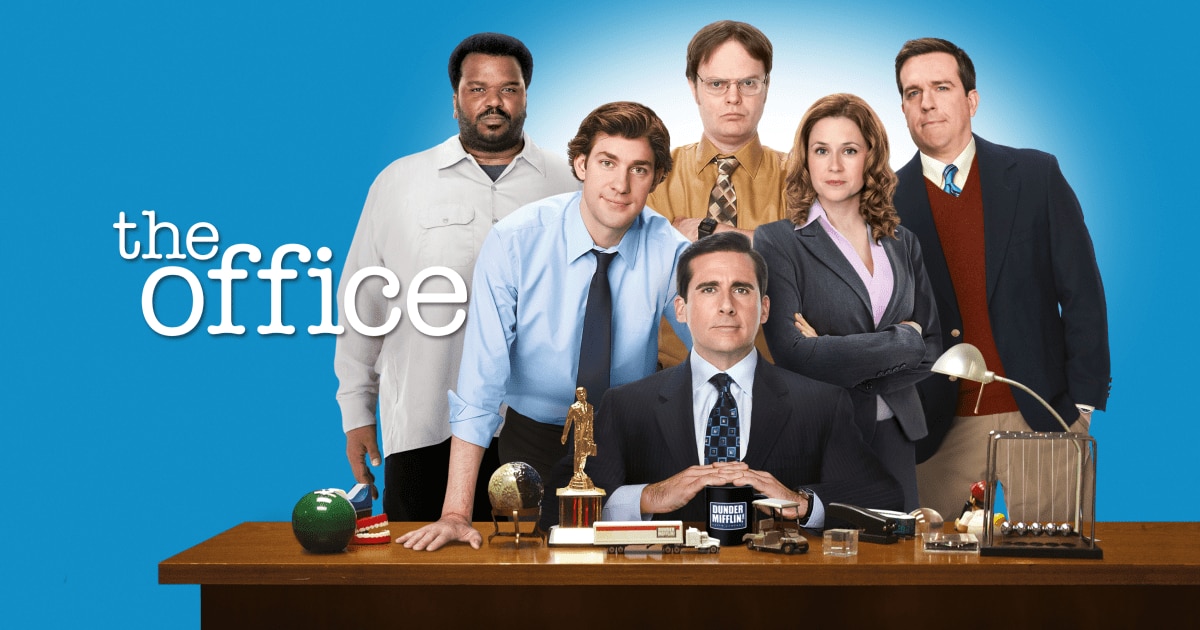
The initial availability of “The Office” on Netflix was a golden era for binge-watchers. For years, this ubiquitous platform served as the default destination for fans eager to revisit Jim and Pam’s pranks, Michael Scott’s cringe-worthy leadership, and the everyday absurdity of office life. However, the streaming landscape is far from static. The core of this shift lies in the strategic decisions made by the original content owners – in this case, NBCUniversal.
The Rise of Direct-to-Consumer Strategies and Brand Consolidation
For many years, the dominant strategy in the streaming world was content licensing. Major networks and studios would license their popular shows and movies to a central platform like Netflix, earning substantial revenue without the need to build and maintain their own streaming infrastructure. This created a centralized library that was highly attractive to consumers.
However, the emergence of the “streaming wars” – a period of intense competition among new and established players to capture market share – fundamentally altered this model. Companies like Disney, Warner Bros. Discovery, and NBCUniversal realized the immense value of their own intellectual property (IP). Instead of licensing out their most prized assets, they began to pull them back to launch their own proprietary streaming services. This strategy, known as “direct-to-consumer” (DTC), allows these companies to build their own subscriber bases, control their content libraries entirely, and gather valuable user data.
For NBCUniversal, “The Office” is a crown jewel in their content portfolio. Its enduring popularity, even years after its initial run, makes it a highly desirable asset. To capitalize on this, NBCUniversal launched Peacock. Consequently, “The Office” was moved from Netflix to Peacock in the early 2020s. This move was a significant blow to Netflix’s library but a strategic coup for Peacock, instantly giving the new platform a massive draw and a proven audience.
This phenomenon is not unique to “The Office.” We’ve seen similar shifts with shows like “Friends” (moving to HBO Max, now Max) and “Parks and Recreation” (also landing on Peacock after a stint on other platforms). These decisions are deeply rooted in brand strategy. By consolidating their most popular content under their own brand, these companies aim to:
- Enhance Brand Loyalty: Offering exclusive access to highly sought-after content encourages viewers to subscribe to their platform and remain loyal to their brand.
- Differentiate in a Crowded Market: In a market with dozens of streaming services, owning exclusive, popular content is a key differentiator.
- Maximize Revenue Streams: DTC models aim to capture the full subscription revenue, rather than a portion through licensing fees.
- Control the Narrative and User Experience: Owning the platform allows for greater control over advertising models, content bundling, and the overall user interface, shaping the brand’s digital presence.
From a technological standpoint, this DTC push has spurred massive investment in streaming infrastructure, content delivery networks (CDNs), and recommendation algorithms. Companies are investing billions to ensure a seamless viewing experience, to personalize content suggestions, and to develop innovative features that keep users engaged. The success of a platform like Peacock hinges not just on its content but also on its technological prowess to deliver that content reliably and attractively to a global audience.
Navigating Subscription Costs: Money Matters for “The Office” Fan
The question of “what streaming service has The Office” inevitably leads to another crucial consideration for consumers: cost. As content rights become more fragmented, fans often find themselves needing multiple subscriptions to access all the shows they want to watch. This has significant implications for personal finance and how we budget for entertainment.
The Cost of Access: Subscription Fatigue and Smart Spending
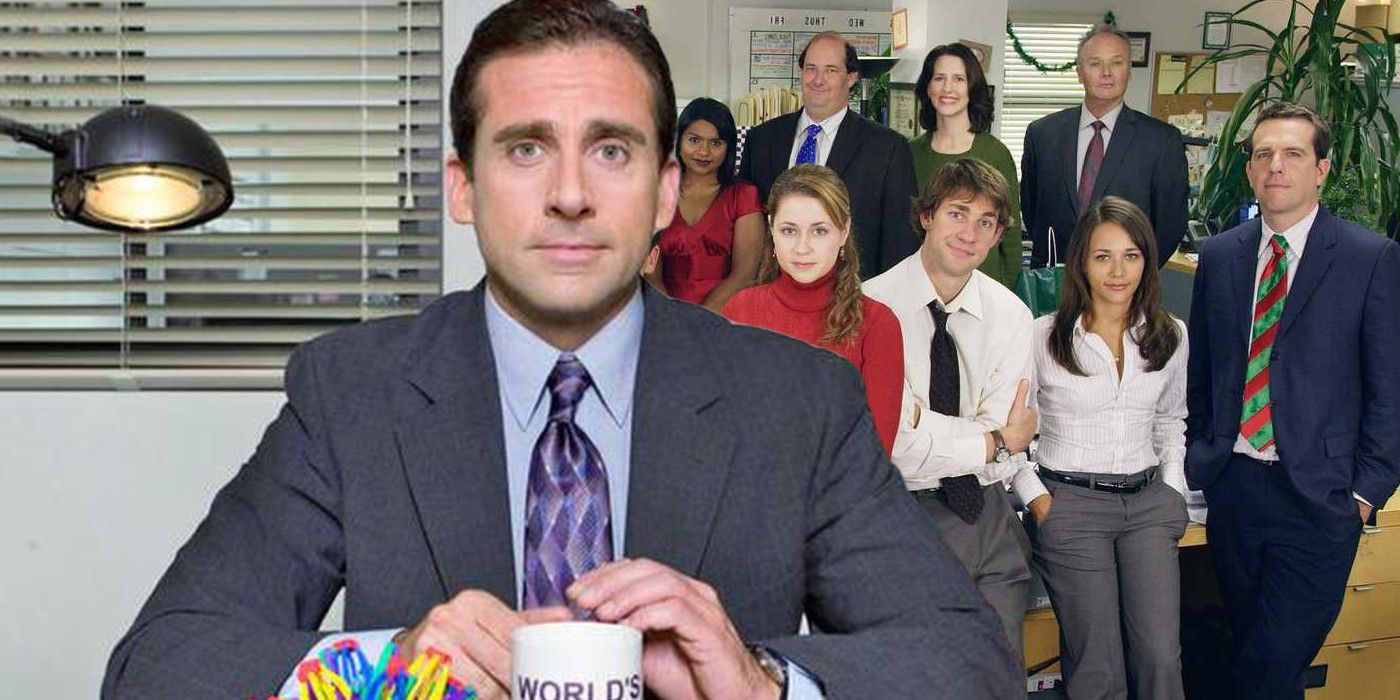
The migration of “The Office” to Peacock exemplifies the challenge of “subscription fatigue.” For a dedicated fan who might also want to watch content on Netflix, Disney+, Max, Hulu, and potentially others, the monthly subscription costs can quickly add up. This forces consumers to make difficult choices:
- Prioritize: Which shows and services are absolutely essential? For many, “The Office” might be high on the priority list, justifying a Peacock subscription.
- Rotate Subscriptions: Some savvy consumers opt to subscribe to services for a month or two at a time, watch their desired content, and then cancel until they need to return for new seasons or other shows. This “churn” strategy can save money but requires careful tracking.
- Bundle Deals: Keep an eye out for bundle deals offered by telecommunication companies or content providers. Sometimes, a mobile plan or a package of services might include discounted access to certain streaming platforms.
- Utilize Free Trials: Most streaming services offer free trial periods. For a show like “The Office,” one could potentially watch several seasons during a free trial, but this is a short-term solution.
Peacock’s Tiers: It’s important to note that Peacock, like many streaming services, operates on a tiered subscription model. While a free tier might offer some content, “The Office” is typically available on its paid tiers (e.g., Peacock Premium or Peacock Premium Plus). Understanding these tiers is crucial for budgeting. Fans need to determine if the additional features or ad-free viewing on higher tiers are worth the extra cost for their specific viewing habits.
The Economic Impact of Content Ownership: From a broader economic perspective, the fragmentation of streaming rights has created a more complex market for content creators and distributors. While it empowers companies like NBCUniversal to monetize their IP more effectively, it can be a financial burden for the end consumer. This dynamic influences investment decisions, as companies weigh the cost of acquiring rights against the potential revenue from their own DTC platforms. This is a continuous balancing act in the business of digital entertainment.
For individuals, the decision to subscribe to Peacock to watch “The Office” becomes a personal financial calculation. It’s about weighing the joy and entertainment value of the show against the monetary cost and the broader landscape of subscription expenses.
The Enduring Appeal of “The Office”: A Case Study in Digital Content Longevity
The persistent question of where to stream “The Office” highlights a fascinating aspect of digital content: its enduring appeal and evergreen nature. Despite concluding its original run years ago, the show continues to attract new audiences and retain its dedicated fanbase. This longevity is a testament to the power of well-crafted storytelling, relatable characters, and, importantly, its accessibility through digital platforms.
From Broadcast to Binge-Watching: The Tech-Driven Evolution of Consumption
The journey of “The Office” from a weekly broadcast television show to a binge-worthy digital commodity is a direct result of technological advancements and evolving consumer behavior.
- The Rise of DVRs and On-Demand: Early in its broadcast run, the introduction of DVRs allowed viewers more control over when they watched. This paved the way for the expectation of on-demand viewing.
- The Netflix Effect and Streaming Dominance: Netflix revolutionized content consumption by offering vast libraries of shows and movies on a subscription basis. This shifted the paradigm from scheduled programming to a user-driven, “watch anytime” model.
- The Power of Algorithms and Recommendations: Streaming platforms use sophisticated algorithms to recommend content. For shows like “The Office,” these algorithms can continuously surface it to new viewers who might enjoy its humor and style, ensuring a steady stream of engagement.
- Social Media and Viral Content: Clips, memes, and fan discussions about “The Office” constantly circulate on social media platforms. This organic promotion keeps the show relevant and sparks curiosity among those who may not have seen it before. The show’s adaptable humor and character-driven narratives make it easily digestible and shareable in short-form digital content, further fueling its popularity.
Brand Resonance Beyond the Screen: The brand of “The Office” has extended far beyond the episodes themselves. Merchandise, fan conventions, and a pervasive online culture surrounding the show contribute to its sustained popularity. This multi-faceted brand engagement ensures that even when the show changes streaming homes, its dedicated fanbase remains invested. This is a powerful example of how a successful IP can transcend its original medium and become a cultural phenomenon, sustained by the very digital technologies that enable its distribution.
The fact that a significant portion of the population is still actively searching for “what streaming service has The Office” is a testament to its cultural impact and the effectiveness of the digital ecosystem in keeping such content alive and accessible. It demonstrates that while the underlying technology of streaming may evolve, the human desire for engaging stories and relatable characters remains constant, driving the ongoing demand for beloved shows in the digital age. This enduring appeal also influences how brands approach content creation and distribution, prioritizing evergreen shows that can be monetized across multiple platforms and through various licensing agreements over the long term.
In conclusion, while the specific platform for “The Office” might change due to strategic shifts in the media industry, the quest for it reflects the broader trends in how we access and consume digital entertainment. It’s a reminder that behind every show lies a complex interplay of technology, brand strategy, and financial considerations that ultimately shape our viewing experience. For fans, staying informed about these shifts is key to enjoying their favorite content without breaking the bank.
aViewFromTheCave is a participant in the Amazon Services LLC Associates Program, an affiliate advertising program designed to provide a means for sites to earn advertising fees by advertising and linking to Amazon.com. Amazon, the Amazon logo, AmazonSupply, and the AmazonSupply logo are trademarks of Amazon.com, Inc. or its affiliates. As an Amazon Associate we earn affiliate commissions from qualifying purchases.