
The thrill of a Michigan Wolverines football game is undeniable. For dedicated fans, the roar of the crowd, the strategic plays, and the hope for victory are all part of an exhilarating experience. While many fans flock to the stadium or gather around televisions, a significant portion relies on the distinct voice of radio commentators to bring the game directly to them, whether they’re stuck in traffic, working, or simply prefer the auditory immersion. But in today’s rapidly evolving media landscape, pinpointing the exact radio station broadcasting the Michigan game can sometimes feel like a quest in itself. This article delves into the dynamic world of sports radio broadcasts, exploring how technology, branding, and even financial considerations influence where and how you can tune into your favorite team’s matchups.

The Evolving Landscape of Sports Broadcasting: More Than Just AM/FM
Gone are the days when tuning into a sports game was as simple as flipping through a few AM and FM dial positions. The proliferation of digital platforms, streaming services, and even the strategic branding of athletic departments have reshaped how fans access live game audio. What was once a fairly straightforward endeavor now involves a multi-faceted approach, requiring fans to be aware of traditional radio partners, official team apps, and even third-party streaming solutions.
Navigating Traditional Radio Frequencies: The Core of Game Day Audio
For decades, the heart of sports radio has been the terrestrial broadcast. Local affiliates, often established news and talk stations, carry the play-by-play action for major collegiate athletic programs like the University of Michigan. These stations have built loyal audiences over time, and their commitment to broadcasting live games is a cornerstone of their programming.
Identifying the Primary Affiliates: Where to Start Your Search
The University of Michigan has a long-standing and robust radio network dedicated to its athletic events. The flagship station, and the most reliable place to find the Michigan Wolverines football game, is typically WXYT-FM (97.1 The Ticket) in Detroit. This station is part of the University of Michigan Sports Network, a syndicated network that extends the reach of the broadcasts to numerous other affiliated stations across the state and sometimes beyond.
When the Michigan Wolverines are playing, especially important conference games or rivalry matchups, you can almost guarantee that 97.1 The Ticket will be your primary destination. This station has solidified its brand as the definitive voice for Michigan sports in the state’s largest media market. Their dedicated sports talk format makes them a natural fit for carrying live game action, often supplemented by pre-game shows, post-game analysis, and exclusive interviews with coaches and players.
However, the reach of the Wolverines’ radio broadcast extends far beyond the Detroit metropolitan area. For fans living in other parts of Michigan, or even those traveling within the state, a network of affiliate stations ensures you can stay connected. The University of Michigan Athletics website is the definitive source for an up-to-date list of these affiliate stations. This list will typically include stations serving cities like Ann Arbor, Grand Rapids, Flint, Lansing, and others, often broadcasting on both FM and AM frequencies.
The Importance of Affiliate Station Branding and Market Reach
The selection of affiliate stations isn’t arbitrary. It’s a strategic decision rooted in brand recognition and market reach. The University of Michigan aims to connect with its fanbase wherever they are. By partnering with established local radio stations that already have a strong presence and a loyal listenership, the Wolverines can maximize their audience engagement.
For these affiliate stations, carrying the Michigan game is a significant programming win. It draws in a large and passionate audience, boosting listenership and advertising revenue. This symbiotic relationship reinforces the brand of both the university and the radio station, creating a powerful connection with fans on game day.
The Digital Revolution: Streaming, Apps, and the Modern Fan Experience
While traditional radio remains a vital component, the digital age has introduced a wealth of new ways to listen to the Michigan game. Technology has democratized access, allowing fans to tune in from virtually anywhere with an internet connection, often with enhanced features and interactive elements.
Official University of Michigan Apps and Websites: Your Central Hub
The University of Michigan, like most major athletic programs, leverages its digital presence to provide fans with comprehensive access to game day information. The official University of Michigan Athletics website (MGoBlue.com) and associated official mobile apps are indispensable resources.
These platforms typically feature a dedicated “Listen Live” section that provides direct streaming links to the radio broadcast. This means that even if you don’t have a local affiliate within earshot, you can still listen to the game directly from your computer, smartphone, or tablet. This technological advancement has been a game-changer for fans who have relocated from Michigan or are traveling out of state.
Beyond just live audio, these digital hubs often offer supplementary content. You might find live statistics, real-time game updates, interactive maps of the stadium, and even video highlights. This integrated approach enhances the overall fan experience, making it more engaging and informative, regardless of how you’re consuming the game’s audio.
Third-Party Streaming Services and the Monetization of Sports Audio
The growth of digital streaming has also opened doors for third-party services to offer live sports audio. While official university channels are often free, some platforms might require a subscription. These services can aggregate a wide range of sports broadcasts, making it convenient for fans who follow multiple teams or sports.
From a money perspective, these platforms represent a significant market. Broadcasters and athletic departments are increasingly exploring revenue streams beyond traditional advertising. Streaming rights, premium content subscriptions, and data analytics derived from user engagement all contribute to the financial ecosystem of sports broadcasting.
It’s important for fans to be aware of the terms and conditions of these services. While some may offer a convenient way to listen to the Michigan game, others might have limitations or require a paid subscription. Researching the legitimacy and cost-effectiveness of any third-party streaming service is crucial.
Beyond the Game: The Role of Technology in Enhancing the Fan Experience
The influence of technology on how we consume sports extends beyond simply finding the right radio station. It’s about enhancing the entire fan experience, from pre-game anticipation to post-game reflection.
AI Tools and Productivity Apps for the Discerning Fan
While not directly dictating which radio station is broadcasting the game, advancements in AI and productivity tools can indirectly benefit the fan. Imagine using an AI assistant to automatically set reminders for game times, or to search for the “Michigan game radio station” at a specific moment.
Productivity apps can help you organize your game day schedule, ensuring you don’t miss a single snap. This might involve scheduling pre-game listening sessions on the radio, setting reminders to check the official app for updates, or even planning your commute to minimize time away from the broadcast.
Furthermore, AI-powered content curation tools could, in the future, personalize your sports listening experience. Imagine an AI that learns your preferences and automatically recommends podcasts or radio shows discussing the Michigan game, or even identifies the most relevant audio commentary based on your location and time.
Digital Security and Protecting Your Access
In the digital realm, with increased online access comes the need for vigilance regarding digital security. When accessing streaming services or downloading official apps, it’s essential to ensure you’re doing so through legitimate and secure channels. Phishing scams, malicious apps, and unauthorized streaming sites can compromise your personal information and devices.
Always download apps from official app stores (Apple App Store, Google Play Store) and ensure websites you visit for streaming have secure connections (look for “https” in the URL). Be wary of unsolicited links or offers that seem too good to be true. Protecting your digital identity is as crucial as protecting your team’s end zone.
The Financial Ecosystem of Sports Radio: Who Pays for the Broadcast?
The question of “what radio station is the Michigan game on” is intrinsically linked to the financial underpinnings of sports broadcasting. The extensive network of radio stations, the production of pre- and post-game shows, and the rights to broadcast live games all come with significant costs.
Sponsorships and Advertising: The Lifeblood of Terrestrial Radio
For traditional radio stations, advertising revenue is paramount. During a Michigan game broadcast, you’ll hear a consistent stream of commercials from local and national businesses. These advertisements are strategically placed during breaks in the action, during pre-game and post-game analysis, and even woven into the commentary.
The University of Michigan’s athletic department also benefits from sponsorships. Corporate partners often align themselves with the Wolverines, their logos appearing on team apparel, stadiums, and official media. This sponsorship money helps fund various aspects of the athletic program, including the production and distribution of radio broadcasts. The value of reaching such a dedicated and engaged audience is a powerful draw for advertisers and sponsors.
The Business of Digital Streaming Rights: A Growing Revenue Stream
As mentioned earlier, digital streaming has become a significant financial consideration. The rights to stream live audio online are valuable, and universities are increasingly negotiating these rights as part of their overall media deals. This can involve direct licensing agreements with streaming platforms or partnerships with companies that specialize in sports media distribution.
The money generated from these digital rights can be reinvested into the athletic program, supporting student-athletes, facilities, and the continued production of high-quality broadcasts. For fans, understanding this financial aspect can shed light on why certain platforms offer free streaming while others may require a subscription.
Conclusion: Staying Connected to the Michigan Game in the Modern Era
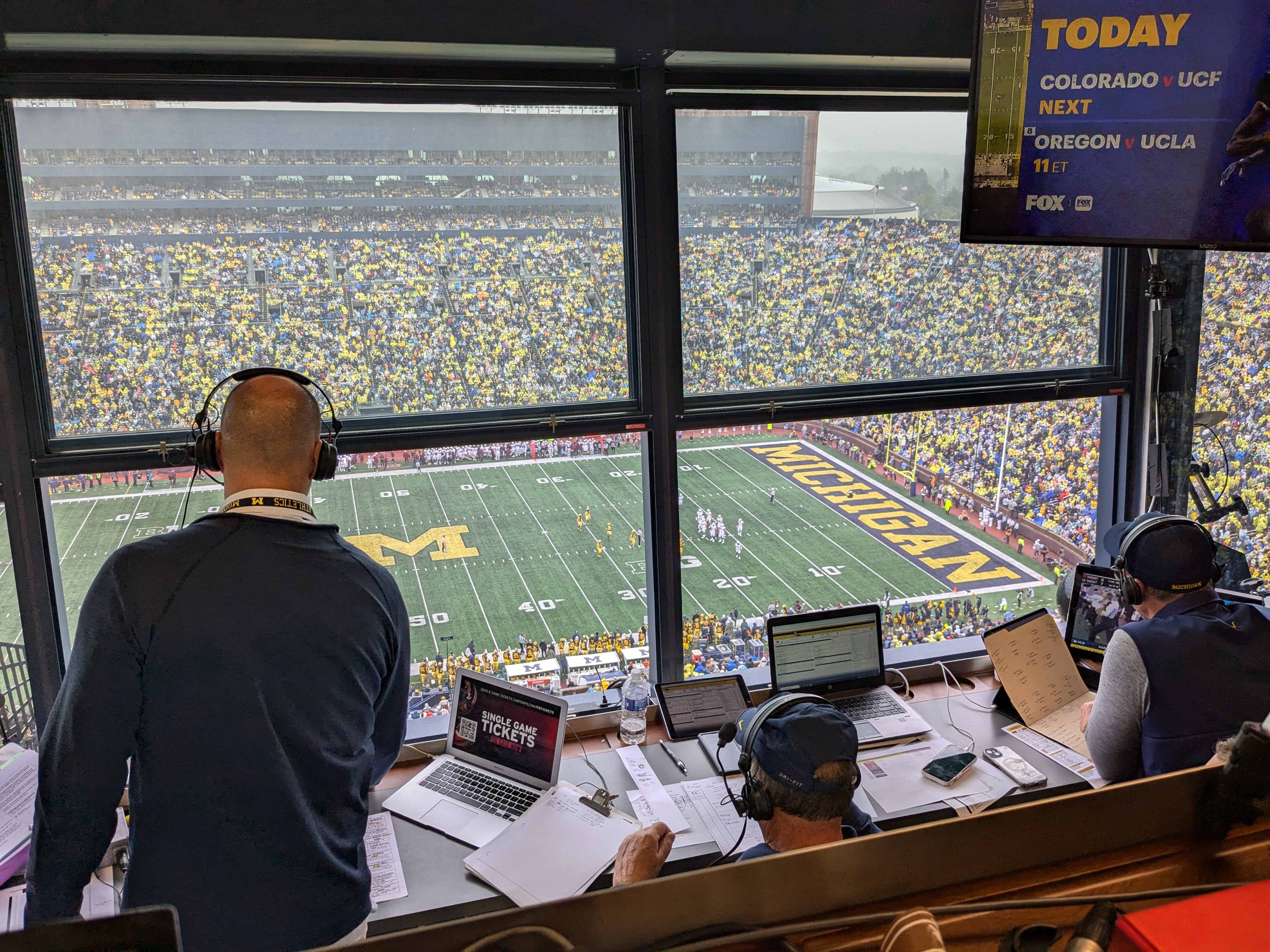
In conclusion, while the core question of “what radio station is the Michigan game on” might seem simple, the answer reflects the dynamic evolution of sports media. For the most reliable and traditional listening experience, WXYT-FM (97.1 The Ticket) in Detroit and its network of affiliates across Michigan remain your primary go-to. However, the digital age has provided fans with unprecedented flexibility.
Leveraging the official University of Michigan Athletics website and mobile apps ensures you have direct access to live streams, no matter where you are. As technology continues to advance, expect even more innovative ways to engage with your favorite team’s broadcasts. By understanding the interplay of technology, branding, and financial considerations, Michigan fans can confidently navigate the media landscape and ensure they never miss a moment of the Wolverines’ gridiron battles. So, whether you’re tuning into the familiar crackle of AM/FM or the crisp clarity of a digital stream, the spirit of game day is always within reach.
aViewFromTheCave is a participant in the Amazon Services LLC Associates Program, an affiliate advertising program designed to provide a means for sites to earn advertising fees by advertising and linking to Amazon.com. Amazon, the Amazon logo, AmazonSupply, and the AmazonSupply logo are trademarks of Amazon.com, Inc. or its affiliates. As an Amazon Associate we earn affiliate commissions from qualifying purchases.