
In the modern financial landscape, the boundary between traditional banking and digital fintech solutions has become increasingly blurred. For many consumers, the Cash App Card—a Visa debit card linked directly to one’s Cash App balance—has evolved from a simple peer-to-peer payment tool into a primary vehicle for daily transactions, budgeting, and even investing. Understanding how to effectively put money on your Cash App card is not merely a technical necessity; it is a strategic component of modern liquidity management.
Whether you are transitioning toward a cashless lifestyle or seeking a secondary account to manage discretionary spending, mastering the various funding mechanisms of the Cash App ecosystem is essential. This guide explores the strategic methods for depositing funds, the financial implications of each method, and how to integrate this tool into your broader personal finance strategy.
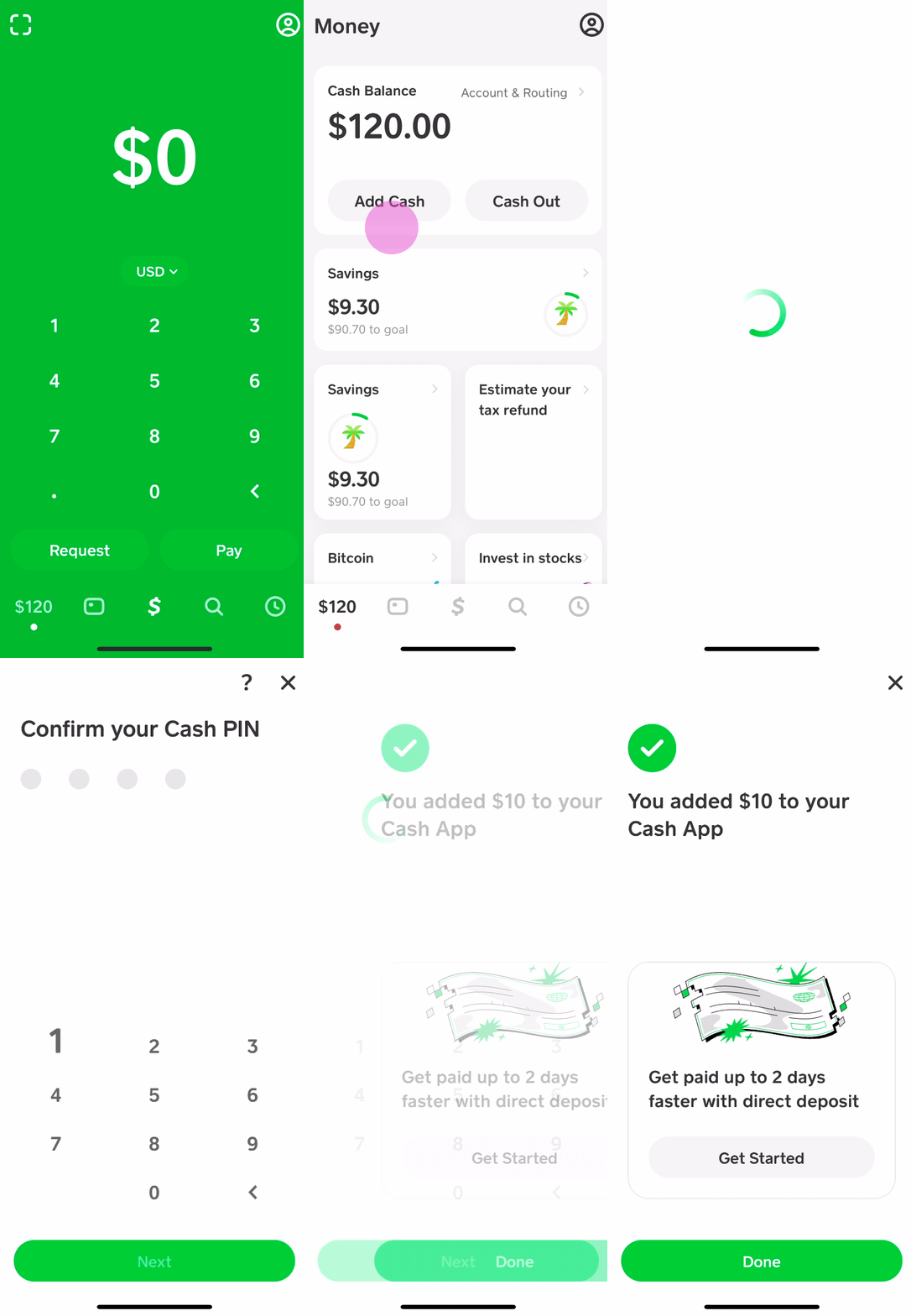
The Evolution of Digital Banking: Integrating Cash App into Your Financial Ecosystem
The rise of financial technology has redefined what it means to “carry cash.” The Cash App Card acts as a bridge, allowing users to spend their digital balance at any merchant that accepts Visa. To maximize the utility of this tool, one must first view it through the lens of a comprehensive financial ecosystem.
Bridging the Gap Between Traditional Banking and Fintech
For many individuals, the Cash App Card serves as an “intermediary account.” By moving funds from a traditional, high-street bank to Cash App, users can isolate their spending money from their primary savings or bill-paying accounts. This creates a psychological and physical barrier that can prevent overspending. When you fund your Cash App card, you are essentially “loading” your digital wallet, making a conscious decision about how much capital you want to make liquid for immediate use.
Why Liquidity Matters in the Digital Age
Liquidity refers to how quickly you can convert assets into spendable cash. In the context of personal finance, having multiple ways to fund your Cash App card ensures that you are never caught without purchasing power. Whether you are receiving a reimbursement from a friend or need to convert physical paper bills into digital currency for an online purchase, the ability to rapidly move money into the Cash App environment is a hallmark of a sophisticated financial setup.
Direct Methods to Deposit Funds: Maximizing Utility and Accessibility
The most common way to put money on a Cash App card is through digital transfers. These methods are preferred for their speed and the ability to automate your personal finances.
Linking Your Bank Account and Debit Card for Seamless Transfers
The foundational method of funding your card is by linking a traditional bank account or a debit card. This creates a two-way street for your capital. To do this effectively:
- Standard Transfers: These are typically free and take 1-3 business days. From a personal finance perspective, this is the best method for non-urgent budgeting.
- Instant Deposits: While these incur a small percentage fee (usually 0.5% to 1.75%), they provide immediate liquidity. This is a tool to be used sparingly, as frequent fees can erode your net worth over time.
By keeping a linked account, you can “Pull” money into your Cash App balance whenever your card balance runs low, ensuring your “Cash Boosts” (Cash App’s merchant discounts) are always accessible.
Utilizing Direct Deposit for Faster Access to Your Paycheck
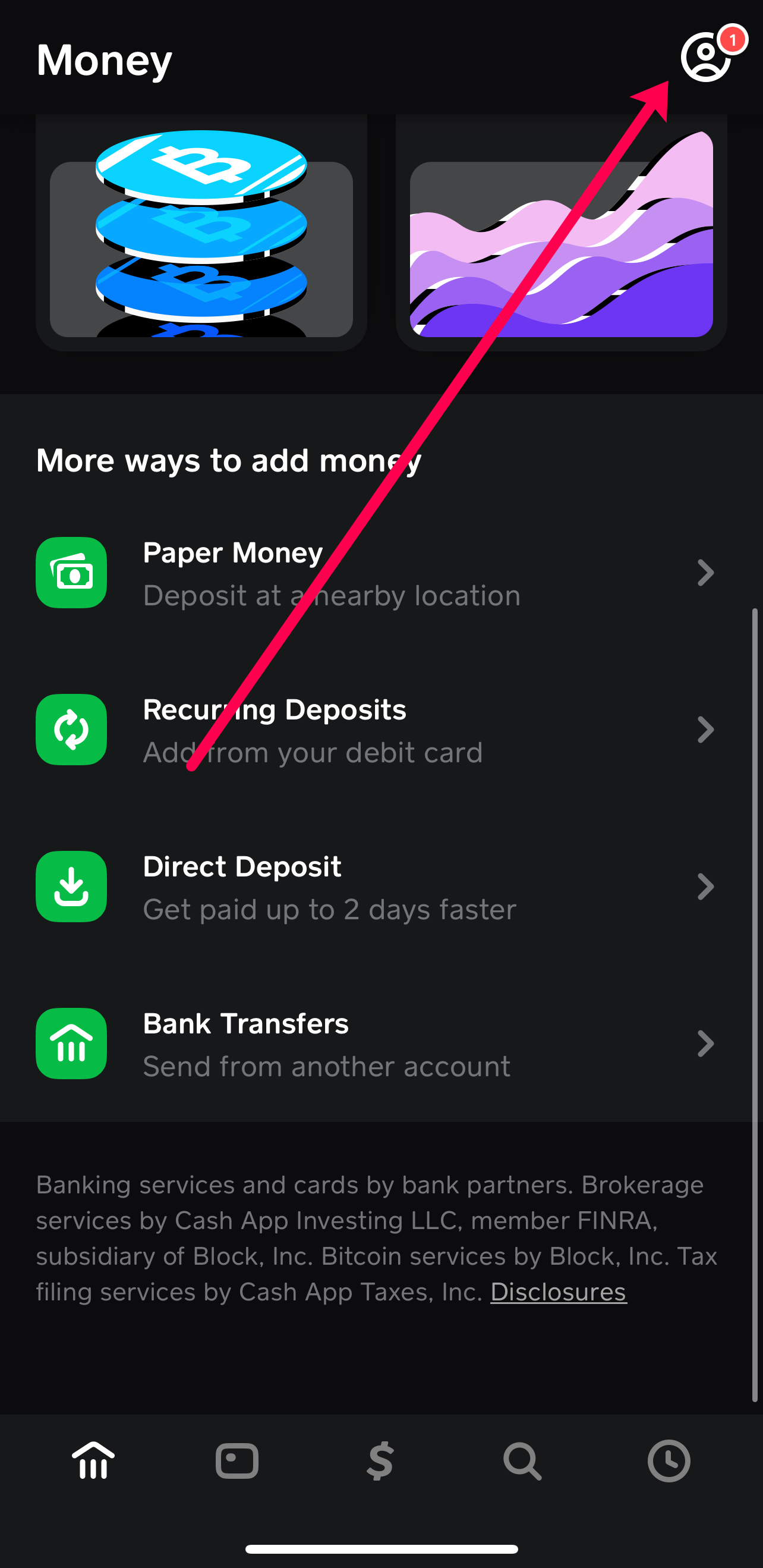
One of the most powerful financial moves a Cash App user can make is setting up direct deposit. Cash App provides a routing and account number, allowing it to function similarly to a standard checking account.
- Early Access: Many users find that direct deposits hit their Cash App balance up to two days earlier than they would at a traditional bank.
- Financial Automation: By directing a portion of your paycheck—say, your weekly grocery budget—directly to your Cash App card, you automate your budgeting process. This “set it and forget it” mentality is a cornerstone of successful wealth management.
Physical Cash Reloads: Turning Paper Currency into Digital Assets

Despite the digital revolution, we still live in a world where physical cash exists. Whether you are a service worker receiving tips or someone who prefers to keep a portion of their assets in physical form, you need a way to move that value onto your card.
Leveraging Retail Partner Networks for In-Store Deposits
Cash App has partnered with a vast network of national retailers to facilitate “Paper Money” deposits. This allows you to walk into a store with physical bills and have them credited to your digital balance. Key partners often include:
- Walgreens and Duane Reade
- 7-Eleven
- Walmart
- Family Dollar
- Rite Aid
To utilize this, you generate a barcode within the app, which the cashier scans. This method is revolutionary for the “underbanked” or for those who receive their income in cash, as it provides a gateway to the digital economy without requiring a traditional brick-and-mortar bank branch.
Understanding Service Fees and Transaction Limits
From a personal finance standpoint, it is vital to be aware of the costs associated with cash reloads. Most retailers charge a flat fee (often around $1) for this service. While a dollar may seem negligible, if you deposit cash four times a month, you are spending $48 a year on access fees.
Furthermore, Cash App imposes limits on these deposits (e.g., $500 per transaction or $4,000 per month). Monitoring these limits is essential for small business owners or freelancers who might use the card to manage their business expenses.
Strategic Financial Management via Cash App
Putting money on your card is the “how,” but managing that money effectively is the “why.” Once your card is funded, it becomes a tool for sophisticated financial maneuvers.
Implementing the “Bucket” System for Budgeting
The “Bucket” system involves categorizing your money based on its intended use. You can use your Cash App card as your “Discretionary Bucket.” By only putting a specific amount of money on the card each week, you create a hard limit on your spending for dining out, entertainment, or impulse buys. If the card is declined, your “bucket” is empty, providing an immediate and un-ignorable feedback loop regarding your spending habits.
Security Best Practices for Protecting Your Digital Wealth
In personal finance, capital preservation is just as important as capital accumulation. When you put money on your Cash App card, you must ensure it is protected.
- Enable Security Locks: Use biometrics or a PIN for every transaction.
- Monitor Activity: Since the card is linked to a mobile app, you get real-time notifications. This allows you to spot unauthorized transactions instantly, far faster than traditional bank statements.
- Disable “Cash Out” to Unknown Accounts: Ensure your linked accounts are verified and secure to prevent “drainage” if your phone is compromised.
Future-Proofing Your Personal Economy with Cash App Features
The utility of the money you put on your Cash App card extends beyond simple debit transactions. The platform has integrated features that allow your balance to work for you.
Exploring Micro-Investing and Bitcoin Integration
One of the unique aspects of funding your Cash App balance is the ability to pivot from spending to investing instantaneously. With as little as $1 of your funded balance, you can purchase fractional shares of stocks or Bitcoin. This lowers the barrier to entry for wealth building. Instead of letting “leftover” money sit idle on your card, you can strategically move it into assets that have the potential to appreciate, effectively turning a spending tool into a wealth-building tool.
Maximizing “Cash Boosts” for Everyday Savings
The “Cash Boost” feature is perhaps the most direct way that funding your Cash App card saves you money. These are instant rewards that apply when you use your card at specific vendors (e.g., 5% off at grocery stores or $1 off at coffee shops). To take advantage of these, your card must be funded. By strategically loading money onto the card specifically to use with a “Boost,” you are essentially earning a guaranteed return on your spending—a savvy move for any budget-conscious individual.
In conclusion, putting money on your Cash App card is the first step in engaging with a versatile financial instrument. By understanding the digital and physical pathways for funding, acknowledging the fee structures, and utilizing the card as a budgeting and investing tool, you can significantly enhance your personal financial efficiency. In a world where money moves at the speed of light, having a well-funded and well-managed Cash App card ensures you are always ready for the next transaction—or the next investment opportunity.
aViewFromTheCave is a participant in the Amazon Services LLC Associates Program, an affiliate advertising program designed to provide a means for sites to earn advertising fees by advertising and linking to Amazon.com. Amazon, the Amazon logo, AmazonSupply, and the AmazonSupply logo are trademarks of Amazon.com, Inc. or its affiliates. As an Amazon Associate we earn affiliate commissions from qualifying purchases.