
In an increasingly interconnected world, where digital information flows freely and cyber threats loom large, the concept of security clearance stands as a critical bulwark against espionage, data breaches, and the compromise of national assets. Far more than a bureaucratic hurdle, a security clearance is a meticulously vetted credential granting an individual access to classified information, and its tiers reflect the escalating sensitivity of the data involved. For those operating within the vast landscape of technology, particularly in government, defense, or critical infrastructure sectors, understanding the nuances of these clearances is not merely academic—it’s foundational to their roles in safeguarding the digital frontier. This article delves into the intricate world of security clearances, dissecting its highest echelons and exploring its profound implications for technology professionals and the broader digital security paradigm.
Unpacking the World of Classified Information and Access
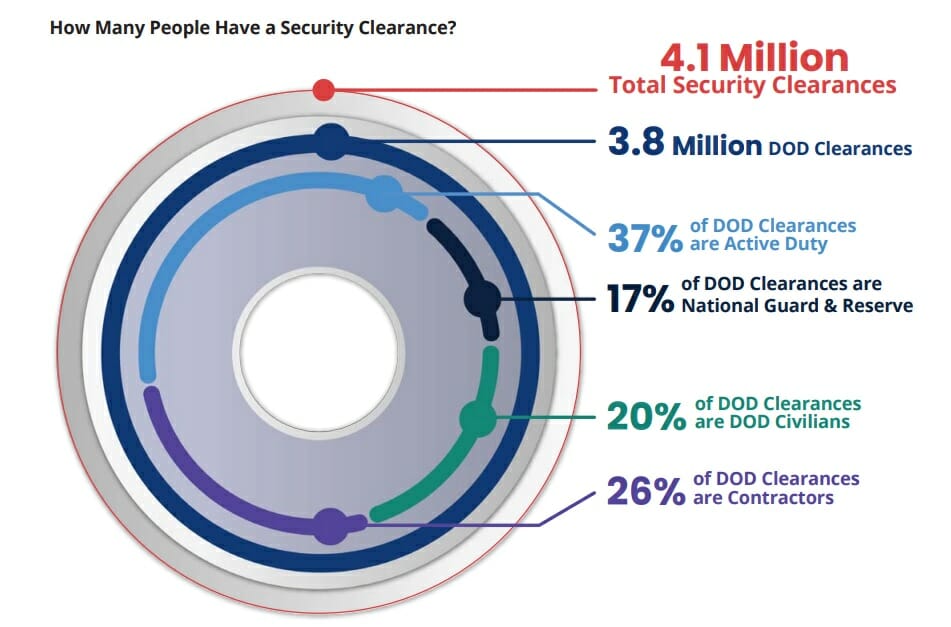
At its core, a security clearance is a formal determination by an authorized government entity that an individual is eligible to access classified national security information. This determination is predicated on a comprehensive background investigation designed to assess an individual’s loyalty, trustworthiness, and reliability. The very existence of such a system underscores a fundamental principle: not all information can be public, and its protection is paramount to national security, economic stability, and technological advantage.
The Fundamental Purpose of Security Clearances
The primary objective of security clearances is to protect classified information from unauthorized disclosure. This information can range from military strategies and intelligence operations to advanced technological research and diplomatic communications. In a world where nation-state actors and sophisticated cybercriminal organizations constantly seek to exploit vulnerabilities, the human element, alongside robust technological defenses, remains a critical layer of protection. A clearance acts as a gatekeeper, ensuring that only individuals deemed trustworthy and reliable can access sensitive data, thereby mitigating the risk of insider threats, espionage, and inadvertent leaks. The digital realm has only intensified this need, as vast quantities of classified data are stored, transmitted, and processed electronically, making digital security inextricably linked to personnel security.
Who Needs a Security Clearance and Why?
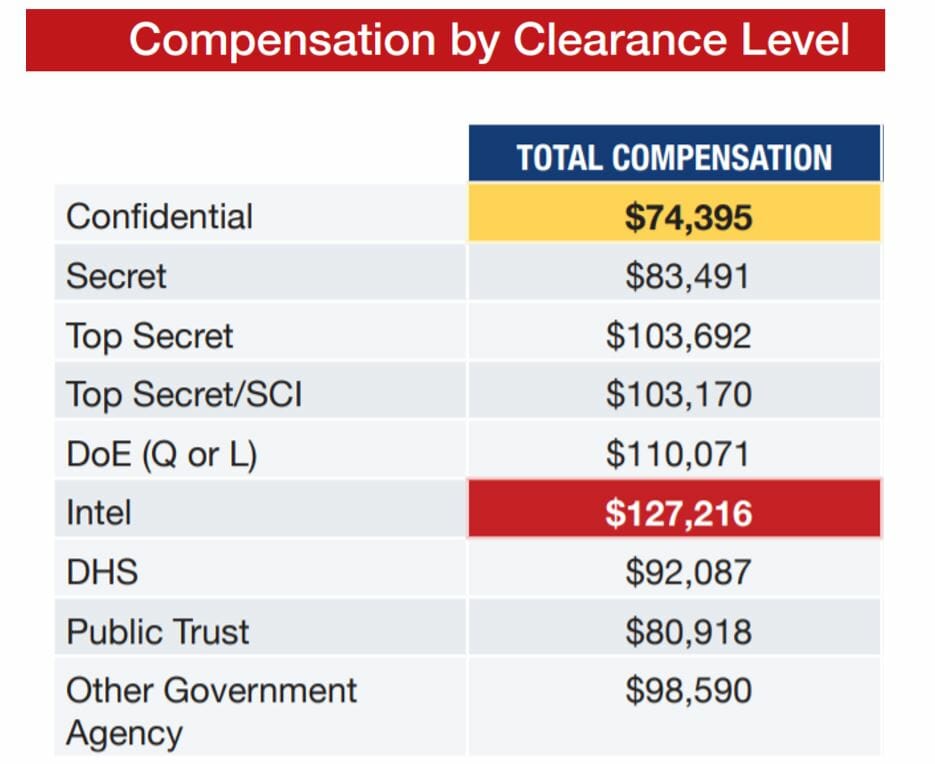
While often associated with intelligence agents or military personnel, the need for security clearances extends broadly, particularly into the tech sector. Software engineers developing secure operating systems, cybersecurity analysts protecting critical government networks, hardware engineers designing sensitive components, data scientists working with classified datasets, and IT professionals maintaining secure infrastructures all routinely require clearances. Even contractors working on government projects that involve sensitive information or advanced technological prototypes will need appropriate access. The “why” is simple: their work directly involves or impacts classified information, digital systems, or technologies that, if compromised, could cause severe damage to national security. In essence, any role touching upon the design, development, deployment, or defense of sensitive technological assets will likely require a security clearance.
The Ladder of Secrecy: Levels of Classification
Before diving into the highest clearance, it’s crucial to understand the foundational levels of classified information itself. These categories dictate the level of protection required and, consequently, the type of clearance needed to access them:
- Confidential: Unauthorized disclosure could cause damage to national security.
- Secret: Unauthorized disclosure could cause serious damage to national security.
- Top Secret: Unauthorized disclosure could cause exceptionally grave damage to national security.
These classifications are the bedrock upon which the clearance system is built, each demanding a progressively stringent vetting process and higher levels of responsibility from those granted access.
The Tiers of Security Clearance: A Deep Dive
The security clearance system in the United States, primarily governed by Executive Order 13526, outlines a hierarchical structure designed to match access privileges with the sensitivity of the information. While the three main tiers—Confidential, Secret, and Top Secret—are widely known, the “highest” security clearance often refers to specific endorsements and access programs that build upon the Top Secret foundation.
Confidential: The Entry Point
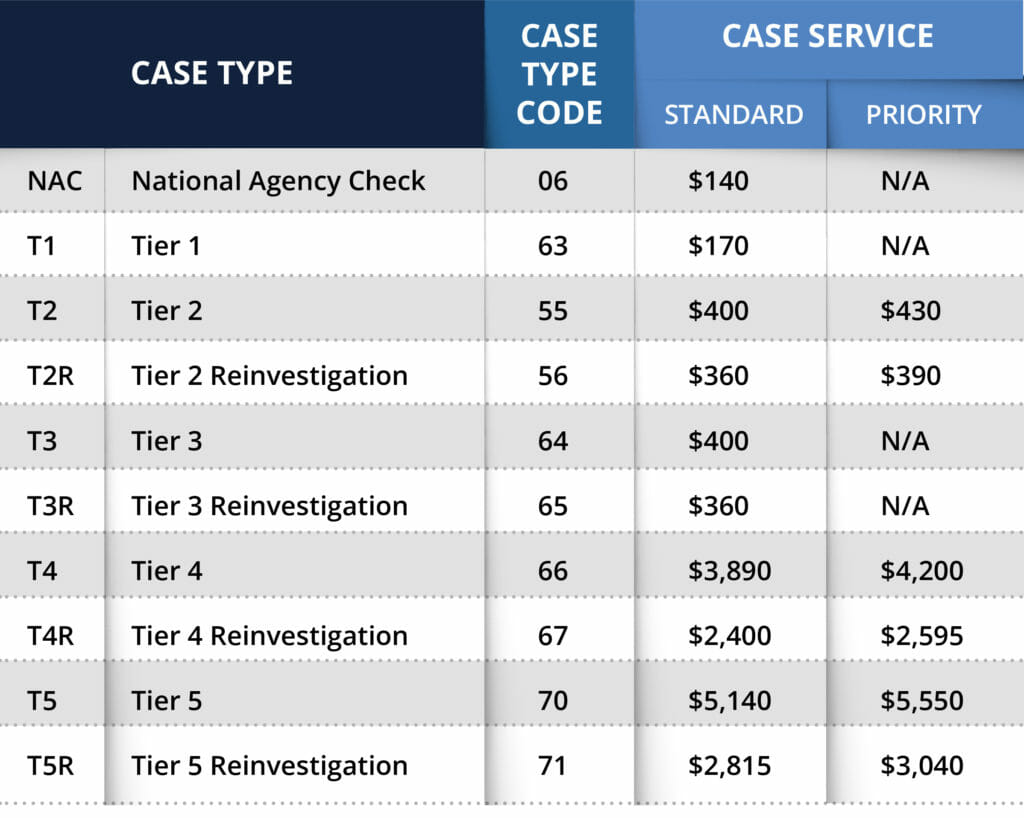
A Confidential clearance is the lowest level of security access, allowing an individual to view information whose unauthorized disclosure could cause “damage” to national security. This level of clearance typically involves a National Agency Check with Inquiries (NACI) background investigation, which reviews an applicant’s financial history, criminal records, and other public data. While it might seem entry-level, even Confidential information can be vital, such as details of routine military operations or less sensitive technological specifications. For tech professionals, this might be required for roles involving basic system maintenance or working with unclassified but sensitive government data.
Secret: Protecting Significant National Security Information
The Secret clearance permits access to information whose unauthorized disclosure could cause “serious damage” to national security. The background investigation for a Secret clearance, known as a Single Scope Background Investigation (SSBI), is more extensive than the NACI. It delves deeper into an individual’s personal history, including employment, education, foreign contacts, and finances, often involving interviews with personal references and former colleagues. Many government contractors, researchers, and IT specialists working on secure networks or less sensitive defense projects will hold a Secret clearance. The digital systems they manage or develop are often critical, and their compromise could significantly impede government operations or technological development.
Top Secret: The Pinnacle of Baseline Access
Top Secret (TS) is the highest base level of security clearance and grants access to information whose unauthorized disclosure could cause “exceptionally grave damage” to national security. This includes highly sensitive defense strategies, advanced technological breakthroughs, and critical intelligence assessments. The investigation for a Top Secret clearance is a full SSBI, a thorough and intrusive process that can take a year or more. It involves extensive interviews, polygraphs for some positions, and a meticulous examination of every aspect of an applicant’s life, including potential vulnerabilities like financial instability, foreign influence, or substance abuse. Tech professionals working with cutting-edge defense technologies, national intelligence systems, or critical cyber infrastructure almost invariably require a Top Secret clearance. This level of access is essential for those developing state-of-the-art encryption algorithms, designing secure command-and-control systems, or analyzing top-tier cyber threats.
Beyond Top Secret: Sensitive Compartmented Information (SCI) and Special Access Programs (SAP)
While Top Secret is the highest base clearance, it does not represent the absolute apex of access. The true “highest security clearance” lies in various endorsements and special access programs that build upon a Top Secret foundation. These include:
- Sensitive Compartmented Information (SCI): SCI is a classification designation that refers to classified information concerning or derived from intelligence sources, methods, or analytical processes, which is required to be protected within formal access control systems established by the Director of National Intelligence. Access to SCI requires a Top Secret clearance plus a separate, more focused investigation and adjudication for specific SCI compartments. Think of it as a series of nested boxes: you need a Top Secret key to open the main safe, but then you need specific SCI keys to open the inner compartments within that safe. This often involves polygraphs and a deep dive into an individual’s life relevant to the specific SCI compartment. Tech professionals working on advanced signals intelligence, imagery analysis, or classified cyber operations often require TS/SCI.
- Special Access Programs (SAP): SAPs are established for information that requires protection beyond that provided by the standard Top Secret, Secret, or Confidential classifications due to the extreme sensitivity of the information. These programs can be highly classified and protect “black projects” related to cutting-edge technology, experimental weaponry, or highly sensitive intelligence operations. Access to a SAP also requires a Top Secret clearance and a separate, rigorous approval process unique to each program, often involving specific background checks, psychological evaluations, and polygraphs tailored to the SAP’s requirements. These are the most exclusive forms of access, often restricted to a very small number of individuals. For a tech professional, working on a SAP might involve developing revolutionary stealth technology, advanced AI for classified purposes, or next-generation cybersecurity countermeasures for critical national assets.
Therefore, the “highest security clearance” is not a single, universally named credential but rather a Top Secret clearance combined with various specific SCI access authorizations or SAP approvals, tailored to the unique sensitivities of the information involved.
The Rigorous Process: A Journey into Trust and Technology
Obtaining any security clearance, particularly at the Top Secret or SCI/SAP level, is an arduous and lengthy journey designed to leave no stone unturned in assessing an individual’s trustworthiness. This process is increasingly reliant on, and impacts, technology.
The Application and Background Investigation (BI): Digital Footprints and Data Collection
The process begins with the submission of detailed personal information, often through digital platforms like the SF-86 (Standard Form 86) e-QIP system. This form requires an applicant to disclose an extensive history, including residency, employment, education, foreign travel and contacts, financial status, mental health history, and any substance abuse or criminal record. The subsequent background investigation (BI) involves federal investigators verifying this information, interviewing references, past employers, neighbors, and even former spouses. In the digital age, this also extends to reviewing digital footprints—public social media, online databases, and criminal records accessed through digital means. Any inconsistencies or areas of concern are flagged for further scrutiny, demonstrating how thoroughly an individual’s digital persona is now integrated into the vetting process.
The Adjudication Phase: Automated Systems and Human Review
After the BI is completed, the collected information is forwarded to an adjudicator. This phase involves a careful review of all findings against established adjudicative guidelines to determine if there are any national security concerns. While the final decision rests with a human adjudicator, technology plays an increasingly significant role. Automated systems assist in flagging potential issues, cross-referencing databases, and even analyzing behavioral patterns through data analytics. However, the complexity of human behavior and the nuances of individual circumstances necessitate human judgment in the ultimate determination of eligibility.
Continuous Evaluation: Monitoring in the Digital Age
A security clearance is not a one-time grant. Holders of high-level clearances are subject to continuous evaluation. This involves ongoing monitoring of various public and private data sources, including financial records, criminal databases, and even some public-facing social media. The aim is to detect any changes in an individual’s circumstances or behavior that might raise security concerns. This continuous monitoring increasingly leverages advanced data analytics and AI tools to sift through vast amounts of information, identifying anomalies or red flags that could indicate a potential risk. This shift from periodic reinvestigations to continuous evaluation is a testament to the digital age’s ability to provide real-time risk assessment, further integrating technology into the very fabric of security clearance management.
The Role of Technology in Background Checks and Monitoring
Technology is not just impacted by clearances; it is integral to the clearance process itself.
- Database Integration: Investigators leverage vast interconnected databases—criminal records, financial histories, credit reports, and intelligence community databases—to quickly gather and cross-reference information.
- Data Analytics & AI: Advanced analytics and artificial intelligence are increasingly employed to process the enormous volumes of data collected during BIs and continuous evaluation. These tools can identify patterns, flag inconsistencies, and even predict potential risks more efficiently than human review alone.
- Secure Information Systems: The entire process, from application submission (e-QIP) to the secure storage and transmission of sensitive investigation reports, relies on highly secure, encrypted digital systems designed to protect the privacy of applicants and the integrity of the investigation.
- Digital Footprint Analysis: The rise of social media and online activity means that an applicant’s digital footprint is a legitimate area of inquiry, analyzed through both automated and manual processes for potential vulnerabilities or concerning affiliations.
The Technological Imperative: Securing Classified Data in the Digital Age
Holding the highest security clearance places an individual at the forefront of protecting the nation’s most sensitive information. This responsibility is profoundly intertwined with the imperative of robust digital security.
Secure Networks and Systems: The Backbone of Classified Operations
Individuals with Top Secret/SCI/SAP clearances often work within highly isolated and protected digital environments. These aren’t just standard corporate networks; they are bespoke, air-gapped systems or highly segmented networks with multi-factor authentication, intrusion detection systems, and continuous monitoring at every layer. For tech professionals, this means developing, maintaining, and defending infrastructures that adhere to stringent security protocols (e.g., NIST, RMF standards) far beyond commercial requirements. The integrity of these networks is paramount, as a single vulnerability could compromise critical national security assets.
Data Encryption and Access Controls: Fortifying Digital Perimeters
Access to classified data is meticulously controlled through advanced encryption techniques and granular access control mechanisms. Tech professionals with high clearances are often responsible for implementing and managing these safeguards. This includes developing quantum-resistant encryption algorithms, deploying hardware security modules (HSMs), and configuring identity and access management (IAM) systems that enforce the principle of “least privilege” – ensuring individuals only have access to the specific information their clearance level and job function require. The highest clearances are meaningless if the digital safeguards fail.
Insider Threat Detection: Leveraging AI and Analytics
While clearances aim to vet individuals, the threat of an insider remains a significant concern. Technology plays a crucial role in mitigating this. High-level classified networks employ sophisticated monitoring tools that use AI and machine learning to detect anomalous behavior—unusual data access patterns, unauthorized software installations, or attempts to exfiltrate data. Tech professionals design and operate these systems, leveraging big data analytics to identify potential insider threats before they can cause damage, complementing the human vetting process with continuous digital surveillance.
Cyber Warfare and the Perpetual Threat
The holders of the highest clearances often work on projects directly related to national defense against cyber warfare. This could involve developing offensive cyber capabilities, designing impenetrable defensive systems, or analyzing sophisticated state-sponsored cyberattacks. The threat landscape is constantly evolving, requiring continuous innovation in digital security measures, a domain heavily reliant on the expertise of cleared tech professionals. Their work is a critical battlefront in the ongoing struggle for digital sovereignty and national security.
Navigating the Highest Levels: Implications for Tech Professionals
For tech professionals, attaining the highest security clearance is both a significant achievement and a profound responsibility, opening doors to highly specialized and impactful career paths.
Career Opportunities in National Security Tech
A Top Secret, SCI, or SAP clearance is a golden ticket to some of the most challenging, cutting-edge, and impactful roles in the technology sector. These opportunities often exist within government agencies (NSA, CIA, FBI, DoD branches), defense contractors (Lockheed Martin, Raytheon, Northrop Grumman), and specialized cybersecurity firms. Roles can include:
- Cybersecurity Architects/Engineers: Designing and securing critical national infrastructure.
- Reverse Engineers/Malware Analysts: Deconstructing advanced threats.
- Software Developers: Building secure operating systems and intelligence platforms.
- Data Scientists/AI Engineers: Working with classified datasets for intelligence analysis or autonomous systems.
- Cloud Security Specialists: Securing classified data in government-specific cloud environments.
These positions demand not only exceptional technical skills but also an unwavering commitment to national security and discretion.
Ethical Considerations and Responsibilities
Working with classified information, especially at the highest levels, comes with immense ethical responsibilities. Professionals are entrusted with secrets that could shape geopolitical events, influence military outcomes, or protect technological superiority. The ethical burden includes:
- Maintaining Secrecy: Understanding and adhering to strict protocols regarding classified information handling, both inside and outside of work.
- Recognizing Insider Threats: Being vigilant about potential security compromises and reporting suspicious activity.
- Responsible Innovation: Ensuring that advanced technological capabilities are used ethically and in accordance with national policy.
- Personal Conduct: Maintaining a lifestyle free from vulnerabilities that could be exploited by adversaries.
The Future of Security Clearances in an AI-Driven World
As artificial intelligence and machine learning advance, the landscape of security clearances will undoubtedly evolve. AI could further enhance continuous evaluation processes, potentially streamlining some aspects of background investigations. However, the human element of judgment, discretion, and ethical decision-making will remain irreplaceable. Furthermore, the very nature of AI itself—its potential for autonomous decision-making and its role in processing vast datasets—will create new classes of classified information and new security challenges, demanding an even more specialized cadre of cleared tech professionals to manage and protect.
In conclusion, the highest security clearance is not a simple badge but a multifaceted access privilege that enables individuals to operate at the zenith of national security. For technology professionals, it represents an entry into a world where their skills directly contribute to safeguarding the nation’s most vital secrets and digital assets, requiring not just technical prowess but also an unblemished record of trustworthiness and a profound commitment to protecting the digital frontier.
aViewFromTheCave is a participant in the Amazon Services LLC Associates Program, an affiliate advertising program designed to provide a means for sites to earn advertising fees by advertising and linking to Amazon.com. Amazon, the Amazon logo, AmazonSupply, and the AmazonSupply logo are trademarks of Amazon.com, Inc. or its affiliates. As an Amazon Associate we earn affiliate commissions from qualifying purchases.