
Navigating the landscape of modern healthcare requires more than just medical literacy; it demands a keen understanding of personal finance and market economics. For millions of individuals managing cardiovascular health, the medication Plavix has been a cornerstone of treatment. However, the transition from the brand-name drug Plavix to its generic counterpart, clopidogrel, represents a significant case study in the intersection of medicine and money. Understanding what the generic of Plavix is—and more importantly, the financial implications of its availability—is essential for any consumer looking to optimize their healthcare budget.

The pharmaceutical market is a complex ecosystem of research costs, patent protections, and eventual competition. When a blockbuster drug like Plavix loses its exclusivity, it triggers a “generic cliff,” a phenomenon that drastically reshapes the financial commitments of patients and insurance providers alike. By examining the shift toward clopidogrel, we can uncover broader strategies for managing long-term medication costs and protecting one’s financial health.
The Economics of the Pharmaceutical Market: From Plavix to Clopidogrel
The journey from a brand-name pharmaceutical to its generic version is dictated by the laws of patent exclusivity and market competition. When a company like Bristol-Myers Squibb and Sanofi developed Plavix, they were granted a period of exclusivity to recoup the billions of dollars spent on research, development, and clinical trials. During this period, the price of the medication remained high, reflective of the monopoly held by the manufacturer.
The Patent Lifecycle and Brand Exclusivity
A patent typically lasts for 20 years from the date of filing, though much of this time is consumed by the FDA approval process. Once the patent for Plavix expired in 2012, the market opened for other manufacturers to produce clopidogrel bisulfate. From a financial perspective, this transition represents the move from a monopoly to a competitive market. For the consumer, this means the “brand premium”—the additional cost paid for the name and marketing of Plavix—virtually evaporates, leaving only the cost of production and a smaller profit margin for generic manufacturers.
How Generic Competition Drives Down Prices
The entry of generic clopidogrel into the market is a prime example of price deflation through competition. When multiple pharmaceutical companies receive FDA approval to produce a generic, they compete primarily on price. Statistics show that the first generic to enter the market may be priced only 15% to 20% lower than the brand-name drug. However, as the number of manufacturers increases to five or more, the price can plummet to as low as 10% to 20% of the original brand-name price. For those managing a monthly prescription, this is not just a marginal saving; it is a significant financial windfall.
Personal Finance and the Healthcare Budget
For many households, healthcare is one of the largest line items in the annual budget. When a physician prescribes a medication for long-term use, such as a blood thinner, it becomes a fixed cost—a recurring expense that must be managed alongside mortgage payments and retirement savings. Identifying the generic equivalent of a brand-name drug is one of the most effective ways to reduce this fixed cost without compromising on the quality of care.
Cost Comparisons: Brand vs. Generic
The price disparity between brand-name Plavix and generic clopidogrel is stark. While a 30-day supply of brand-name Plavix can cost upwards of $200 to $300 out-of-pocket (depending on the pharmacy and location), the generic clopidogrel is often available for less than $10 to $20 for the same supply. On an annual basis, this represents a savings of approximately $2,400 to $3,400. For an individual planning for retirement or a family managing multiple expenses, “finding” $3,000 a year in savings by switching to a generic is equivalent to receiving a significant tax-free raise.
Impact on Insurance Premiums and Out-of-Pocket Expenses
Insurance companies use “formularies” to categorize drugs into tiers, which determine the co-pay amount a patient must pay. Brand-name drugs like Plavix are typically placed in Tier 3 or Tier 4 (non-preferred brand), which comes with high co-pays or coinsurance. In contrast, clopidogrel is almost universally placed in Tier 1 (preferred generic). By choosing the generic, patients not only save on the direct cost but also reduce the overall financial burden on their insurance plan. Over time, the widespread adoption of generics helps to stabilize insurance premiums for the entire pool of insured individuals, as the total cost of claims for the insurer decreases.

Financial Strategies for Long-Term Medication Management
Understanding that clopidogrel is the generic of Plavix is only the first step. To truly master the financial aspect of healthcare, one must employ specific strategies to ensure they are getting the maximum value for every dollar spent on prescriptions.
Maximizing Benefits through Patient Assistance Programs
Even with the reduced cost of generics, some individuals may still find the cumulative cost of multiple medications a strain on their finances. Many pharmaceutical companies and non-profit organizations offer Patient Assistance Programs (PAPs). While these were more common for brand-name drugs, many retail pharmacies and generic manufacturers now offer “value lists” or $4 prescription programs that include clopidogrel. Utilizing these programs is a savvy financial move that ensures health management does not lead to debt accumulation.
Tax-Advantaged Accounts (HSA/FSA) and Generic Prescriptions
For those with High Deductible Health Plans (HDHPs), utilizing a Health Savings Account (HSA) or a Flexible Spending Account (FSA) is a critical strategy. By using pre-tax dollars to pay for generic clopidogrel, a consumer effectively receives a discount equal to their marginal tax rate. For example, if you are in the 24% tax bracket, paying for your medication through an HSA provides an immediate 24% savings on top of the already lower generic price. This “double-dipping” into savings—combining generic prices with tax-advantaged payments—is a cornerstone of sophisticated personal financial planning.
The Macro-Economic Benefit of Generic Availability
The availability of clopidogrel does more than just help individual bank accounts; it plays a vital role in the broader economy. The high cost of healthcare is a significant drag on national GDP and corporate profitability. When generics become the standard of care, the ripple effects are felt throughout the financial system.
Reducing the National Healthcare Expenditure
The United States spends trillions of dollars annually on healthcare. Generic drugs, while accounting for nearly 90% of all prescriptions filled, represent only about 20% of total drug spending. The transition of drugs like Plavix to generic clopidogrel has saved the U.S. healthcare system billions of dollars over the last decade. These savings allow for the reallocation of capital into other sectors of the economy, such as infrastructure or new technological innovation.
The Role of the FDA in Financial Market Stability
The FDA’s “Orange Book” serves as the definitive resource for identifying generic equivalents that are bioequivalent to their brand-name counterparts. From an investment and stability perspective, the rigorous standards for generic approval ensure that there is no “quality risk” associated with the lower price. This market certainty allows healthcare providers and insurers to build long-term financial models with confidence. For the investor in pharmaceutical stocks, understanding the timeline of these generic entries is crucial for predicting revenue shifts and valuing companies.
Conclusion: Empowering the Financial Consumer
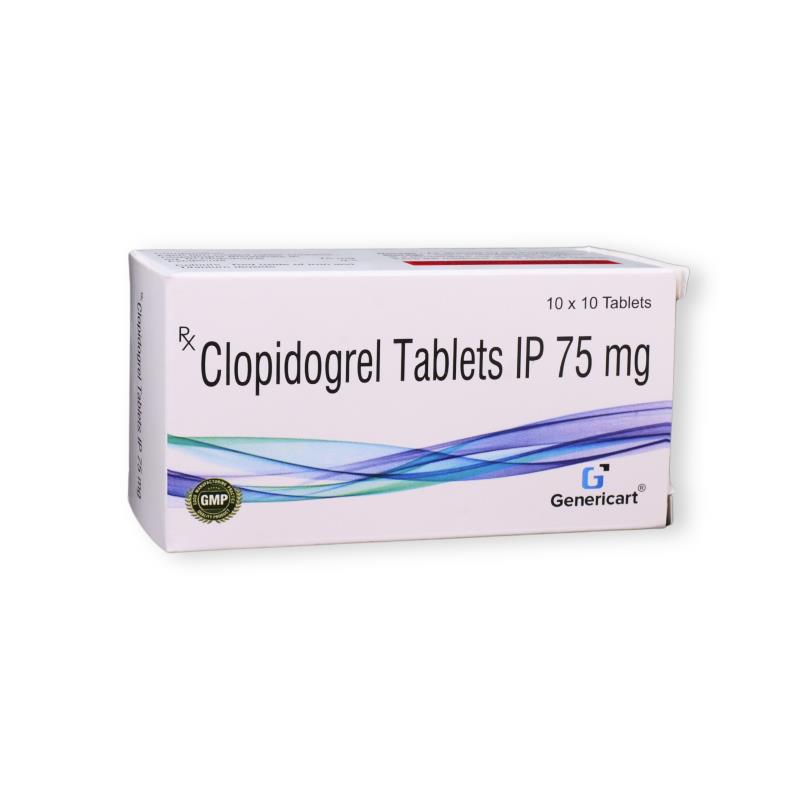
The question “what is the generic of Plavix” is more than a medical query; it is a gateway to better financial stewardship. Clopidogrel provides the same therapeutic benefits as its branded predecessor but at a fraction of the cost. By embracing the generic, consumers take control of their healthcare spending, freeing up capital for other financial goals like debt reduction, investing, or building an emergency fund.
In the modern world, being financially savvy means looking beyond the label. Whether it is a luxury brand of clothing or a name-brand medication, the “brand tax” is a real expense that can often be avoided. In the case of Plavix and clopidogrel, the choice is clear: the generic version offers the best ROI for your health and your wallet. By staying informed about generic alternatives and utilizing tax-advantaged tools, you can ensure that your financial future remains as healthy as your heart.
aViewFromTheCave is a participant in the Amazon Services LLC Associates Program, an affiliate advertising program designed to provide a means for sites to earn advertising fees by advertising and linking to Amazon.com. Amazon, the Amazon logo, AmazonSupply, and the AmazonSupply logo are trademarks of Amazon.com, Inc. or its affiliates. As an Amazon Associate we earn affiliate commissions from qualifying purchases.