
In the dynamic world of cinema, a film is more than just a sequence of images and sounds; it is a meticulously crafted brand, designed to capture attention, provoke thought, and leave a lasting impression on its audience. When we ask “what is the film Lucy about,” we are not merely seeking a plot summary, but rather an understanding of its core identity, its strategic market positioning, and the unique message it endeavors to convey as a branded entity in the global entertainment landscape. Luc Besson’s 2014 sci-fi action thriller, Lucy, starring Scarlett Johansson, emerged as a compelling example of a film that successfully established a distinctive brand identity, leveraging a potent concept and striking visual language to resonate with a broad, international audience. From its initial premise to its enduring cultural footprint, Lucy operates as a sophisticated brand, engineered to explore the limits of human potential while delivering high-octane entertainment.

Crafting the Core Identity: The Brand of “Lucy”
The brand identity of a film like Lucy is built upon several foundational pillars: its central concept, its genre hybridization, and its unique visual and narrative style. These elements coalesce to form a memorable and distinguishable entity in a crowded marketplace, much like any successful product or service.
The Myth as a Magnetic Hook: Leveraging the “10% Brain” Concept
At the heart of Lucy‘s brand identity lies its audacious premise: the widely popularized, yet scientifically debunked, myth that humans only use 10% of their brain capacity. This concept, while scientifically inaccurate, possesses immense narrative appeal and served as an incredibly potent marketing hook. The brand of Lucy masterfully capitalized on this accessible, almost wish-fulfillment fantasy of unlocking untapped potential. It offered audiences a thrilling “what if” scenario, transforming a common misconception into the cornerstone of a high-concept action-thriller. This intellectual curiosity, even if based on myth, immediately elevated the film beyond a standard action flick, giving it a veneer of philosophical intrigue and making it a topic of discussion long before its release. The “10% brain” became the film’s immediate, recognizable shorthand—a powerful, if flawed, tagline that instantly communicated the brand’s core promise of extraordinary human evolution.
Genre Blending as a Brand Differentiator: Sci-Fi, Action, and Existential Thriller
Lucy‘s brand strategy also distinguished itself through adept genre blending. While ostensibly an action film, it seamlessly integrated elements of science fiction, philosophical inquiry, and even a certain existential dread. This fusion allowed the brand to appeal to diverse segments of the audience: those seeking adrenaline-pumping sequences, those intrigued by speculative science, and those open to deeper questions about human existence and consciousness. This genre fluidity prevented the film from being pigeonholed, broadening its market appeal. The action sequences were visceral and impactful, but they were consistently framed within the larger narrative arc of Lucy’s intellectual and physical metamorphosis, giving them an underlying purpose that transcended mere spectacle. This blend communicated a brand promise of both thrilling escapism and thought-provoking substance, making Lucy a multi-faceted entertainment proposition.
Visual Aesthetics and Narrative Pacing: Establishing a Distinctive Cinematic Signature
Beyond its core concept and genre, Lucy forged a strong brand identity through its distinctive visual aesthetics and rapid-fire narrative pacing. Luc Besson, known for his stylish and kinetic filmmaking, imbues Lucy with a visual language that is both sleek and often surreal. From the initial gritty realism of Taipei’s underworld to the abstract, cosmic journey of Lucy’s ultimate transformation, the film’s visual style is a character in itself. The use of striking colors, dynamic camera work, and often juxtaposed nature documentary footage (a signature Besson touch) created a visually arresting experience. The narrative pacing, mirroring Lucy’s accelerating brain function, is relentless and propulsive, driving the story forward with an almost breathless urgency. This combination of distinctive visuals and energetic storytelling became a key part of the Lucy brand’s sensory appeal, promising an immersive and unforgettable cinematic journey that stood out from its contemporaries.
Marketing the Metamorphosis: Communicating “Lucy’s” Unique Selling Proposition
The success of any brand hinges on its ability to effectively communicate its unique selling proposition (USP) to its target audience. For Lucy, this involved a strategic marketing campaign that highlighted its central premise, showcased its star power, and teased the spectacular visual and narrative transformations at its core.
The Power of the Protagonist: Scarlett Johansson as the Face of Enhanced Humanity
A pivotal element in Lucy‘s marketing was the casting and prominence of Scarlett Johansson. At the time, Johansson was already a globally recognized star, particularly lauded for her role as Black Widow in the Marvel Cinematic Universe, where she had cultivated a strong personal brand as a capable and formidable action heroine. Positioning her as the protagonist of Lucy immediately lent the film credibility, star power, and a built-in audience. The marketing materials heavily featured Johansson, not just as a victim, but as an evolving, powerful figure, directly tapping into her established brand image. This strategic alignment between the actor’s personal brand and the film’s character arc was a masterstroke, signifying to audiences that Lucy would deliver high-quality action led by a compelling female lead, further enhancing the film’s USP.
Trailer Strategy: Teasing Transformation and Unrestricted Potential
The trailers for Lucy were masterclasses in distilling the film’s complex brand identity into compelling short-form content. They meticulously built anticipation by starting with Lucy’s vulnerability and rapidly escalating to her superhuman abilities. Key elements highlighted included the initial trauma, the exponential growth of her powers, the visual spectacle of her evolving abilities (telepathy, telekinesis, time manipulation), and the philosophical undertones. Crucially, the trailers focused on the transformation itself—the journey from ordinary to extraordinary—rather than revealing too much of the final destination. This created a sense of awe and curiosity, promising audiences a narrative spectacle unlike anything they had seen before, effectively communicating the brand’s promise of unlocking “unrestricted potential.” The trailers positioned Lucy as a mind-bending ride that was both action-packed and intellectually stimulating.
Global Reach and Cultural Resonance: Branding for a Diverse Audience
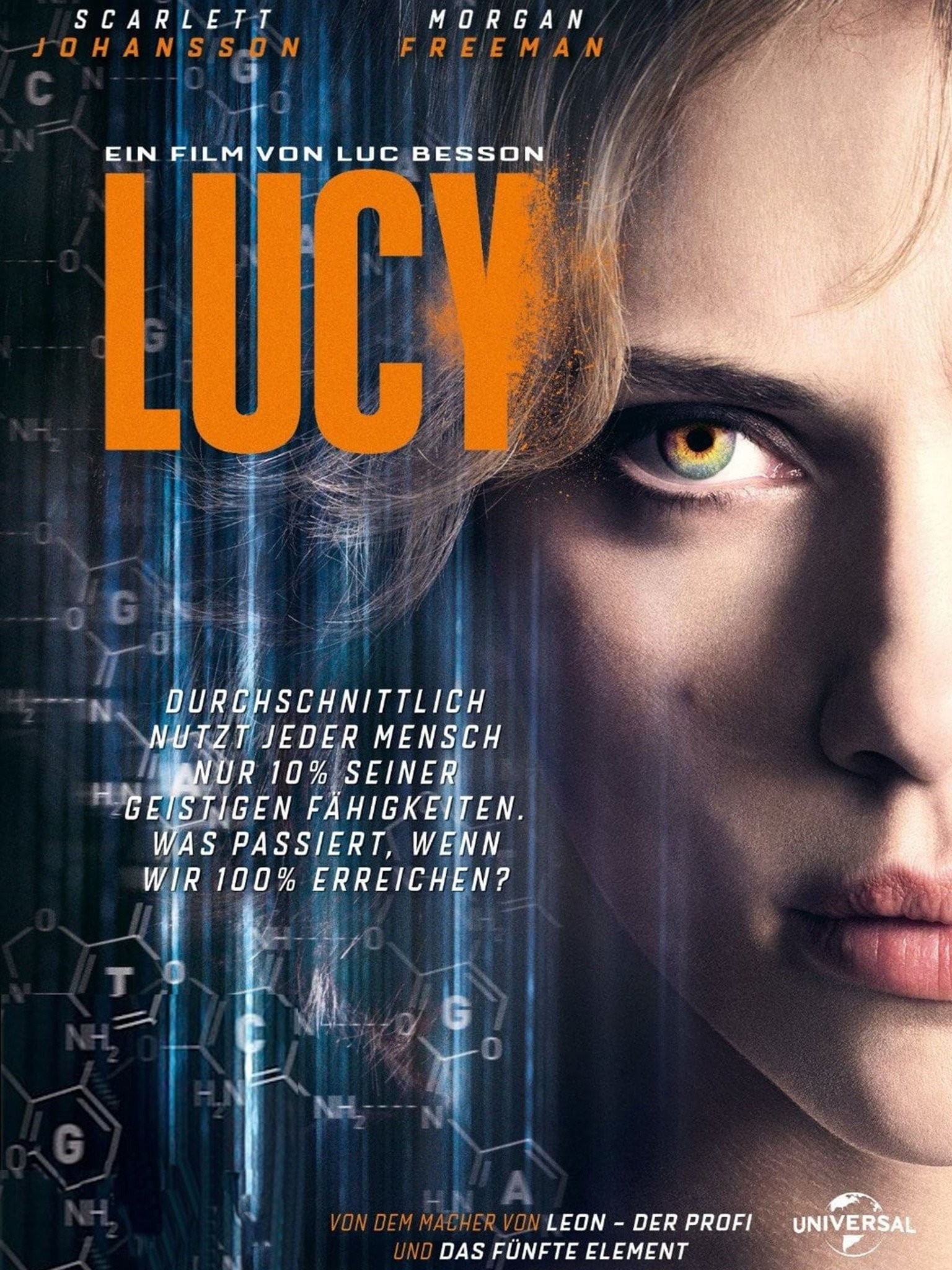
Lucy‘s brand messaging was also crafted for global appeal. The universal themes of human potential, evolution, and the nature of consciousness transcend cultural barriers. While rooted in Western action cinema tropes, the film’s high-concept sci-fi elements resonated worldwide. The marketing campaign employed a consistent visual and thematic language across different regions, ensuring that the core brand message—a woman gaining unimaginable powers—was clear and engaging regardless of local specificities. This global branding strategy contributed significantly to its impressive international box office performance, demonstrating a successful cross-cultural communication of its unique cinematic offering. The brand of Lucy effectively spoke to a global desire for stories of empowerment and profound change.
Audience Perception and Brand Engagement: Decoding “Lucy’s” Impact
The ultimate test of a brand’s strength lies in how it is perceived by its audience and how effectively it fosters engagement. Lucy, as a cinematic brand, elicited a wide range of responses, from fervent admiration to critical skepticism, all contributing to its complex and enduring impact.
The Intellectual Debate: Engaging Critics and Scientific Communities
Upon its release, Lucy immediately sparked a significant intellectual debate, particularly concerning its scientific premise. While the “10% brain” myth provided an excellent narrative hook, it also drew criticism from scientific communities and film critics who focused on factual accuracy. This debate, however, paradoxically served to strengthen the Lucy brand by keeping it in the public conversation. Whether lauded for its bold ideas or critiqued for its scientific inaccuracies, the film became a talking point, generating free publicity and reinforcing its image as a film that dared to tackle big questions, even if controversially. This engagement, both positive and negative, solidified Lucy‘s brand as provocative and thought-provoking, extending its reach beyond mere entertainment.
Fan Reception and Cult Following: Building Brand Loyalty
Despite or perhaps because of the scientific controversies, Lucy cultivated a dedicated fan base. Audiences who embraced the film often celebrated its innovative action sequences, Scarlett Johansson’s compelling performance, and its willingness to delve into abstract philosophical concepts. For these fans, the film offered a unique blend of visceral excitement and cerebral wonder, creating a powerful emotional connection. This positive fan reception fostered a degree of brand loyalty, with viewers often defending its artistic merits and appreciating its audacious vision. The brand of Lucy resonated deeply with those open to its speculative nature, establishing a niche but passionate following.
Thematic Depth vs. Spectacle: Navigating Brand Expectations
Lucy walked a tightrope between delivering thrilling spectacle and exploring profound thematic depth. Some audiences expected a straightforward action film, while others sought a deeper philosophical journey. The film’s brand navigated these expectations by offering both. The first two acts were packed with intense action, fulfilling genre expectations, while the final act veered into highly abstract, almost psychedelic territory, appealing to those seeking a more profound intellectual experience. This balance, while challenging, allowed the Lucy brand to cater to a broader spectrum of tastes, albeit sometimes leading to polarized reactions regarding its ultimate conclusion. It underscored the brand’s commitment to being more than just superficial entertainment.
Beyond the Box Office: “Lucy” as a Long-Term Brand Asset
A truly powerful brand extends its influence beyond immediate commercial success, embedding itself in cultural memory and influencing future creations. Lucy‘s journey as a brand did not end with its theatrical run; it continues to shape perceptions and conversations within the cinematic landscape.
Luc Besson’s Visionary Brand: Consistency in High-Concept Storytelling
Lucy stands as a testament to Luc Besson’s personal brand as a visionary filmmaker adept at crafting stylish, high-concept narratives with strong female protagonists. The film reinforced his reputation for pushing cinematic boundaries and delivering unique, action-driven stories. His distinctive directorial style, blending European arthouse sensibilities with Hollywood blockbuster appeal, is a hallmark of his brand, and Lucy perfectly embodies this. It showcased Besson’s consistent ability to transform ambitious ideas into visually arresting and commercially successful films, further solidifying his brand as an auteur unafraid of grand narratives.
Scarlett Johansson’s Evolving Brand Portfolio: The Action Heroine Archetype
For Scarlett Johansson, Lucy further cemented her status as a leading action heroine capable of carrying a major blockbuster. It expanded her personal brand beyond established franchises, demonstrating her versatility and drawing power. The role allowed her to explore a character undergoing profound internal and external changes, adding layers to her screen persona. Lucy became another critical piece in her brand portfolio, showcasing her range and continuing to define her as an actress who can embody intelligent, powerful, and transformative female characters, reinforcing her strong appeal to diverse audiences.

Legacy and Influence: How “Lucy” Continues to Shape Cinematic Conversations
Even years after its release, Lucy continues to be a point of reference in discussions about sci-fi, action, and films that attempt to explore consciousness and human potential. Its bold visual style, its controversial premise, and its ambitious conclusion ensure its place in cinematic discourse. The Lucy brand, therefore, endures not just as a standalone film, but as a cultural touchstone that challenged conventions and prompted audiences to consider the “what ifs” of human evolution. Its legacy lies in its willingness to be different, to provoke, and to entertain on multiple levels, solidifying its identity as a truly impactful and memorable cinematic brand.
In conclusion, “what is the film Lucy about” goes far beyond its plot. It is about a cinematic brand built on an intriguing (albeit mythical) concept, propelled by a star-studded cast and distinctive direction, and strategically marketed to resonate with a global audience. It’s about a film that dared to blend genres, provoke intellectual debate, and ultimately leave an indelible mark as a compelling and unique offering in the vast universe of storytelling.
aViewFromTheCave is a participant in the Amazon Services LLC Associates Program, an affiliate advertising program designed to provide a means for sites to earn advertising fees by advertising and linking to Amazon.com. Amazon, the Amazon logo, AmazonSupply, and the AmazonSupply logo are trademarks of Amazon.com, Inc. or its affiliates. As an Amazon Associate we earn affiliate commissions from qualifying purchases.