
In the annals of hip-hop, rivalries are as old as the genre itself, often fueling creativity, pushing boundaries, and captivating audiences. Yet, the recent, highly publicised feud between Kendrick Lamar and Drake transcends a mere lyrical battle; it stands as a pivotal case study in personal branding, brand strategy, and corporate identity within the entertainment industry. For two artists who have meticulously cultivated some of the most powerful and enduring personal brands in contemporary music, this conflict is not just about diss tracks and lyrical jabs; it’s a high-stakes confrontation that tests their brand equity, challenges their carefully constructed narratives, and potentially redefines their legacies.
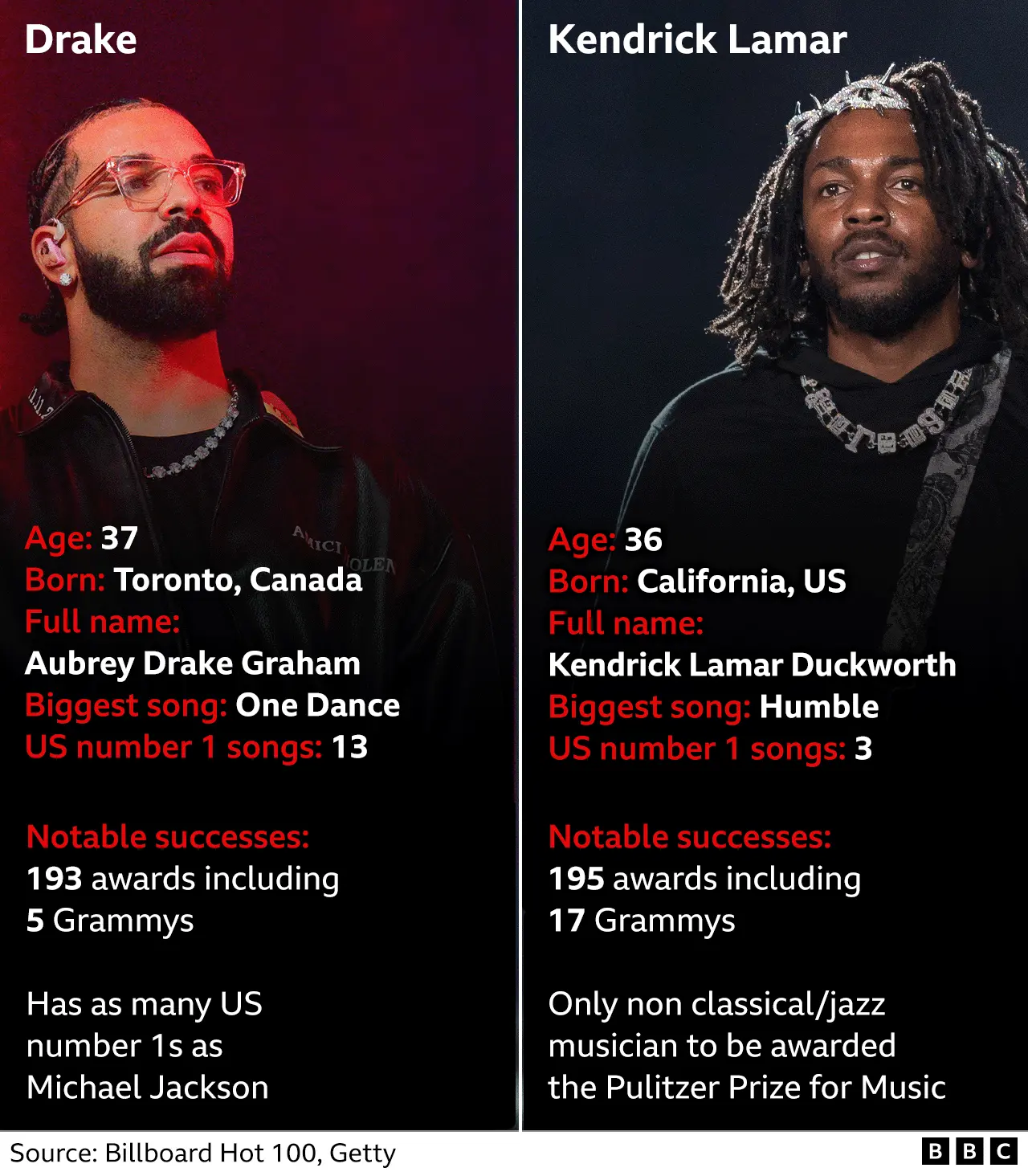
This article dissects the Kendrick-Drake conflict through the lens of branding, exploring how such a public dispute impacts reputation, audience perception, and the strategic positioning of two global music icons. It examines the tactics employed, the narratives woven, and the long-term implications for artists whose very identities are their most valuable assets. Far from being a simple quarrel, this feud offers profound insights into the delicate art of managing a personal brand under intense scrutiny, where every statement, every silence, and every artistic choice is scrutinized for its strategic intent and brand ramifications.
The Anatomy of a Celebrity Brand Feud
At its core, a celebrity feud, particularly one involving figures of Kendrick Lamar and Drake’s stature, is a confrontation between two immensely powerful personal brands. These brands are not just names and faces; they represent distinct artistic philosophies, cultural influences, and commercial empires built on years of strategic cultivation. When these collide, the reverberations extend far beyond the music charts, touching upon fan loyalty, industry perception, and financial valuations.
Brand Equity at Stake: Reputation, Legacy, and Public Trust
For artists like Kendrick and Drake, their brand equity is a complex amalgam of their artistic output, public persona, philanthropic efforts, business ventures, and personal narratives. It encompasses their reputation for authenticity, their perceived moral compass, their creative integrity, and their ability to connect with diverse audiences. In a feud of this magnitude, all these components are placed under immense pressure. Accusations, counter-accusations, and revelations, whether true or perceived, directly challenge the foundational pillars of each brand.
Kendrick Lamar, often lauded for his lyrical profundity, social commentary, and perceived authenticity, has built a brand rooted in artistic integrity and a commitment to storytelling that transcends commercialism. His brand equity is heavily invested in his image as a thoughtful, uncompromising artist. Conversely, Drake has cultivated a brand synonymous with global dominance, commercial success, relatability (despite his stratospheric fame), and a certain aspirational lifestyle. His brand is about ubiquitous presence, hit-making prowess, and cultural influence across various entertainment spheres.
When a feud erupts, each artist’s team and the artists themselves are engaged in a form of strategic brand defense and offense. The goal is not merely to “win” the lyrical battle but to protect and, ideally, enhance their brand’s standing. Allegations of ghostwriting, infidelity, or illicit activities, even if unproven, introduce an element of doubt that can erode public trust – a cornerstone of any strong brand. The long-term impact on legacy is perhaps the most significant concern. History remembers iconic feuds, and how each artist navigated this conflict will undoubtedly shape how they are viewed by future generations and integrated into the broader narrative of their respective careers.
The Arena of Public Opinion: Social Media as a Battleground
In the digital age, the battleground for brand perception in a celebrity feud is undeniably social media. Platforms like X (formerly Twitter), Instagram, and TikTok become immediate echo chambers and dissemination hubs for every development. Fanbases, media outlets, and casual observers scrutinize every tweet, every deleted post, every subtle shade thrown. This instant, unfiltered environment amplifies both the impact of strategic moves and the potential for missteps.
For brand managers and public relations teams, navigating this landscape is a monumental challenge. The speed at which narratives form and shift demands constant vigilance and agile responses. A well-placed screenshot, a viral meme, or a trending hashtag can dramatically swing public sentiment. The artists themselves become direct participants in this digital warfare, often using their platforms to hint, respond, or amplify their own narratives. This direct engagement, while sometimes authentic, also blurs the lines between personal expression and calculated brand messaging.
Furthermore, social media allows for “citizen journalism,” where fans and detractors alike dissect lyrics, unearth old interviews, and connect dots, often creating secondary narratives that can either bolster or undermine the primary brand messaging. The sheer volume of content and commentary means that control over the narrative is incredibly difficult to maintain, making crisis management during such a feud a masterclass in real-time brand strategy.
Strategic Brand Positioning and Counter-Positioning
Every artistic endeavor, particularly at the zenith of a career, can be viewed as a brand statement. In a feud, these statements become highly aggressive and targeted, aimed at either reinforcing one’s own brand identity or dismantling that of an opponent. The Kendrick-Drake conflict is a potent demonstration of how artists leverage their established personas and creative output for strategic positioning and counter-positioning.
Kendrick’s “Authenticity” Brand vs. Drake’s “Global Mogul” Brand
Kendrick Lamar has meticulously crafted a brand synonymous with raw authenticity, lyrical prowess, and a deep connection to his roots and community. His music often explores complex social themes, personal struggles, and moral introspection, positioning him as a voice of the people, an artist driven by purpose over profit. In this feud, his brand strategy involves doubling down on this authenticity, often portraying himself as the underdog or the purist challenging a commercial behemoth. His diss tracks frequently critique Drake’s perceived lack of lyrical depth, his reliance on trends, and his alleged inauthenticity, directly attacking the core vulnerabilities of Drake’s brand from Kendrick’s own established vantage point.
Drake, on the other hand, embodies the brand of the “global mogul.” His persona is one of undeniable commercial success, cultural omnipresence, and a certain luxurious, aspirational lifestyle. He is the hitmaker, the trendsetter, the artist who effortlessly bridges genres and dominates charts. His brand often projects an image of invincibility and untouchable status. In the feud, Drake’s brand strategy often involves leveraging his massive influence, painting Kendrick as envious, obsessed, or past his prime. His responses frequently highlight his own achievements and longevity, attempting to diminish Kendrick’s impact by comparison and reassert his own position at the top of the cultural hierarchy. The feud, for Drake, is an opportunity to prove his continued dominance and unwavering market leadership.
Weaponizing Narrative: Diss Tracks as Brand Statements

Diss tracks are not merely songs; they are highly potent brand statements. They serve multiple functions: they communicate an artist’s perspective, they directly challenge an opponent’s brand, and they rally the existing fanbase while potentially swaying neutrals. The lyrical content, beat selection, and accompanying visuals (even if imagined) all contribute to a comprehensive brand message.
In this feud, both artists meticulously craft narratives within their diss tracks. Kendrick might utilize introspective, multi-layered lyrics to reinforce his intellectual and artistic brand, employing intricate metaphors and literary devices to demonstrate his superior craft. He might also use personal anecdotes or perceived truths about Drake to chip away at Drake’s polished image, aiming to expose perceived hypocrisy or moral failings. This is brand demolition through narrative deconstruction.
Drake, conversely, might use direct, impactful lines that are easily digestible and shareable, designed to go viral. His narratives might focus on his perceived victimhood, his opponent’s personal issues, or simply boast about his own achievements, aiming to reinforce his “winner” brand. The goal is to control the narrative, frame the opponent in a negative light, and elevate one’s own brand through a display of lyrical and psychological dominance. The success of a diss track, from a branding perspective, is measured not just by its musical quality but by its ability to shift public perception, create lasting talking points, and ultimately, strengthen the artist’s brand while weakening their rival’s.
Crisis Management and Brand Damage Control
In a high-profile feud, the potential for brand damage is significant and omnipresent. Every move, every word, and every silence can be interpreted, scrutinized, and weaponized. Therefore, effective crisis management and brand damage control become paramount, often involving a delicate dance between maintaining authenticity and protecting corporate interests.
The Role of Fan Bases as Brand Advocates and Detractors
Fan bases are not passive consumers; they are active participants in brand narratives, especially during a feud. They act as both powerful brand advocates and formidable detractors. Loyal fans become vocal defenders, disseminating positive messaging, creating memes that support their chosen artist, and actively countering negative narratives. Their passionate engagement can amplify an artist’s message and create an impenetrable shield of support. This organic advocacy is invaluable and often more persuasive than traditional marketing.
However, fan bases can also be a double-edged sword. Overzealous fans might cross lines, engage in toxic behavior, or spread misinformation, inadvertently damaging the very brand they seek to protect. Similarly, segments of a fanbase might feel alienated or disappointed by an artist’s actions during a feud, leading to erosion of loyalty. The strategic management of fan communities – encouraging positive engagement while discouraging harmful behavior – is a subtle but critical aspect of brand management during such a period. The artists themselves, or their teams, often engage indirectly with fan-generated content, reposting, liking, or commenting, thereby signaling approval and further fueling the narrative wars.
Endorsement Implications and Corporate Partnerships
Beyond the immediate musical and reputational impact, a celebrity feud of this magnitude carries significant implications for corporate partnerships and endorsements. Major artists like Kendrick and Drake often have lucrative deals with global brands, ranging from fashion houses to tech companies. These brands invest heavily in an artist’s image and reach, expecting a positive, controversy-free association.
When a feud erupts, especially one involving personal attacks or controversial allegations, these corporate partners become incredibly sensitive. Brands are inherently risk-averse and meticulously protect their own reputations. A prolonged or particularly acrimonious feud can trigger “morality clauses” in contracts, leading to the suspension or termination of endorsement deals. The financial ramifications can be substantial.
Therefore, artists and their management teams must carefully weigh the artistic and personal desire to engage in a feud against the potential loss of lucrative corporate backing. The balance between maintaining artistic integrity and protecting commercial interests becomes a central challenge. Strategic communication with partners, reassurance, and careful messaging are crucial to mitigate potential financial fallout. The ideal scenario is for the artist to emerge from the feud not only artistically stronger but also with their brand intact or even enhanced, proving that they can navigate controversy without alienating their corporate stakeholders.
The Long-Term Impact on Brand Legacy
While the immediate impact of a feud can be intense and fleeting, its true measure is in its long-term effects on an artist’s brand legacy. How this conflict is remembered and integrated into the broader narrative of Kendrick and Drake’s careers will shape their historical standing in music and popular culture.
Redefining Artistic Identity through Conflict
Conflict, though often destructive, can also be a catalyst for reinvention and the redefinition of artistic identity. For Kendrick Lamar, engaging in this feud, particularly with such aggressive and direct lyrical content, may solidify his image as an uncompromising titan of hip-hop who is willing to confront even the genre’s biggest stars. It might reinforce his brand as an artist who prioritizes truth and lyrical combat above all else, potentially deepening his connection with fans who value raw, unfiltered artistry. This conflict could serve as a brutal yet effective way to reaffirm his unique position and artistic philosophy within the industry.
For Drake, the feud might serve to underline his resilience, his ability to withstand attacks from even the most formidable opponents, and his continued dominance despite challenges. It could redefine his brand as not just a hitmaker but also a seasoned veteran capable of defending his throne. The public’s perception of his emotional intelligence and strategic acumen during the feud will play a significant role in how his brand evolves. For both artists, this period of intense scrutiny and creative output could lead to a maturation or shift in their artistic direction, impacting future projects and collaborations.

Setting Precedents for Future Artist Brand Disputes
The Kendrick-Drake feud is not just an isolated incident; it sets a precedent for how future artist brand disputes will be perceived and managed. The scale, public visibility, and strategic complexity of this conflict will likely be studied by budding artists, record labels, and brand strategists for years to come. It highlights the increasingly intertwined nature of artistic expression, personal branding, and commercial viability in the digital age.
The strategies employed, the responses from fans and media, and the eventual outcomes (both reputational and financial) will provide invaluable lessons. It will influence how artists choose to engage in conflict, the level of transparency they adopt, and the extent to which they allow personal animosity to bleed into their public personas. Ultimately, this feud serves as a powerful reminder that in the world of celebrity, a personal brand is a fragile yet potent entity, capable of both immense creation and devastating self-destruction. Its management requires not just artistic talent, but an acute understanding of strategy, communication, and the ever-shifting landscape of public perception.
aViewFromTheCave is a participant in the Amazon Services LLC Associates Program, an affiliate advertising program designed to provide a means for sites to earn advertising fees by advertising and linking to Amazon.com. Amazon, the Amazon logo, AmazonSupply, and the AmazonSupply logo are trademarks of Amazon.com, Inc. or its affiliates. As an Amazon Associate we earn affiliate commissions from qualifying purchases.