
Breathing. It’s an involuntary, life-sustaining reflex. We do it thousands of times a day without conscious thought. But what if the way we’ve been breathing – the default, unconscious rhythm our bodies have adopted – isn’t the most efficient, or even the healthiest? In a world increasingly focused on optimizing every aspect of our lives, from our tech gadgets to our personal brands and financial portfolios, it’s time to turn our attention to the most fundamental of all: our breath. This isn’t just about staying alive; it’s about unlocking a powerful tool for better health, enhanced cognitive function, and even improved emotional regulation.
The seemingly simple act of breathing is a complex physiological process with profound implications for our overall well-being. While we often associate breathing with survival, the quality of our breath – its depth, rhythm, and efficiency – can significantly impact everything from our stress levels and energy throughout the day to our long-term physical health. In an era where we meticulously curate our digital lives and optimize our investments, overlooking the fundamental mechanics of our own bodies is a missed opportunity. Let’s delve into what constitutes the “correct” way to breathe, exploring the science behind it and how you can harness its power, drawing parallels with the principles of tech optimization, brand building, and financial prudence.
The Foundation: Understanding Diaphragmatic Breathing
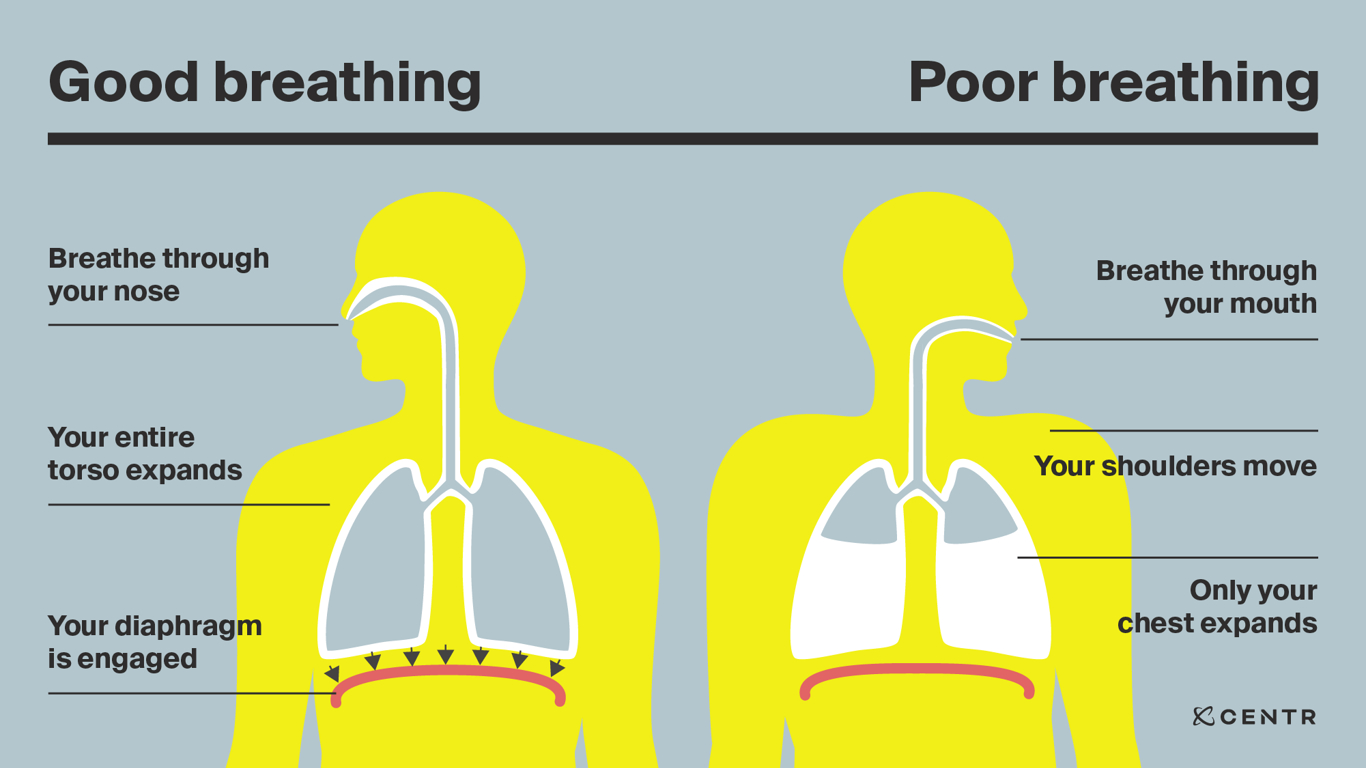
The most widely accepted and biologically optimal way to breathe is through diaphragmatic breathing, often referred to as “belly breathing.” This stands in stark contrast to the shallow, chest-dominated breathing that has become increasingly common in modern life, particularly for those who spend long hours hunched over desks or experiencing chronic stress.
Why Diaphragmatic Breathing Matters
Your diaphragm is a large, dome-shaped muscle located at the base of your chest cavity, separating your lungs from your abdominal organs. When you inhale diaphragmatically, this muscle contracts and flattens, drawing air deep into the lower lobes of your lungs. This expansion also pushes your abdominal contents outward, causing your belly to rise. On exhalation, the diaphragm relaxes, returning to its dome shape and passively pushing air out of your lungs.
The benefits of this deeper, more expansive breathing are numerous and far-reaching:
- Increased Oxygen Intake: Diaphragmatic breathing allows for a greater volume of air to enter your lungs, meaning more oxygen is delivered to your bloodstream. This oxygen fuels every cell in your body, from your brain to your muscles, leading to increased energy and improved cellular function.
- Enhanced Carbon Dioxide Removal: Deeper breaths also facilitate more efficient expulsion of carbon dioxide, a waste product of metabolism. An imbalance in oxygen and carbon dioxide can lead to feelings of fatigue and discomfort.
- Activation of the Parasympathetic Nervous System: This is where the magic truly begins. Diaphragmatic breathing directly stimulates the vagus nerve, a key component of your parasympathetic nervous system. This system is responsible for your body’s “rest and digest” response, counteracting the “fight or flight” activation of the sympathetic nervous system. When you breathe deeply and slowly, you signal to your brain that you are safe and can relax, leading to a reduction in heart rate, blood pressure, and stress hormones like cortisol.
- Improved Core Stability: The diaphragm is intrinsically linked to your core muscles. Proper diaphragmatic breathing strengthens your core, which can improve posture, reduce lower back pain, and enhance athletic performance.
- Better Digestion: The gentle massage of your abdominal organs during deep inhales can aid digestion and improve nutrient absorption.
The Pitfalls of Chest Breathing
In contrast, chest breathing (or shallow breathing) relies primarily on the intercostal muscles in your rib cage to expand your chest. This type of breathing is often a subconscious response to stress, anxiety, or physical exertion. While it can provide a quick burst of oxygen in emergency situations, habitual chest breathing leads to:
- Reduced Oxygenation: Less air reaches the lower lungs, resulting in poorer oxygen uptake.
- Increased Muscle Tension: The smaller muscles of the neck and shoulders become overused, leading to tension, headaches, and discomfort.
- Heightened Stress Response: Instead of calming the nervous system, shallow breathing can perpetuate a state of anxiety by keeping the sympathetic nervous system on high alert.
- Fatigue: Paradoxically, less efficient breathing can leave you feeling more tired.
Optimizing Your Breath: A Performance Enhancement Strategy
Think of breathing optimization as a fundamental performance enhancement strategy, akin to choosing the right software for productivity or refining your personal brand for impact. Just as technology offers tools to streamline tasks and improve efficiency, understanding and practicing correct breathing techniques can unlock your body’s inherent potential.
Breathing as a “Bio-Hack”
In the world of tech and productivity, we constantly seek “hacks” to maximize our output and minimize wasted effort. Diaphragmatic breathing is perhaps the most profound and accessible bio-hack available to us. By consciously shifting from shallow, inefficient breathing to deep, diaphragmatic patterns, you can directly influence your physiological state.
- Cognitive Boost: Improved oxygenation to the brain can enhance focus, clarity, and cognitive function. Studies suggest that mindful breathing exercises can improve attention span and reduce errors.
- Emotional Regulation: The ability to consciously slow down your breath and engage your parasympathetic nervous system provides a powerful tool for managing stress, anxiety, and even anger. When you feel overwhelmed, a few deep, intentional breaths can be more effective than any app designed to calm you down.
- Energy Management: Instead of relying on caffeine or sugar for a quick fix, efficient breathing ensures your body has a consistent supply of oxygen, leading to sustained energy levels throughout the day. This is about building an internal energy system, not just patching holes.
Analogy to Brand Building

Consider the analogy of a strong brand identity. A well-defined brand has a clear message, consistent visuals, and a resonant voice. Similarly, your breath has a “signature” – the pattern it takes. A stressed, shallow breath signals a brand of anxiety and overwhelm. A calm, deep breath projects a brand of confidence, control, and well-being.
- Authenticity: Just as an authentic brand resonates with its audience, authentic breathing patterns are rooted in our biological design. Reconnecting with diaphragmatic breathing is about aligning with your body’s natural blueprint.
- Consistency: Building a strong brand requires consistent messaging. Similarly, cultivating healthy breathing habits requires consistent practice. It’s not a one-time fix but an ongoing commitment.
- Impact: A powerful brand leaves a lasting impression. The impact of optimized breathing extends beyond immediate physical sensations to influence your mood, focus, and overall resilience.
Mastering the Technique: Practical Steps and Considerations
Learning to breathe correctly isn’t about complex rituals or expensive gadgets; it’s about mindful awareness and consistent practice.
The Simple Guide to Diaphragmatic Breathing
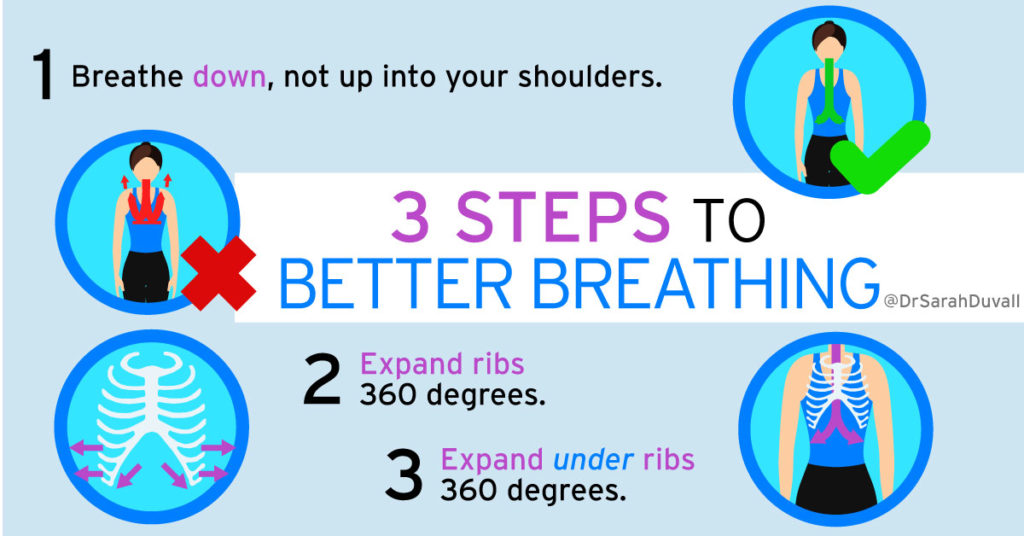
- Find a Comfortable Position: Sit or lie down in a relaxed posture. You can place one hand on your chest and the other on your belly to feel the movement.
- Inhale Through Your Nose: Gently inhale through your nostrils, allowing your belly to expand outwards. Your hand on your belly should rise significantly, while the hand on your chest should move minimally. Imagine filling your lungs from the bottom up, like a balloon inflating.
- Exhale Slowly Through Your Mouth (or Nose): Gently exhale, allowing your belly to fall inwards. You can exhale through your mouth with slightly pursed lips, or continue to exhale through your nose. Aim for a longer exhale than your inhale.
- Focus on the Rhythm: Pay attention to the smooth, continuous flow of air. Don’t force the breath; let it be natural and relaxed.
- Practice Regularly: Aim for short, frequent practice sessions throughout the day. Even 5 minutes here and there can make a difference. Try practicing before stressful events, during breaks, or before sleep.
Beyond the Basics: Advanced Techniques and Applications
Once you’ve mastered the fundamentals of diaphragmatic breathing, you can explore its applications in various contexts:
Integrating Breathing into Your Daily Tech Workflow
- Mindful Pauses: Set reminders to take 60-second breathing breaks every hour. Close your eyes, focus on your breath, and return to your task with renewed clarity. This is like a system reboot for your brain.
- Pre-Meeting Calm: Before a crucial presentation or an important call, take a few minutes to practice diaphragmatic breathing to center yourself and reduce performance anxiety.
- Post-Screen Relaxation: After extended periods of screen time, which can often lead to shallow breathing and eye strain, dedicate a few moments to conscious breathing to reset your nervous system.
Breathing for Financial Well-being
This might seem like a stretch, but the mental clarity and stress reduction that comes with optimized breathing can indirectly impact your financial decision-making.
- Informed Decisions: When you’re calm and focused, you’re less likely to make impulsive financial decisions driven by fear or panic. This allows for more rational analysis of investments and spending habits.
- Reduced Stress-Related Spending: Financial stress is a major contributor to emotional spending. By managing stress through breathing, you can break this cycle and foster healthier financial habits.
- Long-Term Planning: A clear mind, aided by effective breathing, is better equipped for strategic, long-term financial planning.
Personal Branding Through Breath
Your ability to remain calm and collected in challenging situations is a powerful aspect of your personal brand.
- Composure Under Pressure: In high-stakes situations, your breath is your anchor. Practicing conscious breathing allows you to project an image of control and resilience, which is invaluable in any professional setting.
- Active Listening: When you’re breathing deeply and mindfully, you’re more present and attentive in conversations, which enhances your interpersonal brand and builds trust.
Conclusion: The Breath as Your Ultimate Tool
In a world saturated with information and tools designed to enhance our lives, the most powerful and accessible tool for well-being lies within us. What is the correct way to breathe? It’s the conscious, diaphragmatic, and rhythmic way that supports our physical, mental, and emotional health. By understanding and practicing this fundamental aspect of our being, we can unlock a cascade of benefits, from improved cognitive function and stress management to enhanced energy and a more resilient self.
Just as we invest time in learning new technologies, honing our personal brands, and managing our finances, we must also invest in understanding and optimizing our breath. It’s not just about survival; it’s about thriving. Make conscious breathing a cornerstone of your daily life, and discover the profound positive impact it can have on every facet of your existence. It’s time to breathe not just to live, but to live better.
aViewFromTheCave is a participant in the Amazon Services LLC Associates Program, an affiliate advertising program designed to provide a means for sites to earn advertising fees by advertising and linking to Amazon.com. Amazon, the Amazon logo, AmazonSupply, and the AmazonSupply logo are trademarks of Amazon.com, Inc. or its affiliates. As an Amazon Associate we earn affiliate commissions from qualifying purchases.