
Osteoporosis. The word itself conjures images of fragility, of bones that have lost their density and become prone to breaking. While often associated with aging, osteoporosis is a complex condition with far-reaching implications, touching upon personal health, financial planning, and even the technological tools that help us understand and manage our well-being. In today’s digitally driven world, our approach to health, like so many other aspects of our lives, is being reshaped by technology, data, and strategic understanding. This article delves into the essence of osteoporosis, exploring its nature, its impact, and how we can leverage the insights and tools available to us to maintain strong, healthy bones throughout our lives.

Understanding the Foundation: What Exactly is Osteoporosis?
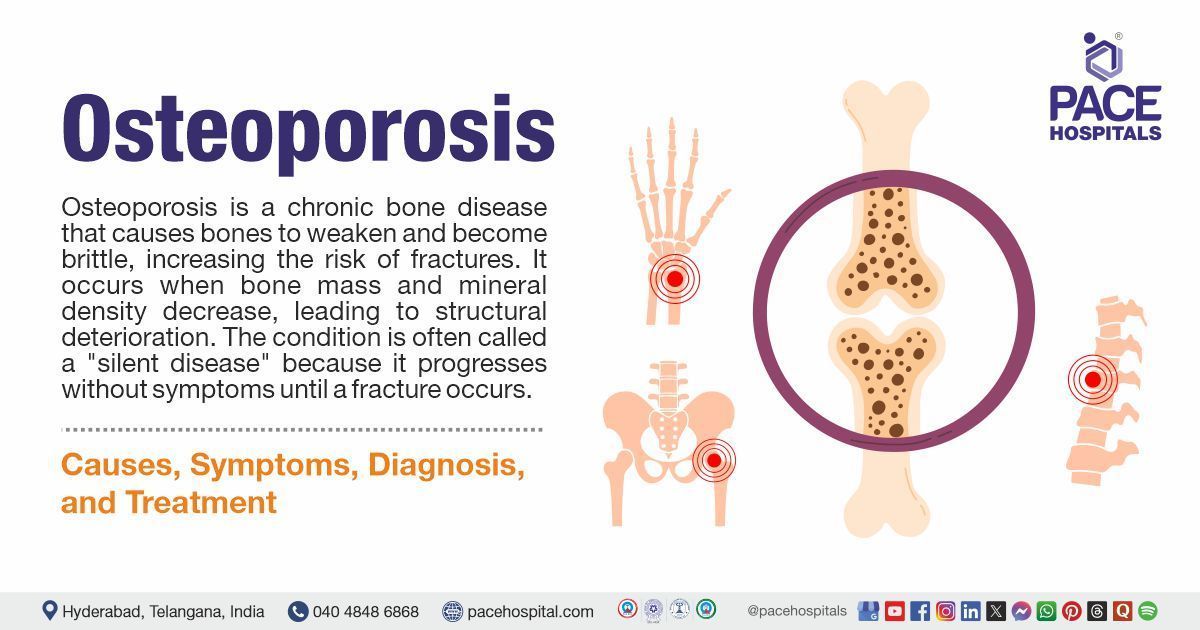
At its core, osteoporosis is a systemic skeletal disease characterized by low bone mass and microarchitectural deterioration of bone tissue, leading to enhanced bone fragility and an increased susceptibility to fracture. Think of your bones not as static, inert structures, but as dynamic, living tissues that are constantly undergoing a process of remodeling. This remodeling involves two key types of cells: osteoblasts, which build new bone tissue, and osteoclasts, which resorb (break down) old bone tissue. In a healthy individual, these processes are in balance, ensuring that bone is continuously replaced and strengthened.
However, in osteoporosis, this delicate balance is disrupted. Either the body doesn’t produce enough new bone, or it resorbs too much old bone, or a combination of both. The result is bones that become thinner, weaker, and more porous – hence the name “osteoporosis,” derived from Greek words meaning “porous bone.”
This loss of bone density doesn’t typically cause pain or noticeable symptoms in its early stages. It’s often referred to as a “silent disease” because individuals may not realize they have it until they experience a fracture. These fractures, or broken bones, are the hallmark of osteoporosis and can occur from seemingly minor falls, or even from everyday activities like bending over, lifting a light object, or coughing. The most common sites for osteoporotic fractures are the hip, spine, and wrist, but they can occur in almost any bone of the body.
The consequences of osteoporotic fractures can be profound. Hip fractures, in particular, are associated with significant morbidity and mortality, often leading to loss of independence, chronic pain, and a reduced quality of life. Spinal fractures, though less immediately life-threatening, can result in height loss, severe back pain, and a stooped posture (kyphosis), which can further impact mobility and breathing.
The Pillars of Bone Health: Factors Influencing Osteoporosis
Understanding osteoporosis requires us to look at the various factors that contribute to bone health and the development of the disease. These factors can be broadly categorized, offering a framework for both understanding individual risk and developing preventive strategies.
Age and Gender: The Inevitable March of Time
As we age, bone remodeling naturally slows down. The rate at which we build new bone diminishes, and the rate of resorption may increase. This is a normal physiological process, but it predisposes older adults to a greater risk of developing osteoporosis.
Gender plays a significant role as well. Women are far more likely to develop osteoporosis than men. This is largely due to hormonal changes, particularly the decline in estrogen levels after menopause. Estrogen plays a crucial role in maintaining bone density by inhibiting bone resorption. When estrogen levels drop sharply during menopause, bone loss accelerates. While men also experience a decline in testosterone with age, which can affect bone health, the rate of bone loss is generally slower and begins at a later age compared to women.
Genetics and Family History: The Blueprint of Our Bones
Our genetic makeup significantly influences our bone density and the potential for developing osteoporosis. If you have a close relative, such as a parent or sibling, who has had osteoporosis or a hip fracture, your risk of developing the condition is increased. This genetic predisposition can affect bone mineral density, bone size, and the efficiency of bone remodeling. While we cannot change our genes, understanding our family history is a crucial step in assessing our individual risk profile.
Lifestyle Choices: Building Strength from Within
Beyond the inherent biological factors, our lifestyle choices have a profound impact on our bone health. These are areas where we have considerable agency and can make positive changes to mitigate our risk.
- Nutrition: Adequate intake of calcium and vitamin D is paramount for building and maintaining strong bones. Calcium is the primary mineral component of bone, providing its strength and structure. Vitamin D is essential for the body to absorb calcium from the digestive tract. Deficiencies in either nutrient can compromise bone health. Conversely, a diet rich in fruits, vegetables, and lean proteins provides the necessary building blocks and cofactors for bone metabolism.
- Physical Activity: Weight-bearing and resistance exercises are vital for stimulating bone formation. When we engage in activities that put stress on our bones, our bodies respond by building denser, stronger bone tissue. Examples include walking, running, dancing, and strength training with weights.
- Smoking and Excessive Alcohol Consumption: Both smoking and excessive alcohol intake are detrimental to bone health. Smoking has been linked to reduced bone density and increased fracture risk, possibly by impairing calcium absorption and bone formation. Excessive alcohol consumption can interfere with calcium and vitamin D metabolism and increase the risk of falls, which are a major cause of fractures in individuals with osteoporosis.
Medical Conditions and Medications: Unseen Influences
Certain medical conditions can also contribute to osteoporosis or increase the risk of fractures. These include:
- Hormonal Disorders: Conditions like hyperthyroidism, hyperparathyroidism, and Cushing’s syndrome can negatively impact bone density.
- Gastrointestinal Disorders: Malabsorption syndromes, such as celiac disease and inflammatory bowel disease, can hinder the absorption of calcium and vitamin D.
- Rheumatoid Arthritis and Other Inflammatory Conditions: Chronic inflammation associated with these conditions can accelerate bone loss.
- Certain Medications: Long-term use of corticosteroid medications (e.g., prednisone) is a well-known risk factor for osteoporosis. Other medications, including some anti-seizure drugs, certain cancer treatments, and proton pump inhibitors, can also affect bone health.
Navigating the Landscape: Diagnosis and Management in the Digital Era
The journey from suspecting osteoporosis to effectively managing it is increasingly being shaped by technological advancements and data-driven insights. Diagnosing and managing this condition now involves a more sophisticated and accessible approach than ever before.
Diagnosing Osteoporosis: Seeing the Unseen
Given that osteoporosis is often asymptomatic until a fracture occurs, proactive diagnosis is crucial, especially for individuals at higher risk. The primary method for diagnosing osteoporosis is a bone mineral density (BMD) test, most commonly performed using a dual-energy X-ray absorptiometry (DXA) scan.
DXA scanners use low-dose X-rays to measure bone density at key sites, typically the hip and lumbar spine. The results are compared to the average BMD of a young, healthy adult of the same sex, providing a T-score.
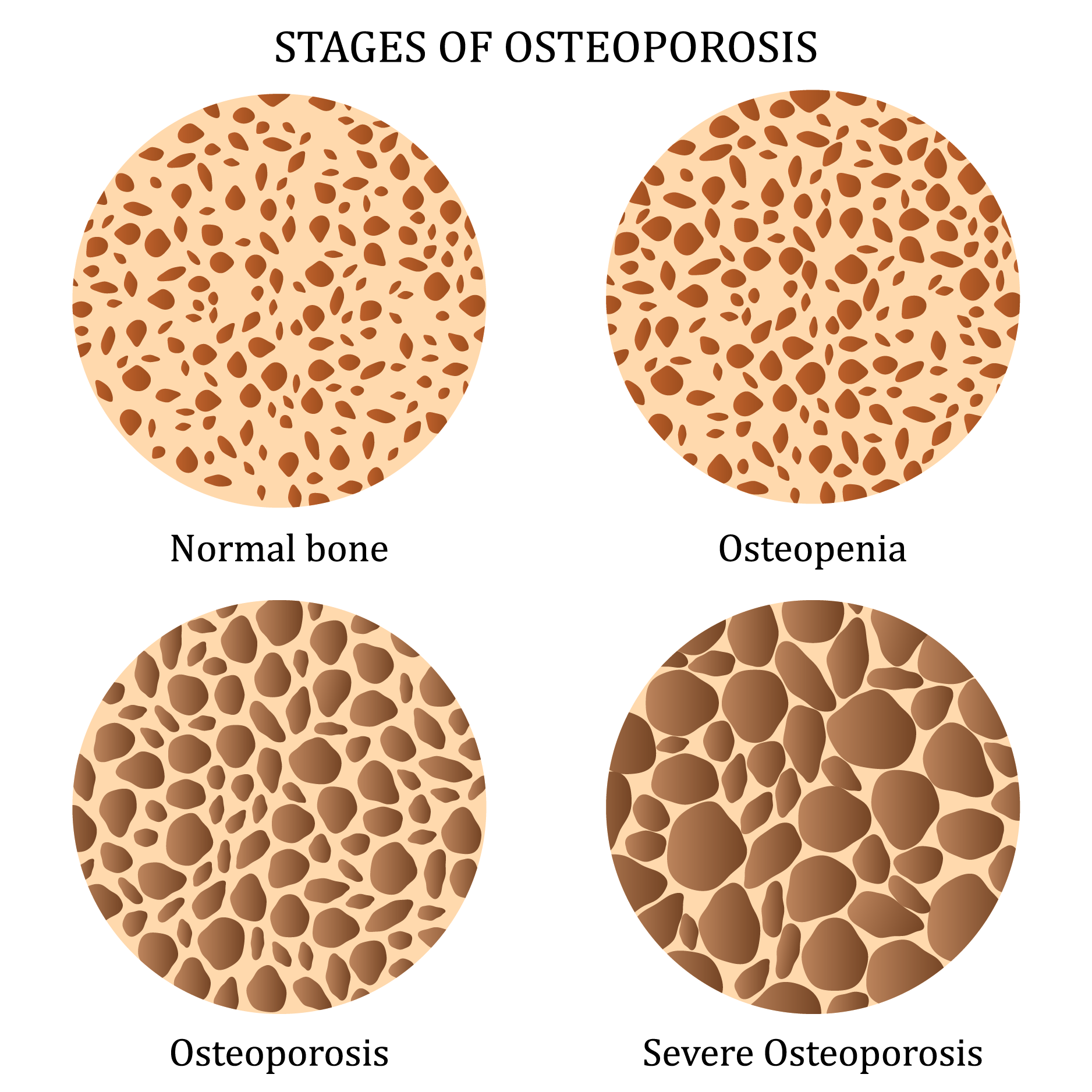
- A T-score of -1.0 or higher is considered normal bone density.
- A T-score between -1.0 and -2.5 indicates osteopenia, a condition where bone density is lower than normal but not yet severe enough to be classified as osteoporosis. Osteopenia is often considered a precursor to osteoporosis, and individuals with osteopenia have an increased risk of fracture.
- A T-score of -2.5 or lower indicates osteoporosis.
The data generated by DXA scans is invaluable, allowing healthcare professionals to assess an individual’s bone health, estimate their future fracture risk, and monitor the effectiveness of treatment. In the future, advanced imaging techniques and AI algorithms may further refine BMD assessment and fracture risk prediction.
Managing Osteoporosis: A Multi-faceted Approach
Once diagnosed, managing osteoporosis involves a comprehensive strategy aimed at slowing bone loss, increasing bone strength, and reducing the risk of fractures. This management plan typically incorporates lifestyle modifications, pharmacological treatments, and regular monitoring.
Lifestyle Interventions: Building a Strong Foundation
As discussed earlier, a healthy lifestyle is the bedrock of osteoporosis management. This includes:
- Dietary Adjustments: Ensuring adequate intake of calcium (typically 1200 mg per day for postmenopausal women and men over 50) and vitamin D (400-800 IU per day, or higher if deficient) through diet or supplements. Foods rich in calcium include dairy products, leafy green vegetables, and fortified foods. Vitamin D can be obtained from sunlight exposure, fatty fish, and fortified foods.
- Regular Exercise: Engaging in a consistent program of weight-bearing exercises (walking, jogging, dancing) and muscle-strengthening exercises (weightlifting, resistance band training) is crucial for stimulating bone growth and improving balance, thus reducing the risk of falls.
- Fall Prevention: For individuals with osteoporosis, preventing falls is paramount. This involves making homes safer (e.g., installing grab bars, ensuring good lighting, removing tripping hazards), wearing appropriate footwear, and addressing any vision or balance problems.
Pharmacological Treatments: Medical Interventions
When lifestyle modifications alone are insufficient, or for individuals with established osteoporosis and a high fracture risk, medications may be prescribed. These medications work in different ways to either slow down bone resorption or stimulate bone formation:
- Bisphosphonates: This is the most common class of drugs for treating osteoporosis. They work by inhibiting osteoclasts, thereby slowing down the breakdown of bone. Examples include alendronate, risedronate, and zoledronic acid.
- Denosumab: This is a monoclonal antibody that inhibits osteoclast activity. It is administered by injection.
- Hormone Replacement Therapy (HRT): While not typically a first-line treatment for osteoporosis due to potential risks, HRT can be an option for some postmenopausal women to help preserve bone density.
- Anabolic Agents: These medications, such as teriparatide and abaloparatide, stimulate bone formation and are typically reserved for individuals with severe osteoporosis or those who have not responded to other treatments.
The choice of medication, dosage, and duration of treatment is highly individualized, based on the patient’s fracture risk, bone density, overall health, and tolerance to the medication. Regular communication with a healthcare provider is essential to ensure the optimal treatment regimen.
The Role of Technology and Data in Modern Management
The digital age is revolutionizing how we approach health, and osteoporosis management is no exception.
- Wearable Devices and Health Trackers: These gadgets can monitor physical activity levels, reminding individuals to engage in weight-bearing exercises and track their progress. Some advanced trackers might even incorporate posture analysis, indirectly contributing to spinal health awareness.
- Telemedicine and Remote Monitoring: For individuals with limited mobility or those living in remote areas, telemedicine offers convenient access to healthcare professionals for consultations, medication management, and progress tracking. Remote monitoring tools can collect data on vital signs and activity levels, allowing for timely intervention if needed.
- AI-Powered Risk Assessment: Artificial intelligence is increasingly being used to analyze large datasets of patient information, including genetic predispositions, lifestyle factors, and medical history, to more accurately predict an individual’s risk of developing osteoporosis and experiencing fractures. This allows for more personalized and proactive preventive strategies.
- Digital Health Platforms and Apps: Numerous apps and online platforms provide educational resources about osteoporosis, medication reminders, exercise programs, and tools for tracking dietary intake. These digital tools empower patients to take a more active role in their own care.
- 3D Printing for Prosthetics and Implants: In cases of severe fractures, 3D printing technology is being explored for creating customized prosthetics and implants that can improve recovery and quality of life for individuals who have experienced osteoporotic fractures.
Protecting Your Future: Brand Building for Bone Health
Just as brands strategically build their reputation and value over time, so too can we approach our bone health as a long-term “brand-building” exercise. This involves a proactive, consistent, and informed approach to maintaining the strength and resilience of our skeletal system.
Investing in Your Skeletal Capital: A Financial Analogy
Consider your bones as a form of “skeletal capital.” From birth, you are accumulating this capital. Childhood and adolescence are the crucial “growth” phases, where diligent investment in proper nutrition (calcium, vitamin D) and physical activity can significantly increase your peak bone mass – the maximum amount of bone tissue you will have in your lifetime. This peak bone mass is a critical determinant of your future bone health and your susceptibility to osteoporosis later in life.
As we move into adulthood, the focus shifts from accumulation to maintenance. This is akin to managing an investment portfolio. Consistent, regular “contributions” in the form of a balanced diet, regular weight-bearing exercise, and avoiding detrimental lifestyle choices (smoking, excessive alcohol) are essential for preserving your skeletal capital.
The financial world emphasizes diversification to mitigate risk. Similarly, for bone health, diversification of strategies – combining nutrition, exercise, and avoiding risk factors – creates a robust defense against osteoporosis.
The Marketing of Bone Health: Raising Awareness and Taking Action
Just as successful brands invest in marketing to reach their target audience and convey their value proposition, we need to effectively “market” bone health to ourselves and our communities. This involves:
- Education and Information Dissemination: Understanding what osteoporosis is, its risk factors, and preventive measures is the first step. This article aims to be a part of that educational effort. Sharing reliable information through social media, community workshops, and conversations with loved ones can amplify the message.
- Personal Branding for Well-being: In a personal branding context, one’s health and vitality are integral components of their overall image and capacity. Prioritizing bone health is an investment in long-term capability, energy, and independence – all crucial elements of a strong personal brand.
- Strategic Partnerships: Healthcare providers, fitness professionals, and nutritionists are our “strategic partners” in building strong bones. Collaborating with them, seeking their expert advice, and following their recommendations are essential for an effective bone health strategy.
- Consistent Messaging and Reinforcement: Just as brands use consistent messaging, we need to continuously reinforce the importance of bone health in our daily lives. This might involve setting reminders for exercise, planning healthy meals, or making conscious choices to protect ourselves from falls.
The Case Studies of Resilience: Learning from Others
Examining “case studies” of individuals who have successfully managed or prevented osteoporosis can be incredibly inspiring and informative. These are stories of:
- Early Intervention: Individuals who, through family history or awareness, started prioritizing bone health in their 20s and 30s, achieving higher peak bone mass and delaying or preventing osteoporosis.
- Adaptable Lifestyles: Those who, diagnosed with osteopenia or osteoporosis, successfully adapted their exercise routines and dietary habits to improve their bone density and reduce fracture risk.
- Technologically Empowered Patients: Individuals who actively use health apps, wearable devices, and online resources to monitor their progress, adhere to treatment plans, and stay motivated.
These case studies highlight the power of consistent effort, informed decision-making, and the ability to adapt and leverage available resources. They demonstrate that while osteoporosis can be a significant challenge, it is a manageable one, and a proactive approach can lead to a life of continued mobility and well-being.
In conclusion, understanding osteoporosis is not just about comprehending a medical condition; it’s about embracing a holistic approach to health that integrates knowledge, proactive lifestyle choices, and the strategic utilization of available resources. By treating our bone health as a valuable asset to be nurtured and protected, we can build a strong foundation for a vibrant and independent future, navigating the complexities of life with resilience and vitality.
aViewFromTheCave is a participant in the Amazon Services LLC Associates Program, an affiliate advertising program designed to provide a means for sites to earn advertising fees by advertising and linking to Amazon.com. Amazon, the Amazon logo, AmazonSupply, and the AmazonSupply logo are trademarks of Amazon.com, Inc. or its affiliates. As an Amazon Associate we earn affiliate commissions from qualifying purchases.