
In today’s hyper-connected world, the way we find information, products, and services has fundamentally shifted. Gone are the days of flipping through encyclopedias or relying solely on word-of-mouth. Now, our primary gateway to the digital universe is a search engine. And within the realm of search, one of the most powerful, yet often misunderstood, forces is organic search.
The title “What is Organic Search?” is more than just a query; it’s the starting point for understanding how businesses and individuals alike can connect with their target audiences in a meaningful and sustainable way. It’s about showing up when people are actively looking for what you offer, without having to pay for every single click. This article will delve into the core of organic search, exploring its nuances, its significance across various domains like technology, branding, and finance, and how mastering it can unlock significant opportunities.

The Foundation: What Exactly is Organic Search?
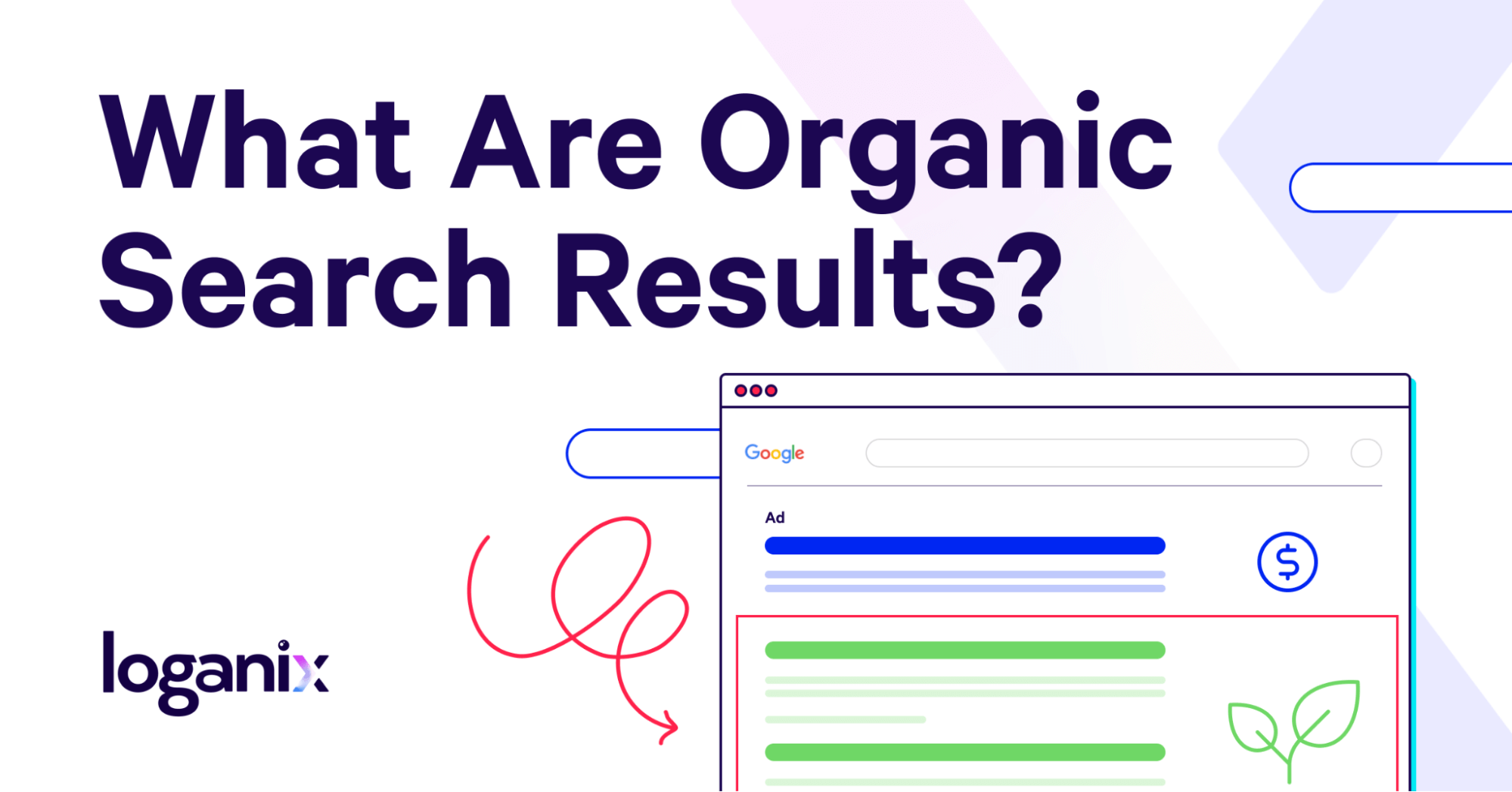
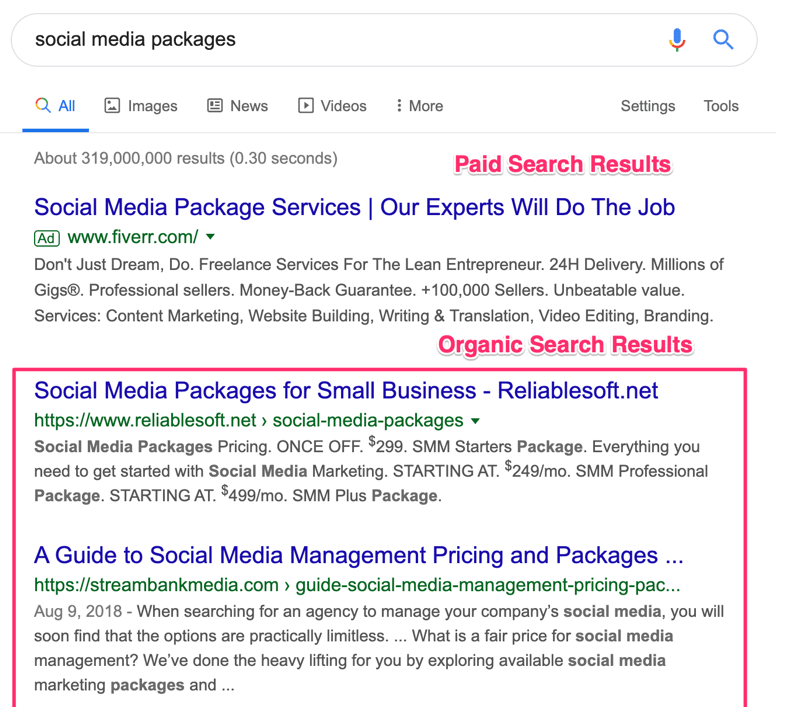
At its heart, organic search refers to the unpaid listings that appear on a search engine results page (SERP) as a direct result of their relevance and authority to a user’s search query. When you type a question or a keyword into Google, Bing, or any other search engine, the results you see are broadly divided into two categories: paid advertisements and organic results.
Paid advertisements, often marked with labels like “Ad” or “Sponsored,” are essentially digital billboards. Businesses pay to have their links displayed prominently, usually at the top or bottom of the SERP, for specific keywords. The cost is typically per click (PPC), meaning they only pay when someone actually clicks on their ad.
Organic search results, on the other hand, are earned. Search engines like Google employ complex algorithms to crawl, index, and rank websites based on a multitude of factors. These algorithms aim to provide users with the most relevant, authoritative, and trustworthy information available. The higher a website ranks in these organic listings, the more likely it is to be seen and clicked on by users.
Key Characteristics of Organic Search:
- Unpaid: You don’t pay directly for placement in organic search results.
- Algorithm-Driven: Rankings are determined by the search engine’s sophisticated algorithms.
- Relevance and Authority: Websites are ranked based on how well they answer a user’s query and their perceived credibility.
- Long-Term Value: Building organic search presence is an ongoing process that yields sustained visibility and traffic.
- User Trust: Organic results are often perceived as more trustworthy by users compared to paid ads.
Understanding this fundamental distinction is crucial. While paid search can offer immediate visibility, organic search builds a foundation of credibility and ongoing traffic that is invaluable for long-term digital success.
The Pillars of Organic Search: How it Works and Why it Matters
The magic behind organic search lies in the intricate dance between search engine algorithms and website content. For a website to appear in organic search results, it must first be discoverable by search engine crawlers, then understood for its content, and finally deemed worthy of a high ranking. This process is largely influenced by what we now refer to as Search Engine Optimization (SEO).
Search Engine Optimization (SEO): The Art and Science of Organic Visibility
SEO is the practice of optimizing your website and its content to improve its ranking in organic search results. It’s a multifaceted discipline that encompasses a wide range of strategies, broadly categorized into on-page and off-page optimization.
On-Page SEO: Optimizing Your Digital Real Estate
On-page SEO refers to all the optimizations you can make directly on your website. This includes:
- Keyword Research: Identifying the terms and phrases your target audience uses when searching for information related to your offerings. This is the bedrock of any successful SEO strategy, guiding content creation and website structure.
- Content Creation and Quality: Producing high-quality, informative, engaging, and relevant content that directly addresses user search intent. This means going beyond simply stuffing keywords and instead providing real value. Whether it’s a detailed tutorial on a new AI tool, a compelling brand story, or a deep dive into investment strategies, the content must be superior.
- Title Tags and Meta Descriptions: Crafting compelling and keyword-rich title tags and meta descriptions that accurately represent your page’s content and entice users to click from the SERP.
- Header Tags (H1, H2, H3, etc.): Structuring your content logically with header tags, making it easier for both users and search engines to understand the hierarchy and key topics of your page.
- Image Optimization: Using descriptive alt text for images, which helps search engines understand the image content and improves accessibility.
- URL Structure: Creating clean, descriptive, and keyword-relevant URLs.
- Website Speed and Mobile-Friendliness: Ensuring your website loads quickly and provides an excellent user experience on all devices, especially mobile phones, as search engines prioritize these factors.
Off-Page SEO: Building Authority and Trust Beyond Your Website
Off-page SEO involves actions taken outside of your website to impact your rankings. The most significant aspect of off-page SEO is building backlinks.
- Backlinks: These are links from other reputable websites to your own. Search engines view backlinks as “votes of confidence.” The more high-quality, relevant backlinks you have, the more authoritative your website is perceived to be. This is where your brand’s reputation and the reach of your content play a crucial role.
- Brand Mentions: Even without a direct link, mentions of your brand across the web can signal authority and relevance.
- Social Signals: While the direct impact of social shares on SEO is debated, a strong social presence can drive traffic and indirectly influence your organic visibility.
Organic Search Across the Domains: Tech, Brand, and Money
The principles of organic search are universally applicable, but their impact and implementation can vary significantly depending on the industry. Let’s explore how organic search plays a vital role in the key areas of your website:
Harnessing Organic Search for Technological Advancement and Discovery
In the rapidly evolving world of technology, organic search is the primary engine for discovery. When someone is looking for a new software solution, the latest AI tool, or a review of a cutting-edge gadget, they turn to search engines.
- Software and AI Tools: Companies developing software or AI tools rely heavily on organic search to reach businesses and individuals seeking solutions. This involves creating in-depth tutorials, comparative reviews, use-case examples, and technical documentation that answer specific questions users might have. For instance, a company offering a new project management app would optimize for terms like “best project management software,” “AI-powered task management,” or “collaboration tools for remote teams.”
- Gadget Reviews and Tech Trends: Tech reviewers and news outlets use organic search to attract an audience interested in the latest devices and industry trends. Content like “iPhone 15 Pro Max review,” “emerging AI technologies in 2024,” or “best budget laptops” are prime examples of how organic search drives traffic to tech-focused content.
- Digital Security and Productivity Apps: Users seeking to improve their digital security or boost their productivity will search for solutions. This presents an opportunity for developers of antivirus software, VPNs, password managers, or productivity apps to rank for terms like “how to protect my online privacy,” “best free antivirus software,” or “apps to boost productivity.”
A strong organic search strategy in tech involves staying ahead of emerging trends, understanding the technical jargon your audience uses, and providing clear, concise, and actionable information.
Building and Amplifying Your Brand Through Organic Search
Your brand’s online presence is heavily influenced by how it’s perceived and found through organic search. Organic search allows you to tell your brand’s story, establish authority, and connect with your audience on their terms.
- Brand Strategy and Identity: When potential clients or customers research brands, they often use search engines. Organic search helps them discover your brand’s mission, values, and unique selling propositions. Content like “why choose our brand,” “our company values,” or “a deeper look into our corporate identity” can attract this audience.
- Marketing and Design: Marketing professionals and designers looking for inspiration or solutions will search for case studies, best practices, and industry insights. A strong organic presence for your marketing agency or design firm means ranking for terms like “successful branding campaigns,” “modern logo design trends,” or “digital marketing strategy examples.”
- Reputation Management: In the digital age, your online reputation is paramount. Organic search plays a critical role in how your brand is perceived. Positive reviews, well-crafted press releases, and informative “about us” pages can all contribute to a strong organic presence that reinforces a positive brand image. Conversely, negative content can also surface if not managed proactively through a robust organic strategy.
For brands, organic search is about building trust, demonstrating expertise, and ensuring that when someone searches for the problems you solve, your brand is the most prominent and compelling answer.
Navigating the Financial Landscape with Organic Search
The realm of money, from personal finance to business investments, is a prime area where users actively seek information and solutions through organic search.
- Personal Finance and Investing: Individuals looking to manage their money better, learn about investing, or find advice on saving and budgeting turn to search engines. Content like “how to start investing with $100,” “best budgeting apps,” “understanding compound interest,” or “safe investment options for beginners” are highly sought after. Financial advisors and institutions can leverage organic search to attract these individuals.
- Online Income and Side Hustles: The desire for additional income streams fuels a vast number of online searches. Websites and individuals offering guidance on online income opportunities, freelancing, or starting side hustles can gain significant traction through organic search. Topics like “ways to make money online,” “best side hustle ideas for students,” or “freelance platforms for writers” are highly competitive but lucrative organic search terms.
- Business Finance and Financial Tools: Businesses, from startups to established enterprises, rely on organic search to find financial advice, tools, and services. This includes searches for “small business loan options,” “accounting software for startups,” “cash flow management strategies,” or “tools for financial forecasting.”
In the financial domain, organic search is about providing clear, trustworthy, and actionable advice that empowers users to make informed decisions. Authority, accuracy, and a deep understanding of financial concepts are paramount for ranking well and building trust.
The Enduring Power of Organic Search: A Long-Term Strategy
In conclusion, organic search is far more than just a technical term; it’s the lifeblood of sustainable digital visibility. It’s the engine that drives users who are actively seeking solutions, information, and products directly to your digital doorstep. Unlike paid advertising, which offers a temporary boost at a continuous cost, organic search builds an enduring asset for your website.
By investing in a comprehensive SEO strategy, you are not just aiming for higher rankings; you are building authority, establishing credibility, and fostering trust with your target audience. Whether you are in the fast-paced world of technology, striving to build a powerful brand, or navigating the intricate landscape of finance, mastering organic search is no longer optional – it’s essential. It’s about being found when it matters most, offering genuine value, and becoming the answer users are actively searching for. The journey to organic search success is ongoing, but the rewards – sustained traffic, loyal audiences, and a strong digital presence – are well worth the effort.
aViewFromTheCave is a participant in the Amazon Services LLC Associates Program, an affiliate advertising program designed to provide a means for sites to earn advertising fees by advertising and linking to Amazon.com. Amazon, the Amazon logo, AmazonSupply, and the AmazonSupply logo are trademarks of Amazon.com, Inc. or its affiliates. As an Amazon Associate we earn affiliate commissions from qualifying purchases.