
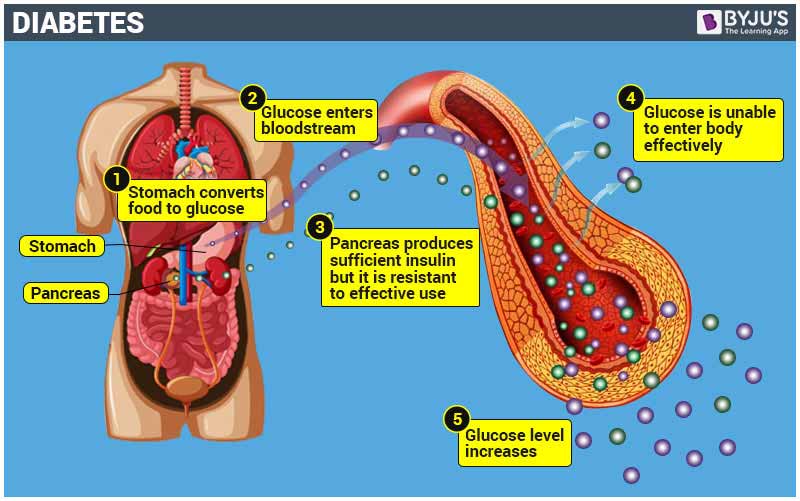
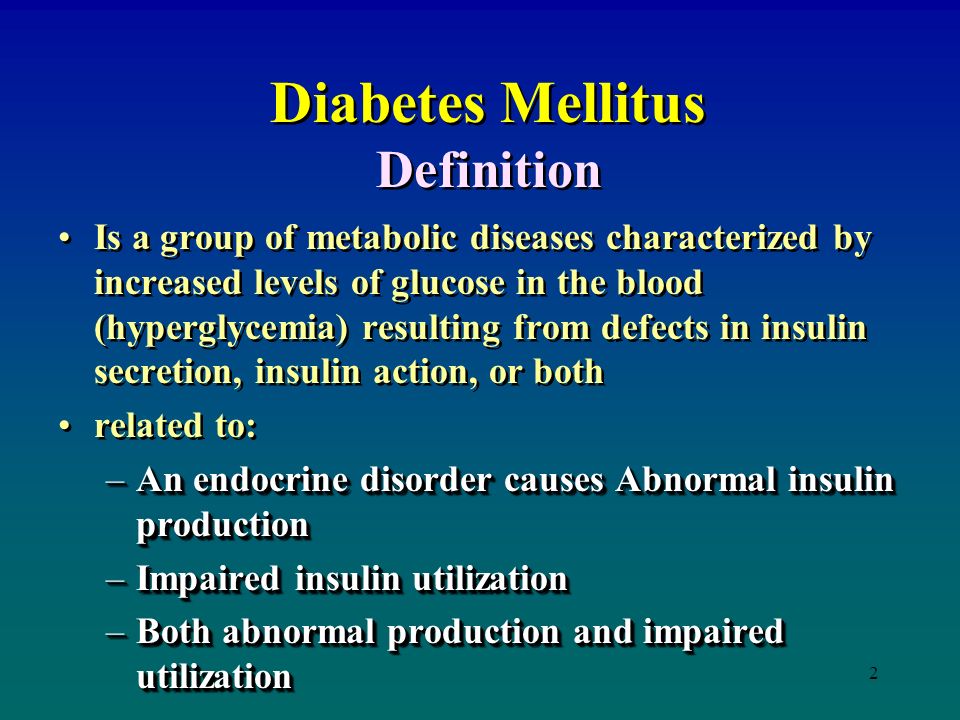
Mellitus, most commonly understood in the context of diabetes mellitus, represents one of humanity’s most persistent and widespread health challenges. Far from being a singular ailment, it is a complex metabolic disorder characterized by high blood sugar levels over a prolonged period. While its roots are ancient, the battle against mellitus is increasingly fought on the cutting edge of technology. In a world grappling with an escalating global prevalence of diabetes – impacting hundreds of millions and leading to significant health complications ranging from cardiovascular disease and kidney failure to neuropathy and blindness – technology has emerged as an indispensable ally.
No longer solely a domain of traditional medicine, the understanding, diagnosis, and management of mellitus are being profoundly reshaped by innovations in artificial intelligence, wearable devices, digital health platforms, and advanced biometrics. This article delves into the essence of mellitus, not merely as a medical condition, but through the transformative lens of technology that is revolutionizing how we perceive, prevent, and treat this pervasive disease. It’s an exploration of how digital tools and technological advancements are not just facilitating better care but fundamentally redefining the future of health for individuals living with diabetes.
Understanding Mellitus Through a Technological Lens
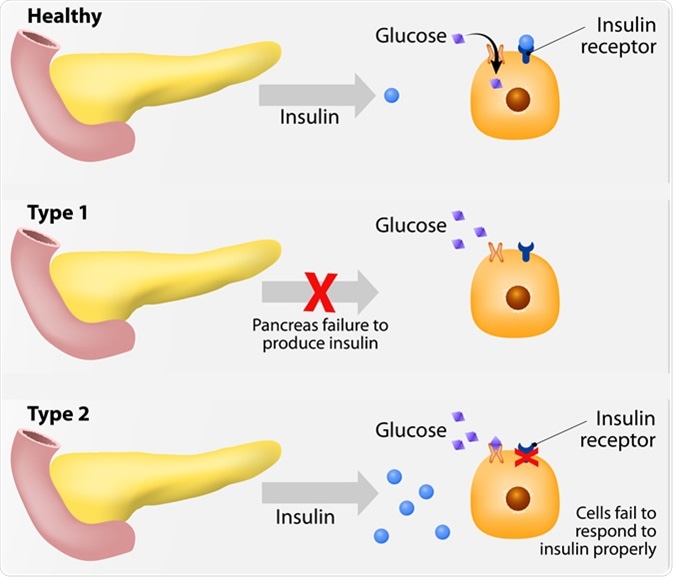
To truly grasp the impact of technology on mellitus, we must first briefly define the condition. Diabetes mellitus is primarily categorized into Type 1, an autoimmune condition where the body does not produce insulin; Type 2, where the body either doesn’t produce enough insulin or doesn’t use insulin effectively; and Gestational Diabetes, which occurs during pregnancy. All forms share the common thread of impaired glucose regulation, leading to a cascade of health issues if unmanaged. Today, technology isn’t just about managing symptoms; it’s about gaining unprecedented insights into its pathophysiology and progression.
AI-Powered Diagnostics and Predictive Analytics
The precision and speed offered by Artificial Intelligence (AI) and Machine Learning (ML) are fundamentally changing the diagnostic landscape for mellitus. Traditional diagnostic methods often rely on periodic blood tests and symptom assessment, which can sometimes lead to delayed diagnoses, especially in early-stage Type 2 diabetes. AI algorithms, however, can process vast datasets – including electronic health records, genetic markers, lifestyle data, and even retinal scans – to identify at-risk individuals with remarkable accuracy.
Machine learning models can analyze patterns that are imperceptible to the human eye, predicting an individual’s susceptibility to diabetes years in advance based on a confluence of factors, thereby enabling proactive intervention. Furthermore, AI is proving invaluable in differentiating between diabetes subtypes, personalizing treatment plans, and even predicting potential complications like diabetic retinopathy or nephropathy before they become severe. For example, deep learning algorithms are now being deployed to analyze retinal images for early signs of diabetic eye disease, often outperforming human specialists in speed and consistency, thus enabling timely treatment and preventing irreversible vision loss.
Wearable Technology and Continuous Monitoring
The advent of wearable technology has empowered individuals with mellitus like never before, shifting the paradigm from reactive management to proactive self-care. Continuous Glucose Monitors (CGMs) are perhaps the most revolutionary example. These small, discreet devices adhere to the skin, painlessly measuring glucose levels in interstitial fluid every few minutes and transmitting data wirelessly to a smartphone or dedicated receiver. This real-time, continuous feedback eliminates the need for frequent finger-prick tests, providing a much richer picture of glucose fluctuations throughout the day and night.
Beyond CGMs, smartwatches and fitness trackers are increasingly integrated into diabetes management. While not directly measuring glucose, they monitor crucial metrics like activity levels, heart rate, sleep patterns, and even stress indicators – all factors that significantly influence blood glucose. The data collected by these wearables offers a holistic view of an individual’s health, allowing for personalized insights into how diet, exercise, and lifestyle choices impact their condition. This constant stream of data, accessible to both patients and their healthcare providers, fosters greater understanding, facilitates informed decision-making, and promotes behavioral changes crucial for long-term health.
Digital Tools Revolutionizing Diabetes Management
The digital revolution has brought forth an ecosystem of tools that are transforming the day-to-day management of mellitus, making care more accessible, personalized, and efficient. These tools range from sophisticated telemedicine platforms to automated insulin delivery systems, each playing a critical role in enhancing patient autonomy and improving clinical outcomes.
Telemedicine and Remote Care Platforms
Telemedicine has emerged as a cornerstone of modern diabetes care, particularly accelerated by recent global events. For individuals with a chronic condition like mellitus, regular consultations with endocrinologists, dietitians, and diabetes educators are essential. Telemedicine platforms bridge geographical divides and logistical hurdles, allowing patients to connect with their care teams through secure video calls, messaging, and remote monitoring. This reduces travel time, costs, and lost workdays, making consistent care more feasible, especially for those in rural areas or with limited mobility.
Digital health apps, often integrated with wearables and CGMs, provide a centralized hub for tracking glucose readings, medication schedules, food intake, and physical activity. Many apps offer personalized insights, medication reminders, and educational content, empowering patients to become active participants in their own care. These platforms also facilitate seamless data sharing with healthcare providers, enabling more informed adjustments to treatment plans and timely interventions based on real-world data.
Smart Insulin Delivery Systems and Closed-Loop Technology
One of the most significant technological advancements in diabetes management is the development of smart insulin delivery systems, commonly known as artificial pancreas systems or closed-loop systems. These integrated systems combine a CGM, an insulin pump, and an advanced algorithm that continuously calculates and delivers the precise amount of insulin needed to maintain optimal blood glucose levels.
These systems represent a groundbreaking step towards automating diabetes management. The algorithm acts as the “brain,” receiving real-time glucose data from the CGM and instructing the insulin pump to increase or decrease insulin delivery accordingly. This significantly reduces the burden of constant manual adjustments, minimizes the risk of both hyperglycemia (high blood sugar) and hypoglycemia (low blood sugar), and leads to more stable glucose control. While not a cure, closed-loop systems dramatically improve quality of life and reduce the long-term complications associated with poorly controlled diabetes, offering a glimpse into a future where diabetes management is less intrusive and more precise.
The Role of Big Data and Interoperability in Diabetes Care
Beyond individual patient management, technology, particularly in the form of big data and improved interoperability, is driving advancements in public health strategies and research related to mellitus. The sheer volume of health data being generated daily holds immense potential to unlock new insights and refine our collective approach to this disease.
Data Aggregation and Insights for Public Health
The aggregation of vast, anonymized datasets from CGMs, EHRs, wearables, and other digital health tools provides an invaluable resource for public health researchers and policymakers. By analyzing population-level data, trends in diabetes prevalence, incidence, and the effectiveness of different interventions can be identified with unprecedented clarity. This allows public health initiatives to be more targeted, resource allocation to be more efficient, and prevention strategies to be more evidence-based. For example, identifying specific demographic groups or geographical areas with rising rates of pre-diabetes can prompt early educational campaigns or screening programs.
Furthermore, big data analytics can pinpoint environmental or lifestyle factors that contribute to diabetes progression, informing broader public health policies aimed at creating healthier communities. This macro-level understanding, derived from countless individual data points, is crucial for turning the tide against the global diabetes epidemic.
Ensuring Digital Security and Patient Privacy
As more health data becomes digitized and interconnected, the paramount importance of digital security and patient privacy cannot be overstated. Health information is among the most sensitive personal data, and any breach can have severe consequences, not only for individuals but also for public trust in digital health solutions. Robust encryption, secure data storage protocols, and adherence to international data protection regulations (like GDPR and HIPAA) are non-negotiable.
Developers of diabetes management apps, wearable manufacturers, and healthcare providers must implement multi-layered security measures to protect patient data from cyber threats. Ethical considerations surrounding data ownership, informed consent for data sharing, and the responsible use of AI in healthcare are also critical discussions that must accompany technological advancement to ensure that these innovations genuinely benefit patients while upholding their rights and privacy.
Future Horizons: Emerging Technologies in Mellitus Treatment
The current technological landscape for mellitus management is impressive, but the horizon holds even more transformative possibilities. Researchers and innovators are constantly pushing boundaries, exploring novel approaches that promise to not just manage but potentially cure diabetes.
Gene Editing and Regenerative Medicine
Looking further into the future, gene editing technologies like CRISPR-Cas9 offer the tantalizing prospect of addressing the genetic underpinnings of diabetes. For Type 1 diabetes, research is exploring ways to “re-educate” the immune system to stop attacking insulin-producing beta cells, or even to genetically engineer new beta cells that are immune to attack. In Type 2 diabetes, gene therapies could potentially enhance insulin sensitivity or improve insulin production.
Regenerative medicine, particularly stem cell research, is another exciting frontier. Scientists are working on differentiating pluripotent stem cells into fully functional, insulin-producing beta cells that could be transplanted into patients, effectively replacing the cells destroyed in Type 1 diabetes. Encapsulation technologies are also being developed to protect these transplanted cells from immune system rejection, moving closer to a true biological cure.
Advanced Sensor Technology and Non-Invasive Monitoring
While CGMs have revolutionized monitoring, the quest for even less invasive and more convenient glucose measurement continues. Research is underway for non-invasive glucose monitoring methods, such as smart contact lenses that detect glucose levels in tears, implantable sensors that provide long-term monitoring without external components, or even advanced imaging techniques that could measure glucose through the skin. These innovations aim to make monitoring virtually imperceptible, further integrating it seamlessly into daily life and reducing any lingering burden associated with diabetes management.
Conclusion: A Technologically-Driven Path to Better Health
Mellitus, in its various forms, remains a significant global health challenge, but the relentless march of technology offers powerful tools and renewed hope. From AI-driven diagnostics that can predict risk with astounding accuracy to wearable sensors that provide continuous, real-time insights, and closed-loop systems that automate insulin delivery, technology is fundamentally transforming how we understand and manage this complex condition.
The digital ecosystem surrounding diabetes care is empowering individuals with unprecedented control over their health, facilitating better communication with healthcare providers, and paving the way for more personalized and effective treatment strategies. As we continue to refine existing technologies and explore groundbreaking frontiers like gene editing and regenerative medicine, the future of living with mellitus looks increasingly brighter. Technology is not merely an adjunct to traditional medicine; it is an integrated, indispensable force propelling us toward a future where mellitus is not just managed, but potentially overcome, ushering in an era of enhanced health and well-being for millions worldwide.
aViewFromTheCave is a participant in the Amazon Services LLC Associates Program, an affiliate advertising program designed to provide a means for sites to earn advertising fees by advertising and linking to Amazon.com. Amazon, the Amazon logo, AmazonSupply, and the AmazonSupply logo are trademarks of Amazon.com, Inc. or its affiliates. As an Amazon Associate we earn affiliate commissions from qualifying purchases.