
The phrase “high blood pressure” is a common one, often heard in discussions about health and aging. But when medical professionals talk about this condition, they use a specific term: hypertension. Understanding hypertension is crucial, not just for those diagnosed with it, but for everyone seeking to maintain a healthy lifestyle. While the website’s primary focus is on technology, branding, and finance, the pervasive impact of health on all these areas cannot be overstated. Indeed, poor health, particularly conditions like untreated hypertension, can significantly hinder one’s ability to leverage technology, build a strong brand, or achieve financial prosperity.
Understanding the Numbers: What Constitutes High Blood Pressure?
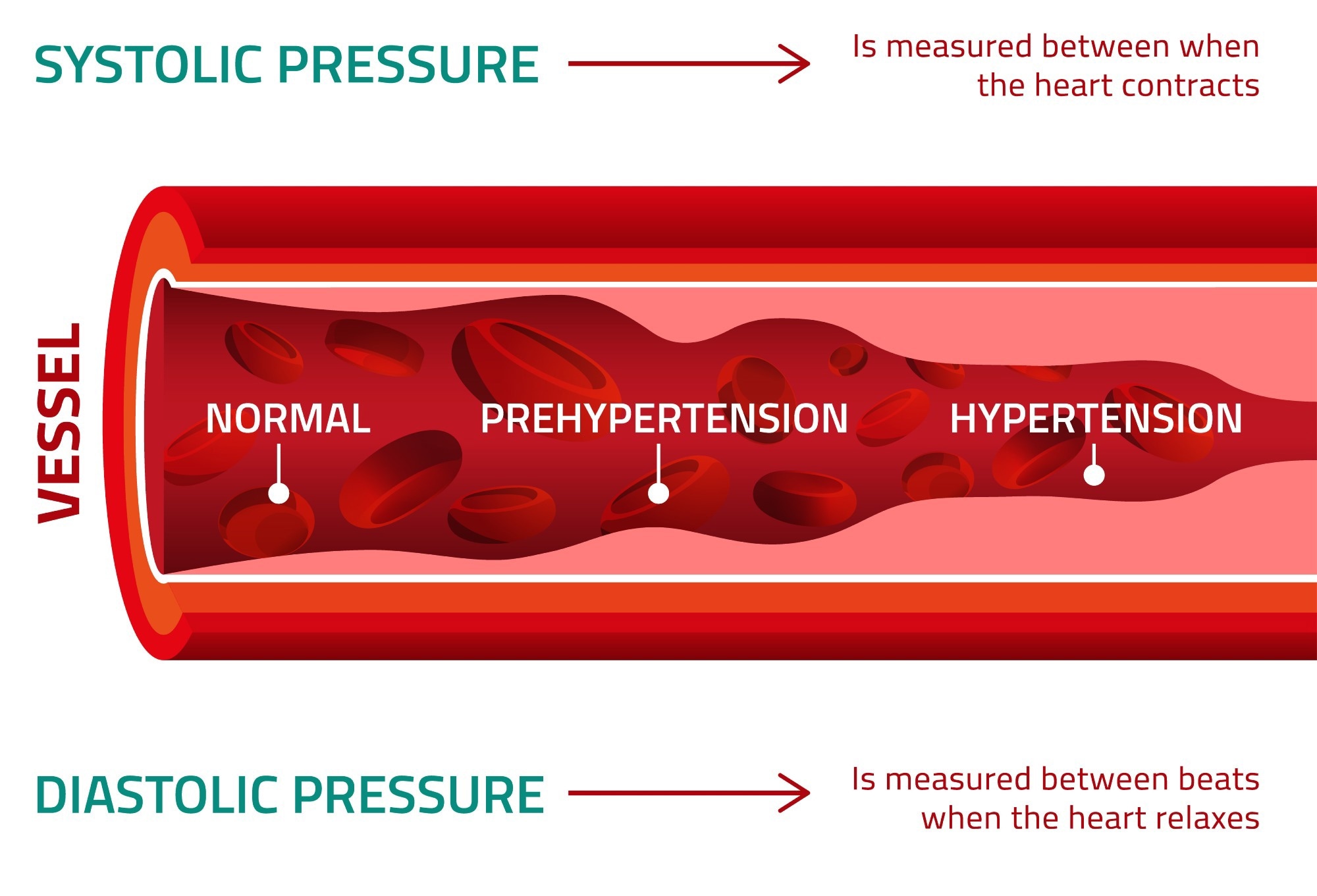
Before delving into the various names and implications of high blood pressure, it’s essential to understand what the term actually signifies. Blood pressure is the force of blood pushing against the walls of your arteries as your heart pumps it around your body. This pressure is measured in millimeters of mercury (mm Hg) and is expressed as two numbers:
- Systolic pressure: The top number, representing the pressure in your arteries when your heart beats (contracts).
- Diastolic pressure: The bottom number, representing the pressure in your arteries when your heart rests between beats.
A blood pressure reading is typically written as systolic/diastolic. For example, 120/80 mm Hg.
Normal vs. Elevated Blood Pressure
According to the American Heart Association and the American College of Cardiology, blood pressure is categorized as follows:
- Normal: Less than 120/80 mm Hg.
- Elevated: Systolic between 120–129 mm Hg and diastolic less than 80 mm Hg.
- Hypertension Stage 1: Systolic between 130–139 mm Hg or diastolic between 80–89 mm Hg.
- Hypertension Stage 2: Systolic 140 mm Hg or higher or diastolic 90 mm Hg or higher.
- Hypertensive Crisis: Systolic higher than 180 mm Hg and/or diastolic higher than 120 mm Hg. This requires immediate medical attention.
Therefore, when we talk about “high blood pressure,” we are generally referring to readings that fall into the categories of Hypertension Stage 1, Hypertension Stage 2, or a Hypertensive Crisis. The medical term for this persistent elevation is hypertension.
Beyond the Common Term: What is High Blood Pressure Called in Medical Contexts?
While “hypertension” is the most common and scientifically accurate term, it’s worth exploring the nuances and related terms that might arise in medical discussions or specific contexts.
Primary (Essential) Hypertension
In the vast majority of cases (about 90-95%), high blood pressure has no identifiable cause. This is known as primary hypertension, also sometimes referred to as essential hypertension. It develops gradually over many years, and while the exact cause is unknown, it is believed to be a combination of genetic predisposition, lifestyle factors, and environmental influences. This is where lifestyle choices become paramount, as discussed in relation to technological tools and financial planning later.
Secondary Hypertension
In the remaining 5-10% of cases, high blood pressure is caused by an underlying medical condition. This is called secondary hypertension. Identifying and treating the underlying cause can often lower blood pressure. Some common causes of secondary hypertension include:
- Kidney problems: Conditions affecting the kidneys’ ability to filter blood.
- Adrenal gland tumors: Tumors on the glands that produce hormones regulating blood pressure.
- Thyroid problems: Both an overactive and underactive thyroid can affect blood pressure.
- Congenital heart defects: Structural abnormalities of the heart present at birth.
- Certain medications: Some prescription drugs, over-the-counter drugs, and illegal drugs can increase blood pressure.
- Sleep apnea: A condition where breathing repeatedly stops and starts during sleep.
Understanding secondary hypertension is critical because treating the root cause can be a more direct and effective path to managing blood pressure compared to solely focusing on lifestyle modifications for primary hypertension.
Other Related Terms and Considerations
While not direct synonyms for “high blood pressure,” several related terms are important to acknowledge:
- Resistant Hypertension: This refers to high blood pressure that remains elevated despite the use of three different types of blood pressure medications, including a diuretic, taken at maximal doses. It often requires a more aggressive and tailored treatment approach.
- White Coat Hypertension: This is a phenomenon where a person’s blood pressure is high when measured in a doctor’s office but normal at home. This can be due to anxiety associated with medical settings. It’s important for healthcare providers to differentiate this from true hypertension.
- Masked Hypertension: The opposite of white coat hypertension, where blood pressure is normal in the doctor’s office but elevated at home. This is a more concerning condition as it may go undetected.
The Far-Reaching Consequences of Hypertension: Impact on Technology, Brand, and Money
The title “what is high blood pressure called” might seem purely medical, but the implications of hypertension extend into every facet of our lives, including the domains of technology, branding, and personal finance. Ignoring this condition can have a ripple effect, making it harder to achieve goals in these areas.
Technology and Productivity: The Unseen Toll
High blood pressure, especially when left untreated, can silently erode cognitive functions and overall well-being, directly impacting our ability to engage with technology and maintain productivity.
- Cognitive Decline: Chronic hypertension is a significant risk factor for stroke, which can lead to cognitive impairment. Even without a major stroke, sustained high blood pressure can damage small blood vessels in the brain, leading to subtle but impactful deficits in memory, concentration, and executive functions. This makes it harder to learn new software, troubleshoot technical issues, or effectively utilize complex AI tools.
- Reduced Energy Levels: Fatigue is a common symptom of poorly controlled hypertension. When you lack energy, the motivation to engage with demanding technological tasks, learn new digital skills, or even keep up with the latest tech trends diminishes. This can lead to a widening digital divide, where individuals struggle to remain relevant in an increasingly tech-driven world.
- Stress and Anxiety: The chronic stress associated with managing a health condition, or the fear of its complications, can further exacerbate cognitive issues and reduce focus. This makes it challenging to engage with productivity apps designed to streamline workflows or digital security measures intended to protect valuable data and online assets.
From a technological perspective, staying healthy is an investment. When you’re in good health, you are better equipped to:
- Embrace new technologies: Learning and adapting to new software, AI tools, and digital platforms becomes more manageable when your cognitive functions are optimal.
- Enhance productivity: A healthy mind and body are more conducive to focused work, problem-solving, and efficient use of digital tools.
- Maintain digital security: Clear thinking is essential for understanding and implementing robust digital security practices, protecting yourself from cyber threats.
Brand and Reputation: A Foundation Built on Health
Your personal or corporate brand is a reflection of your capabilities, reliability, and overall presentation. Hypertension can undermine this foundation in several ways.
- Decreased Reliability: If health issues lead to frequent absences, reduced performance, or apparent cognitive fog, it can damage your reputation for reliability and professionalism. For individuals building a personal brand, this can be particularly detrimental.
- Impact on Presentation: While not always directly visible, the cumulative effects of hypertension on energy levels, stress, and potentially facial changes (e.g., puffiness) can subtly affect one’s overall presence and confidence, which are critical components of brand building.
- Financial Strain and Brand Investment: Treating hypertension and its potential complications requires financial resources. If these resources are diverted due to health issues, it can limit the ability to invest in branding initiatives, marketing campaigns, or professional development that are crucial for brand growth.
- Corporate Identity and Employee Well-being: For businesses, the health of their employees is intrinsically linked to productivity, morale, and the overall corporate identity. A workforce struggling with chronic health conditions like hypertension may experience lower output, increased healthcare costs, and a less vibrant organizational culture. Investing in employee wellness programs, which can include education on managing conditions like hypertension, is therefore a strategic move for brand sustainability.
A strong brand is built on a platform of consistent performance and positive perception. Health is a critical, often overlooked, pillar supporting this platform.
Money and Financial Well-being: The Cost of Neglect
The financial implications of hypertension are profound, both in terms of direct healthcare costs and the indirect impact on earning potential.
- Direct Healthcare Expenses: Managing hypertension involves regular doctor visits, potential specialist consultations, diagnostic tests, and prescription medications. If complications arise (e.g., heart attack, stroke, kidney disease), the costs can escalate exponentially, potentially leading to significant debt or depletion of savings.
- Lost Income: When hypertension leads to reduced work capacity, disability, or the need for early retirement, it directly impacts one’s income. This can derail personal finance goals, investment plans, and the ability to secure future financial stability.
- Impact on Investing and Side Hustles: To effectively invest or pursue online income and side hustles, one needs consistent energy, focus, and the ability to dedicate time and mental effort. Hypertension can severely compromise these requirements, making it difficult to manage investments, launch new ventures, or consistently contribute to existing income streams.
- Financial Planning Challenges: Long-term financial planning, including retirement savings and wealth accumulation, relies on predictable income and manageable expenses. Uncontrolled hypertension introduces unpredictability and the potential for significant unexpected costs, making it challenging to adhere to financial plans.
- Insurance Costs: Individuals with diagnosed hypertension may face higher premiums for life insurance, health insurance, and disability insurance, further adding to financial burdens.
In essence, neglecting your health, particularly conditions like hypertension, can be one of the most significant financial drains one can experience. Prioritizing health is not just about well-being; it’s a fundamental aspect of sound financial management.
Conclusion: Prioritizing Health as a Cornerstone for Success
The question “what is high blood pressure called” leads us to the critical understanding of hypertension. While the term itself is straightforward, its impact is anything but. Hypertension is a silent threat that can undermine efforts in technology adoption, brand building, and financial prosperity.
By understanding what hypertension is, recognizing its various forms, and acknowledging its far-reaching consequences, we can take proactive steps. This includes staying informed about health metrics, seeking regular medical advice, and adopting lifestyle changes that can manage or prevent high blood pressure. Ultimately, prioritizing health is not a detour from pursuing goals in technology, branding, or finance; it is the essential foundation upon which all sustainable success is built. Investing in your health is the most crucial investment you can make for your future, ensuring you have the capacity to harness the power of technology, cultivate a robust brand, and secure your financial well-being.
aViewFromTheCave is a participant in the Amazon Services LLC Associates Program, an affiliate advertising program designed to provide a means for sites to earn advertising fees by advertising and linking to Amazon.com. Amazon, the Amazon logo, AmazonSupply, and the AmazonSupply logo are trademarks of Amazon.com, Inc. or its affiliates. As an Amazon Associate we earn affiliate commissions from qualifying purchases.