
The human experience is a tapestry woven with an incredible diversity of expressions, backgrounds, and biological variations. While society often favors clear-cut categorizations, reality frequently presents a more nuanced spectrum. The term “hermaphrodite person,” while historically used, is now considered outdated and medically inaccurate when referring to humans. Modern understanding and respectful terminology highlight a spectrum of intersex variations, which represent natural variations in sex characteristics. This shift in language is not merely semantic; it reflects a deeper societal evolution towards inclusivity and a more accurate understanding of human biology. From a Brand perspective, this evolution in understanding has profound implications for how individuals construct their personal identity, how communities are represented, and how brands can foster more authentic and inclusive connections with their audiences.
The Evolution of Terminology and Understanding
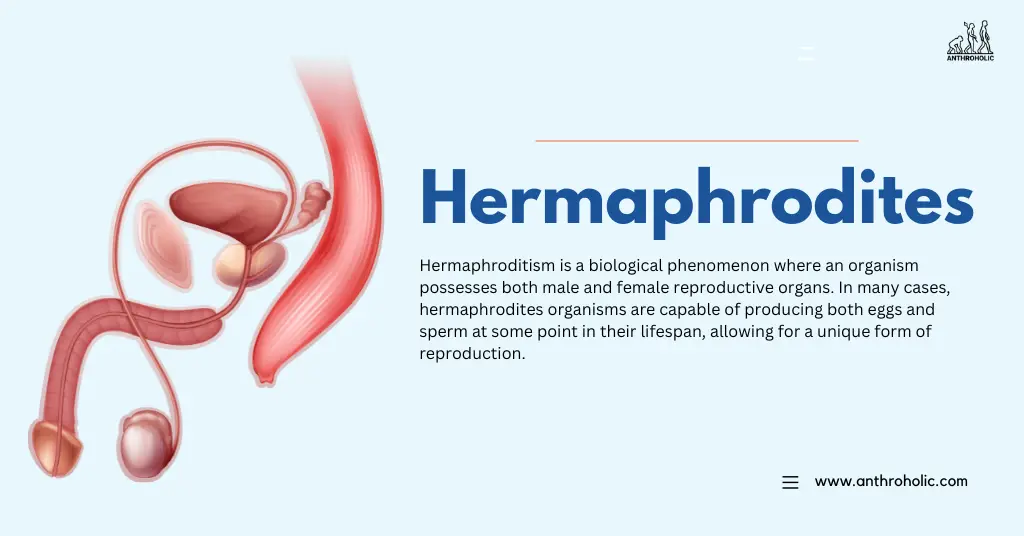
The historical use of the term “hermaphrodite” stemmed from a limited, often binary, understanding of biological sex. Derived from Greek mythology, it evoked the image of a being possessing both male and female reproductive organs. While this simplistic analogy might have served as an initial descriptor, it failed to capture the vast complexity of human sex development. Modern medicine and advocacy groups have championed the term “intersex” to encompass a wide range of variations in sex characteristics, including chromosomes, gonads, hormones, and external genitalia. This inclusive umbrella term acknowledges that these variations are natural and occur on a spectrum, rather than being a singular condition.
Moving Beyond Misconceptions: The Nuances of Intersex Variations
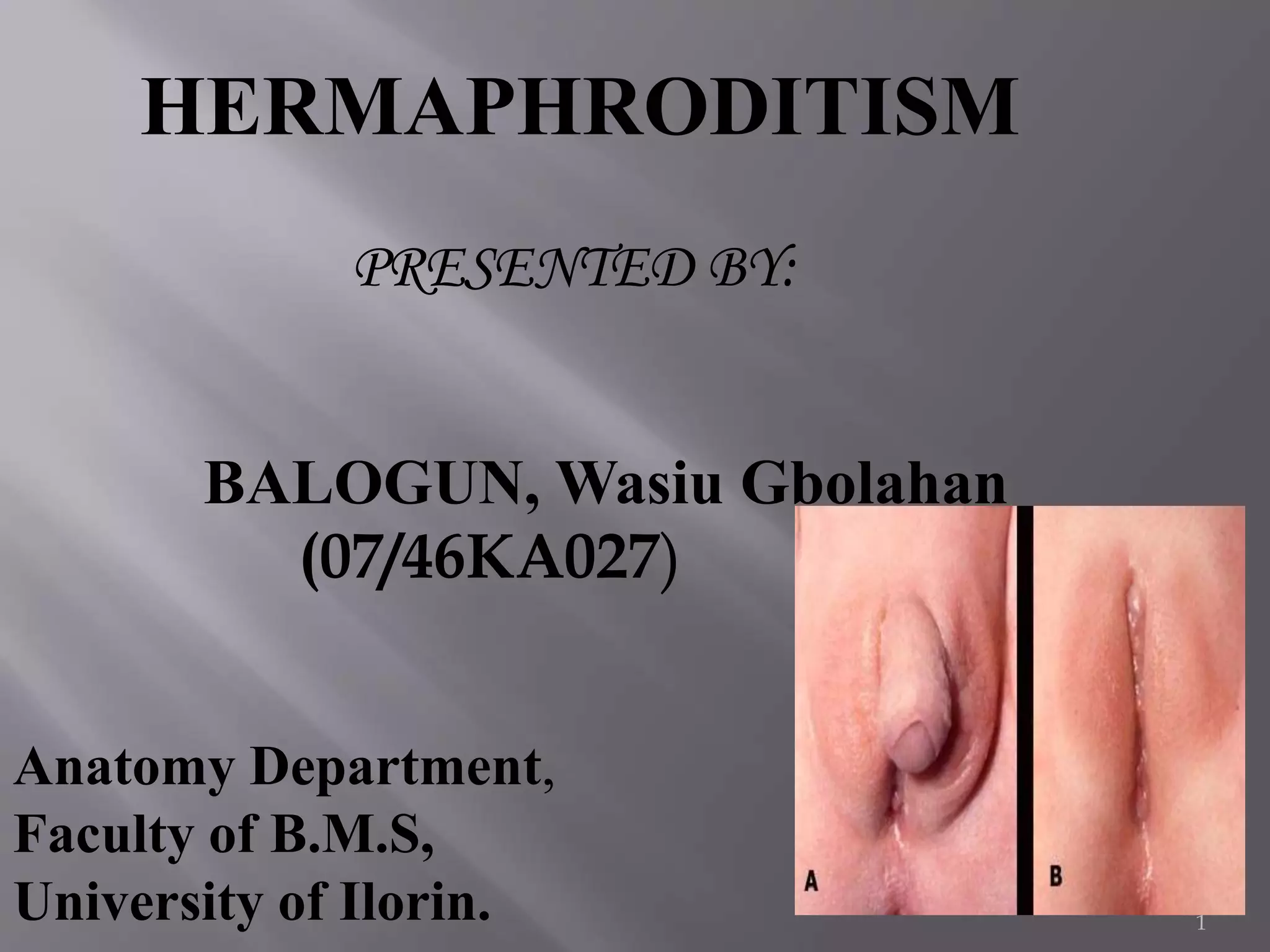
Intersex is not a monolithic category. It describes a range of biological differences that do not fit typical definitions of male or female. These variations can manifest in numerous ways, impacting chromosomes, hormones, internal reproductive organs, and external anatomy. For instance, some intersex individuals may have chromosomes that differ from XY (typically associated with males) or XX (typically associated with females), such as XXY or mosaicism. Others may have hormone levels that are not typical for their perceived sex, or gonads (testes or ovaries) that do not align with external genitalia. The visible presentation can range from subtle differences that are only discovered later in life, to more apparent variations at birth.
It is crucial to understand that intersex variations are biological realities, not choices or pathologies. The historical tendency to pathologize or attempt to “correct” these variations has caused significant harm. Contemporary perspectives emphasize acceptance, respect, and bodily autonomy. This evolving understanding directly influences how individuals identify themselves and how they choose to present their personal brand to the world. For intersex individuals, reclaiming their narrative and defining their identity on their own terms is a powerful act of self-branding.
Personal Branding in an Intersectional World
The concept of personal branding is intrinsically linked to identity. It involves consciously shaping how one is perceived by others, highlighting unique strengths, values, and experiences. In a world increasingly embracing intersectionality – the interconnected nature of social categorizations such as race, class, and gender, which create overlapping systems of discrimination or disadvantage – understanding and acknowledging diverse biological realities becomes paramount for authentic personal branding.
Authenticity as the Cornerstone of Brand Identity
Authenticity is the most potent currency in personal branding. It means aligning one’s outward presentation with their inner truth. For intersex individuals, this can involve a journey of self-discovery and acceptance. Their personal brand, therefore, is not about conforming to external expectations of gender or sex, but about embracing their unique biological makeup and lived experiences. This might involve educating others, advocating for intersex rights, or simply living their lives openly and honestly. The strength of their brand lies in their resilience, their unique perspective, and their commitment to self-definition.
Inclusive Representation: Shaping Societal Perceptions
The way individuals choose to represent themselves publicly, and the stories they share, can have a ripple effect, shaping broader societal perceptions. When intersex individuals share their experiences with courage and authenticity, they contribute to a more inclusive and informed world. This can challenge traditional binary notions of gender and sex, fostering greater empathy and understanding. For brands, understanding and embracing this diversity is not just a matter of social responsibility; it is a strategic imperative. Brands that authentically represent and engage with intersex individuals and the broader LGBTQ+ community build stronger connections with their audiences and enhance their own brand reputation as progressive and inclusive.
Brand Strategy and the Importance of Inclusive Language
The evolution in our understanding of intersex variations necessitates a corresponding evolution in brand strategy, particularly concerning language and representation. How a brand communicates, who it chooses to feature, and the narratives it amploys all contribute to its overall identity and its relationship with its consumers.
Decoding Terminology: From Outdated Labels to Respectful Discourse
The shift from “hermaphrodite person” to “intersex person” is a critical indicator of progress. Brands must be mindful of using respectful and accurate terminology. This involves educating marketing and communications teams about the nuances of sex characteristics and gender identity. When creating campaigns or content, brands should avoid outdated or offensive language and instead embrace terms that honor individual autonomy and biological diversity. This conscious effort to use inclusive language demonstrates a brand’s commitment to understanding and respecting all its potential customers.
Embracing Diversity in Marketing and Communications
Authentic representation is key. This means moving beyond tokenism and genuinely integrating intersex individuals into marketing campaigns, product development, and corporate messaging. Brands can partner with intersex advocacy groups to ensure their representation is accurate and respectful. This can involve featuring intersex models, sharing authentic intersex stories, and supporting initiatives that promote intersex rights and awareness. By weaving diversity into the fabric of their brand, companies can resonate more deeply with a wider audience, demonstrating that they value and celebrate the full spectrum of human experience. This inclusive approach not only strengthens their brand image but also contributes to a more equitable and understanding society.
The Future of Identity and Brand Evolution
As societal understanding of human diversity continues to expand, the concepts of identity and personal branding will undoubtedly evolve further. The ongoing conversations around intersex variations are a testament to this progress, pushing the boundaries of how we define ourselves and how we connect with others.
Navigating a Spectrum of Self-Definition
The future promises a greater acceptance of individuals defining their own identities, free from restrictive societal norms. For intersex individuals, this means a continued journey of empowerment, where their biological realities are understood and respected as integral parts of who they are. The personal brand of an intersex individual can be a powerful force for education and advocacy, demonstrating that identity is complex, multifaceted, and deeply personal.

Brand Adaptability in an Increasingly Diverse Landscape
For brands, the ability to adapt to this evolving landscape is crucial for long-term success. This involves a continuous commitment to learning, listening, and evolving their communication strategies. Brands that embrace inclusivity, champion diversity, and engage with authenticity will be the ones that thrive in the future. By understanding and respecting the spectrum of human experience, including intersex variations, brands can build stronger, more meaningful connections with their audiences and solidify their position as leaders in an increasingly diverse and interconnected world. This forward-thinking approach to identity and representation is not just good business; it is a reflection of a more compassionate and informed global community.
aViewFromTheCave is a participant in the Amazon Services LLC Associates Program, an affiliate advertising program designed to provide a means for sites to earn advertising fees by advertising and linking to Amazon.com. Amazon, the Amazon logo, AmazonSupply, and the AmazonSupply logo are trademarks of Amazon.com, Inc. or its affiliates. As an Amazon Associate we earn affiliate commissions from qualifying purchases.