
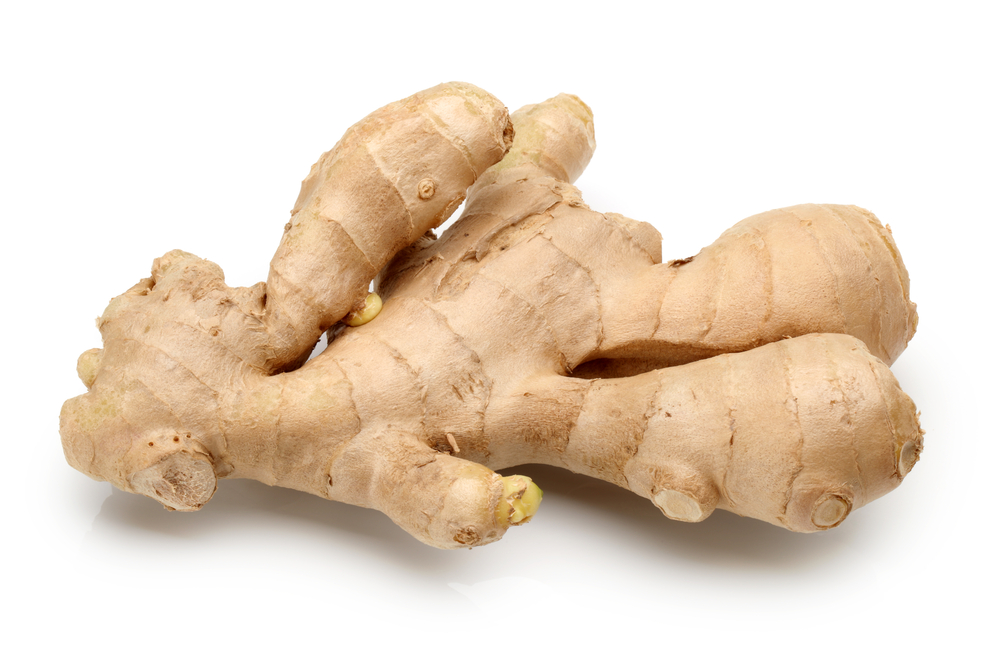
The unassuming ginger root, with its knobby exterior and fiery zest, has graced kitchens and medicine cabinets for millennia. But what exactly is ginger food? While the term might seem straightforward, it encompasses a surprisingly vast and diverse world, extending far beyond simply adding a pungent kick to your stir-fry. Ginger food isn’t just about the ingredient itself; it’s about its multifaceted role in culinary traditions, its perceived health benefits, and its surprising influence across various aspects of our lives, from the everyday to the more sophisticated.

This exploration delves into the essence of ginger food, moving beyond a simple definition to uncover its rich history, its diverse applications, and its surprising connections to the very topics that drive innovation and progress. We’ll unearth how a humble root can be a catalyst for culinary creativity, a cornerstone of wellness practices, and even subtly influence branding and market trends.
The Culinary Canvas: Exploring the Versatility of Ginger in Food
At its core, “ginger food” refers to any dish or beverage where ginger is a primary or significant flavor component. However, this broad definition hardly does justice to the sheer adaptability of this remarkable rhizome. From sweet to savory, from refreshing drinks to warming desserts, ginger’s presence transforms and elevates.
From Zest to Zing: Ginger’s Flavor Profile and Culinary Functions
Ginger’s distinctive flavor is a complex dance of sweet, spicy, and slightly peppery notes. This unique profile makes it a culinary chameleon, able to bridge flavor gaps and add depth to a wide array of dishes. Fresh ginger, when grated or minced, delivers a vibrant, pungent heat that is a hallmark of Asian cuisines, particularly in stir-fries, curries, marinades, and noodle dishes. Its aromatic oils are released when heated, creating an enticing fragrance that awakens the senses.
Beyond its raw intensity, ginger undergoes a transformation when cooked. Simmering it in broths and soups mellows its heat, infusing a comforting warmth. Candied ginger, a popular confection, undergoes a sugar-curing process that sweetens its bite, leaving a chewy, sweet-spicy treat perfect for snacking or adding to baked goods. Dried ginger, while less potent than fresh, offers a more concentrated, earthy spice that is a staple in many baking recipes, including gingerbread cookies and spiced cakes.
The textural contribution of ginger is also noteworthy. Finely grated ginger can dissolve almost imperceptibly, subtly enhancing the overall flavor profile, while thinly sliced pieces can provide a pleasant chew and a burst of flavor in dishes like pickles and preserved ginger.
Global Gastronomy: Ginger’s Reach Across Cultures
The journey of ginger food is a global one, a testament to its enduring appeal. In Asia, its birthplace, ginger is foundational. It’s an indispensable ingredient in Chinese cooking, from delicate dim sum to robust stews. In India, it’s a vital component of masalas and curries, often paired with garlic and turmeric to create aromatic pastes. Southeast Asian cuisines, such as Thai and Vietnamese, extensively use ginger in broths, salads, and marinades, appreciating its ability to cut through richness and add a refreshing lift.
Moving westward, ginger found its place in European kitchens during the Middle Ages, primarily in baked goods and spiced wines. Its warming properties were highly valued, especially during colder months. This led to the enduring tradition of gingerbread, a festive treat that continues to be popular across many Western cultures.
In the Americas, ginger’s presence is equally strong, often integrated into both traditional and modern culinary landscapes. It’s a key ingredient in Caribbean cooking, adding warmth and depth to stews and marinades. In North America, ginger ale, a fizzy beverage, has become a ubiquitous comfort drink, often recommended for digestive relief. Ginger’s integration into desserts, from pies to crumbles, further solidifies its place as a versatile flavor enhancer.
The rise of global cuisine and the increasing appreciation for diverse culinary traditions have only amplified the popularity and accessibility of ginger food. What was once a regional specialty is now a pantry staple for home cooks and a celebrated ingredient in fine dining establishments worldwide.
Ginger and Wellness: A Deeper Dive into Its Perceived Health Benefits
Beyond its culinary merits, ginger has a long and storied history as a medicinal agent. While scientific research continues to explore and validate these claims, the perception of ginger as a health-promoting food is deeply ingrained in many cultures. This association with wellness significantly influences how ginger food is viewed and consumed.
The Science of Spice: Ginger’s Traditional and Emerging Health Roles
Historically, ginger has been used to alleviate a range of ailments, most notably digestive issues. Its reputation for settling upset stomachs and combating nausea is widespread, with many reaching for ginger ale or candied ginger when feeling queasy. This anecdotal evidence is increasingly being supported by scientific studies. Gingerols, the primary bioactive compounds in ginger, are believed to possess anti-inflammatory and antioxidant properties.

Research has explored ginger’s potential in:
- Digestive Health: Studies suggest ginger can help stimulate digestion, reduce bloating, and alleviate symptoms of indigestion and irritable bowel syndrome (IBS).
- Nausea Relief: Ginger is well-known for its antiemetic properties, making it effective against various forms of nausea, including morning sickness during pregnancy and motion sickness.
- Anti-inflammatory Effects: The anti-inflammatory compounds in ginger may help reduce pain and inflammation associated with conditions like osteoarthritis.
- Antioxidant Power: Ginger’s antioxidants can help combat oxidative stress in the body, potentially contributing to long-term health.
- Pain Management: Some research indicates ginger may offer mild pain relief for conditions like menstrual cramps.
It’s important to note that while promising, much of the research is ongoing, and ginger should not be considered a substitute for professional medical advice or treatment. However, its widespread acceptance as a natural remedy contributes to the appeal of ginger food, positioning it not just as a flavorful addition but also as a choice that nourishes the body.
Integrating Wellness: Ginger in Health-Conscious Diets
The growing global focus on health and wellness has naturally led to an increased demand for ingredients perceived as beneficial. Ginger food, with its dual appeal of flavor and purported health properties, fits perfectly into this trend.
Health-conscious consumers are actively seeking out:
- Ginger Teas and Infusions: These offer a simple and accessible way to enjoy ginger’s benefits, often combined with other herbs and spices for added flavor and synergistic effects.
- Smoothies and Juices: Fresh ginger is a popular addition to these beverages, providing a zesty kick and a dose of its beneficial compounds.
- Naturally Flavored Foods: As consumers move away from artificial flavors and excessive sugar, ginger’s natural pungency offers a compelling alternative for adding complexity and interest to dishes.
- Functional Foods and Beverages: Ginger is increasingly being incorporated into specialized products marketed for their digestive support or anti-inflammatory properties.
This integration of ginger into health-focused diets underscores its evolution from a mere spice to a functional ingredient, contributing to the “ginger food” conversation in a more holistic and purposeful manner.
The Business of Zest: Ginger’s Impact on Branding and Marketing
The ubiquity and positive associations of ginger food extend beyond the kitchen and into the realm of business and branding. The spice’s distinctiveness, its health connotations, and its global appeal make it a powerful tool for companies looking to differentiate themselves and connect with consumers.
Crafting an Identity: Ginger in Brand Strategy and Messaging
Brands that leverage ginger in their products often tap into a pre-existing positive perception. Ginger can be used to evoke:
- Naturalness and Wholesomeness: Its earthy origins and perceived health benefits align with trends towards natural and minimally processed products.
- Vibrancy and Energy: The zesty and stimulating nature of ginger can be associated with vitality, alertness, and a dynamic lifestyle.
- Exoticism and Authenticity: For brands incorporating Asian or global flavors, ginger lends an air of authenticity and culinary adventure.
- Comfort and Nostalgia: Classic ginger-flavored items like gingerbread and ginger ale often evoke feelings of warmth, comfort, and childhood memories.
Companies might feature ginger prominently in their product names, packaging design, and marketing campaigns to communicate these attributes. For instance, a ginger tea brand might use imagery of lush ginger farms and vibrant spices to convey natural purity and invigorating refreshment. Similarly, a new snack bar emphasizing “natural energy” might highlight ginger as a key ingredient to suggest a healthy, stimulating boost.
From Local Markets to Global Reach: Ginger in Case Studies and Trends
The journey of ginger food from local markets to global supermarket shelves offers compelling case studies in product development and marketing success. Consider the rise of craft ginger beers and artisanal ginger ale brands, which have successfully differentiated themselves from mass-produced options by emphasizing higher quality ingredients, unique flavor profiles, and often, a stronger connection to traditional brewing methods. These brands often highlight the “real ginger” aspect, differentiating them from competitors using artificial flavorings.
Furthermore, the increasing popularity of plant-based diets and a focus on gut health has created fertile ground for ginger-infused products. Businesses that have innovated in this space, offering ginger-forward vegan yogurts, kombuchas, or ready-to-eat meals, have often seen significant market traction. These successes demonstrate how a deep understanding of consumer trends, combined with the strategic use of a well-loved ingredient like ginger, can lead to substantial business growth.
The story of ginger food, therefore, is not just about its taste or its health benefits; it’s also about its power as a branding element, its ability to connect with consumers on an emotional and experiential level, and its potential to drive innovation and market success. As consumer preferences continue to evolve, the versatile and universally appealing nature of ginger food ensures its continued relevance in the dynamic world of business and consumer culture.
aViewFromTheCave is a participant in the Amazon Services LLC Associates Program, an affiliate advertising program designed to provide a means for sites to earn advertising fees by advertising and linking to Amazon.com. Amazon, the Amazon logo, AmazonSupply, and the AmazonSupply logo are trademarks of Amazon.com, Inc. or its affiliates. As an Amazon Associate we earn affiliate commissions from qualifying purchases.