
Generalized Anxiety Disorder (GAD) is a prevalent mental health condition characterized by persistent and excessive worry about a wide range of everyday things. While the core symptoms have remained consistent throughout history, the way GAD manifests, is perceived, and is managed, is increasingly intertwined with our digital world. This article delves into what GAD disorder is, exploring its symptoms, causes, and the unique challenges and opportunities presented by technology, branding, and financial considerations in understanding and addressing this common anxiety.
Understanding the Core of Generalized Anxiety Disorder
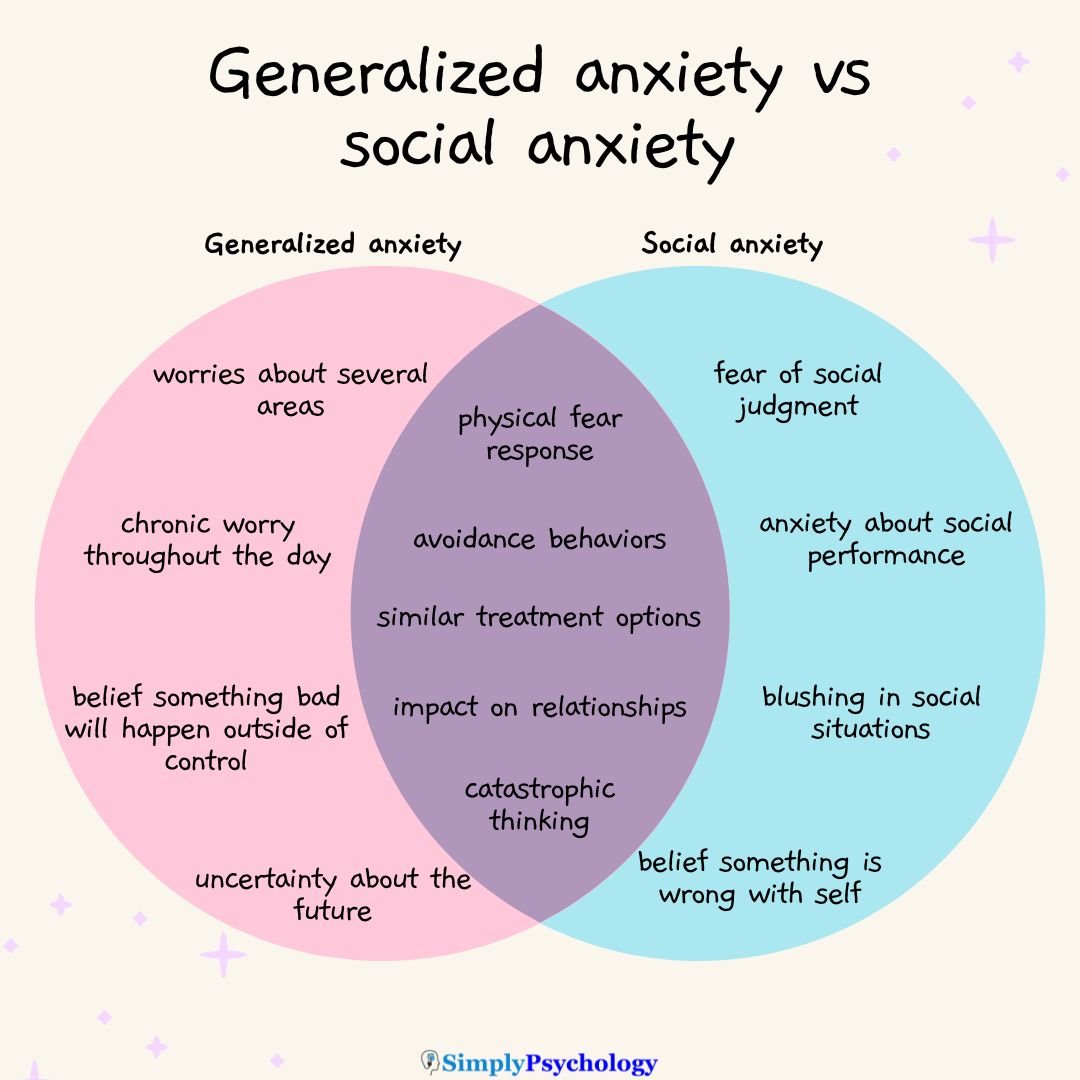
At its heart, GAD is more than just occasional worry. It’s a chronic state of apprehension that is disproportionate to the actual likelihood or impact of the feared events. Individuals with GAD find it incredibly difficult to control their worries, often feeling on edge, restless, and unable to relax. This persistent state of hypervigilance can significantly impact their daily functioning, relationships, and overall quality of life.
Key Symptoms of GAD
The Diagnostic and Statistical Manual of Mental Disorders (DSM-5) outlines several key criteria for diagnosing GAD. These include:
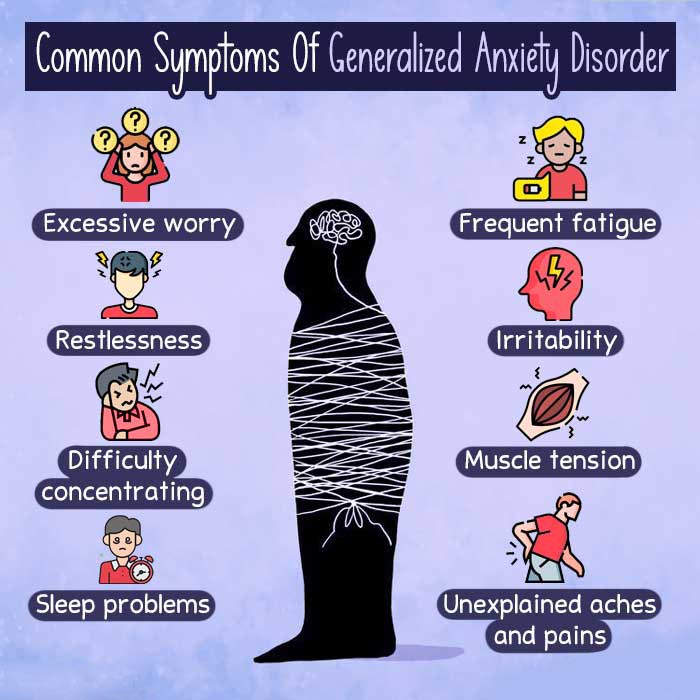
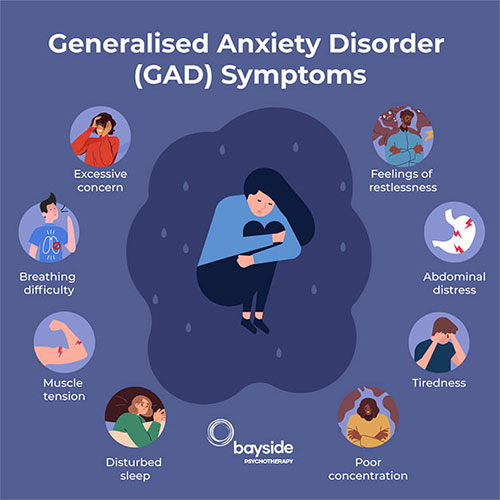
- Excessive anxiety and worry: This worry is present for at least six months, occurs more days than not, and is about a number of events or activities (such as work or school performance).
- Difficulty controlling the worry: The individual finds it hard to stop or manage their anxious thoughts.
- Associated physical and psychological symptoms: These can include:
- Restlessness or feeling keyed up or on edge.
- Being easily fatigued.
- Difficulty concentrating or mind going blank.
- Irritability.
- Muscle tension.
- Sleep disturbance (difficulty falling or staying asleep, or restless, unsatisfying sleep).
It’s important to note that these symptoms must cause clinically significant distress or impairment in social, occupational, or other important areas of functioning. This distinguishes GAD from the normal ups and downs of life where everyone experiences periods of worry.
Potential Causes and Contributing Factors
The exact causes of GAD are not fully understood, but it’s generally believed to be a complex interplay of genetic, biological, environmental, and psychological factors.
- Genetics: A family history of anxiety disorders can increase an individual’s susceptibility to developing GAD.
- Brain Chemistry: Imbalances in certain neurotransmitters, such as serotonin and norepinephrine, which regulate mood and stress response, may play a role.
- Environmental Factors: Traumatic or stressful life events, such as childhood abuse, neglect, or significant loss, can contribute to the development of GAD. Chronic stress from demanding jobs, financial worries, or relationship problems can also trigger or exacerbate symptoms.
- Personality Traits: Individuals with certain personality traits, such as a tendency towards pessimism or a need for control, might be more prone to developing GAD.
- Learned Behaviors: Observing anxious behaviors in parents or caregivers during childhood can also influence the development of GAD.
GAD in the Digital Landscape: Technology’s Double-Edged Sword
The pervasive nature of technology in modern life presents both novel challenges and valuable opportunities for individuals experiencing GAD. From constant connectivity to the curated realities of social media, the digital sphere can amplify anxieties while also offering innovative pathways to understanding and managing them.
Heightened Anxiety Through Digital Immersion
The digital age, while offering unparalleled convenience, can also act as a constant trigger for GAD symptoms.
Information Overload and the 24/7 News Cycle
The internet provides an endless stream of information, including news about global crises, economic instability, and personal tragedies. This constant exposure, often presented in a sensationalized manner, can fuel a pervasive sense of dread and helplessness, making it difficult for individuals with GAD to distinguish between genuine threats and hypothetical worries. The 24/7 news cycle means there’s no escape from distressing headlines, contributing to a constant state of alert.
Social Media’s Comparison Trap and FOMO
Social media platforms, while designed for connection, can inadvertently foster anxiety. The curated, often idealized, portrayals of others’ lives can lead to social comparison, triggering feelings of inadequacy and fueling the “fear of missing out” (FOMO). For someone already prone to worrying, seeing others seemingly living perfect lives can intensify feelings of personal failure and isolation. The pressure to maintain a positive online persona can also be a source of stress.
The Pressure of Constant Availability
The expectation of immediate responses to emails, messages, and work requests, facilitated by smartphones and various communication apps, can create a sense of constant demand. This hyper-connectivity blurs the lines between work and personal life, leaving little room for downtime and relaxation, which are crucial for managing anxiety. The fear of missing an important communication or appearing unresponsive can lead to persistent checking of devices, further fueling anxiety.
Digital Security and Privacy Concerns
For individuals with GAD, the vulnerabilities associated with digital security and privacy can become a significant source of worry. Concerns about data breaches, identity theft, online scams, and the misuse of personal information can lead to obsessive checking of online accounts, installation of numerous security apps, and a general sense of unease when engaging online. The sheer complexity of digital security can be overwhelming, creating a fertile ground for anxious rumination.
Leveraging Tech for GAD Management and Support
Despite its potential to exacerbate anxiety, technology also offers powerful tools and resources for understanding, managing, and even treating GAD.
Access to Information and Educational Resources
The internet provides an unprecedented gateway to information about GAD. Websites, blogs, and online forums offer detailed explanations of symptoms, causes, and treatment options. This accessibility empowers individuals to learn about their condition, validate their experiences, and understand that they are not alone. Educational content, including articles on coping mechanisms and self-care strategies, is readily available.
Mental Health Apps and Digital Therapeutics
A growing number of mental health apps are designed to support individuals with anxiety. These apps offer a range of features, including:
- Mindfulness and Meditation Guides: Guided meditations, breathing exercises, and mindfulness practices can help individuals calm their minds and reduce symptoms of anxiety.
- Cognitive Behavioral Therapy (CBT) Tools: Some apps provide interactive exercises and journaling prompts based on CBT principles, helping users identify and challenge negative thought patterns.
- Mood Trackers: These tools allow users to log their emotions and identify patterns, providing valuable insights into triggers and the effectiveness of coping strategies.
- Virtual Support Groups and Online Therapy: Platforms connect individuals with mental health professionals for online therapy sessions or provide access to peer support communities, offering a sense of connection and understanding.
Productivity Tools for Structure and Control
For individuals whose anxiety is linked to feelings of disorganization or overwhelm, productivity apps can be a valuable asset. Task management tools, calendar apps, and note-taking software can help create structure, break down large tasks into manageable steps, and provide a sense of accomplishment as progress is made. This can reduce the anxiety associated with feeling overwhelmed or losing control.
Digital Security Tools for Peace of Mind
While digital security can be a source of anxiety, the very tools designed to enhance it can also offer a degree of reassurance. Robust antivirus software, password managers, and secure VPN services can help mitigate the risks of cyber threats, potentially reducing the anxiety associated with online vulnerabilities. Understanding and implementing basic digital security practices can empower individuals and reduce the feeling of being exposed.
The Role of Branding and Perception in GAD
The concept of “brand” extends beyond corporate logos; it encompasses how individuals and organizations are perceived. For those with GAD, understanding how their condition is perceived – both by themselves and by others – can significantly impact their journey. Furthermore, the way mental health itself is being “branded” is evolving, offering new avenues for destigmatization and support.
Personal Branding and the Fear of Judgment
In a society that often values outward success and composure, individuals with GAD may experience significant anxiety around their “personal brand.” The fear of appearing anxious, incompetent, or unreliable can lead to attempts to mask their symptoms, which can be exhausting and counterproductive.
- The “Perfect” Image: The pressure to project a flawless image, amplified by social media, can be immense. This can lead to individuals with GAD feeling compelled to hide their struggles, fearing that admitting to anxiety will damage their reputation at work or in social circles.
- Reputation Management: Worries about how their condition might affect their professional reputation or personal relationships can become a significant source of distress. This fear can lead to overthinking interactions and constantly second-guessing their behavior.
- Internalized Stigma: Even without external judgment, individuals with GAD can internalize negative stereotypes about mental illness, leading to feelings of shame and self-blame, further compounding their anxiety.
Corporate Identity and Mental Health Initiatives
Forward-thinking organizations are increasingly recognizing the importance of employee well-being and are actively working to create inclusive environments that support mental health.
- Destigmatizing Workplace Culture: Companies that openly discuss mental health, provide resources, and foster a supportive culture help to dismantle the stigma associated with conditions like GAD. This can encourage employees to seek help without fear of reprisal.
- Brand Reputation as a Mental Health Advocate: Organizations that champion mental health initiatives can enhance their corporate identity and brand reputation. This demonstrates a commitment to their employees’ well-being, which can resonate positively with customers and stakeholders.
- Case Studies in Support: Examining companies that have successfully implemented mental health programs can provide valuable insights and serve as case studies for others looking to create similar supportive environments.
Financial Considerations and GAD
Financial stress is a well-documented trigger for anxiety. For individuals with GAD, financial worries can become a particularly persistent and debilitating concern, amplified by the complexities of personal finance and business.
Personal Finance Worries and Anxiety
The uncertainties inherent in personal finance – managing debt, saving for the future, unexpected expenses – can be a constant source of worry for anyone. For those with GAD, these concerns can take on an overwhelming dimension.
- Budgeting and Planning: The prospect of creating and sticking to a budget can feel like an insurmountable task, leading to avoidance and further financial disarray, which in turn fuels more anxiety.
- Investing and Risk Aversion: Decisions around investing can be fraught with anxiety. The fear of losing money, coupled with the complexity of financial markets, can lead to paralysis or impulsive, emotionally driven decisions.
- Online Income and Side Hustles: While often promoted as solutions for financial woes, the pursuit of online income and side hustles can introduce new anxieties. The uncertainty of income, the pressure to perform, and the potential for scams can be particularly stressful.
Financial Tools and Strategies for Anxiety Reduction
Fortunately, a range of financial tools and strategies can help mitigate financial anxiety and provide a greater sense of control.
- Budgeting Apps and Software: Numerous apps and software programs can automate budgeting, track spending, and provide clear visualizations of financial health. This can make managing money feel less daunting and more manageable.
- Financial Planning Services: Working with a financial advisor can provide expert guidance, create personalized financial plans, and offer reassurance, helping to alleviate worries about long-term financial security.
- Online Banking and Investment Platforms: While these can be sources of anxiety, when used with a clear strategy and understanding, they can also offer convenience and control. Tools that provide real-time tracking of investments and easy access to financial information can empower individuals.
- Resources for Debt Management and Financial Literacy: Access to credible information on debt management, credit scores, and basic financial literacy can equip individuals with the knowledge to make informed decisions and reduce the anxiety associated with financial insecurity.
Conclusion
Generalized Anxiety Disorder is a complex and often debilitating condition that impacts millions worldwide. While the core experience of chronic worry remains, the way GAD intersects with our modern digital lives presents unique challenges and opportunities. By understanding the amplified anxieties that technology, the pressures of branding, and financial uncertainties can bring, individuals can better equip themselves with the knowledge and tools to navigate these complexities. Simultaneously, the advancements in technology offer innovative solutions for management and support, while evolving societal attitudes towards mental health, driven partly by conscious branding efforts, pave the way for greater understanding and acceptance. Ultimately, addressing GAD requires a multi-faceted approach that acknowledges its roots, embraces technological solutions, fosters supportive environments, and empowers individuals with the financial literacy and tools to regain a sense of control and peace.
aViewFromTheCave is a participant in the Amazon Services LLC Associates Program, an affiliate advertising program designed to provide a means for sites to earn advertising fees by advertising and linking to Amazon.com. Amazon, the Amazon logo, AmazonSupply, and the AmazonSupply logo are trademarks of Amazon.com, Inc. or its affiliates. As an Amazon Associate we earn affiliate commissions from qualifying purchases.