
While the website’s primary focus often delves into the dynamic worlds of technology, brand building, and financial strategies, understanding fundamental aspects of health remains crucial for overall well-being and productivity. A fungal infection, though not directly related to software updates or investment portfolios, can significantly impact an individual’s quality of life, productivity, and even financial stability due to treatment costs and lost workdays. Therefore, demystifying what a fungal infection is becomes an essential piece of general knowledge.
Fungal infections, also known as mycoses, are illnesses caused by fungi. These fungi are ubiquitous organisms, found in the air, soil, water, and on plants and animals, including humans. While many fungi are harmless and even beneficial (think of the yeast used in baking and brewing, or the mold that produces life-saving antibiotics), some are pathogenic, meaning they can cause disease. Fungal infections can range from mild and localized, like athlete’s foot, to severe and life-threatening, particularly in individuals with weakened immune systems.

The complexity of fungal infections lies in the sheer diversity of fungi and the varied ways they interact with the human body. Unlike bacteria and viruses, fungi are eukaryotes, meaning their cells have a nucleus and other complex organelles, similar to human cells. This cellular complexity makes them more challenging to treat than bacterial infections, as many antifungal medications work by targeting specific fungal cell structures or processes that differ slightly from human cells, but with less of a distinction than exists between human and bacterial cells.
This article will explore the fundamental nature of fungal infections, breaking down their causes, common types, and the factors that make individuals susceptible. We will also touch upon the diagnostic and treatment approaches, highlighting why understanding this health concern is vital, even within the context of our technology-centric, brand-aware, and financially-minded world.
The Fungal Kingdom: A Diverse and Pervasive Presence
Before delving into infections, it’s important to appreciate the vastness of the fungal kingdom. Fungi are a distinct biological kingdom, separate from plants, animals, and bacteria. They play vital roles in ecosystems as decomposers, recycling nutrients and breaking down organic matter. They are also essential in symbiotic relationships, such as mycorrhizal fungi that help plants absorb nutrients from the soil.
However, within this diverse group are opportunistic and pathogenic fungi. Opportunistic fungi, as the name suggests, typically cause infections only when the body’s defenses are compromised. Pathogenic fungi, on the other hand, can cause disease even in healthy individuals.
The sources of fungal infections are as varied as the fungi themselves:
- Environmental Exposure: Many fungi reside in soil, dust, decaying plant matter, and even common household environments. Inhaling fungal spores or coming into contact with contaminated surfaces can lead to infection.
- Human-to-Human Transmission: Some fungal infections can spread directly from person to person through skin-to-skin contact, especially in environments where skin is moist and warm.
- Animal-to-Human Transmission: Pets and other animals can carry fungal pathogens that can be transmitted to humans through direct contact or shedding of spores.
- Contaminated Objects: Fungi can survive on various surfaces and objects, including clothing, bedding, and personal care items.
The ability of fungi to thrive in diverse environments and their varied modes of transmission underscore why fungal infections are a widespread health concern.
Understanding the Mechanisms of Fungal Infections
Fungal infections occur when a fungus breaches the body’s natural defenses and begins to multiply. Our bodies have several layers of defense against such invaders, including the skin, mucous membranes, and the immune system.
How Fungi Cause Disease
Fungi can cause disease through several mechanisms:
- Invasion and Multiplication: Pathogenic fungi possess the ability to invade host tissues and multiply, overwhelming the localized defenses.
- Production of Toxins: Some fungi produce mycotoxins, which are poisonous substances that can damage host cells and tissues, leading to a range of symptoms.
- Triggering Inflammatory Responses: The presence of fungi can trigger an inflammatory response from the immune system. While this is a protective mechanism, excessive or prolonged inflammation can cause tissue damage and contribute to disease symptoms.
- Immune Evasion: Fungi have evolved sophisticated mechanisms to evade the host’s immune system, allowing them to persist and cause chronic infections. This can include altering their cell surface, growing within host cells, or suppressing immune responses.
Factors Influencing Susceptibility
While fungi are all around us, not everyone develops an infection. Several factors can increase an individual’s susceptibility:
Weakened Immune Systems
This is perhaps the most significant factor. The immune system is the body’s primary defense against pathogens. When it’s compromised, fungi that would normally be harmless can gain a foothold and cause disease. Conditions and factors that can weaken the immune system include:
- HIV/AIDS: This virus severely damages the immune system, making individuals highly vulnerable to opportunistic fungal infections like Pneumocystis pneumonia and candidiasis.
- Cancer Chemotherapy and Radiation Therapy: These treatments, while designed to fight cancer, can also suppress the immune system, increasing the risk of fungal infections.
- Organ Transplantation and Immunosuppressive Medications: Patients who have undergone organ transplantation often take immunosuppressive drugs to prevent their bodies from rejecting the new organ. These medications also make them more susceptible to infections.
- Diabetes: Poorly controlled diabetes can impair the immune system and create an environment conducive to fungal growth, particularly yeast infections.
- Long-Term Steroid Use: Steroid medications, while effective for inflammation, can also suppress immune function over time.
- Malnutrition: A lack of essential nutrients can weaken the immune system’s ability to fight off infections.
Disruption of Natural Flora
Our bodies are home to a vast community of microorganisms, including bacteria and fungi, known as the microbiome. These natural flora play a crucial role in maintaining health by competing with harmful pathogens and supporting immune function. Disruptions to this balance can create opportunities for fungal overgrowth.
- Antibiotic Use: Broad-spectrum antibiotics kill not only harmful bacteria but also beneficial bacteria in the gut and other parts of the body. This can allow fungi, like Candida yeast, to multiply unchecked, leading to infections such as oral thrush or vaginal yeast infections.
- Changes in pH: The natural acidity of certain body sites, like the vagina, helps prevent fungal overgrowth. Changes in pH due to factors like menstruation, pregnancy, or certain hygiene practices can increase susceptibility.
Skin and Mucous Membrane Integrity
The skin and mucous membranes act as physical barriers against fungal invasion. Breaks in these barriers can provide an entry point for fungi.
- Skin Trauma: Cuts, scrapes, burns, or surgical wounds can create openings for fungi to enter the body.
- Moist Environments: Fungi, particularly yeasts, thrive in warm, moist environments. Prolonged exposure to moisture, such as from sweating, damp clothing, or inadequate drying after bathing, can promote skin fungal infections like athlete’s foot and jock itch.
- Occupational Exposures: Individuals working in environments that expose them to high humidity, prolonged water immersion (e.g., swimmers, dishwashers), or soil can be at increased risk.
Genetic Predisposition
In rare cases, certain genetic conditions can predispose individuals to specific types of fungal infections by affecting their immune response.
Understanding these factors is crucial for both prevention and for recognizing when an individual might be at higher risk, prompting them to seek medical advice.
Common Types and Manifestations of Fungal Infections
Fungal infections can affect various parts of the body, from the skin and nails to internal organs. They are broadly categorized into superficial and systemic infections.
Superficial Fungal Infections
These infections are the most common and typically affect the outermost layers of the skin, hair, and nails. They are often caused by dermatophytes, a group of fungi that feed on keratin, a protein found in these tissues.
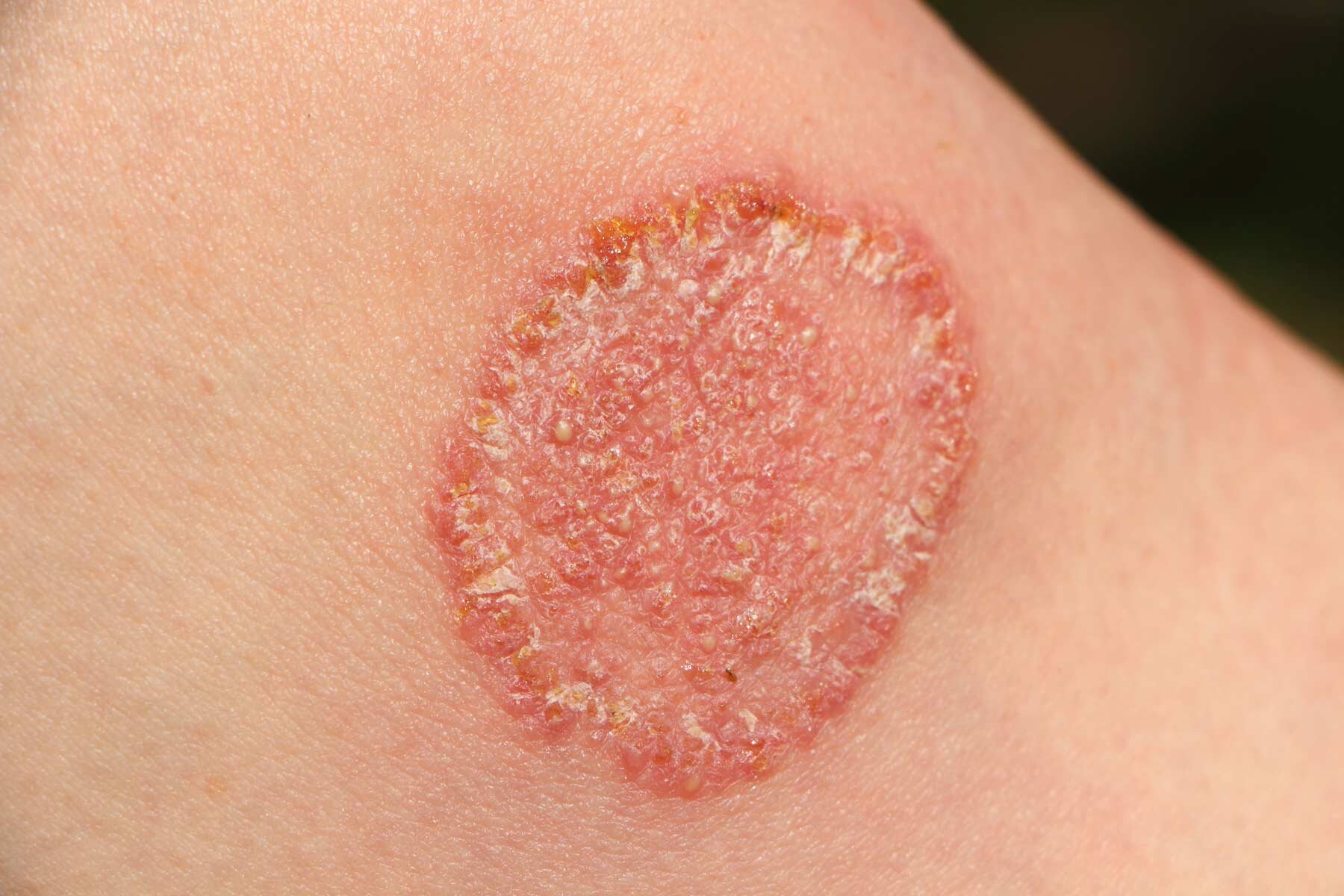
- Tinea Infections (Ringworm): Despite the name, ringworm is caused by a fungus, not a worm. It presents as itchy, red, scaly patches that often form a ring-like shape. It can occur on various parts of the body:
- Tinea pedis (Athlete’s foot): Affects the feet, causing itching, scaling, and sometimes blisters.
- Tinea cruris (Jock itch): Affects the groin area, causing an itchy rash.
- Tinea corporis (Body ringworm): Affects the trunk, limbs, and face.
- Tinea capitis (Scalp ringworm): Affects the scalp, leading to hair loss and scaling.
- Candidiasis (Yeast Infections): Caused by Candida species, most commonly Candida albicans. These are often opportunistic infections.
- Oral thrush: White patches in the mouth, common in infants, the elderly, or those with weakened immune systems or after antibiotic use.
- Vulvovaginal candidiasis (Vaginal yeast infection): Affects women, causing itching, burning, and discharge.
- Cutaneous candidiasis: Affects skin folds, such as under the breasts or in the diaper area of infants, causing a red, itchy rash.
- Onychomycosis (Nail Fungus): Affects the fingernails and toenails, causing them to become discolored, thickened, brittle, and deformed.
- Pityriasis versicolor: A common fungal infection of the skin caused by Malassezia yeast, resulting in discolored patches on the trunk and shoulders.
Systemic (Invasive) Fungal Infections
These infections are more serious and occur when fungi invade deeper tissues or spread throughout the body. They are more likely to affect individuals with weakened immune systems.
- Invasive Candidiasis: When Candida spreads beyond the superficial sites to the bloodstream, internal organs, or other parts of the body. This can be life-threatening.
- Aspergillosis: Caused by Aspergillus species, which are common molds found in the environment. In healthy individuals, inhaling spores may cause mild allergic reactions. However, in immunocompromised individuals, it can cause serious lung infections (pulmonary aspergillosis) or spread to other organs.
- Cryptococcosis: Caused by Cryptococcus species, often found in bird droppings. It can cause lung infections or meningitis (inflammation of the membranes surrounding the brain and spinal cord), particularly in people with HIV/AIDS.
- Histoplasmosis: Caused by the fungus Histoplasma capsulatum, often found in soil contaminated with bat or bird droppings. It can cause lung infections that mimic tuberculosis.
- Blastomycosis: Caused by Blastomyces dermatitidis, found in moist soil and decomposing wood. It can affect the lungs, skin, bones, and other organs.
The symptoms of fungal infections vary greatly depending on the type of fungus and the body part affected. They can range from mild itching and redness to fever, chills, respiratory distress, and severe organ damage in systemic infections.
Diagnosis and Treatment: Navigating Fungal Challenges
Accurately diagnosing a fungal infection is the first step towards effective treatment. Given the diverse nature of fungi and their potential to mimic other conditions, a medical professional’s expertise is essential.
Diagnostic Approaches
- Physical Examination: A doctor will typically begin with a thorough physical examination to assess the affected area and note any characteristic signs and symptoms.
- Microscopic Examination: Samples of skin scrapings, hair, nails, or bodily fluids can be examined under a microscope, often after being treated with potassium hydroxide (KOH) to highlight fungal elements.
- Fungal Culture: Samples can be sent to a laboratory to grow the fungi in a culture medium. This helps identify the specific species of fungus, which is crucial for determining the most effective treatment.
- Blood Tests: For suspected systemic infections, blood tests can detect the presence of fungal antigens or antibodies, indicating an infection.
- Imaging Studies: X-rays, CT scans, or MRIs may be used to assess the extent of internal fungal infections, particularly in the lungs or other organs.
- Biopsy: In some cases, a small tissue sample may be taken and examined under a microscope.
Treatment Modalities
The treatment for a fungal infection depends heavily on the type of fungus, the severity of the infection, and the patient’s overall health.
- Topical Antifungals: For superficial infections affecting the skin, nails, or mucous membranes, antifungal creams, lotions, powders, or ointments are often the first line of treatment. These are applied directly to the affected area. Examples include clotrimazole, miconazole, and terbinafine.
- Oral Antifungals: For more widespread or stubborn superficial infections, or for certain types of nail fungus, oral antifungal medications may be prescribed. These work systemically to combat the infection from within. Common oral antifungals include fluconazole, itraconazole, and terbinafine.
- Intravenous (IV) Antifungals: For severe systemic fungal infections, potent antifungal medications are administered intravenously. These are often reserved for critically ill patients or those with life-threatening infections. Examples include amphotericin B and echinocandins.
- Supportive Care: Depending on the symptoms, supportive care might include pain relief, wound care, or treatments to manage the underlying condition that has weakened the immune system.
The Importance of Adherence to Treatment
It is crucial for individuals to complete the full course of prescribed antifungal medication, even if symptoms improve, as stopping treatment prematurely can lead to recurrence of the infection and the development of drug resistance.

Prevention Strategies
While not all fungal infections can be prevented, certain measures can reduce the risk:
- Good Hygiene Practices: Regular handwashing, keeping skin clean and dry, and avoiding sharing personal items can help prevent transmission.
- Wearing Breathable Clothing and Footwear: This helps to reduce moisture and warmth, which are conducive to fungal growth, especially in areas prone to infections like athlete’s foot.
- Managing Underlying Health Conditions: Effectively managing diabetes or other chronic illnesses can strengthen the immune system and reduce susceptibility.
- Cautious Use of Antibiotics: Using antibiotics only when medically necessary can help maintain a healthy balance of natural flora.
- Avoiding Prolonged Exposure to Damp Environments: Taking precautions in environments like swimming pools or humid areas can be beneficial.
In conclusion, understanding fungal infections is not just a medical necessity but a vital component of holistic health awareness. By recognizing the diverse nature of fungi, the factors that contribute to infection, and the available diagnostic and treatment options, individuals can better protect themselves and seek appropriate care when needed. This knowledge empowers us to navigate the complexities of our health, just as we navigate the ever-evolving landscapes of technology, brand strategy, and financial management.
aViewFromTheCave is a participant in the Amazon Services LLC Associates Program, an affiliate advertising program designed to provide a means for sites to earn advertising fees by advertising and linking to Amazon.com. Amazon, the Amazon logo, AmazonSupply, and the AmazonSupply logo are trademarks of Amazon.com, Inc. or its affiliates. As an Amazon Associate we earn affiliate commissions from qualifying purchases.