
The term “face filler” has become increasingly prevalent in discussions about aesthetics and cosmetic procedures. While it might conjure images of smooth, seemingly ageless faces, understanding what face filler truly is, how it works, and its implications requires a deeper dive. This exploration will touch upon technological advancements that enable its application, the branding and marketing surrounding these treatments, and the financial considerations involved for both providers and consumers.
The Science and Technology Behind Facial Fillers
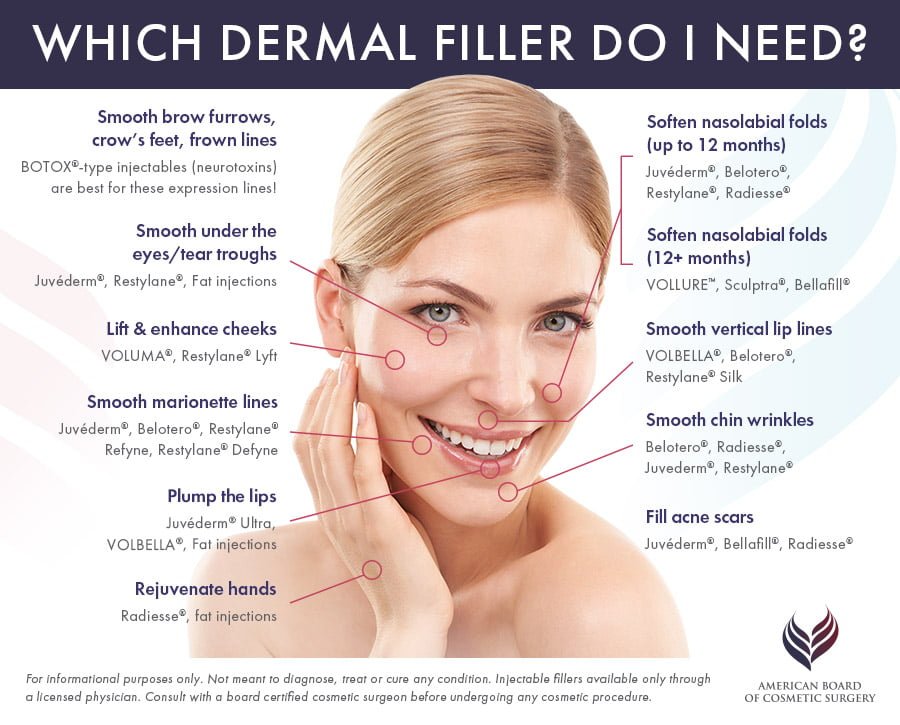
At its core, facial filler refers to injectable substances designed to restore volume, smooth wrinkles, and enhance facial contours. These are not mere cosmetic concoctions; their development and application are rooted in sophisticated scientific understanding and technological innovation.

Understanding the Injectable Substances: From Hyaluronic Acid to Biostimulators
The most common and widely recognized type of facial filler is based on hyaluronic acid (HA). This is a naturally occurring substance in the human body, found in connective tissues, cartilage, and skin. HA’s remarkable ability to attract and retain water makes it an excellent humectant, meaning it adds hydration and plumpness to the skin.
-
Hyaluronic Acid Fillers: HA fillers are synthetic versions of naturally occurring HA. They are biocompatible, meaning they are generally well-tolerated by the body and have a low risk of allergic reactions. The viscosity and particle size of HA fillers can be manipulated during manufacturing to create products with different properties, suitable for various treatment areas and desired outcomes. For instance, thinner HA gels might be used for fine lines around the lips, while firmer, more cohesive gels are ideal for cheek augmentation or defining the jawline. The technology behind HA filler production involves advanced cross-linking techniques, which bond HA molecules together, increasing their longevity and resistance to natural degradation by the body’s enzymes. This technological advancement ensures that the effects of HA fillers can last anywhere from six months to two years, depending on the product and the individual’s metabolism.
-
Calcium Hydroxylapatite (CaHA) Fillers: Another significant category of fillers utilizes calcium hydroxylapatite, a mineral component found naturally in bones and teeth. CaHA fillers are often used for deeper wrinkles and folds, and for restoring lost volume in areas like the cheeks and jaw. Beyond immediate volume restoration, CaHA fillers also act as biostimulators. This means they encourage the body to produce its own collagen over time, leading to a more sustained and natural-looking improvement in skin texture and firmness. The technology involved in CaHA filler production focuses on creating microspheres of CaHA suspended in a gel carrier. These microspheres are sized and shaped to be safe and effective when injected.
-
Poly-L-Lactic Acid (PLLA) Fillers: These are also biostimulatory fillers. PLLA is a biocompatible, biodegradable synthetic polymer that has been used in medical devices for decades. When injected, PLLA stimulates fibroblasts, the cells responsible for producing collagen, to create new collagen. This process is gradual, and results become apparent over several months as collagen is replenished. PLLA fillers are particularly effective for treating larger areas of volume loss, such as the mid-face and temples, and for improving skin elasticity and thickness. The technology behind PLLA fillers involves precise control over the molecular weight and particle size of the PLLA to ensure consistent and predictable collagen stimulation.
-
Polymethylmethacrylate (PMMA) Fillers: Less common than HA or PLLA, PMMA fillers are considered semi-permanent. They contain tiny, non-resorbable PMMA microspheres suspended in a collagen gel. The microspheres provide immediate volume, and over time, the body’s own collagen encapsulates these microspheres, creating a long-lasting framework. PMMA fillers are often used for deeper wrinkles and facial scars. The technology here lies in the precise manufacturing of PMMA beads to ensure they are smooth and uniformly sized, minimizing the risk of complications.
Advanced Application Techniques: Precision and Safety
The effectiveness and safety of facial fillers are not solely dependent on the substance itself, but also on the technology and techniques used for their administration.
-
Cannula vs. Needle: Traditionally, fillers were injected using sharp needles. However, the evolution of medical devices has introduced cannulas – blunt-tipped needles with a side port. Cannulas offer several advantages, including reduced trauma to tissues, decreased bruising and swelling, and a lower risk of intravascular injection (injecting into a blood vessel). The development of specialized cannulas of varying lengths and gauges has allowed practitioners to achieve greater precision and coverage with fewer injection points.
-
3D Imaging and Simulation: In the realm of technology, advanced imaging techniques are beginning to play a role in facial filler treatments. 3D facial scanning and simulation software can create detailed, high-resolution models of a patient’s face. These models allow practitioners to precisely map out injection areas, predict the outcome of treatments, and discuss aesthetic goals with patients in a more visual and interactive manner. This technology helps in planning treatments with unparalleled accuracy, minimizing guesswork and maximizing patient satisfaction.
-
Microcannula Technology: Further advancements in cannula technology include microcannulas, which are exceptionally thin and flexible, designed for delicate areas and for achieving subtle rejuvenation. These tools represent a significant leap in minimizing discomfort and recovery time.
The Brand of Beauty: Marketing and Perception of Face Fillers
Facial fillers are not just medical products; they are also deeply intertwined with the beauty industry and the branding of aesthetic enhancement. The way these treatments are marketed significantly influences public perception and demand.
The “Liquid Facelift” and the Power of Branding
The term “liquid facelift” is a prime example of powerful branding that associates facial fillers with a non-surgical, less invasive alternative to traditional surgical facelifts. This rebranding of injectable treatments has made them more accessible and appealing to a wider audience.
-
Brand Storytelling: Aesthetic clinics and product manufacturers often employ sophisticated branding strategies to create a narrative around their services and products. This involves highlighting the transformative power of fillers, the scientific backing, the expertise of practitioners, and the desirable outcomes – such as restored youthfulness, enhanced features, and increased confidence. High-quality imagery, testimonials, and carefully crafted messaging contribute to this brand story.
-
Influencer Marketing and Social Media: Social media platforms have become powerful marketing tools for facial fillers. Aesthetics practitioners and clinics leverage platforms like Instagram and TikTok to showcase before-and-after results, educate the public about procedures, and engage with potential clients. Influencer marketing, where individuals with a significant online following promote treatments, further amplifies the reach and desirability of fillers. The visual nature of these platforms aligns perfectly with the visual results of injectable treatments.
-
Personal Branding for Practitioners: For medical professionals offering aesthetic treatments, personal branding is crucial. A strong personal brand, built on expertise, reputation, and a consistent aesthetic philosophy, attracts clients. This involves everything from the clinic’s interior design to the practitioner’s communication style and their online presence.
Ethical Considerations in Branding
While branding can drive demand, it also raises ethical questions, particularly regarding the portrayal of results and managing patient expectations.
-
“The Filtered Face” Phenomenon: The widespread use of digital filters on social media can create unrealistic expectations about natural beauty and the outcomes of cosmetic procedures. This can lead to a desire for an overly “perfected” or “filtered” look in real life, which can be difficult and sometimes unhealthy to achieve. Brands need to be mindful of promoting responsible aesthetics that enhance natural features rather than creating artificial appearances.
-
Transparency and Informed Consent: Effective branding also necessitates transparency. Potential clients need to be fully informed about the risks, benefits, and limitations of facial fillers. This includes understanding the different types of fillers, their longevity, potential side effects, and the importance of choosing a qualified and experienced practitioner.
The Financial Landscape of Face Fillers
The financial aspects of facial fillers are multifaceted, impacting both the businesses that provide them and the individuals who seek them. From investment in technology to the cost of treatment, understanding the economics is essential.
Investment and Overhead for Providers
For clinics and medical practices offering facial filler treatments, there is a significant financial investment involved.
-
Product Procurement: The cost of purchasing high-quality, FDA-approved facial fillers from reputable manufacturers represents a substantial ongoing expense. The price of fillers can vary significantly based on brand, type of substance, and volume.
-
Technology and Equipment: While fillers themselves are injectable, the technology to administer them safely and effectively also carries a cost. This includes advanced injection tools like specialized cannulas, as well as diagnostic and imaging equipment that can aid in precise treatment planning.
-
Training and Education: Practitioners must undergo extensive training and continuous education to stay abreast of the latest techniques, safety protocols, and product advancements. This investment in professional development is crucial for maintaining a high standard of care.
-
Marketing and Branding Expenses: As discussed earlier, effective marketing and branding require financial outlay. This can include website development, social media management, advertising campaigns, and professional photography.
-
Operational Costs: Standard business operating costs, such as rent for clinic space, staff salaries, insurance, and administrative overhead, also contribute to the overall financial picture of a practice offering fillers.
The Cost of Treatment for Consumers
For individuals seeking facial filler treatments, the cost is a primary consideration.
-
Per Syringe Pricing: Facial fillers are typically priced per syringe. The number of syringes required depends on the area being treated, the extent of volume loss, and the desired outcome. A single syringe of HA filler can range from a few hundred to over a thousand dollars, depending on the brand and location.
-
Area of Treatment: Treatments for larger areas or those requiring more complex techniques, such as cheek augmentation or jawline contouring, generally demand more syringes and thus a higher overall cost compared to treatments for fine lines around the lips.
-
Practitioner’s Expertise and Location: The fees charged by practitioners can also vary based on their experience, reputation, and geographic location. Highly sought-after injectors in major metropolitan areas often command higher prices.
-
Longevity and Maintenance: It’s important for consumers to understand that facial fillers are not permanent. The cost of treatment is an investment in a temporary enhancement. To maintain results, repeat treatments are necessary, adding to the long-term financial commitment.
-
Understanding Value vs. Price: While cost is a significant factor, consumers are often advised to prioritize value over simply the lowest price. This means seeking out qualified, experienced practitioners who use reputable products and prioritize safety and natural-looking results. A cheaper treatment performed by an inexperienced provider can lead to complications and ultimately a more costly resolution.
-
Financial Planning: For those who regularly undergo filler treatments, integrating these costs into their personal finance planning is essential. This might involve setting aside a dedicated budget or exploring financing options if available through some clinics.

Conclusion: A Blend of Art, Science, and Commerce
Facial fillers represent a fascinating intersection of advanced technology, sophisticated branding, and significant financial considerations. From the intricate science behind hyaluronic acid and biostimulators to the powerful marketing that shapes public perception, and the substantial investments required by both providers and consumers, understanding “what is face filler” goes far beyond a simple definition. It encompasses a complex ecosystem where innovation drives efficacy, brand narratives influence desire, and financial realities dictate accessibility. As the field continues to evolve, driven by technological advancements and a deeper understanding of facial anatomy and aesthetics, the landscape of facial fillers will undoubtedly continue to shape the future of cosmetic enhancement.
aViewFromTheCave is a participant in the Amazon Services LLC Associates Program, an affiliate advertising program designed to provide a means for sites to earn advertising fees by advertising and linking to Amazon.com. Amazon, the Amazon logo, AmazonSupply, and the AmazonSupply logo are trademarks of Amazon.com, Inc. or its affiliates. As an Amazon Associate we earn affiliate commissions from qualifying purchases.