
In a world often chasing external stimuli for happiness and motivation, the answer might lie surprisingly within us. The human body, a marvel of intricate biological processes, possesses a natural pharmacy that can elevate our mood, alleviate pain, and even boost our performance. At the heart of this internal alchemy is the endorphin hormone, a fascinating group of neurochemicals that play a pivotal role in our well-being. While the title “What is Endorphin Hormone?” might suggest a purely scientific dive, understanding its implications extends far beyond the laboratory, touching upon the very essence of productivity, branding, and even financial well-being.
The Science Behind the Bliss: Understanding Endorphins
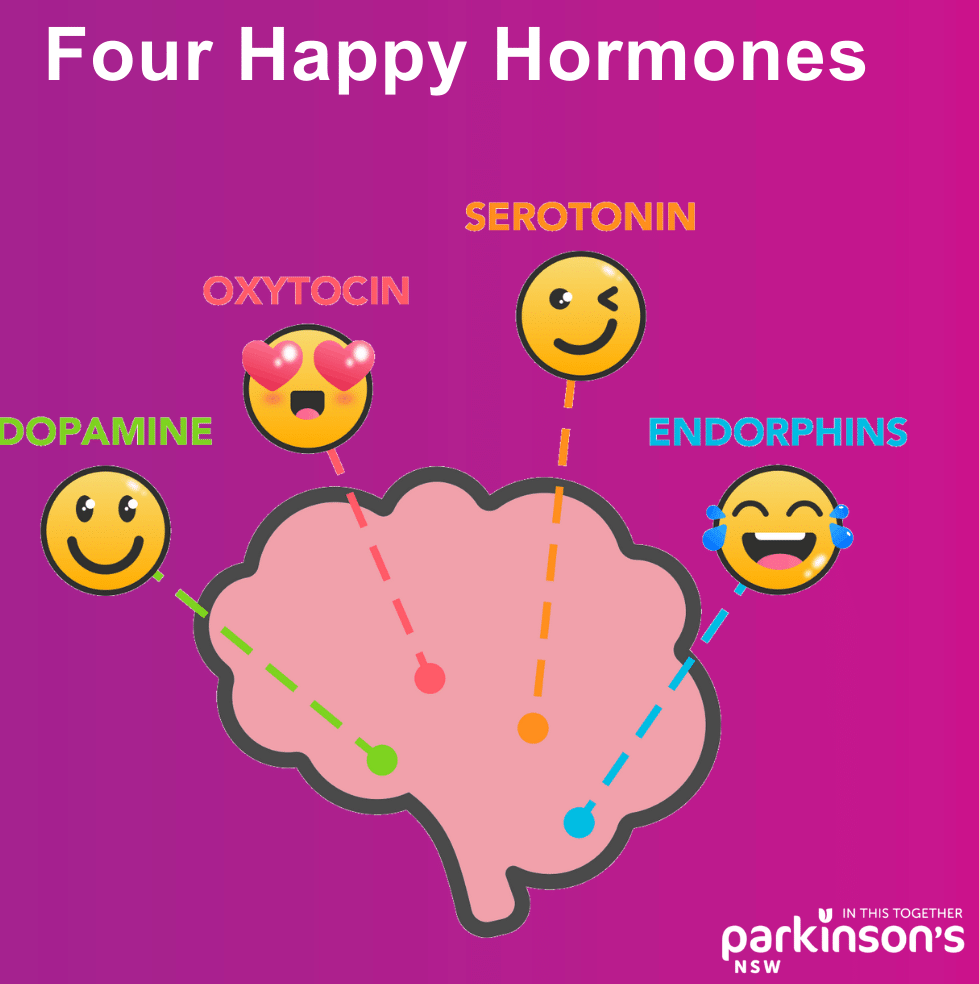
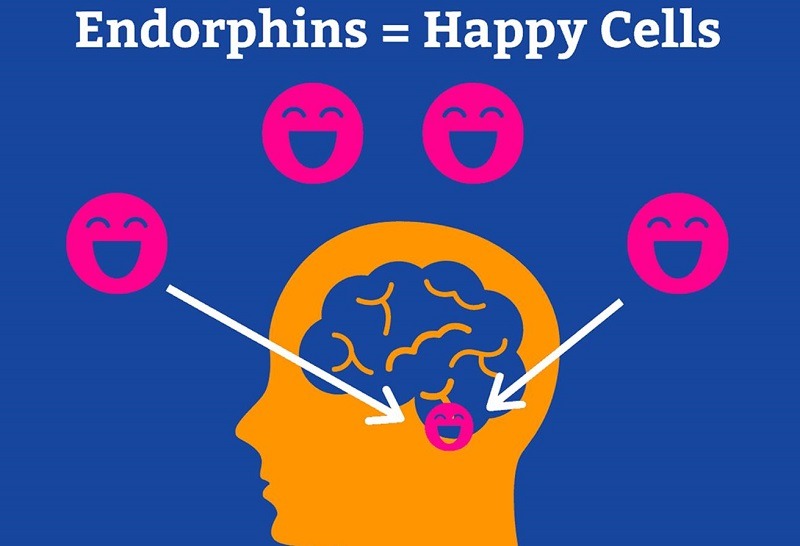
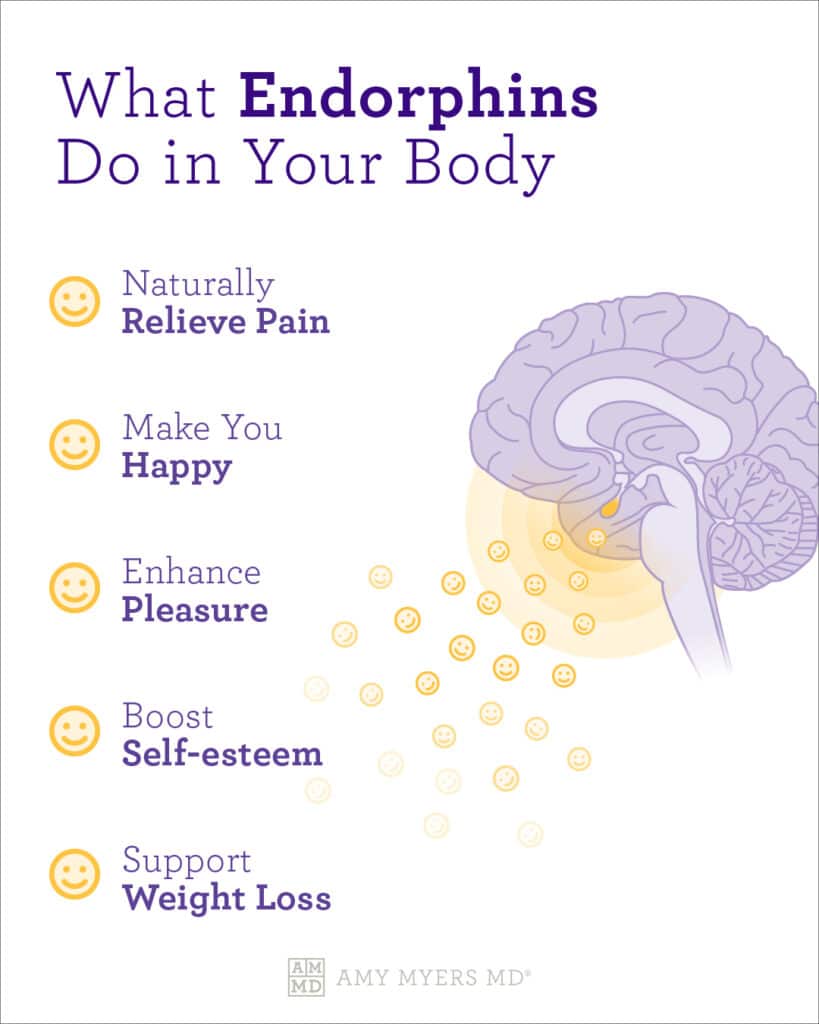
Endorphins, a portmanteau of “endogenous morphine,” are peptide hormones produced by the pituitary gland and the hypothalamus in the central nervous system. They act as natural analgesics, meaning they have pain-relieving properties, and also as mood elevators. Think of them as your body’s built-in reward system and stress-management tools. When you experience pleasure, excitement, or even stress, your brain releases endorphins. These molecules then bind to opioid receptors in your brain, blocking the transmission of pain signals and creating a sense of euphoria or well-being.
The term “hormone” is key here. Hormones are chemical messengers that travel through the bloodstream, regulating a vast array of bodily functions. Endorphins, as neurochemicals, also exert their influence by interacting with specific receptors, but their primary action is within the nervous system, influencing how we perceive pain and experience pleasure.
The Diverse Family of Endorphins
It’s important to understand that “endorphin” isn’t a single entity but rather a family of peptides. The most well-studied and prominent members include:
- Beta-endorphin: This is the most potent and well-known endorphin. It’s released in response to stress, pain, and exercise, and it’s a significant contributor to the “runner’s high.”
- Dynorphins: These are a group of peptides that can have both analgesic and dysphoric effects, meaning they can sometimes lead to feelings of discomfort or unease, particularly when they bind to specific opioid receptor subtypes.
- Enkephalins: These are a class of endogenous opioid peptides that play a role in pain modulation and reward pathways.
The interplay between these different endorphins and their specific receptor interactions creates the nuanced spectrum of feelings we experience, from profound pain relief to subtle shifts in mood.
Triggering Your Inner Pharmacy: How to Stimulate Endorphin Release
The good news is that you don’t need a prescription to tap into your body’s natural mood boosters and pain relievers. Several everyday activities and experiences can significantly increase endorphin levels. Understanding these triggers allows us to strategically incorporate them into our lives, fostering not only physical and mental well-being but also enhancing our capacity for innovation, branding, and financial success.
The Power of Movement: Exercise and Endorphins
Perhaps the most widely recognized endorphin trigger is physical activity. When you engage in strenuous or prolonged exercise, your body releases endorphins to help manage the discomfort and fatigue associated with exertion. This phenomenon is famously known as the “runner’s high,” a feeling of exhilaration, reduced perception of pain, and enhanced mood that can follow intense workouts.
However, it’s not just about high-impact activities. Moderate exercise, such as brisk walking, swimming, or cycling, can also contribute to endorphin release. The key is consistency and finding activities you enjoy. The benefits extend beyond the immediate mood boost; regular exercise can improve sleep quality, reduce stress hormones, and contribute to better overall physical and mental health, all of which are foundational for peak performance in any field.
The Sweetness of Connection: Social Interaction and Endorphins
Humans are inherently social creatures, and our connections with others have a profound impact on our well-being. Engaging in positive social interactions, such as spending time with loved ones, laughing with friends, or participating in group activities, can stimulate endorphin release. The shared experience of joy and connection acts as a powerful mood enhancer.
This highlights the importance of building strong personal and professional networks. In the realm of Personal Branding, authentic connections and positive interactions are crucial for building trust and rapport. For businesses, fostering a positive and collaborative company culture can lead to increased employee morale and productivity, a direct benefit of stimulated endorphin levels.
The Comfort of Indulgence: Food and Endorphins
Certain foods and eating experiences can also trigger endorphin release. Chocolate, for instance, is often cited as a mood enhancer, and while the scientific mechanisms are complex and involve other compounds, the pleasure derived from its taste and texture can contribute to endorphin production. Similarly, indulging in a favorite meal or enjoying a shared dining experience can lead to feelings of contentment and happiness.
However, it’s important to strike a balance. While occasional indulgence can be beneficial, relying on food for constant mood regulation can lead to unhealthy habits. The key is mindful consumption and savoring the experience. From a Personal Finance perspective, understanding how to budget for enjoyable experiences like dining out, without overspending, is crucial for maintaining a healthy financial life.
The Flow of Creativity: Music, Art, and Endorphins
Engaging with art, music, and other forms of creative expression can also be a potent endorphin trigger. Listening to music that moves you, creating something with your own hands, or immersing yourself in a captivating story can all lead to a sense of pleasure and emotional release. This is particularly true when you engage in activities that induce a state of “flow,” where you are fully immersed and focused on the task at hand.
For those in Tech, embracing creativity is essential for innovation. Developing new AI tools or designing intuitive apps often requires a deep dive into creative problem-solving, which can be fueled by endorphin release. Similarly, in Brand Strategy, understanding how to evoke emotional responses through compelling narratives and aesthetics relies on tapping into the psychological and physiological mechanisms that endorphins influence.
Endorphins: The Unsung Heroes of Productivity and Performance
The implications of endorphin release extend far beyond simply feeling good. They are crucial for optimizing our capacity to perform, innovate, and achieve our goals, whether in our personal lives, professional careers, or financial pursuits.
Endorphins and the Edge in Technology and AI
In the fast-paced world of Technology, particularly with the rapid advancements in AI Tools and software development, sustained focus and problem-solving are paramount. Endorphins can play a significant role here. By reducing stress and anxiety, they create a mental space conducive to deep work and creative thinking.
When developers and researchers experience a sense of flow and accomplishment, often facilitated by endorphin release, their capacity to tackle complex challenges and generate innovative solutions is amplified. The “aha!” moments in coding or algorithm design might be subtly influenced by the body’s natural reward system at work. Furthermore, the discipline required for continuous learning and mastering new Gadgets and Apps can be sustained by the positive reinforcement that endorphins provide.
Branding and the Endorphin Effect: Connecting with Consumers
In the realm of Brand Strategy, understanding human psychology is key to building lasting connections. Endorphins offer a fascinating insight into how consumers experience brands. Brands that successfully evoke positive emotions – joy, excitement, nostalgia, or a sense of belonging – are more likely to trigger endorphin release in their audience. This leads to stronger brand recall, increased loyalty, and a more positive brand perception.
Think about the endorphin rush associated with experiencing a thrilling movie trailer, the comforting feeling of using a beloved product, or the shared excitement at a live event sponsored by a brand. These are all instances where brands can intentionally or unintentionally tap into our natural pleasure pathways. Marketing campaigns that focus on emotional resonance, rather than just product features, are often more effective because they leverage the power of endorphins to create memorable experiences. Corporate Identity and Reputation are built on the accumulation of these positive emotional associations.
Financial Well-being and the Endorphin Advantage
While it might seem counterintuitive, endorphins also have a role to play in our Financial lives. The stress and anxiety associated with financial challenges can deplete our mental resources, hindering our ability to make sound decisions. Conversely, experiencing positive emotions and a sense of control, often linked to endorphin release, can foster a more proactive and optimistic approach to Personal Finance.
Engaging in activities that promote well-being, such as exercise, spending time with loved ones, or pursuing hobbies, can indirectly benefit our financial health by improving our focus and decision-making abilities. When we feel good, we are more likely to be disciplined with our spending, strategic with our investments, and resilient in the face of financial setbacks. For those exploring Online Income or Side Hustles, maintaining a positive mindset and managing stress effectively are crucial for sustained effort and success. The pursuit of financial goals can itself be a source of endorphin release when milestones are achieved, creating a virtuous cycle of motivation.
Harnessing Your Inner Powerhouse: Practical Strategies
Given the profound impact of endorphins on our mood, performance, and overall well-being, actively seeking ways to stimulate their release is a powerful self-improvement strategy.
Embracing Movement for Mental Clarity
Prioritize regular physical activity. This doesn’t mean you need to become an elite athlete. Find an activity you genuinely enjoy, whether it’s dancing, hiking, gardening, or playing a sport. The goal is consistency. Even short bursts of moderate exercise can make a difference. Consider integrating movement into your workday, such as taking walking meetings or incorporating short stretching breaks.
Cultivating Social Bonds
Invest time and energy in your relationships. Nurture connections with family, friends, and colleagues. Engage in activities that foster laughter, shared experiences, and mutual support. In a professional context, building strong rapport and trust with clients and team members can contribute to a more positive and productive work environment.
Finding Joy in the Everyday
Practice mindfulness and gratitude. Take moments to savor simple pleasures, whether it’s a delicious meal, a beautiful sunset, or a good book. Engage in hobbies and activities that bring you joy and a sense of accomplishment. Don’t underestimate the power of laughter; seek out opportunities to be amused and share a good laugh.
The Interconnectedness of Well-being and Success
Ultimately, understanding the role of the endorphin hormone reveals a fundamental truth: our physical and mental well-being are intrinsically linked to our ability to thrive in all areas of life. By consciously and consistently engaging in activities that stimulate endorphin release, we are not just chasing fleeting happiness; we are actively building a foundation for sustained productivity, creative innovation, effective branding, and sound financial management. The power to unlock natural bliss and achieve peak performance lies not in external fixes, but within our own remarkable biology.
aViewFromTheCave is a participant in the Amazon Services LLC Associates Program, an affiliate advertising program designed to provide a means for sites to earn advertising fees by advertising and linking to Amazon.com. Amazon, the Amazon logo, AmazonSupply, and the AmazonSupply logo are trademarks of Amazon.com, Inc. or its affiliates. As an Amazon Associate we earn affiliate commissions from qualifying purchases.