
The term “elevated BP” is a straightforward yet critically important one, referring to elevated blood pressure, commonly known as high blood pressure or hypertension. In today’s fast-paced, technologically driven world, understanding this condition is more vital than ever. While the core physiological mechanisms of elevated BP remain constant, the way we track, manage, and even prevent it is increasingly intertwined with technology, branding, and financial considerations. This article delves into what elevated BP is, its implications, and how it intersects with the key pillars of our modern lives: tech, brand, and money.
Understanding the Basics: What is Elevated Blood Pressure?
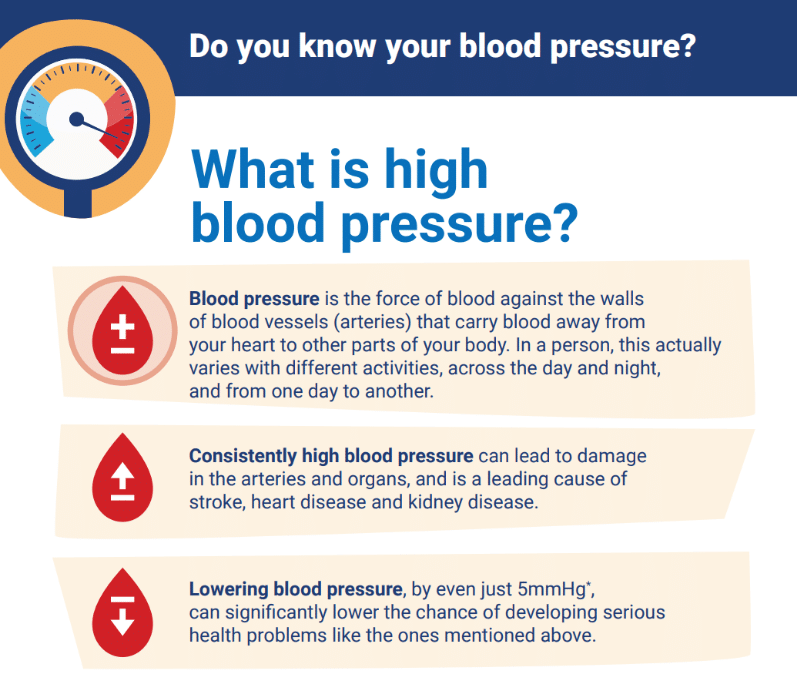
At its core, blood pressure is the force of blood pushing against the walls of your arteries. This pressure is necessary to circulate blood throughout your body, delivering oxygen and nutrients to your organs and tissues. When this pressure consistently remains higher than normal, it’s termed elevated blood pressure.
The Numbers Game: Systolic and Diastolic Pressure
Blood pressure readings are expressed as two numbers:
- Systolic pressure (the top number): This measures the pressure in your arteries when your heart beats, pushing blood out.
- Diastolic pressure (the bottom number): This measures the pressure in your arteries when your heart rests between beats.
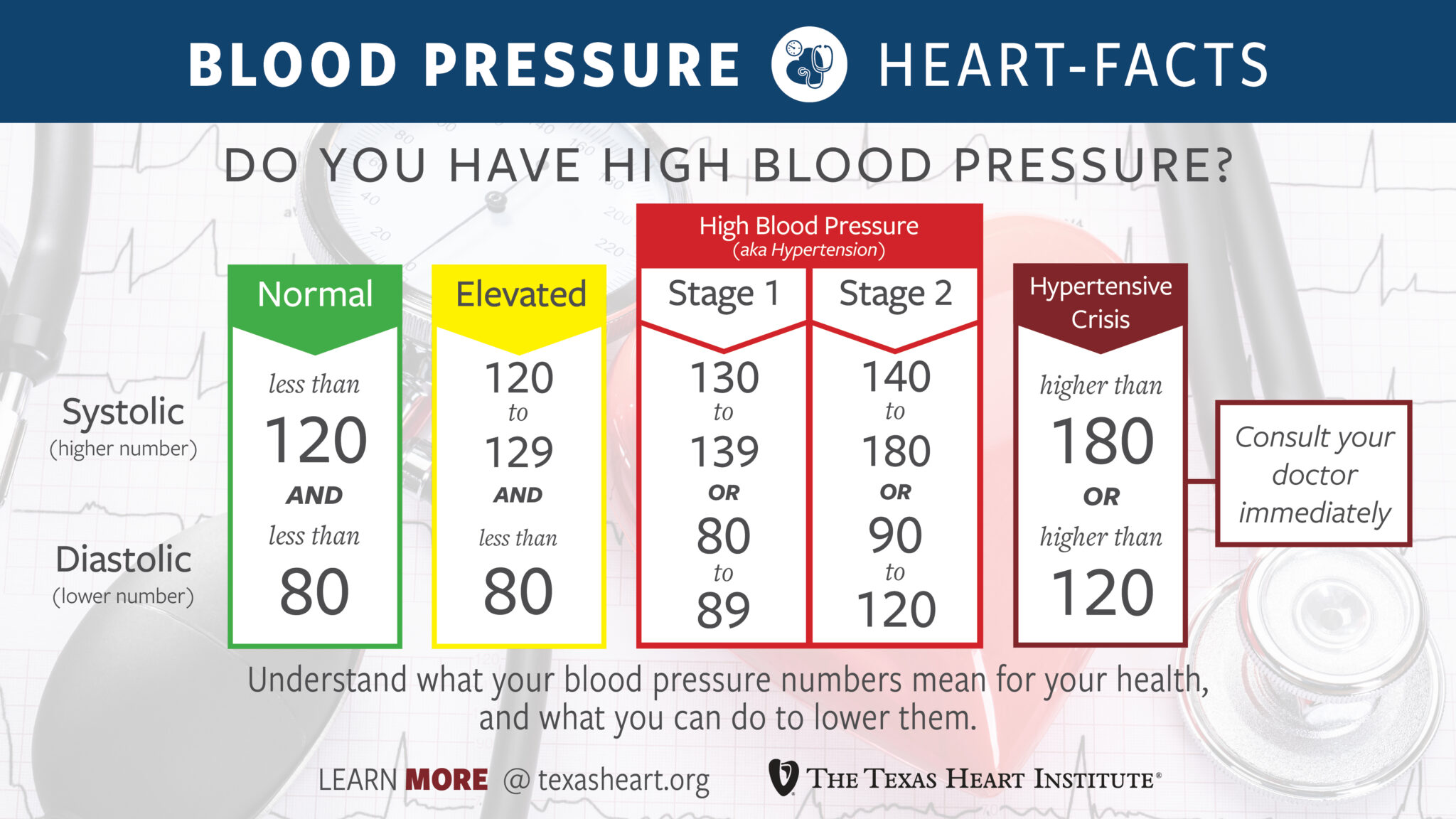
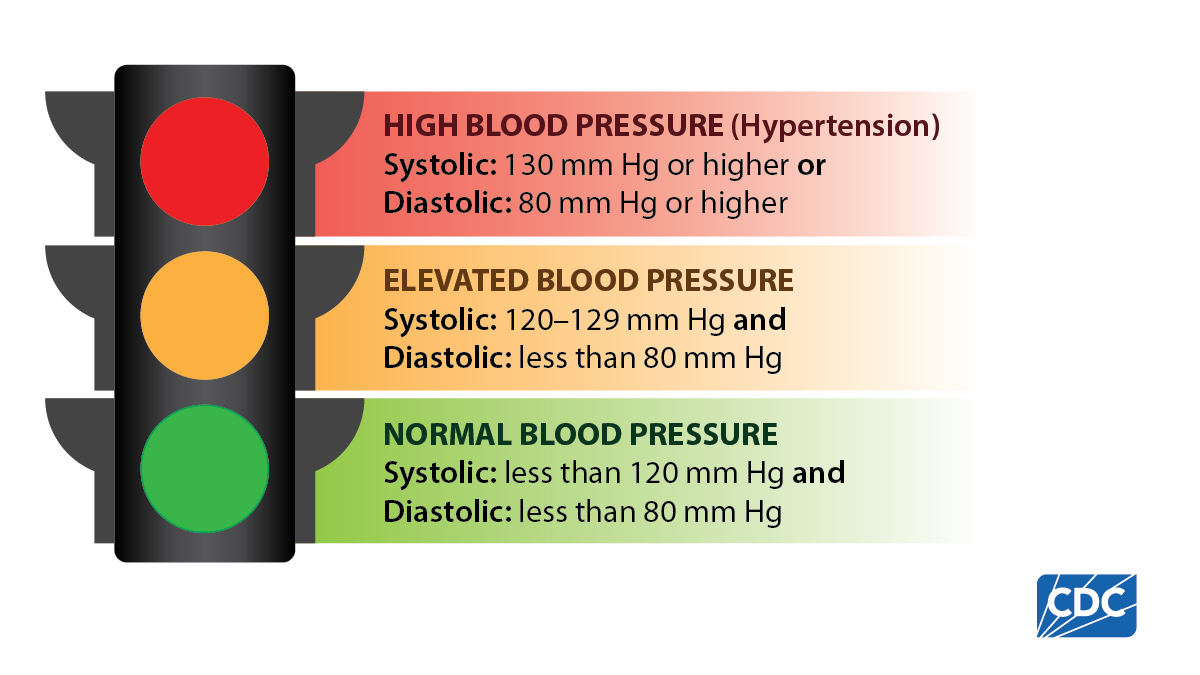
A typical healthy blood pressure reading is generally considered to be below 120/80 mmHg (millimeters of mercury). However, the thresholds for what constitutes “elevated” can vary slightly depending on the source and the specific context. Generally, the American Heart Association and American College of Cardiology define blood pressure categories as follows:
- Normal: Less than 120/80 mmHg
- Elevated: Systolic between 120-129 mmHg AND diastolic less than 80 mmHg
- Stage 1 Hypertension: Systolic between 130-139 mmHg OR diastolic between 80-89 mmHg
- Stage 2 Hypertension: Systolic 140 mmHg or higher OR diastolic 90 mmHg or higher
- Hypertensive Crisis: Systolic higher than 180 mmHg and/or diastolic higher than 120 mmHg
The term “elevated BP” specifically refers to the category where the systolic pressure is in the 120-129 mmHg range, and the diastolic pressure is below 80 mmHg. This is a crucial stage because it signifies a warning sign, indicating that blood pressure is higher than normal but not yet in the hypertensive range. It’s a critical juncture where proactive lifestyle changes can significantly prevent the progression to full-blown hypertension and its associated risks.
Why is Elevated BP a Concern? The Silent Danger
Elevated blood pressure, even when not yet classified as hypertension, isn’t just a number. It’s a sign that your cardiovascular system is under increased strain. Over time, this sustained pressure can damage blood vessels, leading to a range of serious health problems. These include:
- Heart Disease: Increased risk of heart attack, heart failure, and arrhythmias.
- Stroke: Damage to blood vessels in the brain can lead to a stroke.
- Kidney Disease: Reduced blood flow to the kidneys can impair their function.
- Vision Problems: Damage to blood vessels in the eyes can lead to vision loss.
- Peripheral Artery Disease (PAD): Narrowing of arteries in the limbs.
- Sexual Dysfunction: Affecting both men and women.
The danger lies in the fact that elevated BP often has no symptoms, earning it the moniker “the silent killer.” Many individuals remain unaware of their elevated readings until a serious health event occurs. This underscores the importance of regular check-ups and monitoring.
Tech’s Role in Tracking and Managing Elevated BP
The technological revolution has profoundly impacted how we understand, monitor, and manage our health, and elevated BP is no exception. From advanced diagnostic tools to personal tracking apps, technology empowers individuals with greater awareness and control.
Smart Devices for Smarter Health
The proliferation of wearable technology and smart home devices has made blood pressure monitoring more accessible and integrated into daily life.
- Smart Blood Pressure Monitors: These devices connect wirelessly to smartphones or tablets, automatically logging readings and tracking trends over time. Many offer historical data analysis, allowing users to identify patterns, share information with their healthcare providers, and gain insights into how lifestyle factors might be affecting their BP.
- Wearable Fitness Trackers: While not typically designed for precise medical BP measurement (though some are emerging with this capability), many fitness trackers offer heart rate monitoring and can provide an indirect indication of cardiovascular strain. They encourage physical activity, a cornerstone of BP management, and can contribute to an overall healthier lifestyle.
- Health Apps and Platforms: A vast ecosystem of health and wellness apps exists, many of which are designed to track blood pressure. These apps can serve as digital diaries for BP readings, medication reminders, and educational resources. Some even integrate with other health data from wearables, providing a holistic view of an individual’s health.
AI and Data-Driven Insights
Artificial intelligence (AI) and sophisticated data analytics are beginning to play a significant role in understanding and predicting health outcomes, including elevated BP.
- Predictive Analytics: AI algorithms can analyze vast datasets of patient information, identifying subtle patterns and risk factors that might predict an increased likelihood of developing hypertension or experiencing complications from elevated BP. This can lead to more personalized preventative strategies.
- Personalized Recommendations: Based on tracked data and AI analysis, digital tools can offer personalized lifestyle recommendations, such as exercise routines, dietary suggestions, and stress management techniques tailored to an individual’s specific BP profile and lifestyle.
- Remote Patient Monitoring: In conjunction with healthcare providers, AI-powered platforms can facilitate remote patient monitoring, allowing for early detection of concerning trends and timely interventions, especially beneficial for individuals with chronic conditions or those living in remote areas.
Digital Security and Privacy Concerns
As we entrust more personal health data to digital platforms, concerns around digital security and privacy become paramount. Ensuring that health apps and devices use robust encryption and adhere to strict privacy policies is crucial for maintaining user trust and safeguarding sensitive information. Patients should be vigilant about the data they share and the permissions they grant to health-related applications.
The Brand of Health: Cultivating a Healthy Lifestyle Identity
In a world saturated with information and marketing, the concept of “brand” extends beyond commercial products to encompass how we present ourselves and the lifestyles we aspire to. Cultivating a healthy lifestyle, including managing elevated BP, can be viewed through a branding lens.
Personal Branding for Well-being
For individuals, adopting a proactive approach to health can be seen as a form of personal branding. It’s about projecting an image of vitality, responsibility, and self-care.
- Consistency and Authenticity: Just as a strong brand is consistent, a commitment to healthy habits – regular exercise, balanced diet, stress management – reinforces a personal brand of well-being. Authenticity in these efforts means making sustainable changes rather than pursuing fleeting trends.
- Reputation and Influence: Individuals who prioritize their health often become role models and influencers within their social circles. Their dedication can inspire others to adopt similar healthy habits, creating a positive ripple effect.
- Case Studies in Success: Sharing personal journeys and successes in managing elevated BP (while respecting privacy) can serve as powerful case studies for others facing similar challenges. This can inspire hope and provide practical guidance.
Corporate Identity and Employee Wellness
For organizations, promoting employee wellness and supporting the management of conditions like elevated BP is increasingly becoming a crucial aspect of their corporate identity.
- Employer Branding: Companies that invest in comprehensive employee wellness programs, including health screenings and resources for managing conditions like elevated BP, can enhance their reputation as employers of choice. This attracts top talent who value a supportive and health-conscious work environment.
- Productivity and Engagement: A healthy workforce is a more productive and engaged workforce. By proactively addressing health concerns, businesses can reduce absenteeism, improve morale, and foster a more positive and efficient workplace.
- Marketing and Social Responsibility: Brands that demonstrate a genuine commitment to health and well-being through their products, services, or corporate initiatives can build stronger customer loyalty and a more positive public perception. This aligns with growing consumer demand for socially responsible businesses.
Financial Implications of Elevated BP: Investing in Your Health
Managing elevated blood pressure has significant financial implications, both in terms of direct healthcare costs and the economic impact of related health complications. Viewing health as an investment is crucial for long-term financial well-being.
Personal Finance and Health Costs
The financial burden of elevated BP can be substantial.
- Healthcare Expenses: Regular doctor’s visits, diagnostic tests, prescription medications, and potential hospitalizations due to complications all contribute to healthcare costs. Early detection and management of elevated BP can help mitigate these expenses in the long run.
- Insurance Premiums: Individuals with pre-existing conditions, including hypertension, may face higher health insurance premiums. Proactively managing BP can potentially lead to more favorable insurance rates over time.
- Lost Income: Serious health complications arising from uncontrolled elevated BP, such as a stroke or heart attack, can lead to extended periods of absence from work, resulting in significant income loss.
Investing in Preventative Measures and Long-Term Health
Shifting the perspective from reactive treatment to proactive investing in health can yield significant returns.
- Healthy Lifestyle as an Investment: Investing in nutritious food, gym memberships, or exercise equipment might seem like expenses, but they are investments in preventing more costly health problems down the line.
- Financial Tools for Health: Budgeting for healthcare expenses, exploring health savings accounts (HSAs), and understanding insurance coverage are essential financial tools for managing the costs associated with health.
- Side Hustles and Financial Security: While not directly related to managing BP, building financial security through side hustles or diversified income streams can provide a buffer against unexpected health-related expenses and reduce financial stress, which can, in turn, positively impact blood pressure.
Business Finance and Employee Health
For businesses, investing in employee health programs is not just a social responsibility but also a sound business finance strategy.
- Reduced Healthcare Costs: Proactive wellness programs can lead to lower overall healthcare claims for the company, potentially reducing group insurance premiums.
- Increased Productivity and Reduced Absenteeism: A healthier workforce translates directly into higher productivity and fewer lost workdays, impacting the bottom line positively.
- Employee Retention: Investing in employee well-being contributes to higher job satisfaction and can reduce employee turnover, saving the company recruitment and training costs.
In conclusion, “elevated BP” is a critical indicator of cardiovascular health that demands attention. In our interconnected world, understanding its nuances is amplified by the advancements in technology that enable better tracking and management, the way we brand our commitment to health, and the financial considerations that underscore the importance of investing in our well-being. By embracing these facets, individuals and organizations can proactively address elevated blood pressure, paving the way for a healthier and more prosperous future.
aViewFromTheCave is a participant in the Amazon Services LLC Associates Program, an affiliate advertising program designed to provide a means for sites to earn advertising fees by advertising and linking to Amazon.com. Amazon, the Amazon logo, AmazonSupply, and the AmazonSupply logo are trademarks of Amazon.com, Inc. or its affiliates. As an Amazon Associate we earn affiliate commissions from qualifying purchases.