
For decades, the question “how many calories do I have?” was a manual, often inaccurate guessing game. It involved carrying around pocket-sized booklets of nutritional tables, reading cryptic labels, and attempting to estimate the weight of a chicken breast by sight. However, as we move deeper into the 2020s, the intersection of technology and biology has transformed this inquiry. We no longer ask this question to a book; we ask it to our smartphones, our watches, and increasingly, to sophisticated artificial intelligence.
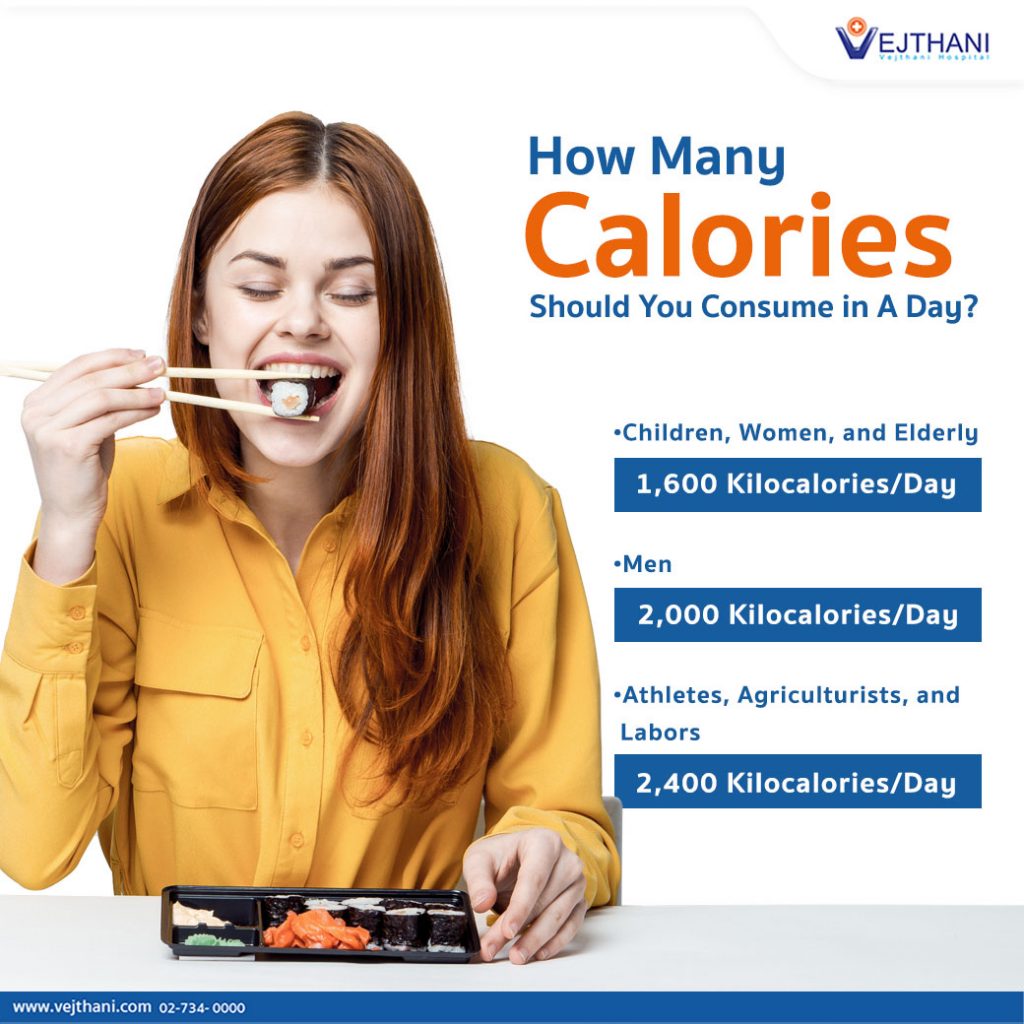
The transition from manual tracking to a tech-driven “digital twin” of our metabolism represents one of the most significant shifts in consumer health technology. By leveraging machine learning, computer vision, and advanced sensors, the tech industry is providing a real-time, high-definition view of our internal energy balance. This article explores the technological landscape that makes modern calorie tracking possible and what the future holds for personalized digital nutrition.
From Manual Entry to Machine Learning: The Software Evolution
The first wave of digital nutrition began with simple database applications. Apps like MyFitnessPal or Lose It! relied on massive user-generated libraries. While revolutionary at the time, they were plagued by the “human error” factor—users had to manually search for items and guess portion sizes. Today, software architecture is moving toward automated intelligence.
The Power of Massive Nutritional Databases
Modern calorie-tracking software is built on sophisticated relational databases that sync in real-time with global food registries. These platforms use APIs (Application Programming Interfaces) to pull data directly from grocery retailers and restaurant chains. When you scan a barcode, the software isn’t just looking at a number; it is querying a cloud-based server that contains macro-nutrient breakdowns, allergen information, and even glycemic index data. The tech challenge here is maintaining data integrity across millions of entries, a task now handled by automated cleaning algorithms that flag and remove inaccurate user-submitted data.
Predictive Analytics and Behavioral Algorithms
The next frontier in software is predictive modeling. Advanced apps now use machine learning to recognize patterns in your eating habits. If the software notices you tend to have a high-calorie meal every Thursday after a late-night work session, it can provide proactive prompts. These algorithms analyze historical data to predict your caloric needs for the day before you even take your first bite. This shift from reactive logging to proactive guidance is the hallmark of modern health-tech software.
The AI Revolution: Computer Vision and Instant Identification
Perhaps the most impressive technological leap in answering “how many calories do I have?” is the integration of computer vision. The ability for a device to “see” food and translate that visual data into a caloric value is a feat of complex neural networks.
Snapshot Nutrition: Analyzing Food Through the Lens
Modern AI tools utilize convolutional neural networks (CNNs) to identify food items in a photograph. When a user points their camera at a plate of spaghetti bolognese, the AI breaks the image down into pixels, identifying textures, colors, and shapes to distinguish between the pasta, the sauce, and the meat. Beyond mere identification, sophisticated depth-sensing technology (like LiDAR found in newer iPhones) can estimate the volume of the food. By calculating the 3D space a meal occupies, the software can provide a much more accurate calorie estimate than a human could by simply eyeing the portion.
The Role of Generative AI and LLMs in Dietary Guidance
Large Language Models (LLMs) like GPT-4 and Gemini are now being integrated into the backend of health apps. These models act as digital nutritionists. Instead of just seeing a number, a user can ask, “Based on the 1,500 calories I have left, what should I eat for dinner to meet my protein goals?” The AI processes the user’s entire digital history, current inventory (if connected to a smart fridge), and nutritional requirements to generate a personalized recommendation. This conversational tech makes the data actionable, moving beyond simple arithmetic into true lifestyle coaching.
Wearable Tech: Tracking Energy Expenditure in Real-Time
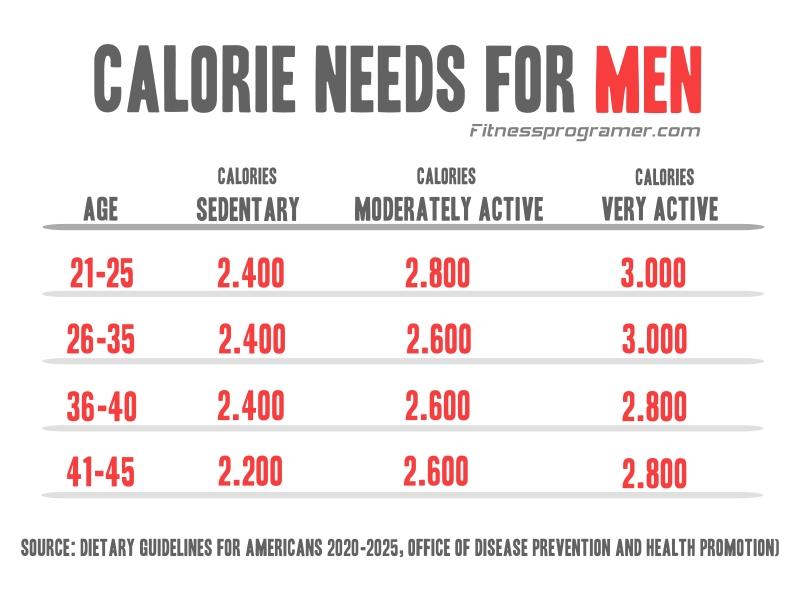
While software tracks what goes in, wearable hardware is responsible for tracking what goes out. The question “how many calories do I have?” is actually an equation: Input – Output = Net Status. To answer this, tech companies have developed a suite of sensors that monitor the human body 24/7.
Biomarkers and Continuous Glucose Monitoring (CGM)
One of the most significant trends in health tech is the migration of medical-grade hardware to the consumer market. Continuous Glucose Monitors (CGMs), such as those produced by Dexcom or integrated into platforms like Levels and Nutrisense, provide a real-time look at how calories (specifically carbohydrates) affect blood sugar. For the tech-savvy user, this means seeing exactly how a “500-calorie” bagel impacts their metabolic state compared to a “500-calorie” salad. This data-driven approach moves away from the “a calorie is a calorie” myth and toward a nuanced understanding of metabolic efficiency.
Optical Sensors and Metabolic Rate Estimation
Wearables like the Apple Watch, Oura Ring, and Whoop strap use photoplethysmography (PPG) sensors—the green and red lights on the underside of the device—to measure heart rate and heart rate variability (HRV). Advanced algorithms then use this data, combined with accelerometers and gyroscopes, to estimate Active Energy Expenditure (AEE) and Resting Metabolic Rate (RMR). By calculating the “burn” side of the equation with increasing precision, these gadgets allow the software to adjust your “calories remaining” throughout the day based on your actual physical strain, rather than a static estimate.
Digital Security and the Ethics of Health Data
As we entrust technology to answer “how many calories do I have,” we are simultaneously handing over some of our most intimate data. This creates a critical need for robust digital security and ethical frameworks within the tech industry.
Data Privacy in Health-Tech Apps
Health data is a goldmine for advertisers and insurance companies. Therefore, the tech infrastructure behind calorie-tracking apps must utilize high-level encryption. The industry is seeing a move toward “on-device processing,” where the AI analysis happens locally on your smartphone rather than in the cloud. This ensures that your dietary habits and metabolic data never leave your device. Furthermore, compliance with regulations like GDPR and HIPAA is no longer optional but a core feature of any reputable health-tech platform.
The Future of Decentralized Health Records
Looking forward, blockchain technology and decentralized identifiers (DIDs) may play a role in how we store our nutritional and metabolic data. Instead of your “calorie history” being owned by a single corporation, it could live on a decentralized ledger that you control. This would allow you to share your data seamlessly with a doctor or a coach while maintaining total ownership. This shift toward “Self-Sovereign Identity” in the health-tech space is a major topic of discussion among digital security experts and privacy advocates.
The Roadmap Toward Hyper-Personalized Wellness
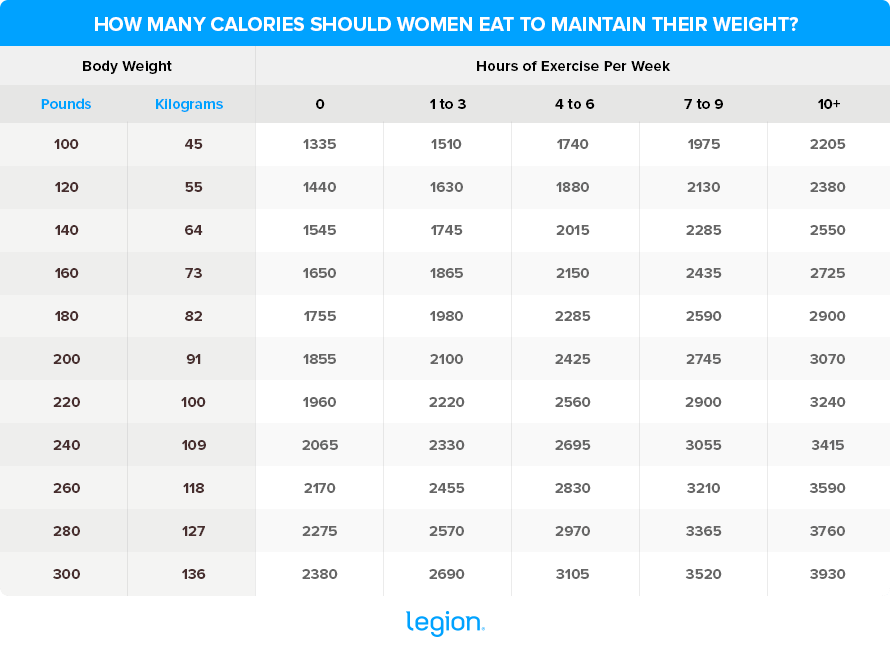
The question “how many calories do I have?” has evolved from a simple math problem into a complex data science objective. We are rapidly approaching a future where our digital ecosystem will manage our nutritional health with minimal friction.
In the coming years, we can expect even deeper integration. Imagine a world where your wearable detects a dip in blood sugar, your smart fridge identifies the ingredients available, and an AI-driven kitchen appliance suggests—and perhaps even begins prepping—a meal that fits perfectly within your daily caloric and macro-nutrient budget. This level of automation is the ultimate goal of the “Internet of Bodies” (IoB) trend.
Technology has effectively removed the cognitive load of health management. By leveraging AI, computer vision, and wearable sensors, we have moved into an era of hyper-personalized wellness. The “digital diet” is no longer about restriction; it is about using data to optimize human performance. As these tools become more accessible and accurate, the mystery of metabolism is being solved, one byte—and one bite—at a time.
aViewFromTheCave is a participant in the Amazon Services LLC Associates Program, an affiliate advertising program designed to provide a means for sites to earn advertising fees by advertising and linking to Amazon.com. Amazon, the Amazon logo, AmazonSupply, and the AmazonSupply logo are trademarks of Amazon.com, Inc. or its affiliates. As an Amazon Associate we earn affiliate commissions from qualifying purchases.